- Savage Blog
- Deer Hunting Food Plots: Game Changing Tips
Deer Hunting Food Plots: Game Changing Tips

Hunters are always looking for that edge over the game they’re pursuing. A new rifle, different scope, new ammo loading can give us the confidence to hit the field with the anticipation of punching a tag. If you own or lease land, one way you can get an edge is by planting food plots. As we hit the summer months, now is the time to be thinking about your deer hunting food plots.
Let’s dive into the benefits of planting food plots, the different kind of plots you can plant, and get some expert tips and advice from Savage pros who have seasons of success thanks to the time they put in to plant plots to attract wildlife.
Why Plant Food Plots?
Deer hunting food plots can be a gamechanger when fall comes around, and you’re chasing whitetails. They have several benefits, not just to your hunting success, but also to the health of the deer herd on your property and surrounding properties.
Benefits to wildlife
Food plots can be a great benefit to wildlife in your area, especially if your property or neighboring properties are lacking diverse food sources.
- Nutrition and forage: The most obvious benefit of food plots is the forage and nutrition they can provide. Depending on your plot strategy, you can provide extra nutrition to wildlife nearly year-round with different plantings. Popular crops like soybeans, brassicas, and clover provide plenty of protein, and winter-tolerant blends can be major draws when everything else around is brown and dried up.
- Support for wildlife: Deer isn’t the only wildlife that benefits from food plots. Depending on what you plant, turkeys, upland birds, and even small game can benefit from well-placed plot locations.
- Increases biodiversity: Food plots help to increase the biodiversity of your property, introducing new and appealing plants that otherwise would not be present. Many food plot crops can also help restore soil health, such as clover and alfalfa which are nitrogen fixers that introduce nutrients back to the soil.
Hunting Strategy
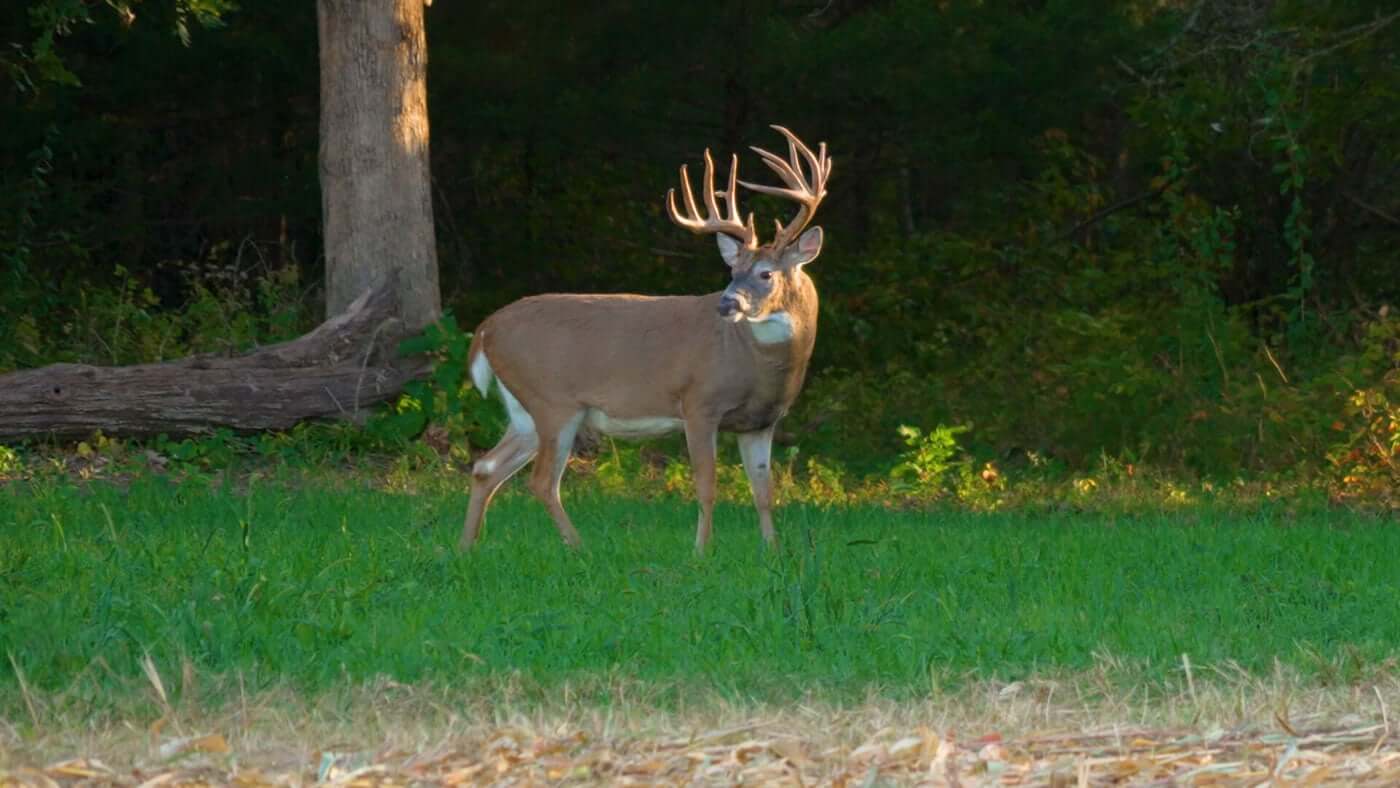
Benefits to wildlife are great, but the main reason most people plant deer hunting food plots is to improve their odds of success as part of their hunting strategy. Food plots can be a key addition to your hunting strategy in a few different ways.
- Attract wildlife: First and foremost, these plots attract deer and other wildlife. Providing a source of food and/or cover makes your property more appealing to deer and will attract them and give them a reason to stay on your property longer.
- Movement point: After they become established, food plots will often become a focal point of deer activity on your property. Deer move between beds, food, and water constantly, and a food plot allows you to place a key point for deer in a location that you choose.
- Control: Food plots are a point that you can control. You know what’s planted there, you manage the plot size and shape, and you can control access routes and shooting lanes around the plot. This gives you the ability to tailor your plot to how you want to hunt.
Lee Lakosky of the CRUSH puts it perfectly, saying “You don’t kill mature deer over random food, you kill them where food meets timing and pressure. You’re managing movement, timing, and nutrition year-round.”
Different Types of Food Plots
Deer hunting food plots can come in all different shapes, sizes, plantings, and purposes. There’s no one size fits all approach, and they can be made to fit just about any need you have depending on the time of season and your hunting strategy. Here are a few popular types of plots to consider.
Kill Plots
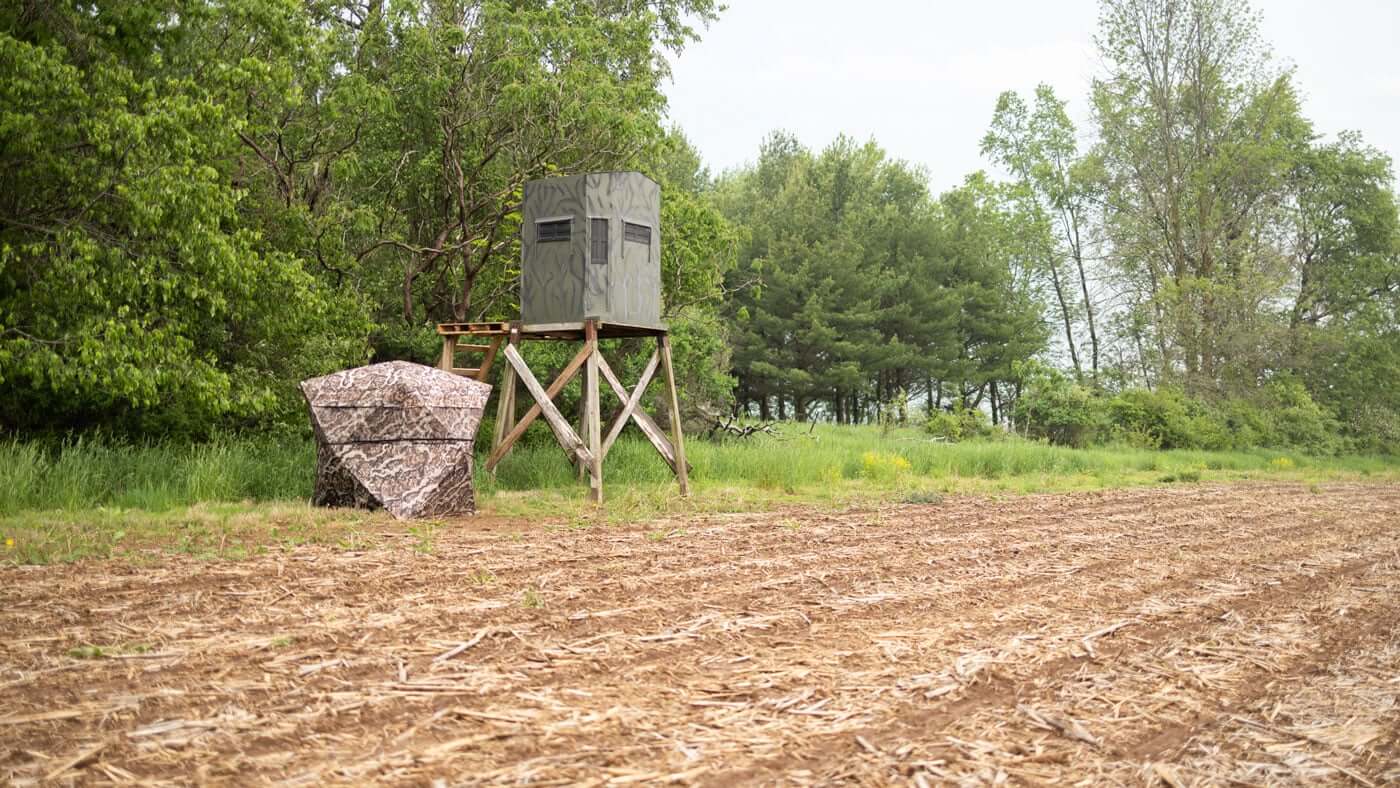
Kill plots are small, tucked away food plots meant to draw deer into a tight area. Unlike larger plots, they’re not a main focal point in the landscape. Rather, these plots are small, often under a half or even a quarter of an acre, and are tucked away in timber clearings, small openings, or habitat edges. They’re easy to plant with minimal tools involved and give small property hunters an edge to attract deer to their property.
These plots are meant to be strategic, so think carefully about where you want to place one. Look at the terrain, bedding areas, water sources, and large food sources. Identify trails and travel routes and place these plots at strategic points along a travel route where deer can drop in and feed easily. Think about how you’ll access these plots, and where you can place a stand for the best chance of having a good shot opportunity.
In many cases, having several small kill plots on a property can work better than having one large plot to hunt. Lee Lakosky of the CRUSH says “Small plots can kill big deer. ¼ to 1 acre kill plots sometimes beat big destination fields and are easier to hunt with the right wind.” Using several small kill plots can spread out hunting pressure and help you play the wind to your advantage.
Destination plots
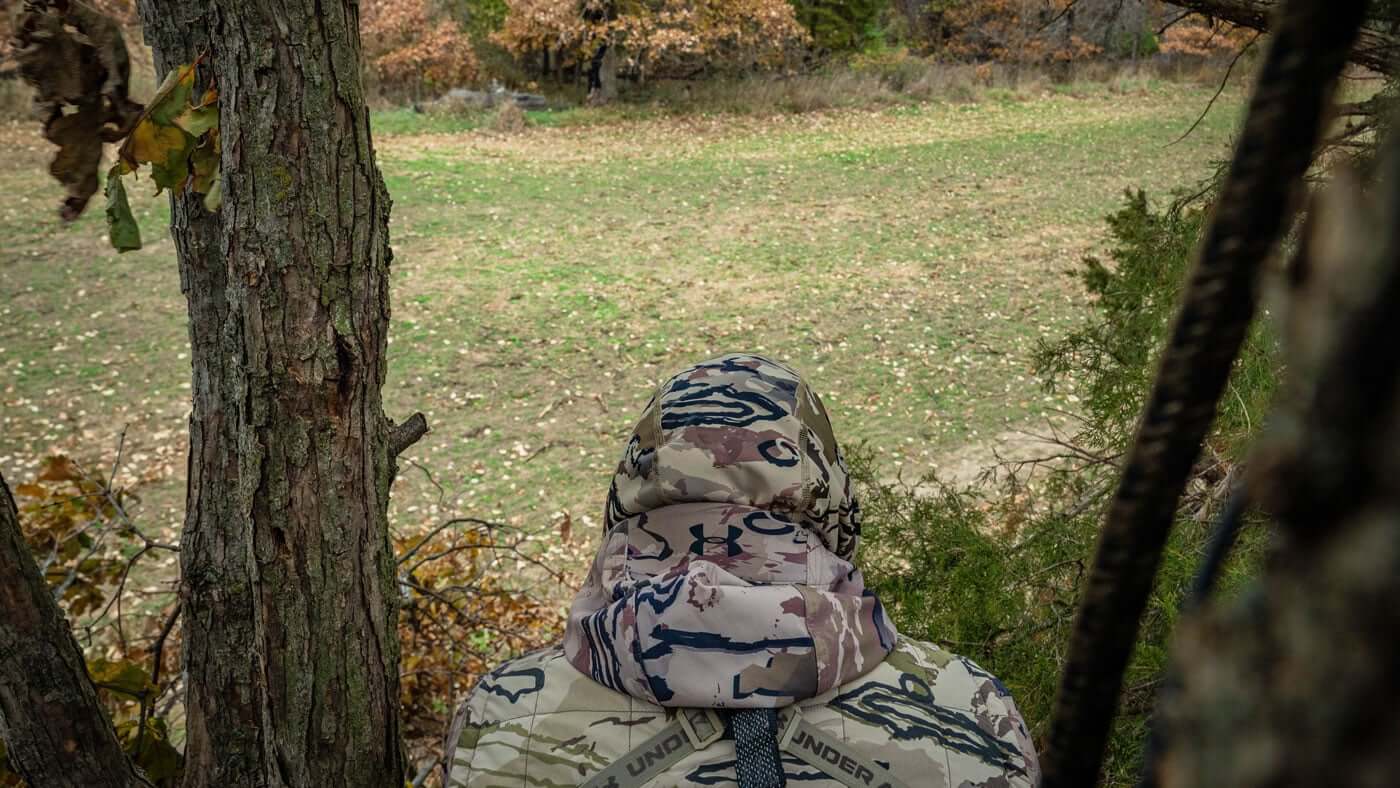
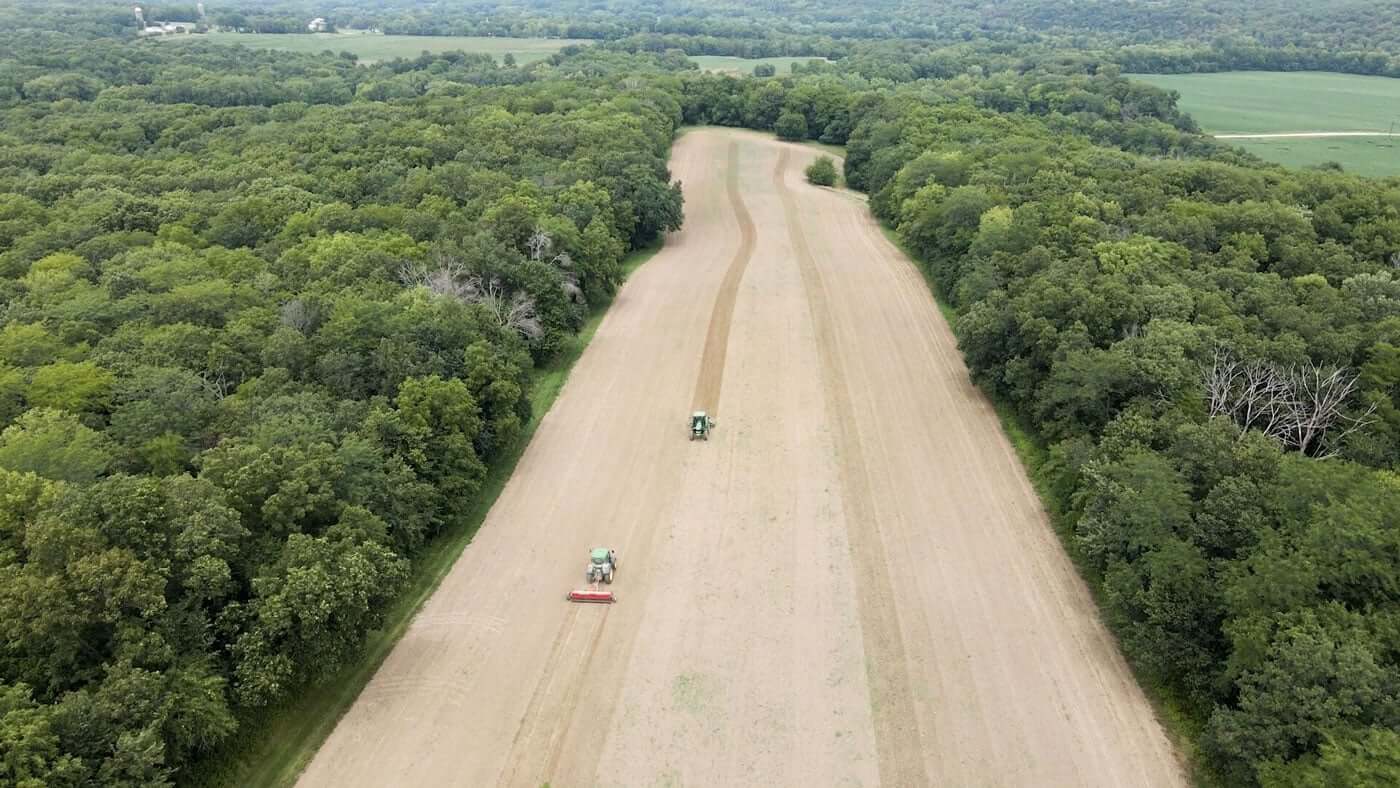
Destination plots are the deer hunting food plots that many people think about. These are the big, open plots spanning multiple acres that can have dozens of deer in them when the sun goes down. Destination plots aren’t for every property, but they do have their place. If you have access to large equipment and lots of open space, a destination plot can be a great way to feed lots of deer. These plots work great with box blinds and give you the chance for longer range shot opportunities and not having to worry as much about the wind.
Most destination plots will be planted in corn or soybeans, but you can mix things up and add all kinds of different crops. Split the plot up into sections with milo, sorghum, or other tall grains to add variety and screening cover. Use clover, oats, and wheat as cover crops for the late season. Don’t just plant in a square or circle either. Using shapes can help funnel deer into predictable paths and give them some security while using the plot.
Early season plots
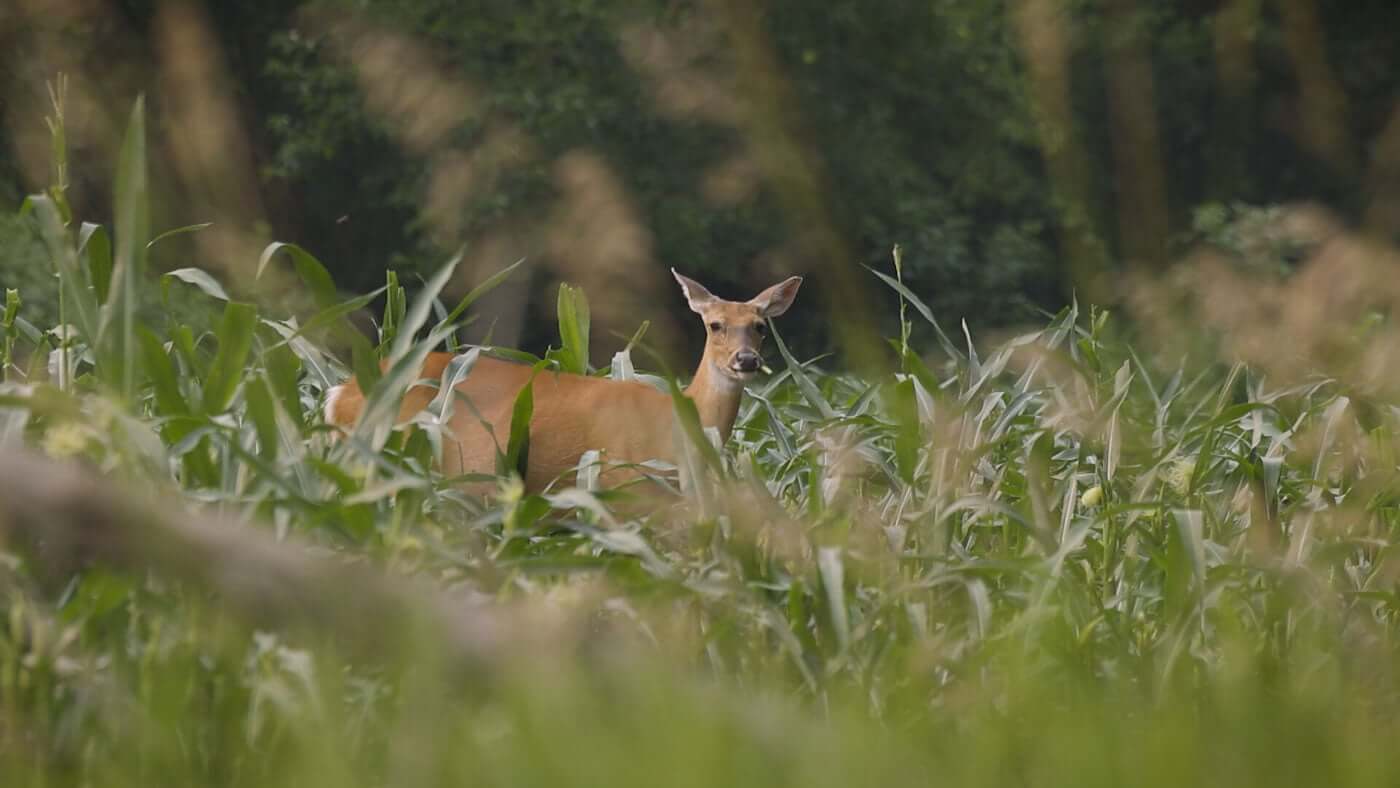
Even if you’re not hunting in the months of September and October, your food plot strategy in early fall is still important. Summer into early fall is a key growth time for deer, and your deer hunting food plots need to be providing them with good forage to help attract and hold them on your property for the upcoming fall. For his food plots, Mike Stroff with Savage Outdoors and The One relies heavily on clover. Mike says “My favorite food plot in the Midwest to plant is clover. Clover is my favorite food plot because if you get it established well you only have to spray It once per year and mow it a few times a year. If you have a good stand of clover and maintain it properly, it can last 5-6 years without having to be replanted.” The best time to plant clover is either in early spring before turkey season, or early summer to give the plot time to establish roots and green up before the fall.
Late season plots
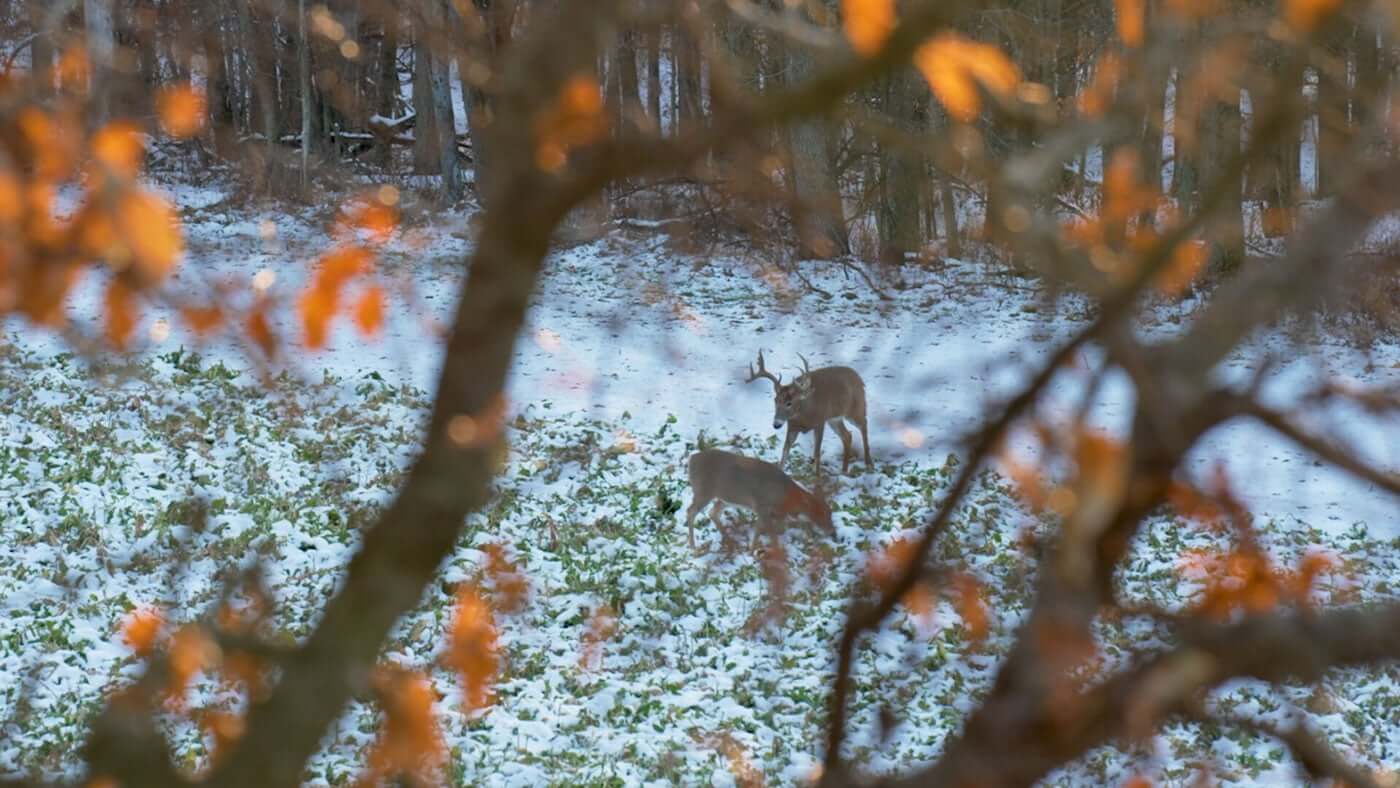
Late season plots should focus on maximizing forage during the colder weather months. These plots should have plants that are cold tolerant and will provide green browse when everything else has dried up. Lee Lakosky suggests brassicas like turnips and radishes, winter rye, and winter wheat for these plots. Lee says, “You want to give deer a food sources when everything else is gone. Late season is about calories, which will lead to predictability.” These plots should be planted in late summer if you’re mainly planting brassicas, or fall for cereal grains. Lee says “Plan ahead of the rain, not the calendar. “
Maximizing Your Food Plots
If you’re going to put in the time to plant and develop deer hunting food plots, you want to make the most of them! Here are some tips to help make your plots a success.
- Seed to soil contact: The right seed to soil contact is vital, especially with clover. Mike Stroff has a few tips for planting clover successfully. “I like to seed my clover in the late winter/early spring when it is still cold. I tend to get a better stand of clover with the first spring rains or from the winter moisture in the soil. By seeding early, this gets your plot started as early as possible. When you are working your dirt make sure to create the best base possible. Breaking the soil into a very fine material seems to work best. Clover seed just needs good seed to soil contact to maximize the germination. You don't want the seed to get buried or drilled. “
- Get your soil right: Lee Lakosky says “Always put your soil first. Use lime and fertilizer to optimize your soil’s pH. You can’t outplant bad dirt.” Using a soil test will help you determine what nutrients your soil needs and gives you the best chance at having a successful plot.
- Location, location, location: Just like in real estate, location is everything when it comes to food plots. Make sure your plot is in a prime position with other key habitat factors nearby, like cover and water. Plots should feel safe for deer that are using them. A deer that feels too exposed won’t venture very far into the plot, and bumping a deer off a plot is a sure way to make sure they won’t use it again. Plan good access routes into and out of your plot so you can sneak in and out undetected.
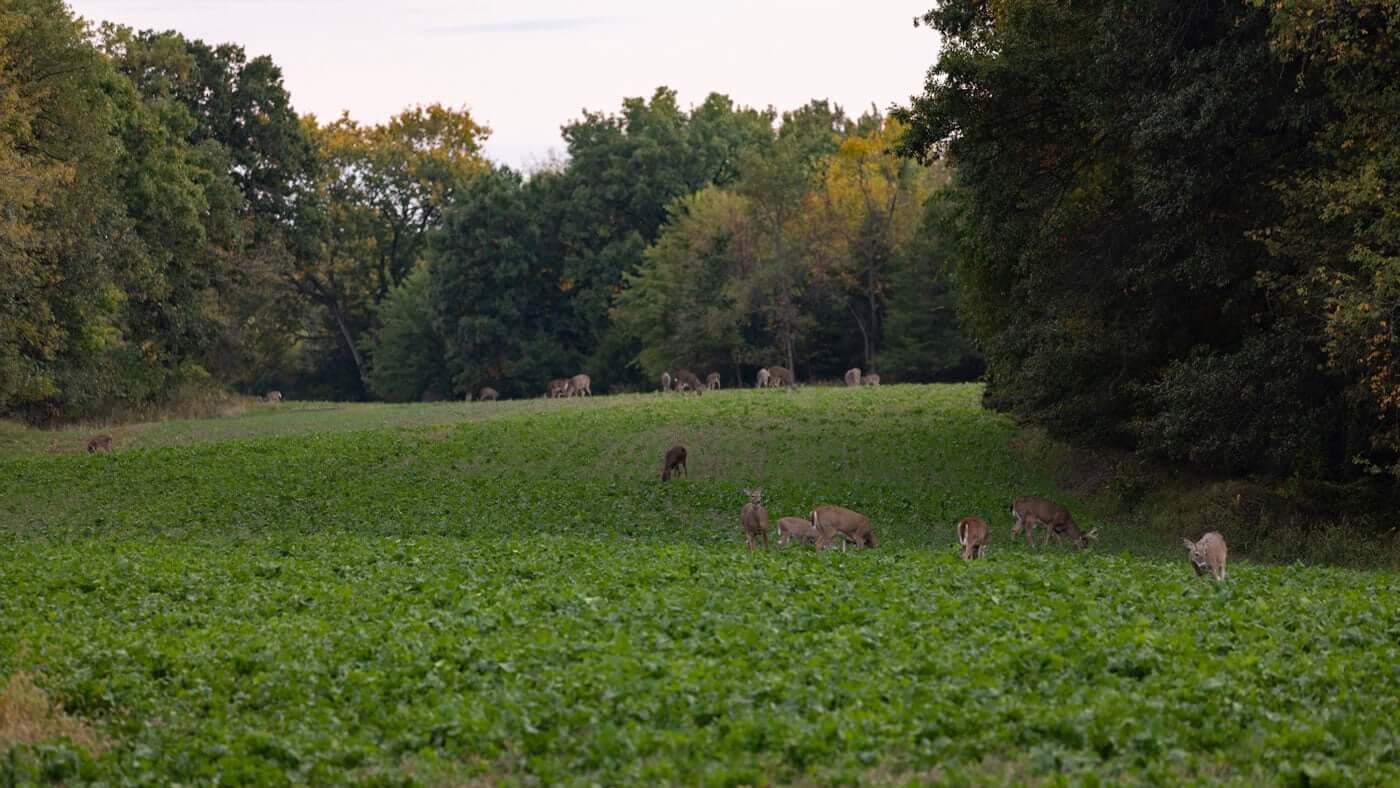
Deer hunting food plots can be a gamechanger in the success of punching a tag this fall. With the right plots in the right spots, you can draw deer to your property and help increase your odds of success. If you want to learn more about food plots and habitat management for wildlife, check out Savage Outdoors and The One and The CRUSH with Lee & Tiffany for more tips, tricks, and techniques to help you improve your odds in the field this season!