- Savage Blog
- Ding Darling and the Federal Duck Stamp
Ding Darling and the Federal Duck Stamp

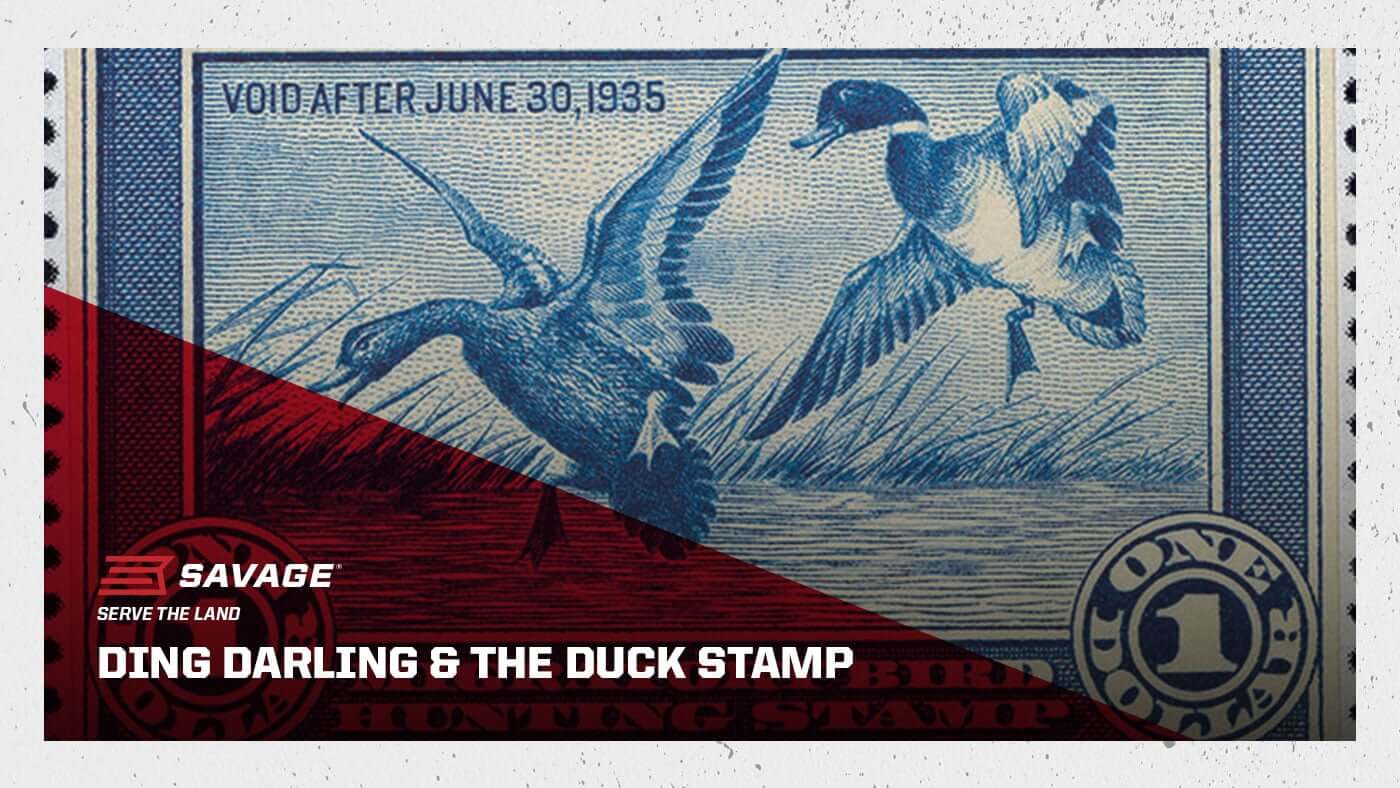
To many historically savvy waterfowl hunter, J.N. "Ding" Darling will be a familiar name. A conservation pioneer of the early to mid-1900s, Ding Darling was instrumental in helping establish the foundation of waterfowl and wetlands conservation that we now benefit from. In today's blog, we're diving into who Ding Darling was, some background behind the federal duck stamp, and how the legacy Darling helped start has grown today.
Who Was Ding Darling?
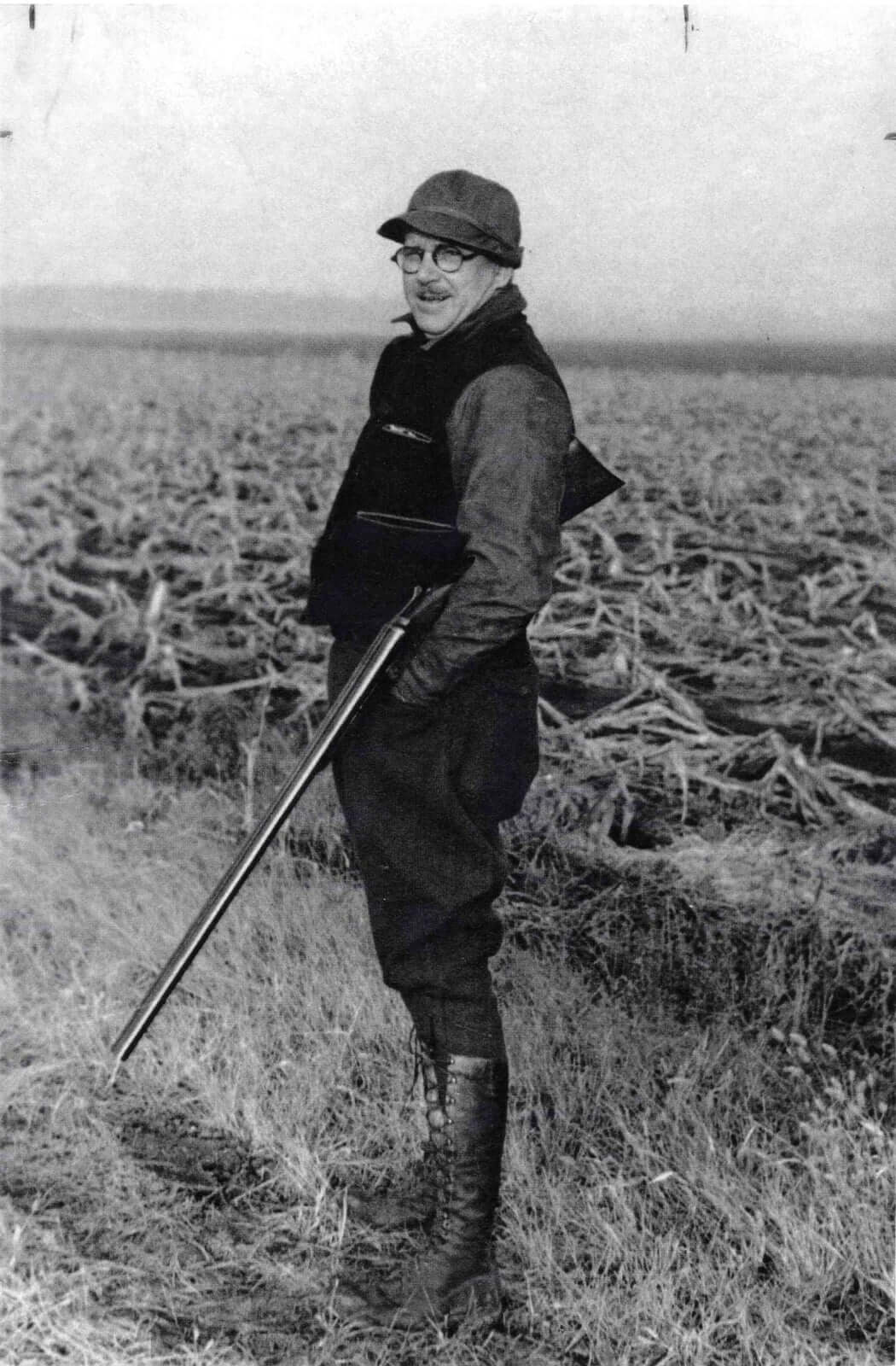
Ding Darling didn't start his career as your typical conservationist. Rather than being a biologist, he was actually a Pulitzer Prize winning editorial cartoonist. During his early career, Darling spent time going back and forth between New York and Des Moines, Iowa, before eventually settling in as a cartoonist for the Des Moines Register. Darling often covered conservation topics in his cartoons, and in the 1930s he would begin to take a more prominent role in conservation.
Darling became active in the State of Iowa Fish and Game Commission in the early 1930s, helping to fund the Cooperative Research Unit at Iowa State. Soon after, he would be named Chief of the US Biological Survey in 1934. His work helped build the agency into what would eventually be the US Fish and Wildlife Service. During his time with the Biological Survey, Darling was a key figure in expanding National Wildlife Refuges and would eventually have one named after himself on Sanibel Island, Florida. Topping off his list of conservation achievements, Ding Darling was also named as the first President of the National Wildlife Federation after the first North American Wildlife Conference in 1936.
The Federal Duck Stamp
Every waterfowl hunter today is familiar with the federal duck stamp. It's mandatory for every waterfowl hunter 16 years and older to purchase before they head out to hunt ducks and geese in all 50 states and contributes millions of dollars to waterfowl and wetlands conservation annually. The stamps are also collectible, with many waterfowl hunters keeping their stamps to show off how long they've been hunting and the different designs on each year's stamp. While physical duck stamps continue to be printed, you can also purchase an e-stamp online that is valid for hunting purposes.
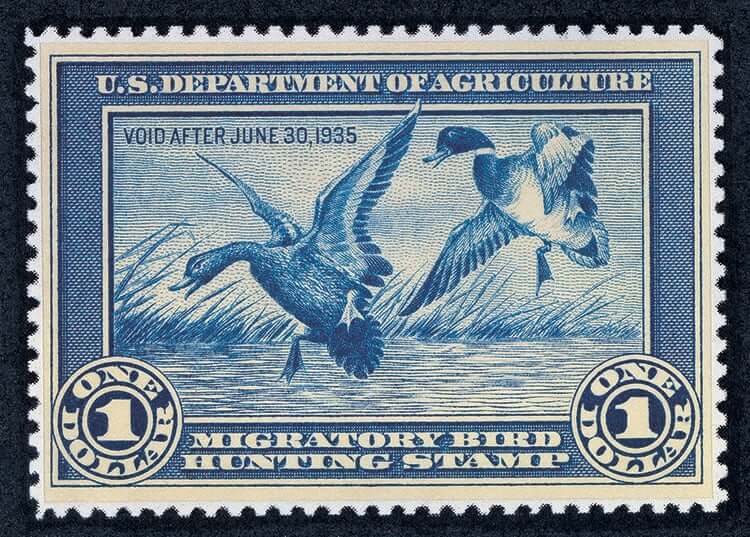
The federal duck stamp was established by the Migratory Bird Hunting Stamp Act of 1934. While waterfowl and wetlands conservation legislation had been passed years prior to this act, there was no funding mechanism to ensure that those conservation efforts could be continued. The federal duck stamp was the solution, creating a partnership between the federal government, states, and waterfowl hunters to help fund and manage wetlands and waterfowl conservation.
So, where does Ding Darling come into play with the duck stamp? Well, as a known conservationist and cartoonist, Darling was asked by President Franklin Delano Roosevelt to illustrate the very first duck stamp, which sold for $1. Overtime, other wildlife artists would also be involved in illustrating the design of the duck stamp. In 1949, the duck stamp design was opened up to the public as a contest, with the winning design being placed on the upcoming year's stamp. Today, federal duck stamp sales have contributed to the purchase of millions of acres of wetland habitat across the National Wildlife Refuge system. For every dollar spent on a federal duck stamp, 98 cents goes towards purchasing and conserving wetlands by purifying water, reducing soil erosion, and helping with flood control.
A Legacy of Conservation
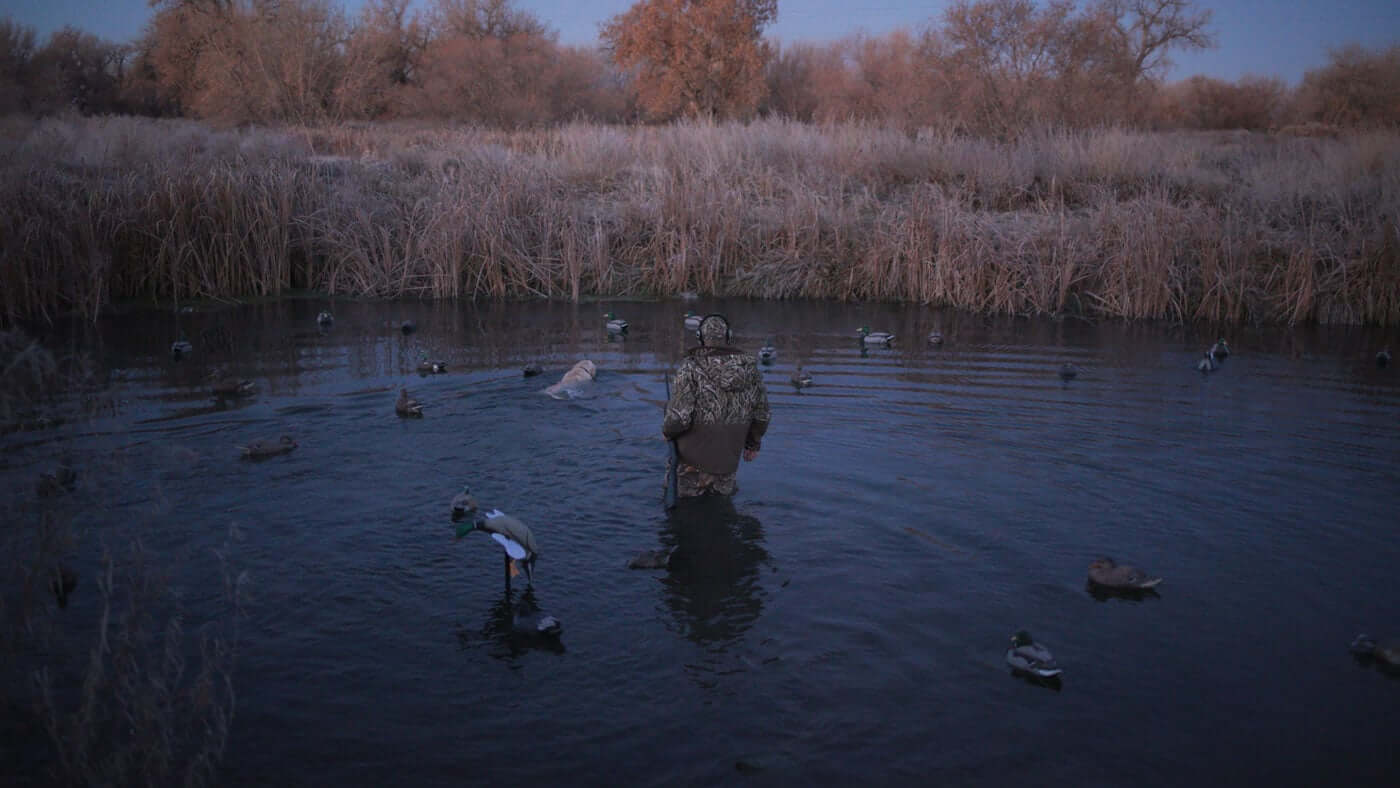
Today, the legacy of Ding Darling, waterfowl conservation, and the federal duck stamp is apparent across the country. Federal duck stamp funds help fund a wide variety of conservation projects and wetland preservation across the country. Conservation organizations like Ducks Unlimited and Delta Waterfowl and their volunteers help raise even more funds for conservation and volunteer on projects to help improve wetland habitat. These organizations and volunteers are comprised of passionate hunters who want to see waterfowl hunting continue in the future, and their efforts have greatly helped the US Fish and Wildlife Service maintain and expand habitat in areas across the US.
The federal duck stamp continues to be the primary funding mechanism for waterfowl and wetland conservation, with over 1.5 million stamps purchased by hunters and conservationists annually. Over $1 billion in funds has been raised since the stamp was introduced in 1934. What has that $1 billion in funding got us? Quite a lot! Over 6 million acres of habitat has been conserved in that time through the purchase of public lands, expansion and acquisition of wildlife refuges, purchasing of conservation easements, and habitat improvement projects that have brought life to key wetland and nesting areas across the United States and Canada.
So, how can you support waterfowl and wetlands conservation? It's simple! Join a conservation organization and volunteer to help support habitat work with them, buy a federal duck stamp every year, even if you don't plan to hunt that year, or support projects like Stamp it Forward that match duck stamp purchases to donate to wetlands conservation.
While Ding Darling may not have been the typical conservationist at first glance, his efforts to help support early waterfowl and wetland conservation efforts have created a lasting legacy today. The federal duck stamp he helped create has helped fund millions of acres of habitat, and the recovery of waterfowl populations across North America is a direct result of these early efforts. When you go to purchase your federal duck stamp this year, don't forget about the efforts of Ding Darling and other early conservation pioneers. After all, we're able to enjoy the hunt today because these early pioneers put in the work to ensure that waterfowl populations could be sustained for generation after generation.
Interested in learning more about conservation and the stories and people that help preserve the wild places we all enjoy? Check out the Serve the Land section of our blog to learn more about the people, places, and programs that are dedicated to conserving the lands and game species that we all enjoy.