- Savage Blog
- Firearm Safety Tips: Staying Safe in the Field
Firearm Safety Tips: Staying Safe in the Field

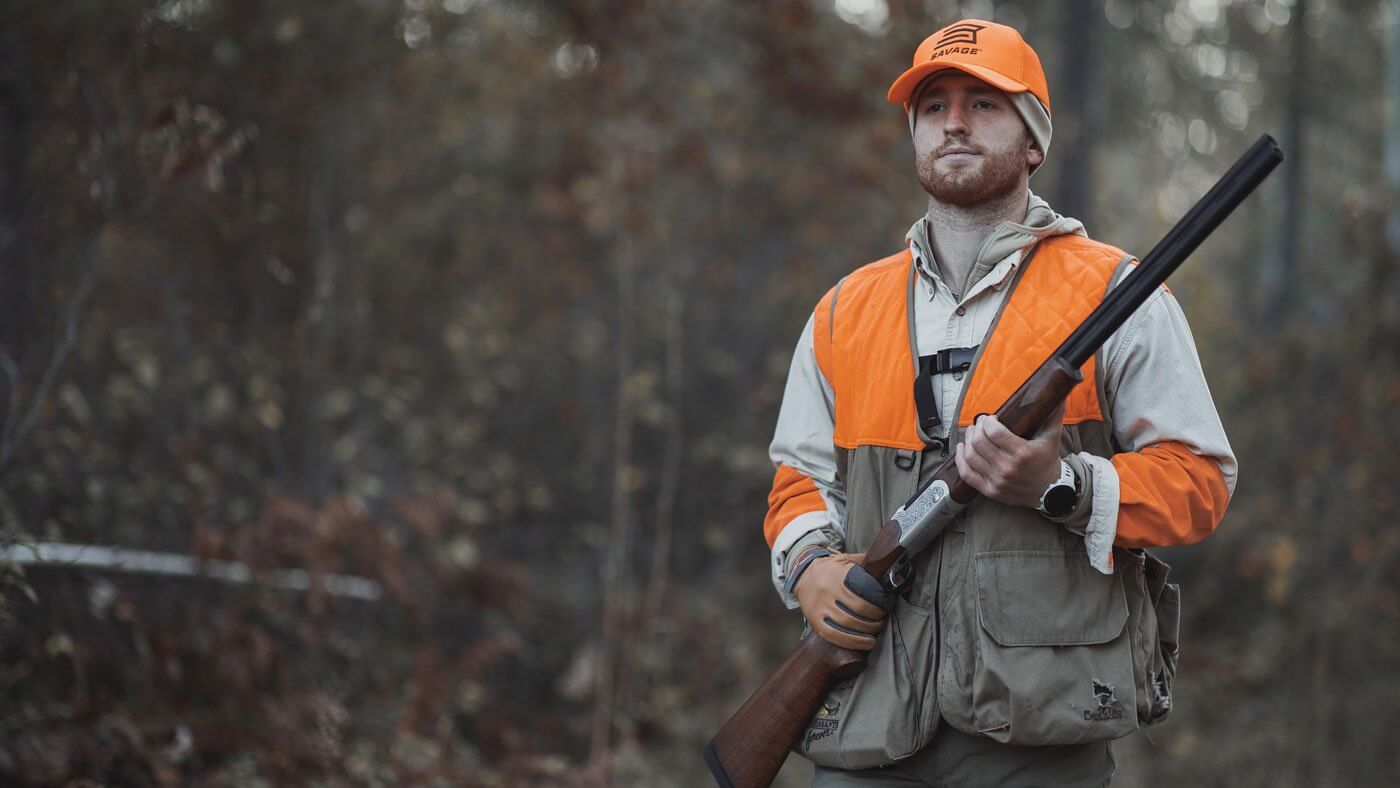
When you’re out hunting in the field, shooting at the range, or even just working on a rifle at home, firearm safety should always be at the front of your mind. A firearm is a powerful tool and using them carelessly can result in serious harm to yourself and others. Many of us are taught the rules of firearm safety at a young age when we first learn to hunt or shoot, but it’s never a bad time for a refresher.
Whether you’re a first-time hunter or target shooter looking to learn more about safely handling firearms, or a seasoned pro looking for a resource to help you teach others, we’ll help you out in this guide. Let’s dive into the rules of firearm safety, important safety equipment to have when using and storing firearms, and some tips and resources for hunting and shooting safely.
Four Rules of Firearm Safety
The most important part of any education into hunting or shooting sports is knowing the four rules of firearm safety by heart. These rules should always be in mind each and every time you climb a tree stand, sit in a blind, or take position on a range. Being well versed in these rules can be the difference in helping you prevent an accident. Here are the rules:
- Treat every firearm as if it is loaded at all times.
- Keep the muzzle of your firearm pointed in a safe direction at all times.
- Keep your finger off the trigger until you are ready to fire.
- Know your target and what is beyond it.
Once you know these rules, remember them and respect them every time you pick up a firearm. If you see someone using a firearm in an unsafe manner, whether it’s reckless muzzle control or playing with the trigger, speak up and say something. It’s always better to be safe and help remind others to be safe.

Important Safety Equipment
Firearm safety isn’t just about safely handling the firearm itself, but also about safe use and storage. Here are a few safety tips to keep in mind when it comes to using your firearm:
- Eye and ear protection should be used at all times on the range, and even when you’re hunting! If you’re hunting in thick brush, wearing eye protection can help protect your eyes from an errant brush. Wearing hearing protection on hunts where high volume shooting is expected, like waterfowl or upland bird hunts, can also help protect your hearing.
- When transporting a firearm, it’s always a good idea to keep an empty chamber flag inserted to confirm that the chamber is empty before using your firearm. Some ranges may mandate these to help indicate a firearm as safe on the firing line.
- Firearms should always be stored safely at home. Safe storage can come in a few different forms, such as a standard gun safe, a gun closet, or a gun cabinet. Whatever storage system you use, it should be secured with a lock that is not easily accessible to others outside of your household.

Hunting Safety Tips
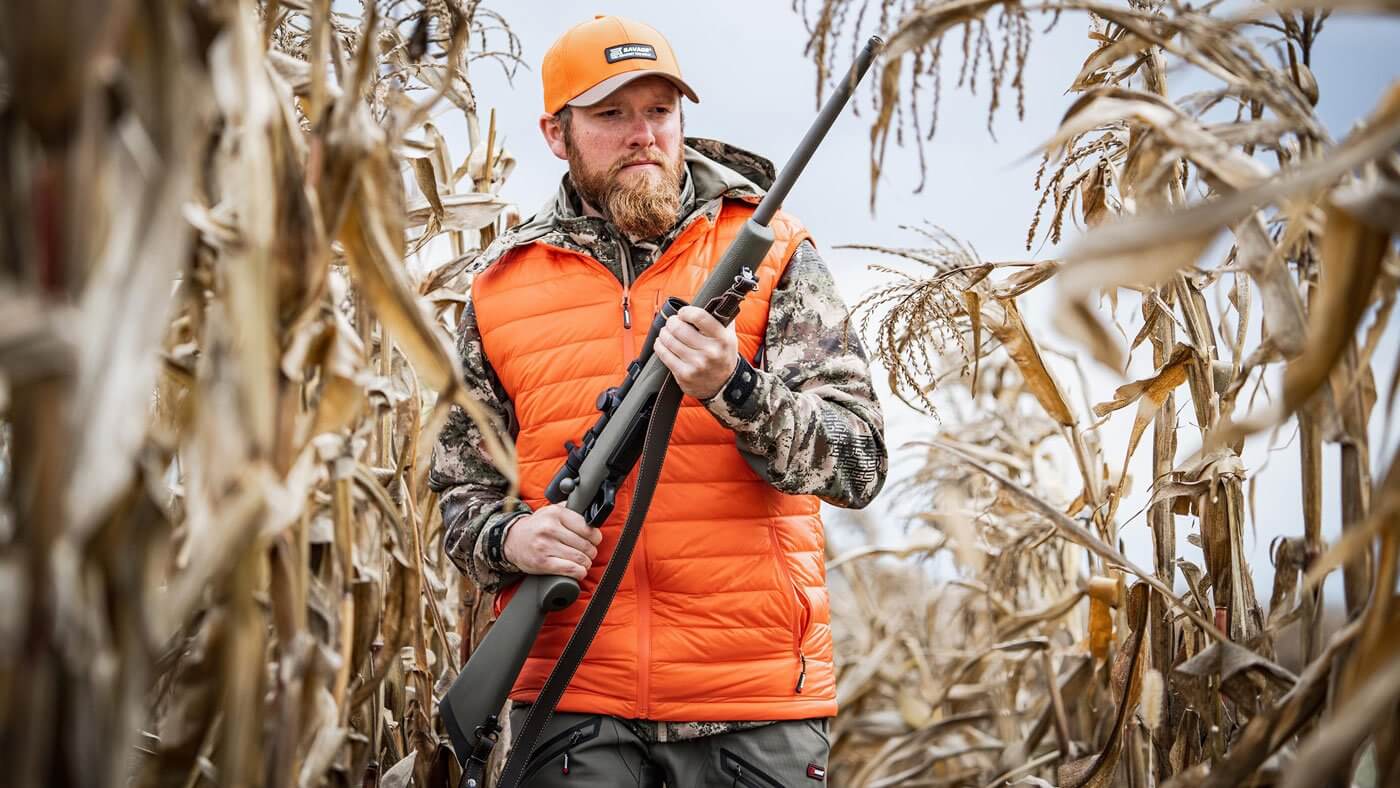
Staying safe in the field means being familiar with firearm safety and remembering it at all times. Even if you’re hunting by yourself, observing the rules of firearm safety can help protect others on neighboring property, or those who you are sharing public lands with. Remember to keep your barrel pointed in a safe direction away from others, keep your finger off the trigger, and know your target and what’s beyond it.
Besides observing these rules, there are a few other ways you can stay safe while out hunting.
- Transport your firearm to and from the field in a case to prevent potential damage that could result in a malfunction.
- Wear blaze orange during required firearm seasons to help make yourself more visible. You can also use a blaze orange flag or hat during other hunting seasons, like archery season or turkey season, when walking in or out of public lands. This can be especially useful if you are packing out an animal and want to make yourself more visible.
- Set fields of fire when hunting in groups with other hunters to prevent overswings and aiming your barrel at others.
- Don’t shoot at sounds! If you hear something that sounds like your target game animal, get ready, but wait to completely identify your target before shooting. If you can’t clearly ID your target, don’t take the shot. It’s better to be safe and wait for a better opportunity.
- Don't rely just on your rifle's safety. Whenever you're moving from spot to spot, unload your firearm and make sure it's pointed in a safe direction.
Hunting and Firearm Safety Resources
There are lots of educational resources available to help educate new hunters and shooters on firearm safety! State fish and wildlife agencies and private organizations both provide educational classes, training, and materials to help ensure that hunters and target shooters have the information they need to hit the field and the range safely.
All state fish and wildlife agencies offer hunter education courses, with most offering both in-person and online classes. Classes are often inexpensive and taught by certified hunter education instructors who have years of experience hunting and handling firearms. A large part of the hunter education curriculum is based around firearm safety, so it’s a great course to take even if you don’t plan on hunting and just want to learn more about safe firearm handling.
The International Hunter Education Association (IHEA) certifies hunter education courses in all 50 states, as well as in several other countries. The IHEA has several educational resources available to help new hunters and shooters learn about firearm safety. You can also utilize their website to find a hunter education course located near you. To see all of their available resources, you can visit their website for more!
The National Shooting Sports Foundation (NSSF) has been a leader in firearm safety for decades. The NSSF has spearheaded several safety campaigns geared towards all firarm owners, including Operation Safe Storage and Project Child Safe. You can learn more about the NSSF’s firearm safety initiatives here.
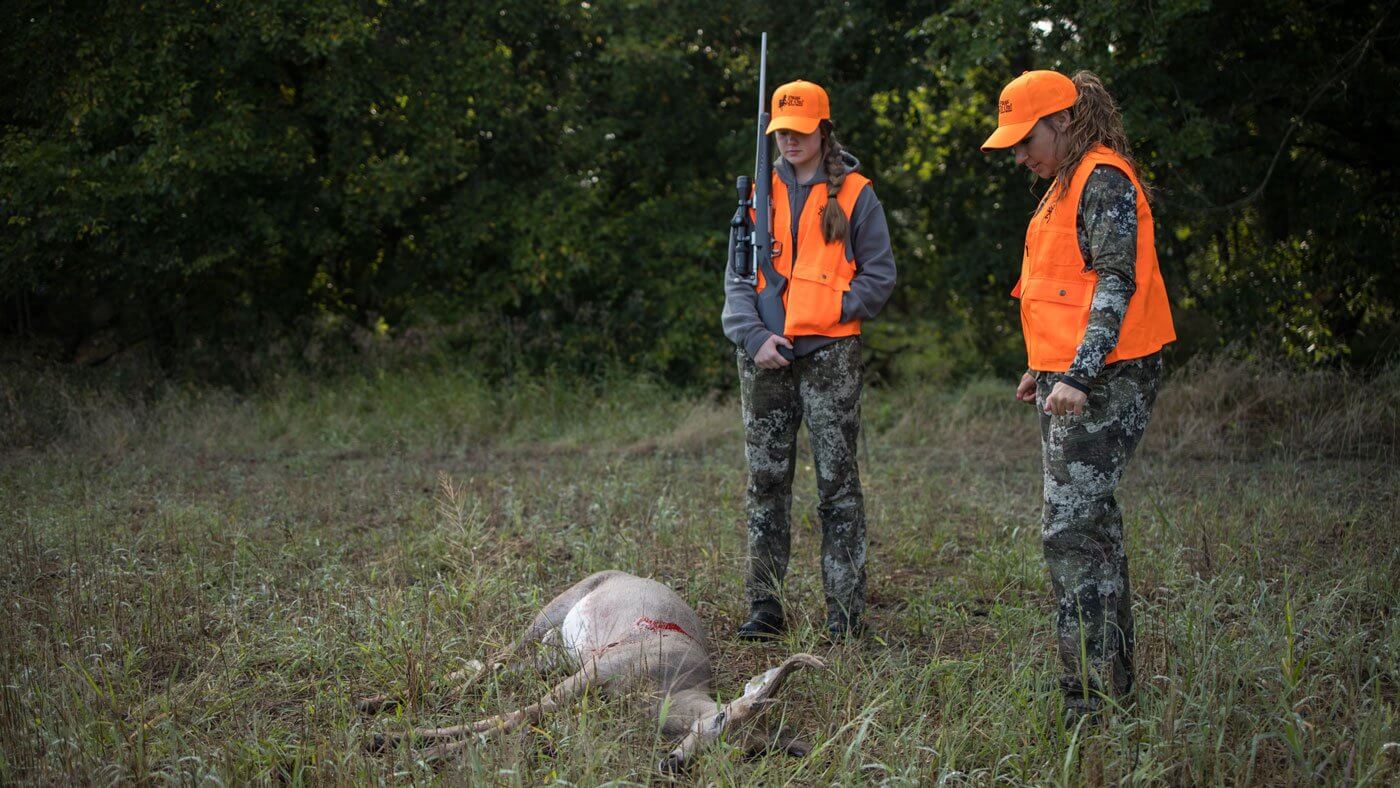
From a day in the woods to a quick trip to the range, firearm safety is a responsibility we all share. Observing the basic rules of firearm safety helps millions of hunters and shooters enjoy their time in the field and on the range every year, and it makes hunting and target shooting one of the safest hobbies that can be done. While firearms are a powerful tool, they can be safely enjoyed by everyone by keeping safety in mind. So if you’re teaching a new hunter or target shooter, make sure to teach them the value and importance of firearm safety each and every time they pull their rifle out of the safe for their next adventure.