- Savage Blog
- Switching Up Your Shooting Stance
Switching Up Your Shooting Stance

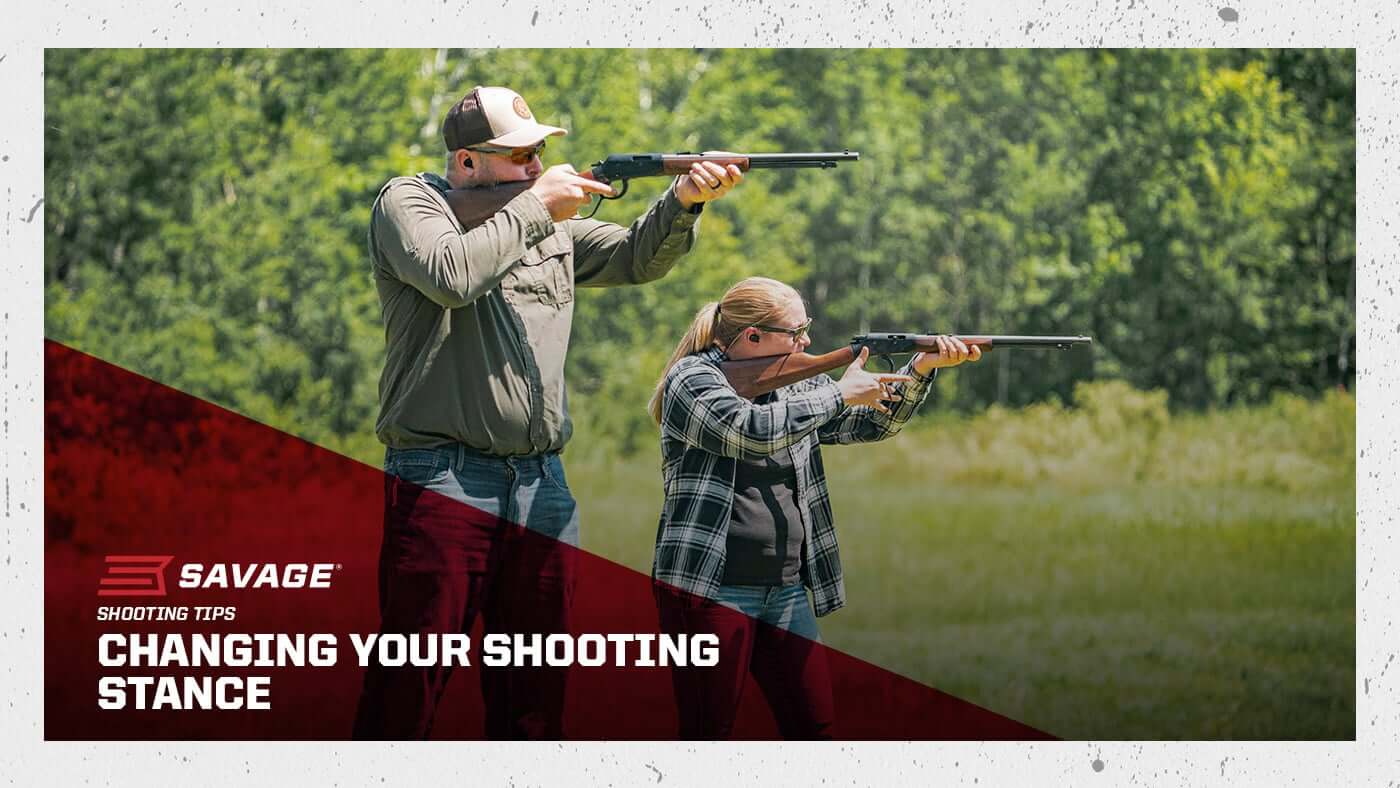
Going to the range can become a routine. You have your firearm you want to practice with, your preferred distance and shooting spot, and you have all your usual gear. Sometimes, it’s good to change things up! This is especially true when it comes to your shooting stance. If you’re practicing from the same shooting stance every time, you may be missing out on some key benefits to help not only improve your marksmanship skills, but also to become more familiar with your firearm and learn how to adapt your shooting in different circumstances. Let’s dive into the benefits of practicing different shooting stances, the most common stances out there, and some tips for shooting in each stance.
The Benefits of Practicing Different Stances
So, why not just practice off the bench like you’re always used to? In real world scenarios, whether on a hunt, in competition, or in a defensive scenario, you’re rarely shooting off a bench. You’ll be standing, kneeling, prone, or sometimes shooting around a barricade. Practicing a different shooting stance has several real-world benefits, and here are a few.
- Improves marksmanship: Practicing from a variety of shooting stances helps improve your marksmanship, making you focus on shooting fundamentals while in different positions. The more confidently you can shoot from different positions, the better your marksmanship will be.
- Ready for different scenarios: Sometimes you have to take a quick shot in the field. Getting used to shooting your hunting rifle while standing or kneeling can help you be prepared for what to do when the adrenaline is flowing and you need to get a quick shot off.
- Builds muscle memory: The more you repeat a task, the more it is engrained in your muscle memory. Shooting from different stances help you remember how to properly manipulate your rifle and gear whenever you need to get into position, fire, and reload.
- Helps shooting skills: Learning to shoot from different positions can help you improve your shooting skills as well. Managing your breathing control from different angles and getting comfortable shooting from different angles help you gain confidence. Plus, if you practice shooing from different stances with your gear, you will become more familiar with how to maneuver your gear to get into position and with how it will feel while you’re shooting.
- More firearm familiarity: Shooting your firearm in different stances will also help you become more familiar with it. Different shooting stances may require you to operate the bolt differently, use a different hold, adjust your reloading technique, and change how the recoil feels. Getting used to all of these differences will help you master shooting your firearm over time.
Different Shooting Stances
Your most common shooting stance will likely depend on both what you shoot and what you’re most commonly shooting for. Here are a few different stances you’ll use.
Standing
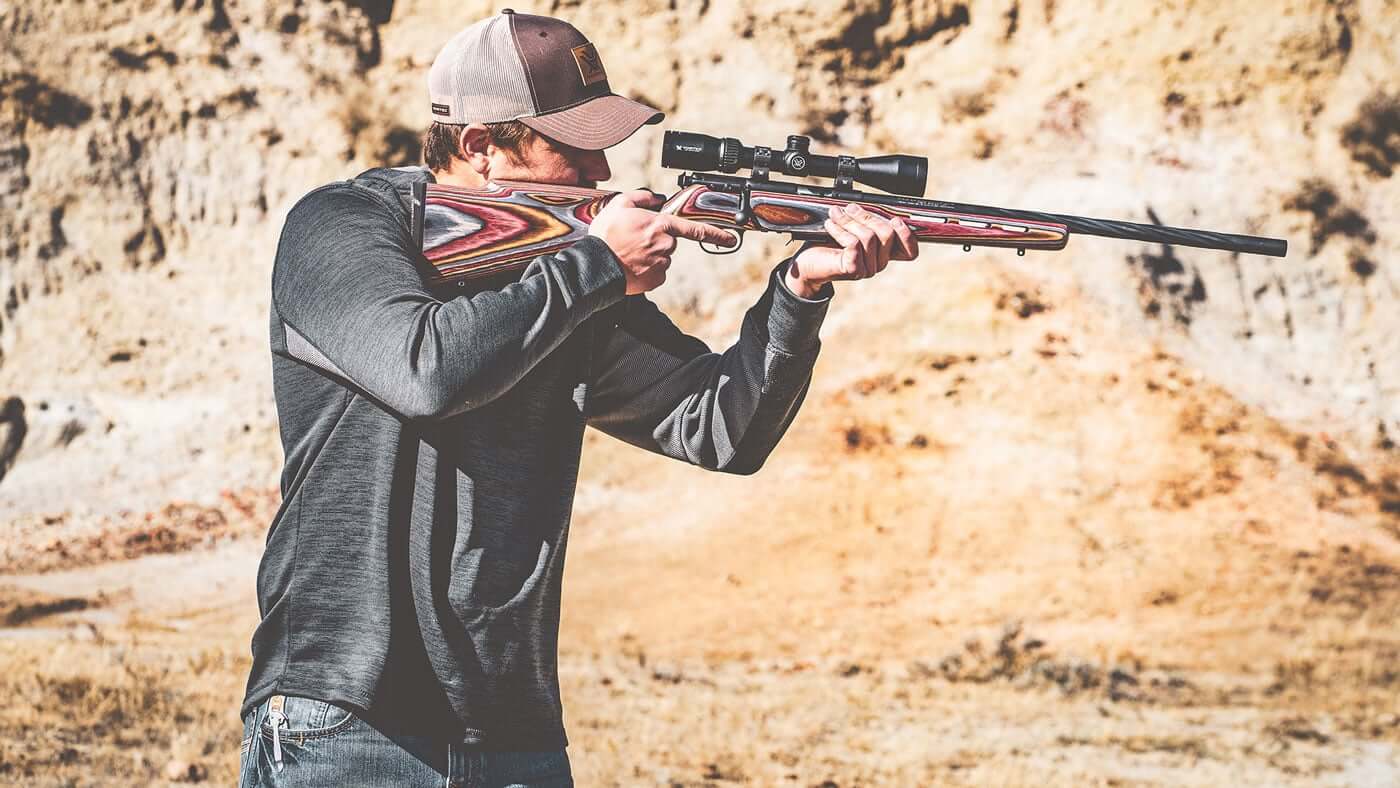
Shooting while standing is most often done by competitive shooters and handgun shooters. For handgun shooters especially, shooting while standing is critical for training in case of a defensive shooting situation. Competitive shooters often shoot standing throughout a course of fire, making it an important stance to train in.
Sitting
When time allows, sitting can be effective for getting more support on your shot. Shooting while sitting is often done while hunting and can be done from a seat or on the ground with no support. Sitting helps you stay low and out of sight, while also getting some stability benefits.
Kneeling
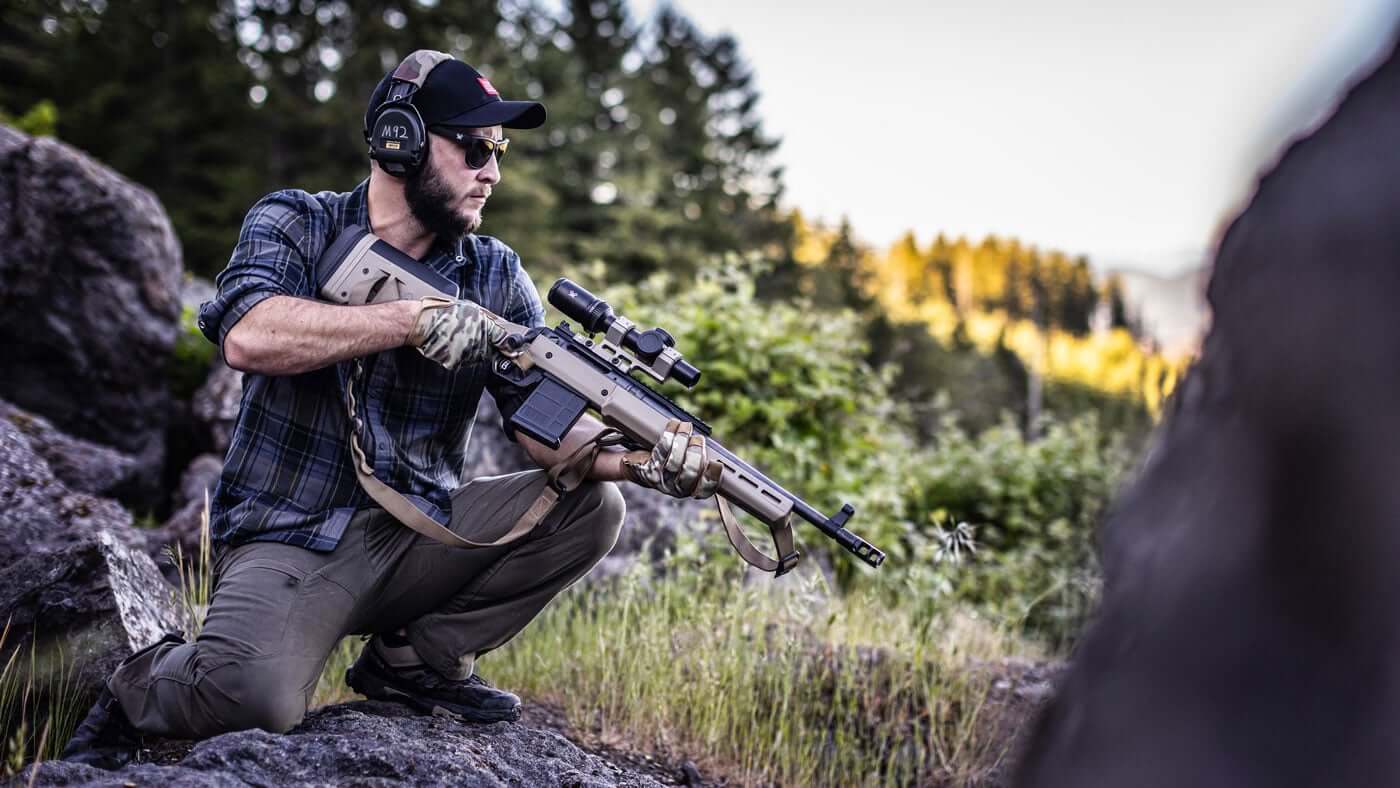
One of the most common shooting stances across all disciplines, kneeling involves getting on one knee for some stability while firing. Kneeling can be done in a supported position by placing your forward elbow on your forward knee, or unsupported by firing while holding your rifle up. It is a quick, effective way to increase stability and accuracy while rising above obstacles.
Prone
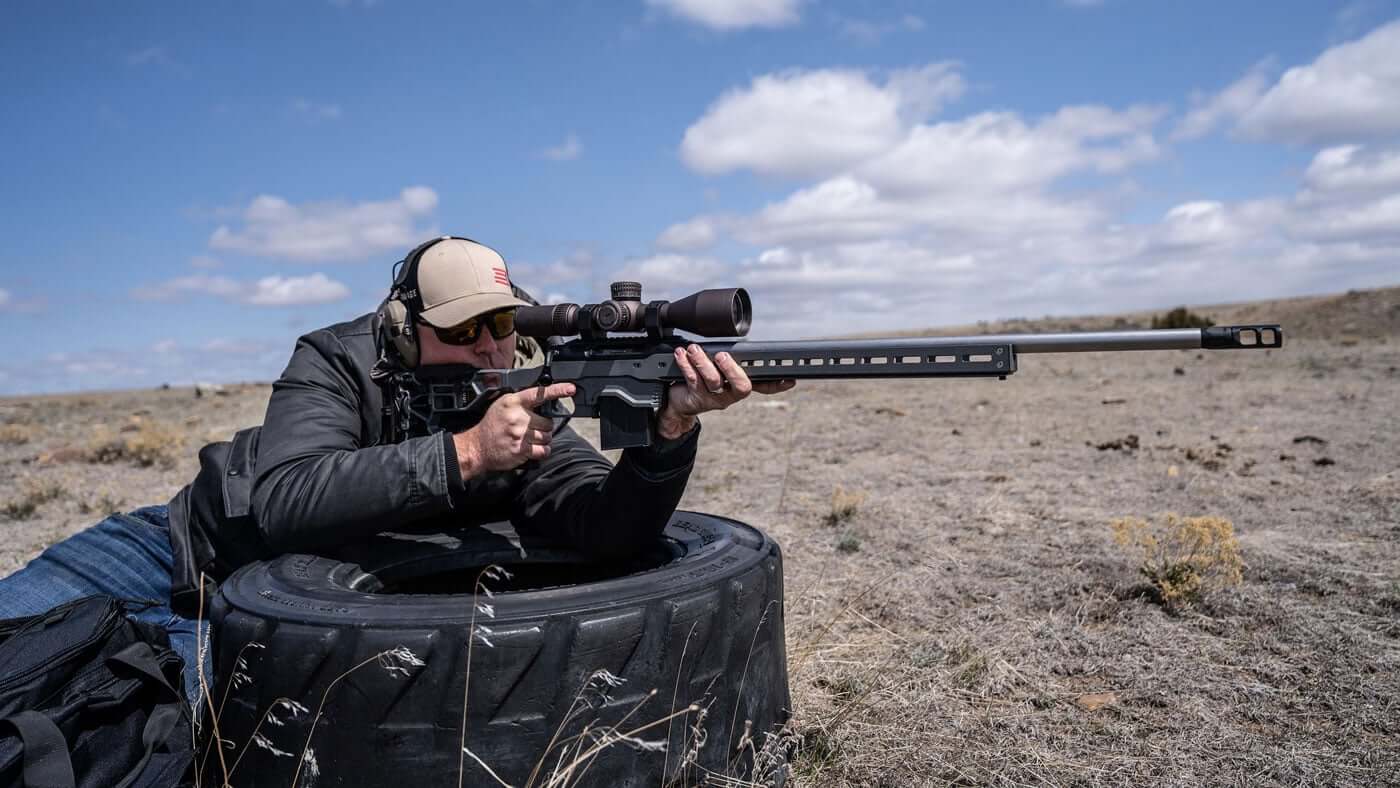
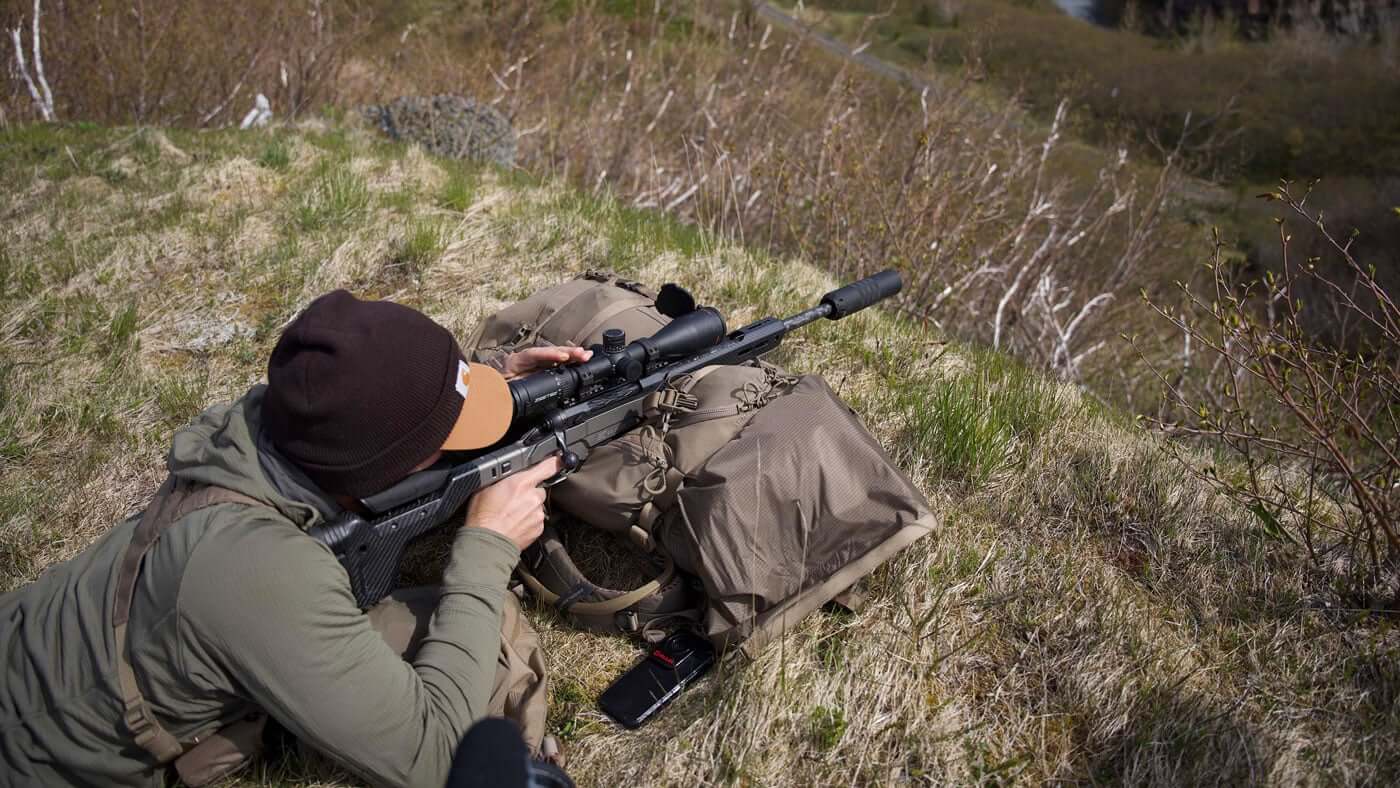
Shooting prone is often associated with long range shooting, and for good reason. It involves lying flat and utilize the ground for support while shooting. The prone position also helps you stay less visible while hunting, and you can use a variety of different objects as supporting rests while shooting prone like backpacks, rocks, or logs.
Supported
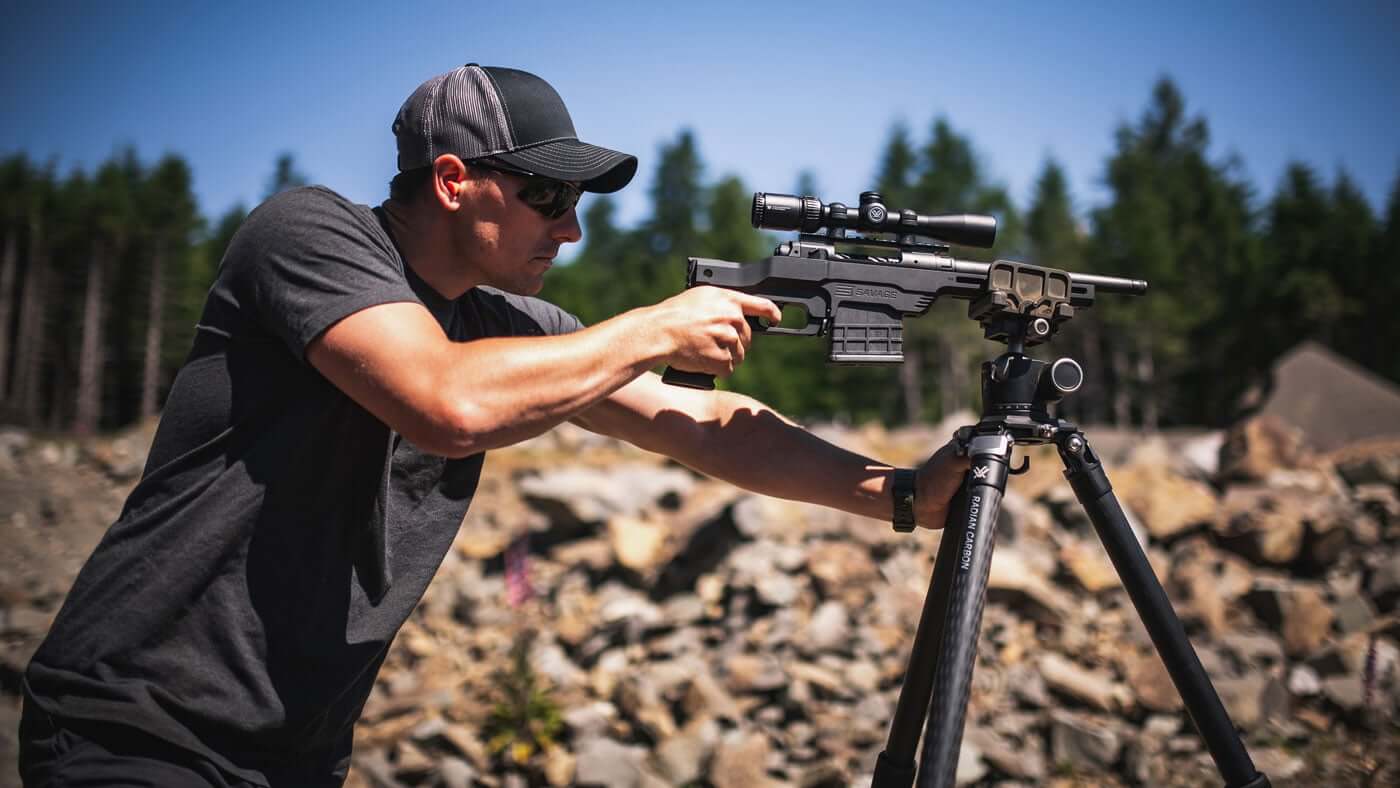
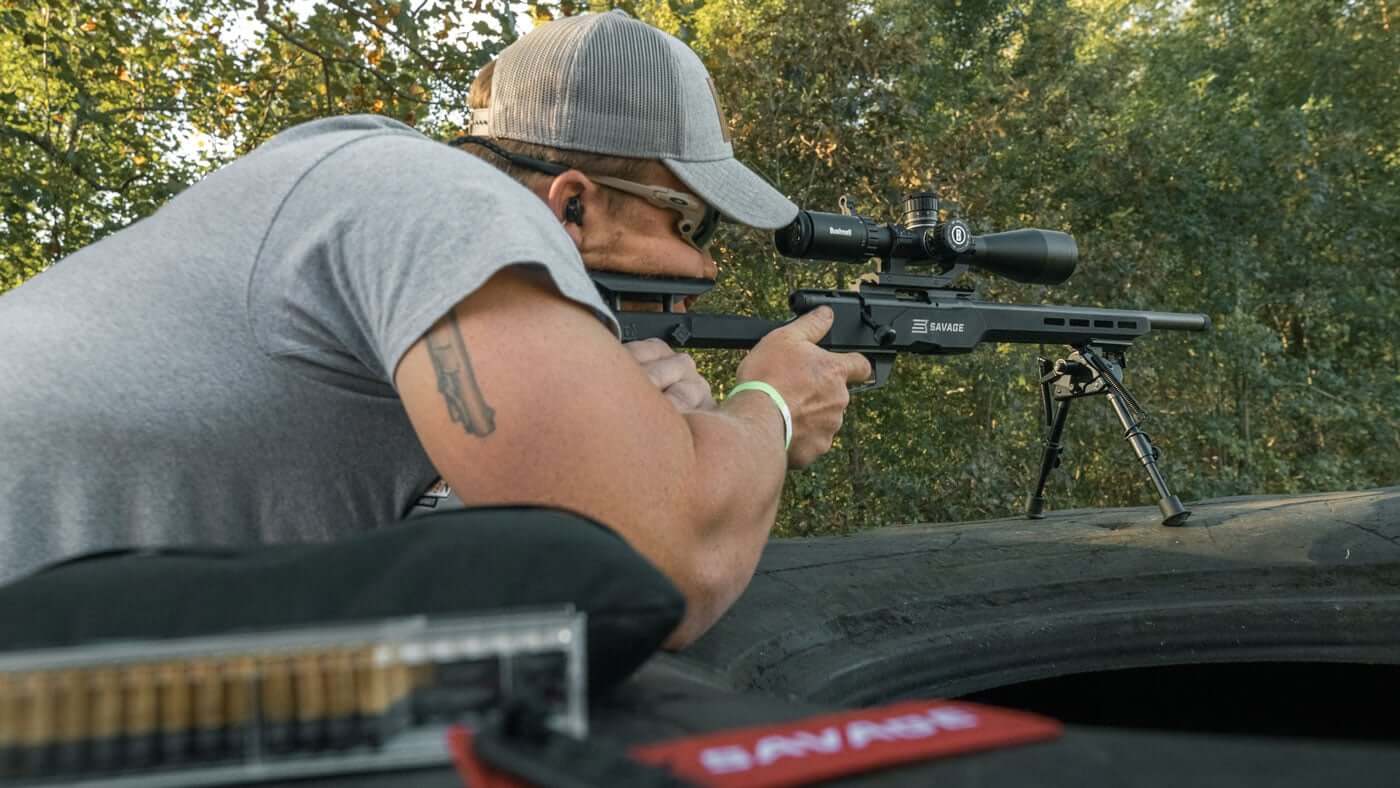
Supported shooting is something that can be done in any of the above shooting stances, but involves more stability that is aided by a rest. This can be a shooting bag or rest on a bench, a bipod or tripod, or some sort of barricade. Having some level of support while shooting is always preferred. It helps you steady your firearm, increasing your accuracy potential for more effective shots. Whenever you’re setting up for a shot, always be mindful of some way that you can support your firearm.
Hunting vs. Competitive Shooting Practice
Practicing in a different shooting stance will vary for each shooter. Are you mainly shooting to practice for hunting, or are you training for competitions? Are you hunting western big game, shooting from a box blind, doing precision long range shooting, or maybe shooting a 3 gun match? Each situation calls for different shooting stances to practice.
Common hunting positions
Prone, kneeling, and sitting will be your most used shooting stances while hunting. Shooting while standing is generally only done on driven hunts with rifles and slug guns, or when wingshooting. When you’re hunting, you want to make sure you have a stable rest to maximize the chance of a clean, ethical kill shot. Utilize a bipod or tripod, your knee, or shoot off your hunting backpack if needed. However you plan to stabilize your rifle in the field, you should also practice that way on the range to become familiar with that way of shooting and practice your technique.
Competition shooting stances
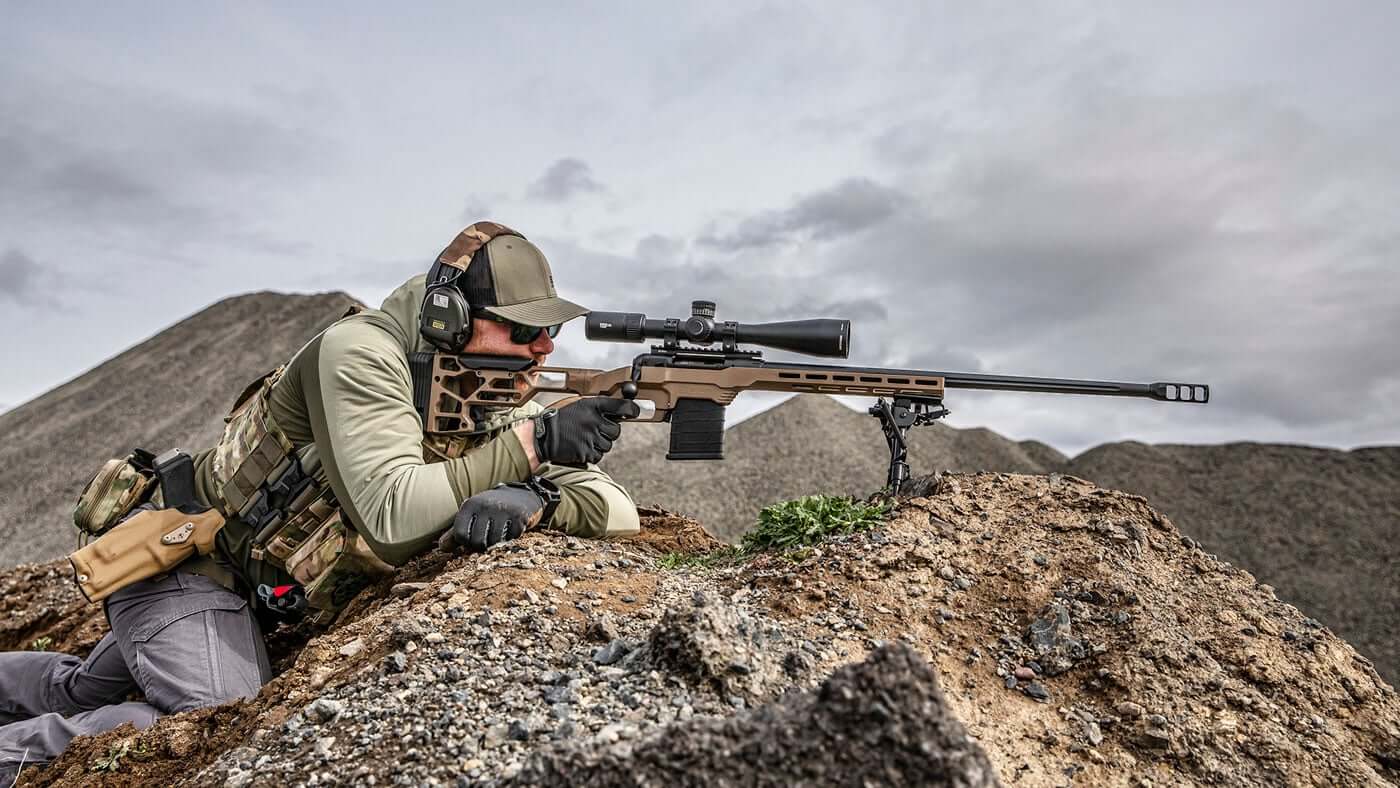
If you’re training for competition shooting, you’ll want to practice almost every shooting stance that we’ve mentioned here. Competitive shoots feature a wide variety of different stages, which often demand shooting from different positions. Standing, kneeling, and shooting off barricades are all commonly seen throughout 3-gun competitions. If you’re doing more long-range precision shooting, most of your practice should be spend shooting prone off a rest or bipod.
General Shooting Tips
No matter what shooting stance you use or practice in, it’s all for not if you don’t have a solid understanding of some general shooting tips. To maximize your training and potential accuracy, here are some good shooting tips to keep in mind no matter what shooting stance you’re working on.
- Maintain breath control: Proper breath control is essential for shooting accurately from any shooting stance. Proper breathing involves timing your shot when your body is at its most still position in between breaths. Inhale, exhale halfway, pause, squeeze the trigger, and finish your exhale.
- Focus on trigger discipline: No matter how often you practice different shooting positions, a good trigger pull is needed to build consistent accuracy. Focuse on squeezing the center of your trigger with the pad of your index finger. Don’t focus on anticipating the shot or recoil, which will likely cause you to flinch. Instead, use your AccuTrigger blade as a take up, pause, and squeeze the trigger until you get a crisp, clean break.
- Build a solid base: Whether standing, kneeling, sitting, or prone, you need a solid foundation to keep your shots on target. If standing, keep your feet spread shoulder width apart. Face the target, and bend forward slightly to absorb recoil. When kneeling, make solid contact with the ground and your knee to build a good base. Don’t be afraid to support yourself against and object, or with a shooting aid like a tripod or bipod.
- Focus on repetition: Practice makes perfect, especially on the range. Get out for training sessions regularly and focus on the skills you need to improve to get better. Practice shooting drills to help with marksmanship under pressure and stretch your limits so you know where you can be effective in the field.
Improving yourself as a hunter or target shooter doesn’t just happen by shooting the same way all of the time. Training in a different shooting stance can help you understand your firearm better, learn how to shoot under pressure, teach you new shooting skills, and builds muscle memory for when you’re in the field or on a competition stage. Next time you hit the range, mix up your stance and try something new. You’ll put yourself on the path to improving your skills in no time.