- Savage Blog
- Tips for Identifying Duck Species in Flight
Tips for Identifying Duck Species in Flight

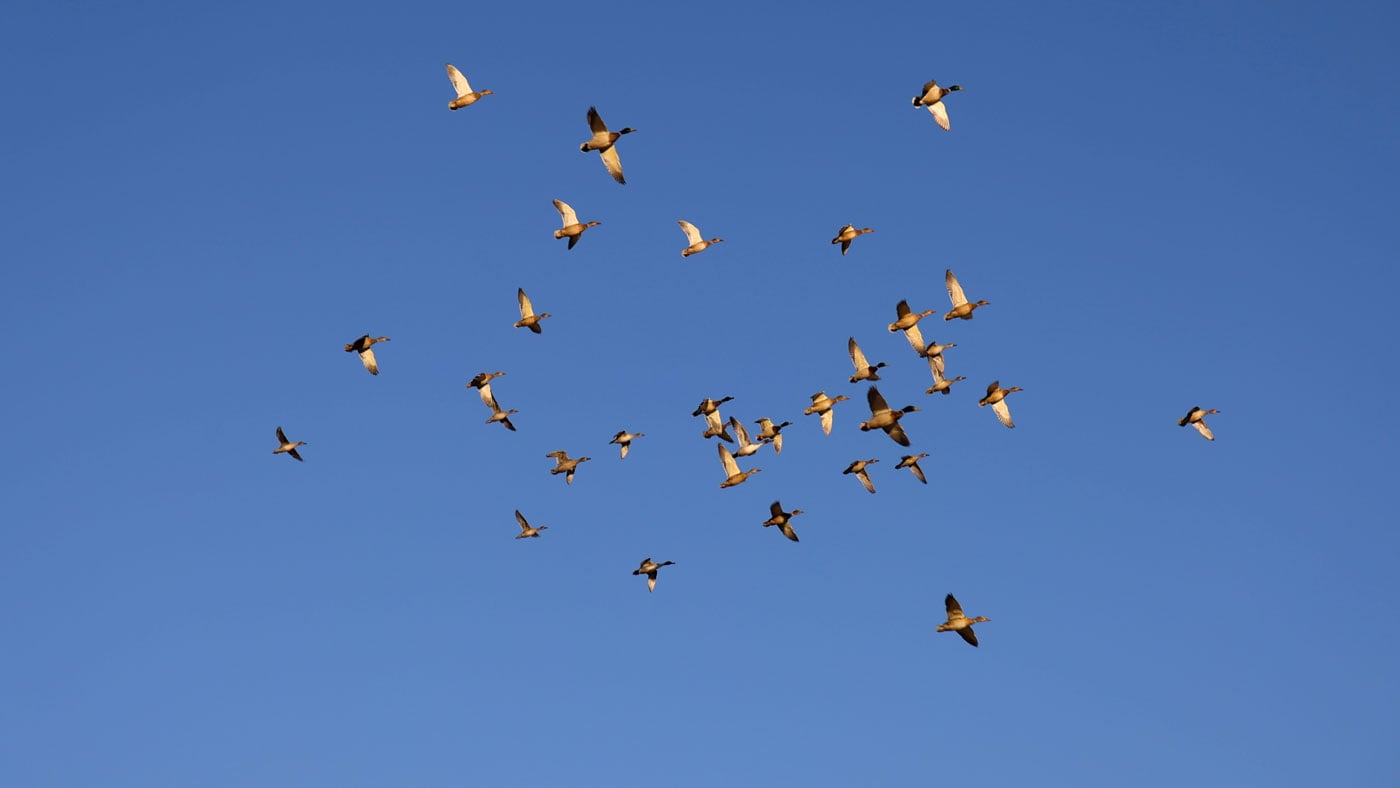
Waterfowl hunters will tell you that identifying duck species on the wing is one of the most difficult parts of waterfowl hunting. Fast moving birds, poor lighting or weather, and tight regulations can make identifying ducks difficult, and make new hunters second guess their decision to pull the trigger.
In this guide we’ll review some tips on helping you identify ducks while they’re in flight! With time, and a few helpful resources, you’ll be well on your way to waterfowl hunting like a pro and filling your limits with a variety of different ducks!
The Difficulties of Duck ID
Identifying duck species can be difficult! It’s a high barrier to entry for many duck hunters who are just starting out, especially those without a mentor. Luckily, learning how to identify ducks just takes a bit of practice. However, there are a few different reasons why ducks can be difficult to identify on the wing.
Fast flying ducks
If you’ve never hunted ducks before, you’ll learn quickly that many are fast flyers. It can be difficult to determine which duck species you’re looking at before shooting when all you see is a quick blur flying by your spread. Ducks that decoy into your spread and slow down to land can be easier to identify, but shooting at a passing duck takes skills and fast deduction to properly identify them.
Low light conditions
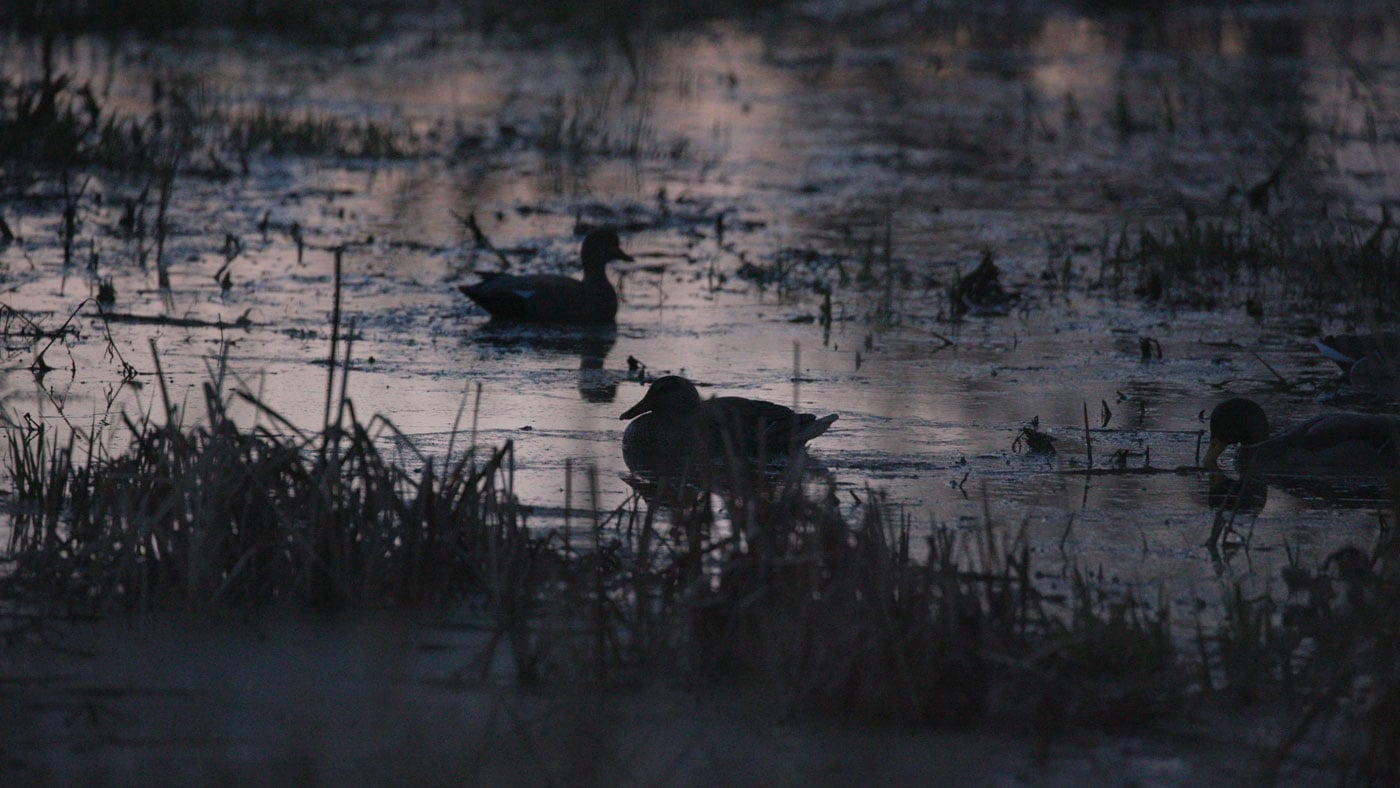
Like many other game animals, ducks are often active at dawn and dusk. These low light conditions can make it difficult to decipher what ducks are coming into your spread. If you’re hunting early or late in the day, it’s a great idea to get familiar with characteristics like the wingbeats and calling sounds of each duck species and learning their body characteristics to help identify them by their silhouette.
Regulations
Due to their migratory status, ducks are regulated by both state wildlife agencies and federal regulations under the US Fish and Wildlife Service. These agencies work together to set bag limits each season that cover both the duck species and sex of the ducks that may be taken. This regulatory framework can be a barrier to entry for inexperienced or new waterfowl hunters who may be nervous about shooting the wrong duck and running afoul of the law. Although with time and practice, learning how to identify ducks can quickly ease those fears.
Similar looking species
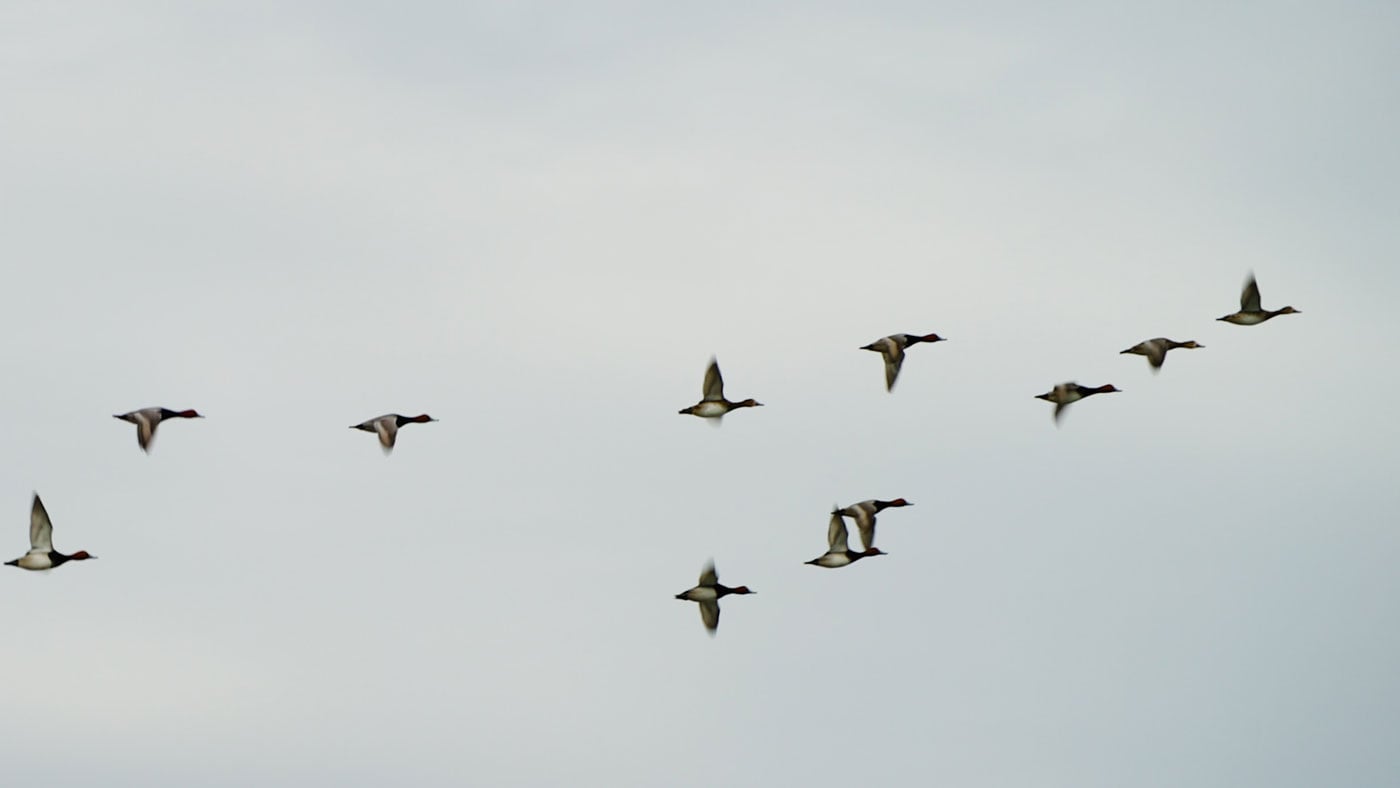
Sometimes, ducks just look a lot alike! At certain times of the year, male and female ducks of the same species may look almost identical. This often occurs when male ducks are molting their feathers, causing a temporary color change. An excellent example is a drake (male) mallard, which looks nearly identical to a hen (female) mallard when it is molting. Some species may also look similar at first glance, such as Canvasbacks and Red Head ducks.
Practicing and Learning Your Duck ID
Like anything else, learning how to identify duck species takes time and practice. There are several different resources that you can use to help you learn how to ID ducks faster and to be more confident in the field.
- State wildlife agency guides: Most state fish and wildlife agencies will publish hunting guides ahead of the start of hunting seasons. You can often find waterfowl hunting rules and regulations in the small game or waterfowl guide, and these guides will also often include a visual guide of the most common duck species you’ll find flying through the state. You can find these guides online at your state agency’s website, or at local sporting goods retailers and agency offices.
- Birding guides: Waterfowl hunters aren’t the only folks interested in duck identification! Birding guidebooks or online birding guides will often feature different duck species and can be great resources to consult if you have some available near you. If you know a bird watcher, see if they have any materials you can use to identify different duck species. You can get a duck-specific comprehensive field guide from Delta Waterfowl that’s perfect for taking into the field to help you identify ducks!
- Online sources: If you need a quick, easily accessible reference, online sources can provide a wealth of information on identifying different ducks. Organizations like Ducks Unlimited, the National Audubon Society, the US Fish and Wildlife Service, and others have easy to find guides on how to identify different duck species in the field.
Don’t be afraid to go out and do a little bird watching as well! Taking time to sit and watch ducks, both in and out of hunting season, will help you key in on their behavior patterns and sharpen your duck ID skills.
Duck ID Tips
Reading a guidebook can be a great help, but sometimes you need a little extra help in learning how to identify different duck species. Let’s review a few tips to help you get up to speed fast on your duck ID!
Focus on features
The most reliable indicator of what duck species you’re looking at is its features. Most often, hunters will point to colors as the primary feature to look at. The color of a duck is useful in distinguishing many ducks apart, especially the more colorful male ducks. For example, drake mallards will have a dark green head, while drake canvasbacks will have a rustic brown colored head. Another way color can help is what duck hunters and biologists call “finding the white”. White is easy to pick out, even at a distance, and most ducks will have some level of white on them. If you can remember where the white on a particular duck is, it will help you more confidently identify them.
While color is important, it isn’t the only distinguishing feature you should rely on. Take our drake mallard example from earlier. While they have a distinctive green head, so do other duck species. Northern Shoveler and Common Merganser drake ducks also have green heads, but they have different body characteristics when compared to mallards. Mergansers are much longer and more slender than other ducks, and Northern Shovelers will have a large, shovel-like bill, hence their name. Memorize the distinctive features of different ducks that you can pick out quickly to help tell them apart. For example, Northern Pintails will have a long, sharp-looking tail feather. Teal species will often be much smaller than other ducks, and Canvasbacks are often larger than many other ducks. Use these unique size and physical characteristics as a helpful guide.
Sound
Different duck species will have distinct sounds that they make. While most people will think of ducks quacking, that is only a limited part of their vocabulary. Many ducks will make other sounds such as whistling and grunting in addition to, or instead of, quacks. You can listen and observe ducks out in the field to see what sounds they make, or you can use online resources like the Ducks Unlimited identification guide to listen to audio files and learn what each duck species sounds like.
Divers vs. Dabblers
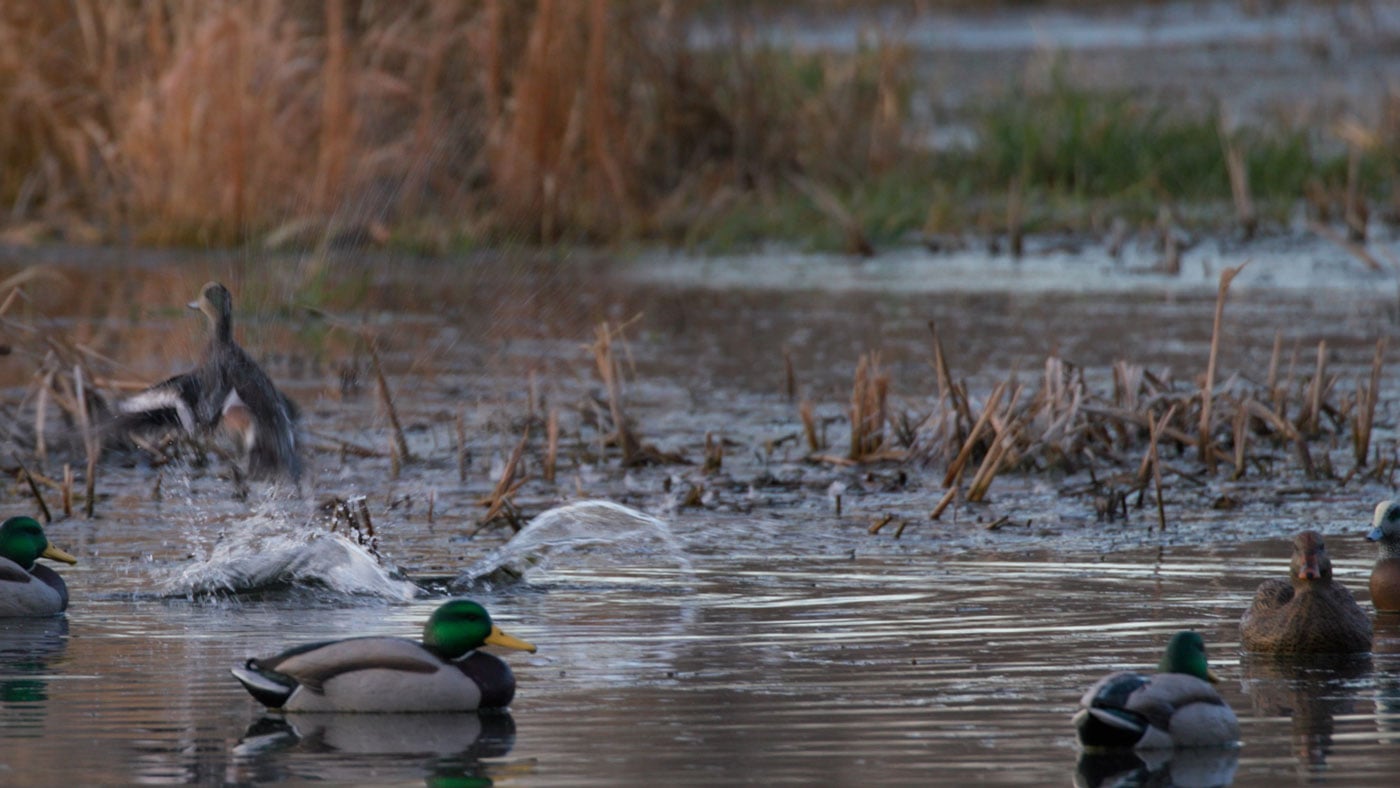
A quick way to narrow down the list of duck species you may encounter is to know the difference between diving ducks and dabbling (or puddle) ducks. There are a few key differences between these two types of ducks
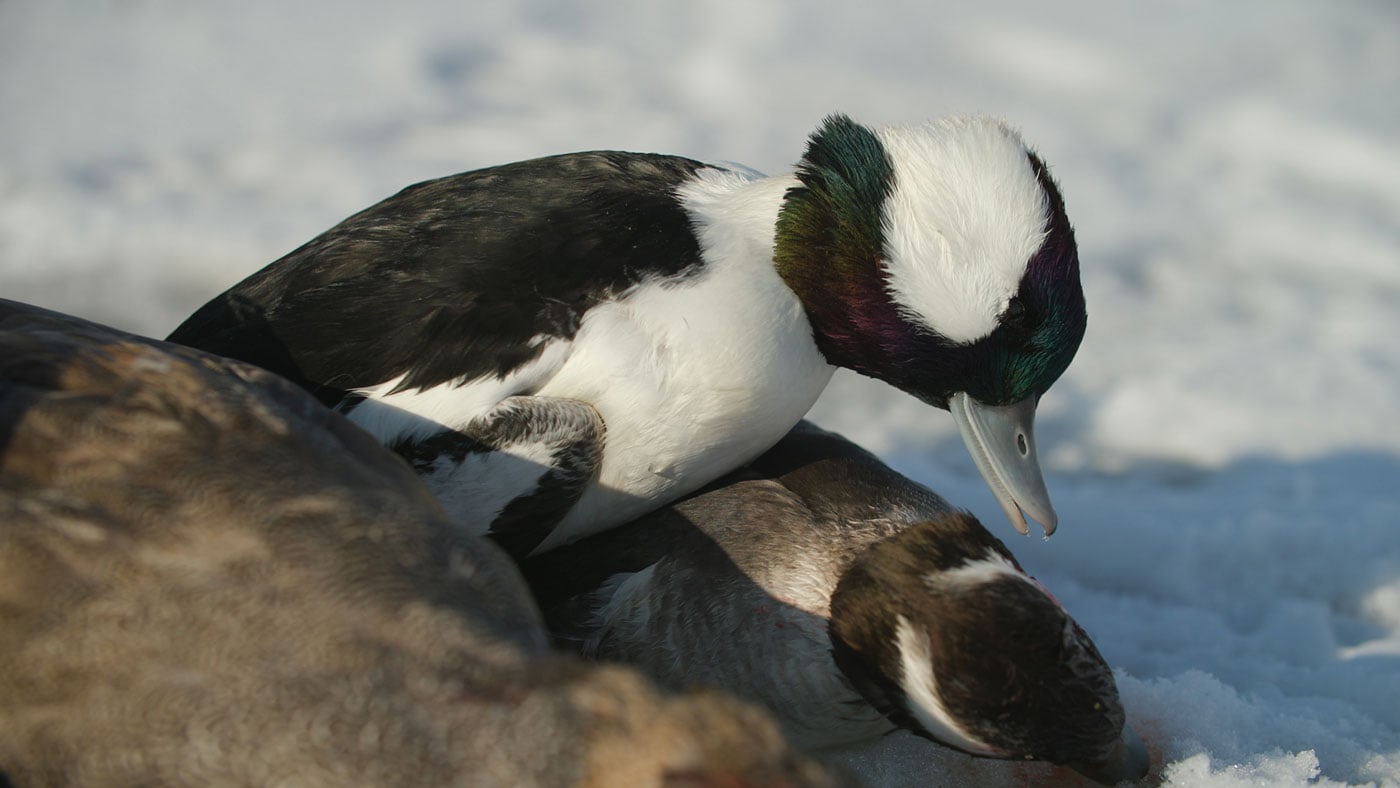
- Diving ducks will dive underwater when looking for food. They will also typically run on the water when taking off, and glide into the water and flare out their wings when landing.
- Dabbling ducks will dip their heads underwater to feed, or they will also feed on dry land in areas like harvested corn fields. Dabblers will land more vertically onto land or water, rather than glide, and will often jump out of the water to take off.
The other main difference between diver and dabbling ducks is the habitat that you will find them in. Diving ducks are typically found in deeper, open water where they can dive down in their feeding areas. You’ll typically find them on large lakes and other bodies of water. Dabbling ducks are typically found in shallow ponds, marshes, and other shallow wetlands, as well as on dry land. If you’re hunting a certain habitat type, like a shallow marsh, then you’ll know that you’re more likely to encounter dabbling ducks and you can focus on those species.
Making Duck ID Easier
While learning to identify different duck species is a learning process, there are a few ways that you can make it easier besides flipping through books and looking at online resources!
Hunting Opportunities
Take the time to get out in the field every chance you get! Even if you don’t feel confident enough to take your shotgun yet, getting out with other duck hunters you know and learning from them can be a valuable resource. Ask questions, observe ducks in flight, and see what experienced hunters look for when identifying a duck in flight.
Some states are also exploring regulation changes to help new duck hunters gain confidence in their duck identification skills. In Nebraska and South Dakota, the Two-Tier Experimental Harvest Program allows duck hunters to register between two different tiers. The first tier, Tier I, has the standard set of regulations waterfowl hunters are used to. The second tier, Tier II, has a reduced daily bag limit of 3 ducks, but removes the species and sex requirements from the bag limit. The program helps new hunters get out in the field and learn how to waterfowl hunt and ID ducks with greater confidence, while removing the fear of inadvertently breaking rules and getting cited for shooting the wrong duck.
Scouting
Like any other hunter, a good waterfowl hunter takes the time to scout and learn more about the ducks they’re hunting. Doing scouting before and after the season can help you learn the nuances and differences between the ducks that fly through your hunting spot. Take some time to sit out at your favorite spot and just observe and see what you can learn! There are also several apps available that help you identify bird species from their appearance or sounds, which can be perfect to use when you’re listening out on a scouting trip. 
Waterfowl hunting presents the unique challenge of identifying different duck species, but it doesn’t have to be intimidating! With a little practice, scouting, and using some helpful tools and resources, you can learn how to identify different ducks on the wing and make confident shots in the field. It’s never too early to start learning, so start practicing now and get your skill sharpened up for the waterfowl seasons ahead!