- Savage Blog
- Choosing the Right Hunting Rifle Scope for You
Choosing the Right Hunting Rifle Scope for You

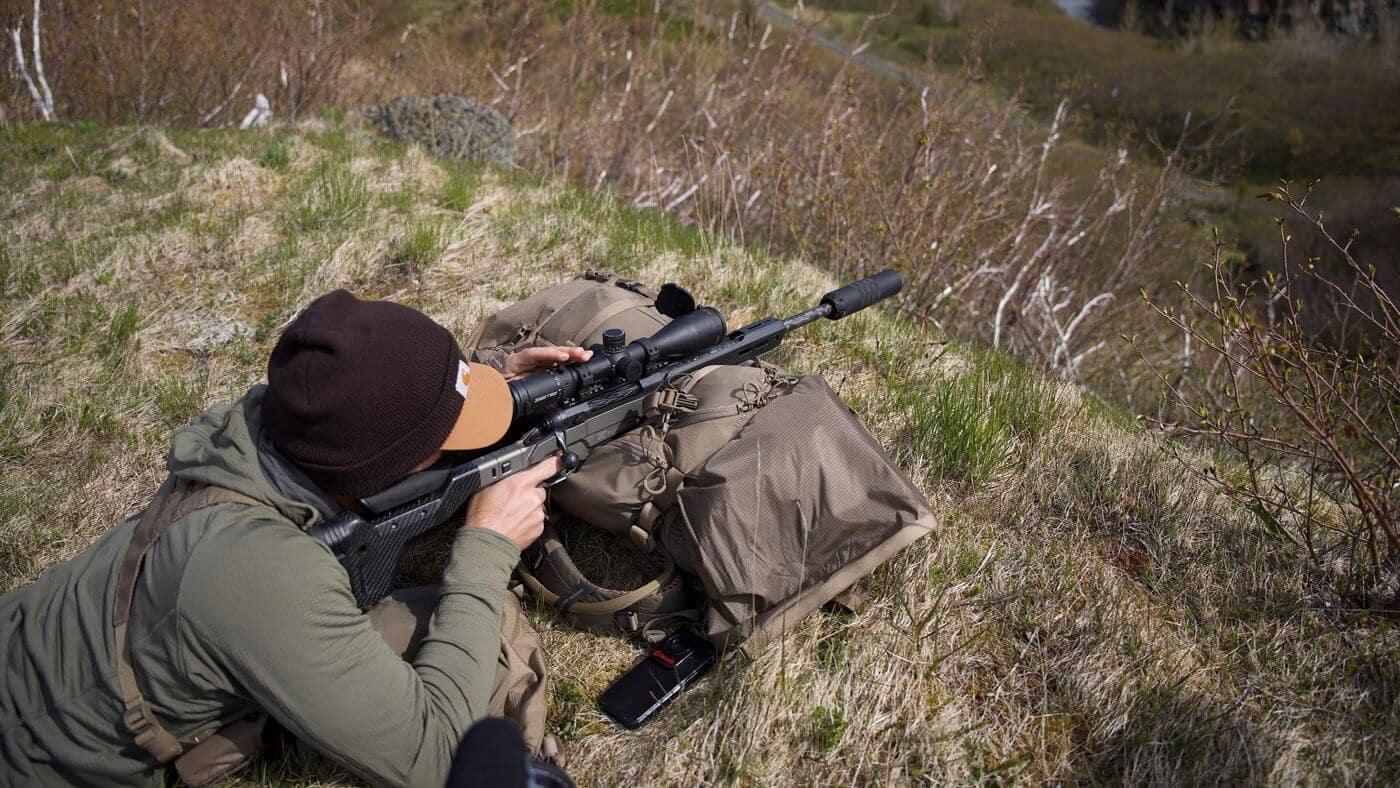
Selecting the right optic can feel overwhelming for new hunters. With so many magnification ranges, reticles, adjustment styles, and mounting options, it’s easy to feel lost before ever stepping into the field. The good news is that choosing a hunting rifle scope doesn’t have to be complicated. When matched correctly to your rifle, hunting environment, and style of hunting, the right scope can dramatically improve accuracy, confidence, and overall success.
Let's walk through what you need to consider when choosing your next hunting rifle scope. We’ll explain some basic terms you need to know, explain how different hunting styles affect scope choice, and which scopes will best fit your style of hunting.
Considerations for a Hunting Rifle Scope
Arguably, the biggest consideration for choosing the right hunting rifle scope is what kind of hunting you will be doing. What game are you pursuing? What distances do you expect to shoot at? What is the terrain like? All of these factors will have an impact.
What Are You Hunting?
The game you pursue has a major influence on choosing the right scope for your rifle.
- Whitetail deer and hogs typically require fast target acquisition at moderate distances, especially in the thicker woods of the southeast and northeast.
- Elk, mule deer, and antelope often require longer shots and precision aiming, leading to more hunters opting for scopes built for long distances.
- Predators or varmints may call for higher magnification and finer reticles to home in on smaller targets.
A good hunting rifle scope should allow you to easily aim and make shots based upon the size of the animal and the distance that you’re expecting to shoot at.
Where Are You Hunting?
Terrain plays a huge role in scope selection. Adapting your scope and style of hunting to the terrain you are in is key to having success in the field.
- Dense woods or brush favor lower magnification and wide fields of view. In these conditions, low power variable optics (LPVOs) can perform very well.
- Open plains, mountains, or agricultural fields often benefit from higher magnification optics, like those you may find on a precision shooting rifle.
- Low-light environments, such as thick timber or dusk and dawn hunts, demand quality glass that gathers plenty of light from the environment.
Understanding your environment helps prevent choosing a scope that’s either too powerful for what you need, or not powerful enough.

What's Your Style of Hunting?
Different hunting styles place different demands on a hunting rifle scope. You may be hunting in the mountains, but if you’re determined to spot and stalk an elk within a couple hundred yards, then your scope of choice will be very different than someone settling in for a 600-yard shot across a ravine.
- Spot-and-stalk hunters often need variable magnification and lightweight optics as they cover large distances to close in on their game. Shots can range from anywhere to 100 to several hundred yards.
- Stand or blind hunters may prioritize simplicity and low-light performance, especially if shooting with known distances and designated shooting lanes.
- Still hunting or driven hunts benefit from fast target acquisition and forgiving eye relief. In these types of hunts, LPVOs and low power scout scopes will shine.
Your hunting style should guide how complex, or simple, your optic needs to be.
Riflescope Properties Explained
Understanding hunting rifle scope features helps you avoid paying for features you don’t need or missing out on the ones that will help make your hunt easier.
Magnification
Magnification describes how close the target appears through the scope.
Low magnification (1–4x or 2–7x)
- Ideal for close-range hunting, such as driven hunts or spot and stalk hunts in large tracts of timber.
- Lower magnification provides a wider eye box, and faster target acquisition.
- Wider field of view helps you see more of your environment and stay on target easier at closer distances.
Mid-range magnification (3–9x or 4–12x)
- Versatile and popular for most hunting applications ranging from whitetail deer to elk and mule deer.
- Suitable for shots from 50–500 yards, making them the preferred choice for those who hunt a variety of different terrains like wide open ag fields near sections of timber.
- For most new hunters, a variable-power hunting rifle scope in the mid-range is the most forgiving and versatile choice.
High magnification (5–25x and above)
- Best for long-range hunting in the wide-open plains and mountains.
- Allows precise shot placement and zeroing in on smaller targets.
- Narrower field of view makes these scopes poor choices for shots within a couple hundred yards.
- Ideal for hunters taking longer range shots who are making corrections in their scope reticle.
Video courtesy of IHEA-USA
Turrets and Adjustments
Turrets control elevation and windage adjustments. Depending on the application, you may opt for capped or exposed turrets.
Capped turrets
- Protected from accidental movement but require a cap to be removed before you can adjust them.
- Excellent for traditional hunting where you are sticking to shots within a certain range that you have your rifle zeroed for.
- New hunters often benefit from capped turrets that reduce complexity and prevent accidental changes.
Exposed turrets
- Designed for dialing precise adjustments on the fly when facing the possibility of a wide range of shooting distances.
- Useful for long-range hunters who may need to adjust their reticle based on distance and wind conditions.
- Locking turrets can provide an extra bit of security to prevent accidental changes to your zero.
Zero Stop
A zero stop allows the turret to return precisely to your zeroed distance after making adjustments.
- Extremely useful for long-range shooting and backcountry hunting.
- Prevents getting “lost” in adjustments and losing track of where your zero is.
- Less critical for close-range hunters or those who don’t plan to make scope adjustments.
- Typically found on higher magnification scopes.
While not essential for every hunting rifle scope, zero stops are valuable for hunters who dial elevation changes regularly.

Parallax Adjustment
Parallax adjustment helps eliminate aiming errors at longer distances by ensuring your target and reticle are on the same focal plane within the scope. This keeps the reticle from drifting in case your head moves.
- Often found on higher-magnification scopes
- Useful for longer shots beyond 300 yards
- Less important for low-power hunting optics
For beginner hunters staying inside a couple hundred yards, parallax adjustment can be helpful, but it’s not mandatory.
Glass Quality
Glass quality impacts clarity, brightness, and low-light performance. Better glass means:
- Improved visibility and visual clarity at dawn and dusk
- Sharper target definition
- Reduced eye strain while looking through the scope
When choosing a hunting rifle scope, glass quality often matters more than extreme magnification. If there’s one aspect of a scope to focus on, getting the highest quality glass you can is up at the top of the list.
Reticles
Reticles are the aiming points inside the scope. The complexity of the reticle you need will often depend on many of the factors that we have previously discussed, such as shooting distance and the style of hunting you us.
Duplex reticles
- A simple post reticle that clear and easy to use.
- Easy for new hunters to use due to the low amount of “clutter” within the scope.
- The best fit for hunters who are shooting at a known distance and don’t plan on making any elevation or wind adjustments within their reticle.

BDC or holdover reticles
- Provide reference points for bullet drop on longer-range shots.
- Typically used by experienced hunters and those who are planning to shoot at longer distances.
- Allow for adjustments for your shot to be made within the reticle, helping to save time when a quick adjustment is needed.

Choosing the Right Scope for Your Needs
Matching your hunting rifle scope to how you hunt will help make acquiring your targets and taking your shot easier in the field.
Long-Range Hunts
Hunters targeting open country or western game often benefit from:
- Higher magnification ranges
- Quality glass for long-distance clarity
- Easily adjustable turrets with zero stop
- Reticles that can provide adjustment if needed
A hunting rifle scope for long-range use should prioritize precision and clarity to help you make more effective shots at a variety of distances.
Closer-Range Hunts
For wooded terrain or those who are stalking closer to the game they are pursuing, choose a scope that has:
- Lower magnification or fixed-power
- Wide field of view
- Simple reticles
- Lightweight construction
These scopes excel at fast target acquisition and intuitive use, especially when speed and simplicity are the name of the game. 
Choosing the right hunting rifle scope doesn’t require advanced knowledge or years of experience. By focusing on what you hunt, where you hunt, and how you hunt, you can narrow your options quickly and confidently. For new hunters, simplicity, reliability, and glass quality matter far more than extreme magnification or advanced features.
A well-matched scope builds confidence, improves accuracy, and helps ensure ethical shots in the field. Whether paired with a lightweight mountain rifle or a brush gun built for thick cover, the right hunting rifle scope becomes an extension of the hunter, and a trusted companion season after season.