- Savage Blog
- Finding Your Local Shooting Range
Finding Your Local Shooting Range

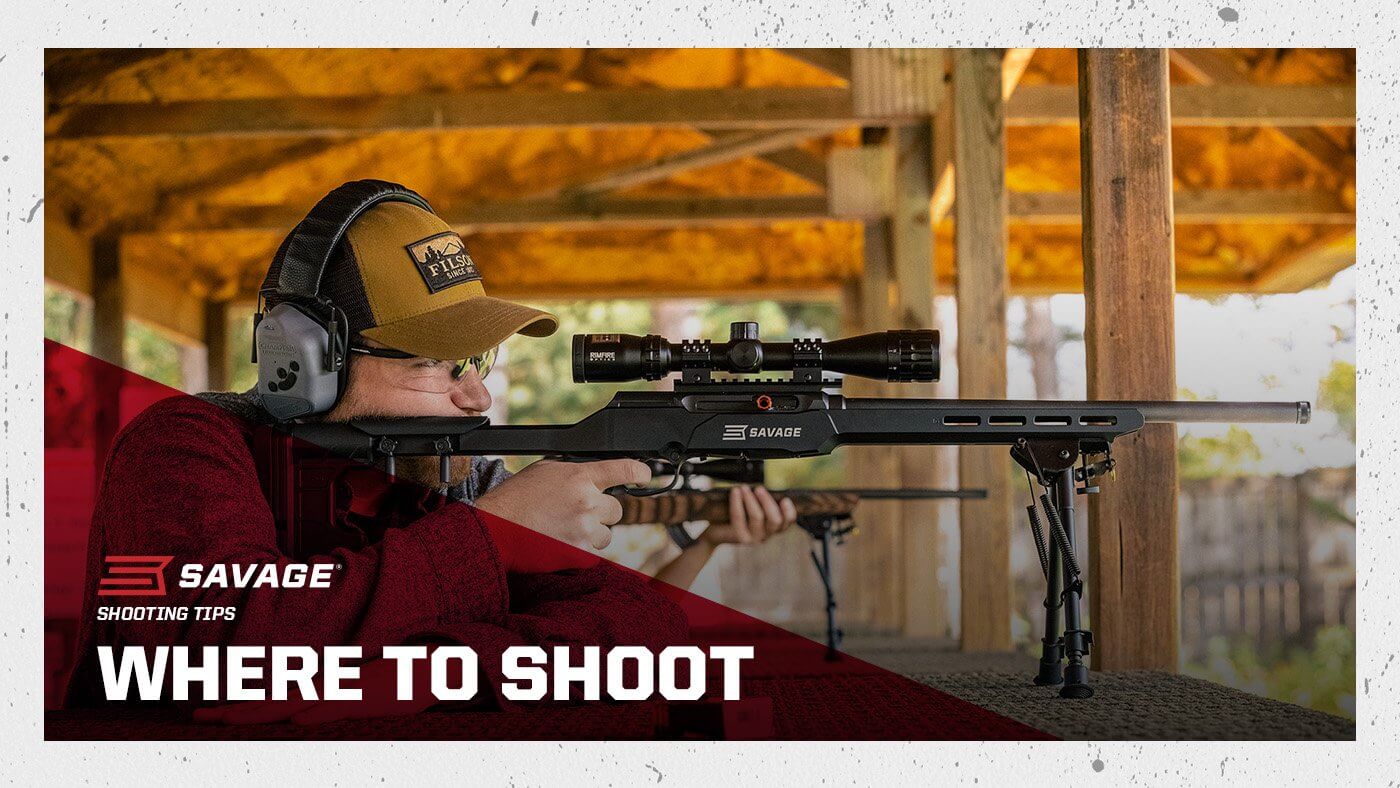
Getting started in target shooting can be a lot to take in. From picking your first firearm to finding the right ammunition, plus all of the accessories that are out there, you are bombarded by choices the moment you start your research. For many new shooters, another key aspect to consider is finding a local shooting range to go shoot and practice your skills. Not all ranges are created equal, and not all ranges are ideal for beginning shooters. Let’s review some of the most common types of ranges, where you can find more information about local shooting ranges, and some range etiquette to know before your first range trip.
Common Types of Ranges
The great part about target shooting is that, depending on your local area, you have options! Indoor and outdoor ranges are common, and can both be utilized for a variety of different types of shooting. Here are some thing to keep in mind when looking at a local indoor or outdoor shooting range.
Indoor Range
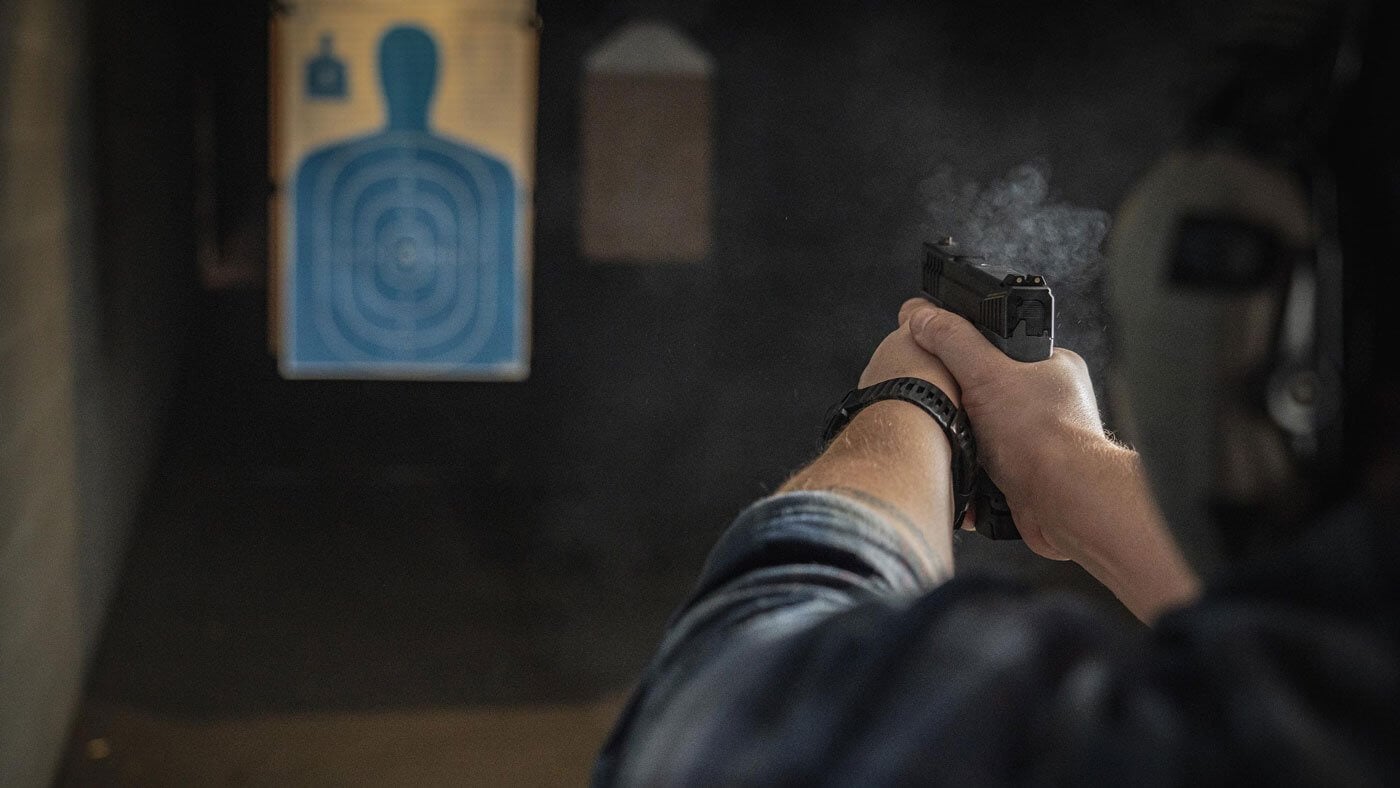
Indoor ranges come in a variety of different configurations. Some are attached to larger gun stores, some are standalone ranges owned by private businesses, and some are ran by state wildlife agencies to provide shooting opportunities to the public.
Pros
- Multiple uses: Many indoor ranges are built to handle a variety of rifles and handguns, so you can shoot anything from a smaller rimfire rifle all the way up to magnum centerfire cartridges. They’re a great environment for trying different firearms out.
- Climate control: Most indoor ranges are climate controlled, making them a comfortable place to shoot and protected by the outdoor elements. With an indoor range, you can shoot whenever you want rather than waiting for a good day of weather.
- Ease of use: Indoor ranges make your target shooting experience pretty easy! Targets are often hung on tracks that can be retracted and extended within a bay, so you can easily swap or check your targets whenever you need.
Cons
- Limited range: If you’re looking to try out long range shooting, an indoor range won't be the best place for you. Most indoor ranges have maximum shooting distances of anywhere from 25 to 50 yards, making them more ideal for closer range shooting practice.
- Limited lanes: At an indoor range, you’re usually restricted to one target in one lane. If you’re wanting to practice shooting at multiple targets, an indoor range won’t be your best option.
- Limited locations: Indoor ranges are often limited to larger urban areas or mid-sized cities where they have access to a larger base of potential target shooters. If you’re in a rural area, it is unlikely that you’ll have an indoor range close by and accessible.
Outdoor Range
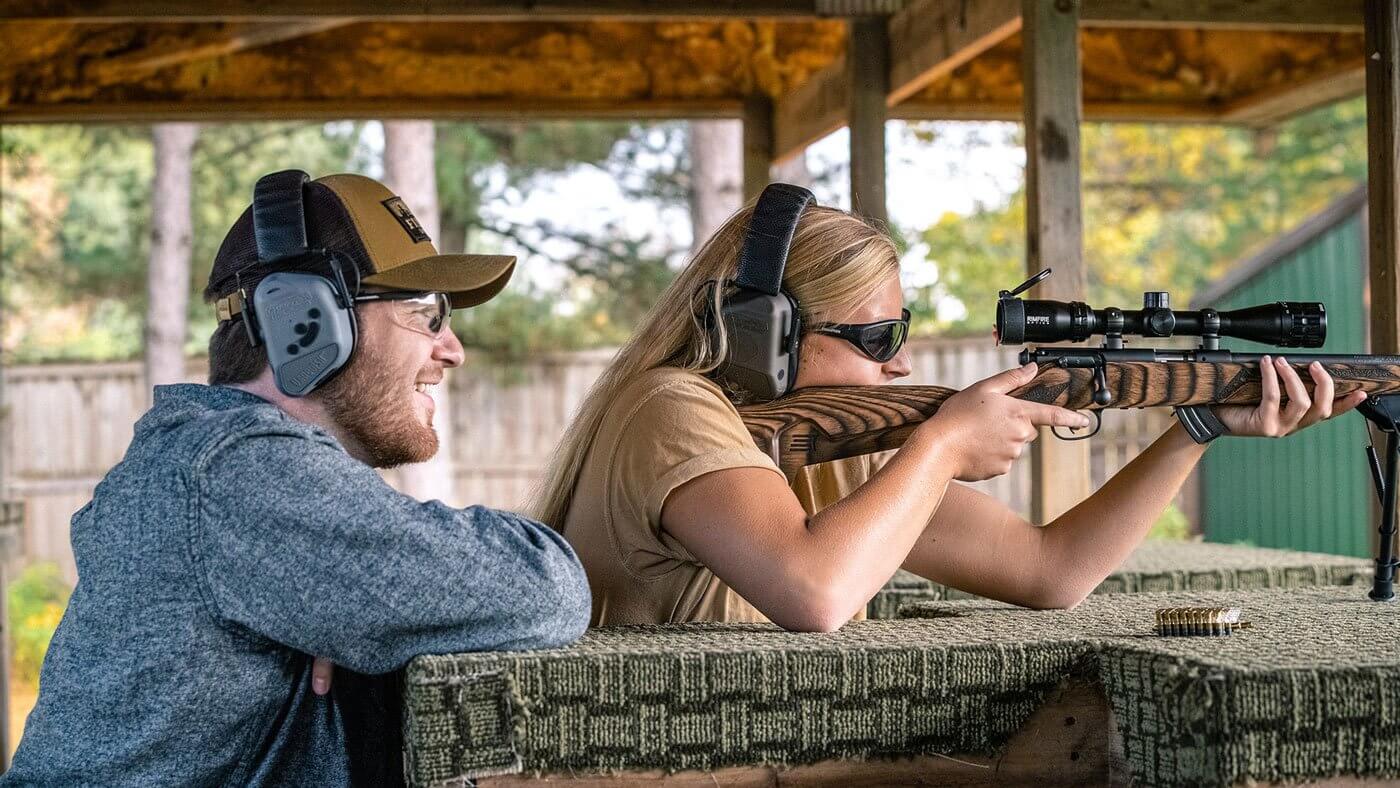
If you’re looking to expand the different kinds of shooting you can do, outdoor ranges can be a great option for you as well!
Pros
- More shooting options: Outdoor ranges offer a wider variety of shooting disciplines for you to try. Wingshooting, steel targets, and disciplines like cowboy action or 3-gun shooting are easier to try at an outdoor range.
- Longer ranges: Many outdoor ranges can stretch out to much farther shooting distances than indoor ranges, with 100 yards being a common standard. Some ranges go much farther, and are great facilities to try out long-range shooting whenever your skills are ready to be tested.
- Wider availability: Unlike indoor ranges, outdoor ranges have much wider availability. They can be found both near urban centers and out in rural areas, often managed by shooting clubs or state wildlife agencies. This wide availability makes an outdoor shooting range more convenient to access for many people.
Cons
- Weather dependent: Extreme heat, extreme cold, and storms can all impact shooting at outdoor ranges. Shooting at these facilities is much more dependent on conditions outside and can put a limit on times when you want to hit the range for some practice.
- Fewer resources: Outdoor ranges will generally have fewer available resources to support shooters. They are often unstaffed, don’t have rentals or ammunition available, and shooters will need to bring their own targets at some ranges if steel or other targets aren’t already hung on the range.
Best for Beginners
So, which shooting range is best for beginners? The answer will vary based upon what type of shooting you’re wanting to do, what equipment you have, and where you are located.
When to choose an indoor range
An indoor range is the best choice for beginners who are complete novices to firearms and need support from others learning some basic shooting and firearm handling skills. A few great reasons to choose an indoor range include:
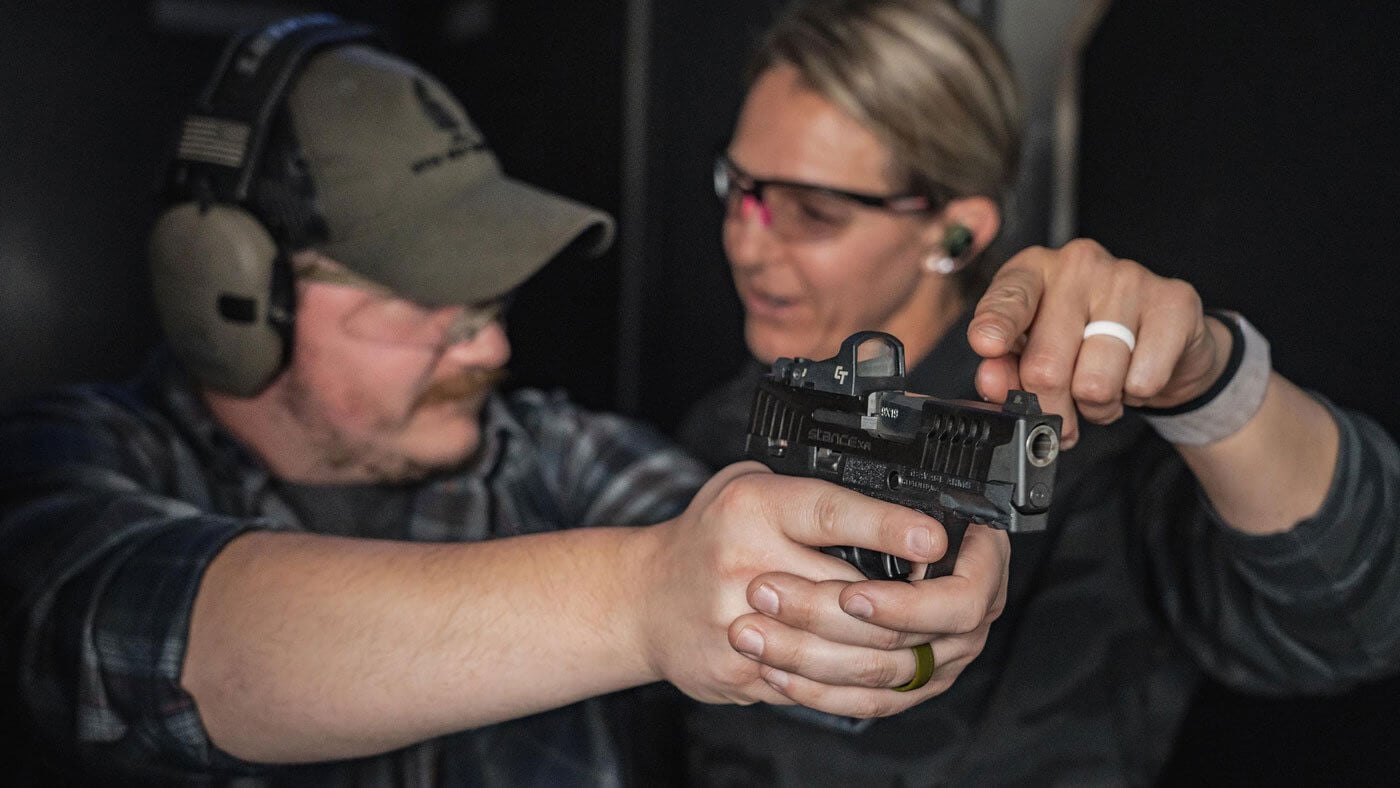
- Range staff and volunteers: Indoor ranges will be staffed by a range master and range safety officers. These can be paid staff by the range, or volunteers to dedicate their time to help teach others. Range staff help run the range and make sure the rules of firearm safety are being followed. If you have questions or need help with your firearm, they are a great resource to rely on.
- Classes and learning opportunities: Many indoor ranges will offer a variety of classes for you to learn how to shoot. These classes can include anything from basic beginner firearm safety, introduction classes, defensive shooting classes, and more. These are great opportunities for you to learn the basics of firearm safety, how to use them, and some basic marksmanship principles.
- Rental firearms: Most private ranges will offer rental firearms for you to try. If you haven’t bought a firearm yet and are looking for what best suits you, rental firearms give you the perfect opportunity to get a hands-on evaluation of how a firearm handles and whether it is a good fit for you or not.
When to choose an outdoor range
Outdoor ranges can offer a wider variety of shooting opportunities, but they may not be the best place for every shooter to start out. Here are some thoughts to keep in mind when choosing an outdoor shooting range.
- Look for staffed ranges: Some outdoor ranges, especially long range and clay shooting ranges, will be staffed. These may be ran either by local gun clubs or state wildlife agencies. You should also look for local outdoor ranges that offer education programming, often through state agencies to help new shooters learn basic skills.
- Clay shooting: If you want to practice your clay shooting, whether for competition or bird hunting, you’ll need to find your nearest clay shooting range. These ranges will often have a variety of different clay shooting stations, with skeet, trap, and sporting clays being the most common.
- Long-range shooting: If you’re not completely new to shooting but are ready to test your skills at longer ranges, then you’ll want to find an outdoor range that offers greater shooting distances. These ranges can be less common but are great for challenging your skills as a shooter and finding your limits.
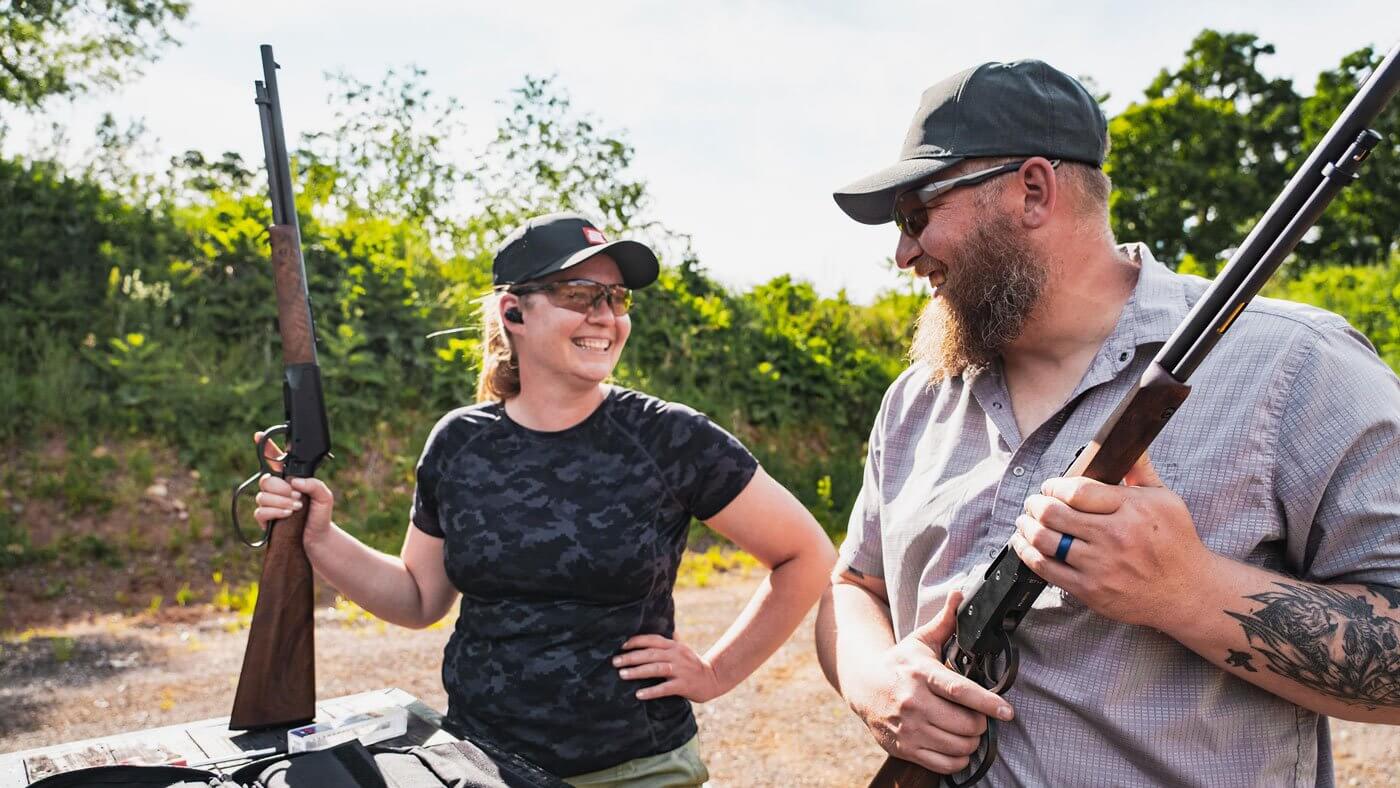
Resources for Finding a Range
When you’ve done your homework and decided you’re ready to learn how to shoot, your most important question may arise. Where am I going to shoot at? There are several resources for finding a local shooting range near you.
State wildlife agency ranges
Most state wildlife agencies build and maintain shooting ranges that are readily accessible to the public. Generally, these ranges will be in higher population areas near urban centers. However, many states also build ranges in rural areas, although they are more likely to be unstaffed. Most state wildlife agencies will have a map or list of ranges available on their website, so it’s a great resource to utilize to find a range near you.
Local gun shops
The best info often comes from those in your area. If you’re looking for a local range to shoot at, head down to your local gun shop and ask some of the staff there. They can often point you in the right direction and recommend specific ranges or gun clubs to visit based on the type of shooting you want to do and your skill level.
Where to Shoot app
If you want to find places to shoot nearby quickly and easily, the National Shooting Sports Foundation (NSSF) has developed the perfect solution. The Where to Shoot app shows you nearby ranges that you can filter by indoor, outdoor, shooting distance, or what type of shooting you want to do. You can search for the ranges nearest to you that fit your criteria and take a look at articles and videos with helpful tips and information for new shooters You can find the Where to Shoot app online at WhereToShoot.org or on the Apple app store or Google Play!
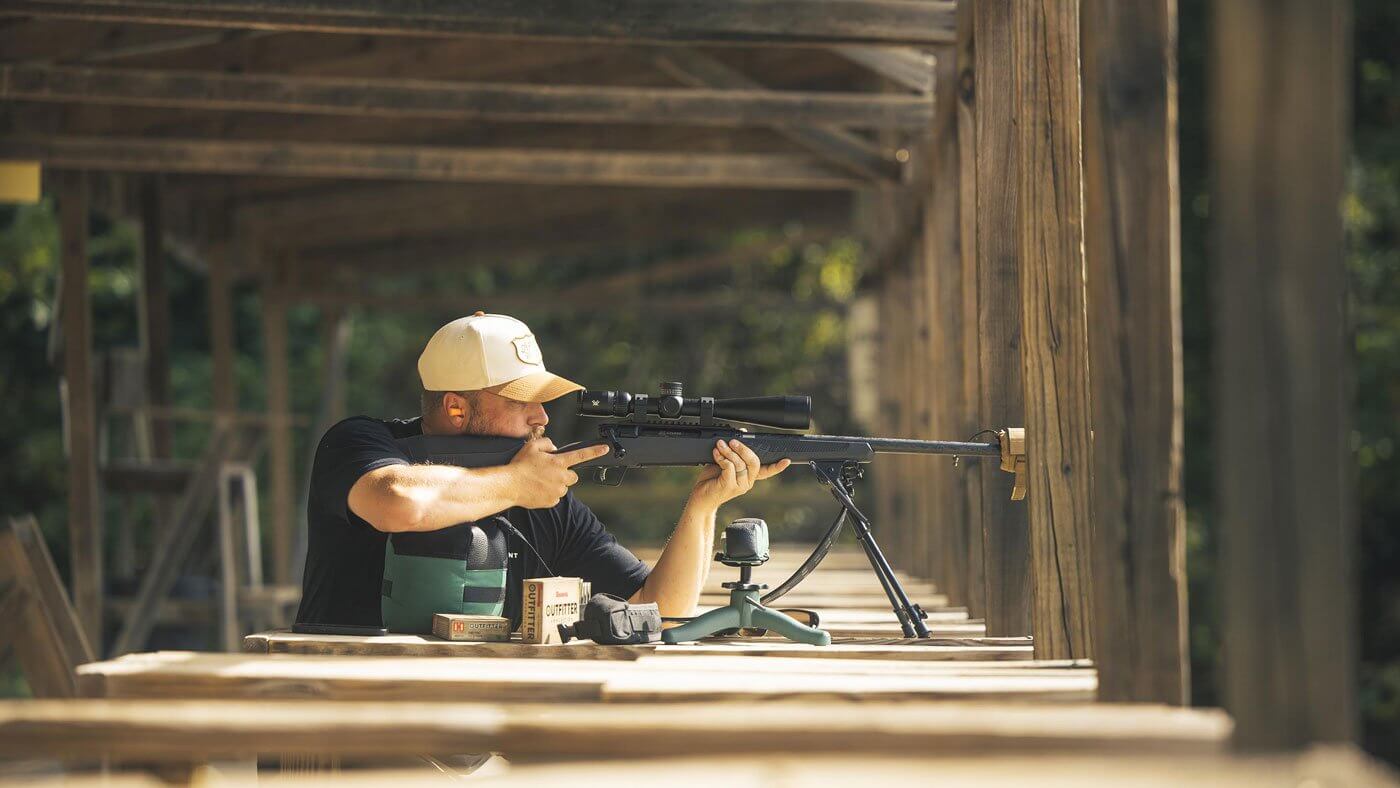
Range Etiquette for Your First Trip
Before hitting the shooting range for the first time, there are a few rules and pieces of etiquette you’ll want to know to help everything go smoothly.
- Make sure you bring eye and ear protection. You’ll want a basic pair of shooting glasses, plus some earplugs or earmuffs.
- Know the four rules of firearm safety and observe them at all times. Treat every firearm as if it is loaded, keep your finger off the trigger until ready to fire, know your target and what is beyond it, and always keep your muzzle pointed in a safe direction.
- Transport your firearm unloaded, in a soft or hard sided case. For hard sided cases, it’s also a good idea to place a piece of tape at the muzzle end so you don’t open the case with the muzzle facing others. Including an empty chamber indicator is also a good idea to show the firearm is safe when uncasing.
- Listen to the range safety officers present, pick up your brass, targets, and trash, and most importantly, have fun and focus on learning a new skill.
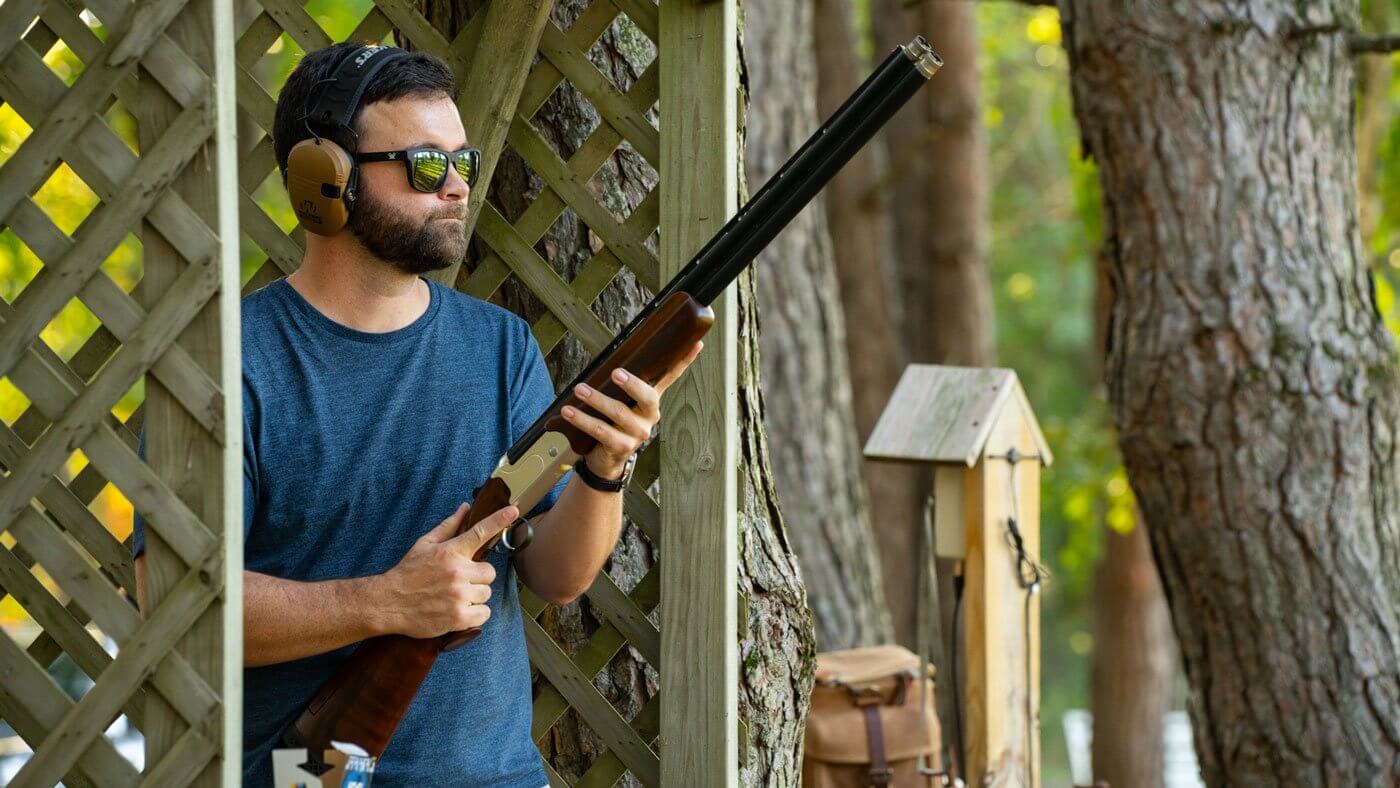
Finding a local shooting range doesn’t have to be a daunting process. All you need to know is what type of shooting you want to learn, take stock of your current skill level and the equipment you have, and figure out what ranges are closest to you. With the right range and some help from other shooters, you can be well on your way to learning how to shoot confidently and accurately.