- Savage Blog
- How to Turkey Hunt: Different Hunting Styles
How to Turkey Hunt: Different Hunting Styles

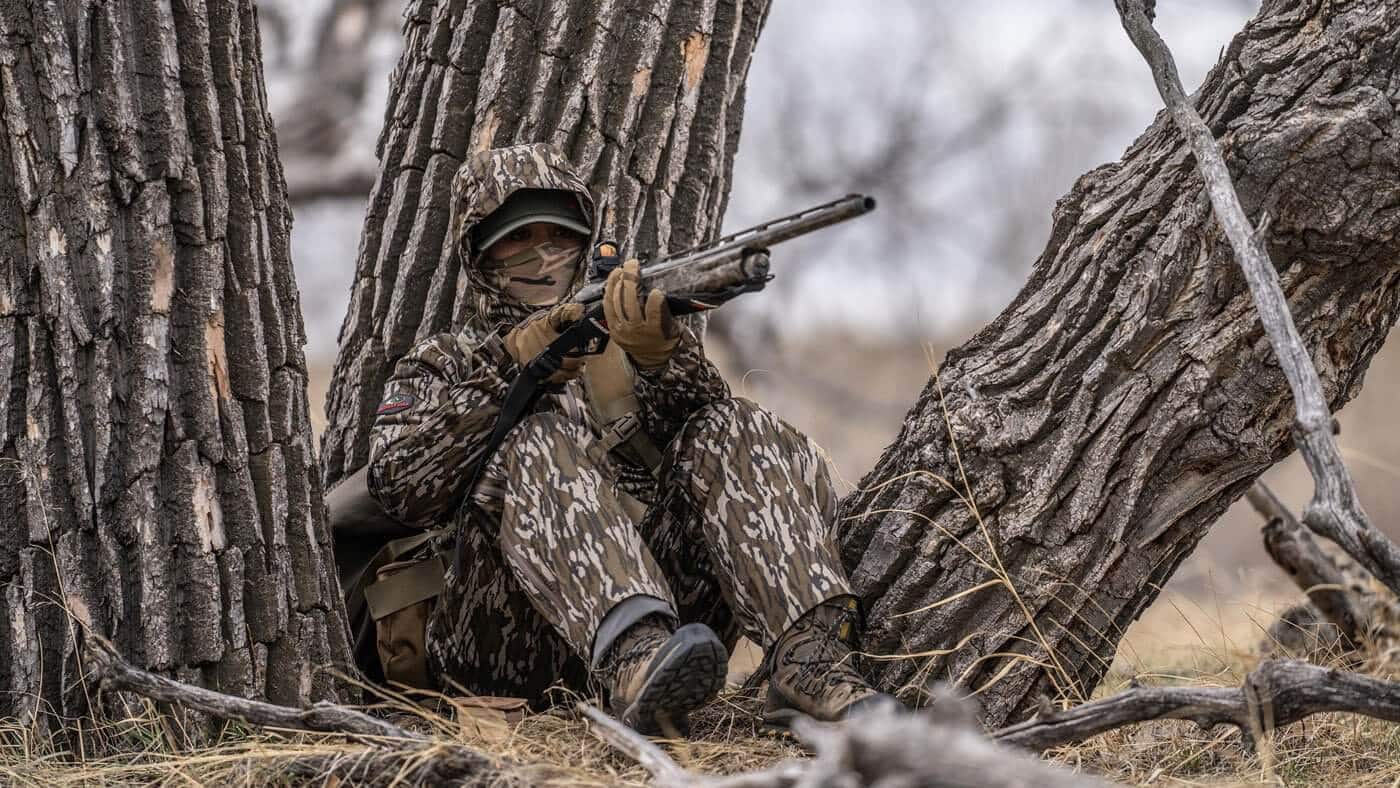
When you’re learning how to turkey hunt, don’t think you have to put yourself “in a box” and hunt a certain way. There are several different styles of turkey hunting, each of which cater to different situations, purposes, and experience levels. In this blog, we’re going to dive in to a few of the more popular styles of turkey hunting today. From ground blind sits to run and gun hunts, we’ll go over the advantages and disadvantages of these types of hunting and where each style may fit you best.
Ground Blinds: Cover and Concealment
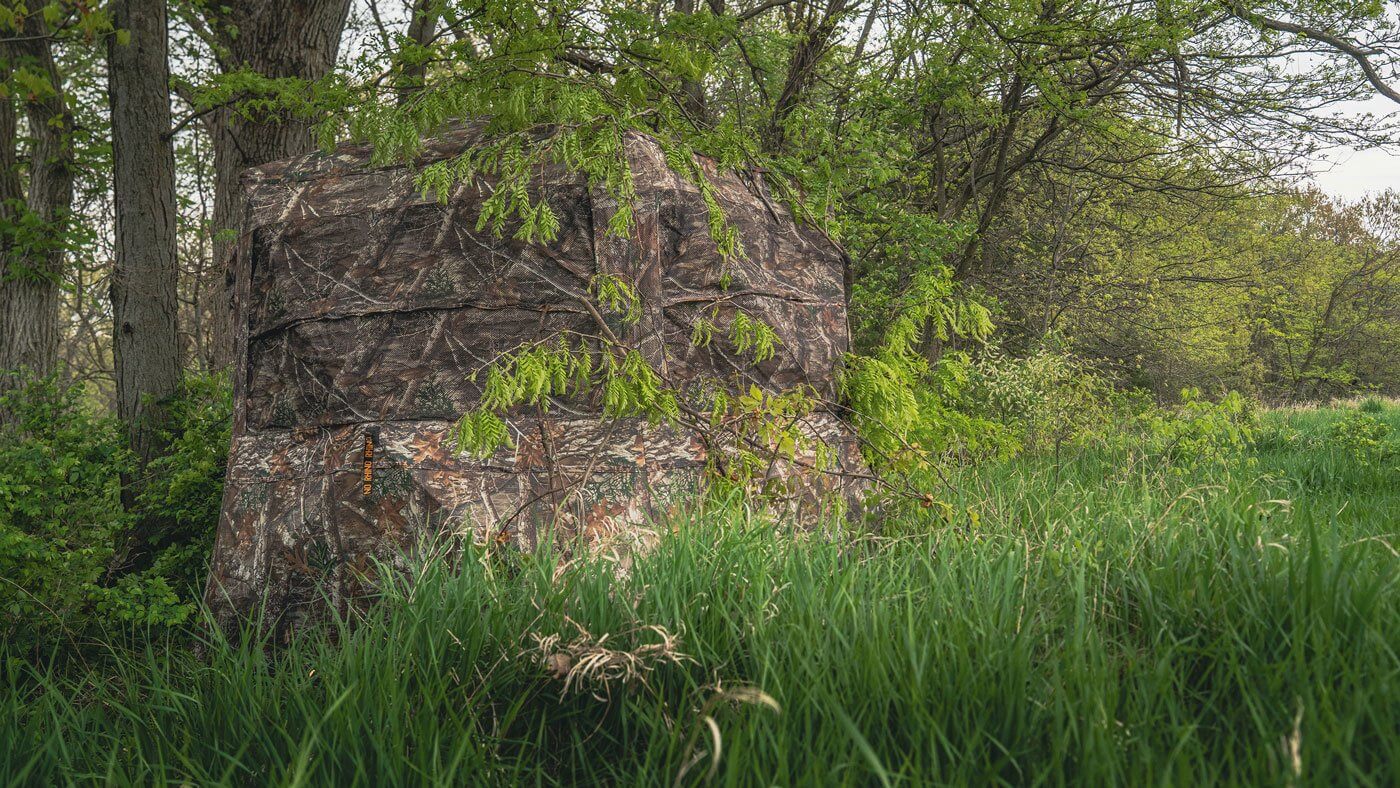
One of the first ways many hunters learn how to turkey hunt is out of a ground blind. They are popular with youth and beginner hunters for good reason, their effectiveness in concealing movement. Turkeys have keen eyesight, and one wrong move can cause you to get busted quickly. Ground blinds help reduce this risk by masking your movement, even at closer ranges, and gives you a greater margin for error while hunting.
Ground blinds can also be a more comfortable way to turkey hunt. You can sit in a chair, use a tripod to support your shotgun, or even throw in a heater for cold mornings early in the season. The drawback to hunting from a ground blind is being committed to hunting in one spot. This can make it hard to adapt your strategy and go after new birds if the action is slow. Here are a few more tips to keep in mind when it comes to hunting from a ground blind.
- Wear black on top. Camo can stand out if light shines through your blind window, but black will blend in with the wall of the blind behind you.
- Look for blinds with silent closures. Velcro or zipper mesh windows can make enough noise to bust a gobbler that’s coming in close.
- Don’t forget to stake your blind down and tie it off! If you can place a blind between trees or near a tree, tie off the blind to the tree after staking it down on all corners for added stability.
Ground Sits: Simple and Effective
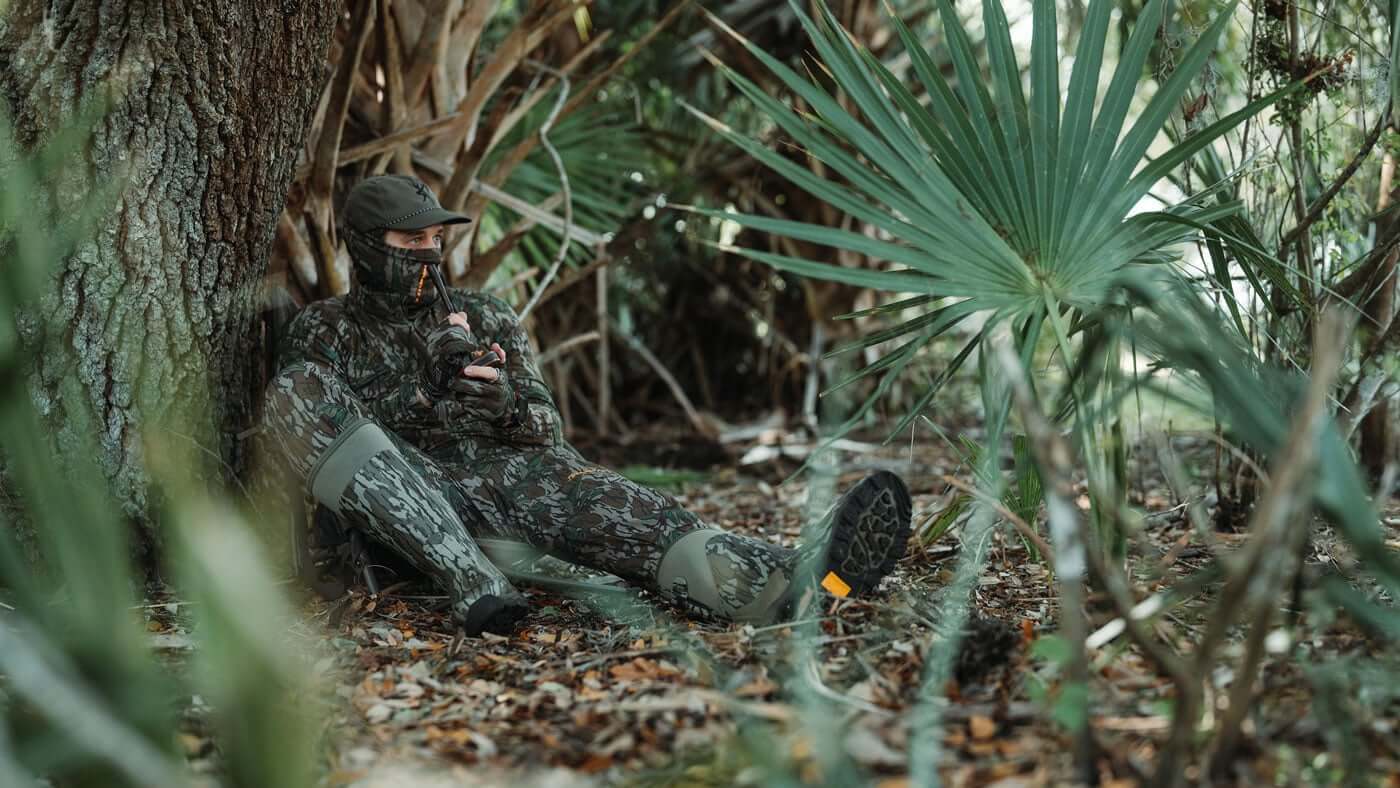
The ground sit is how many old school hunters learned how to turkey hunt, and it is still a popular tactic today. Ground sits are the simplest way to hunt but can also leave you the most exposed if you aren’t careful. An effective set up will take the lay of the land into account, and where a turkey may bust you from. Ground sits allow you more flexibility by giving you the option to move your set up and pursue other birds that you may hear rather than sitting in a blind all day.
Sitting on the ground can be as simple as walking into the woods with nothing but you and your turkey shotgun. However, there are some pieces of gear that can be incredibly helpful and make your sits more successful throughout the season.
- For more comfortable extended sits, consider bringing a lounge chair designed for turkey hunting. These chairs sit just off the ground, and provide more comfort than just sitting on the ground or on a pad.
- Camo netting or small panel blinds can help give you cover in more open areas. Try grabbing some dead leaves around you and putting them in your net to add an extra layer of camouflage.
- A collapsible decoy may be helpful when hunting more open areas to help draw a gobblers attention away from your setup, while still being light and easy to pack.
When sitting on the ground, your largest concern is cover and concealment. Look for the base of a large tree to sit under, ideally a tree that’s at least as wide as your back. Try to set up in the shade or with some brushy cover around as well to obscure yourself further.
Run and Gun: Fast Paced Action
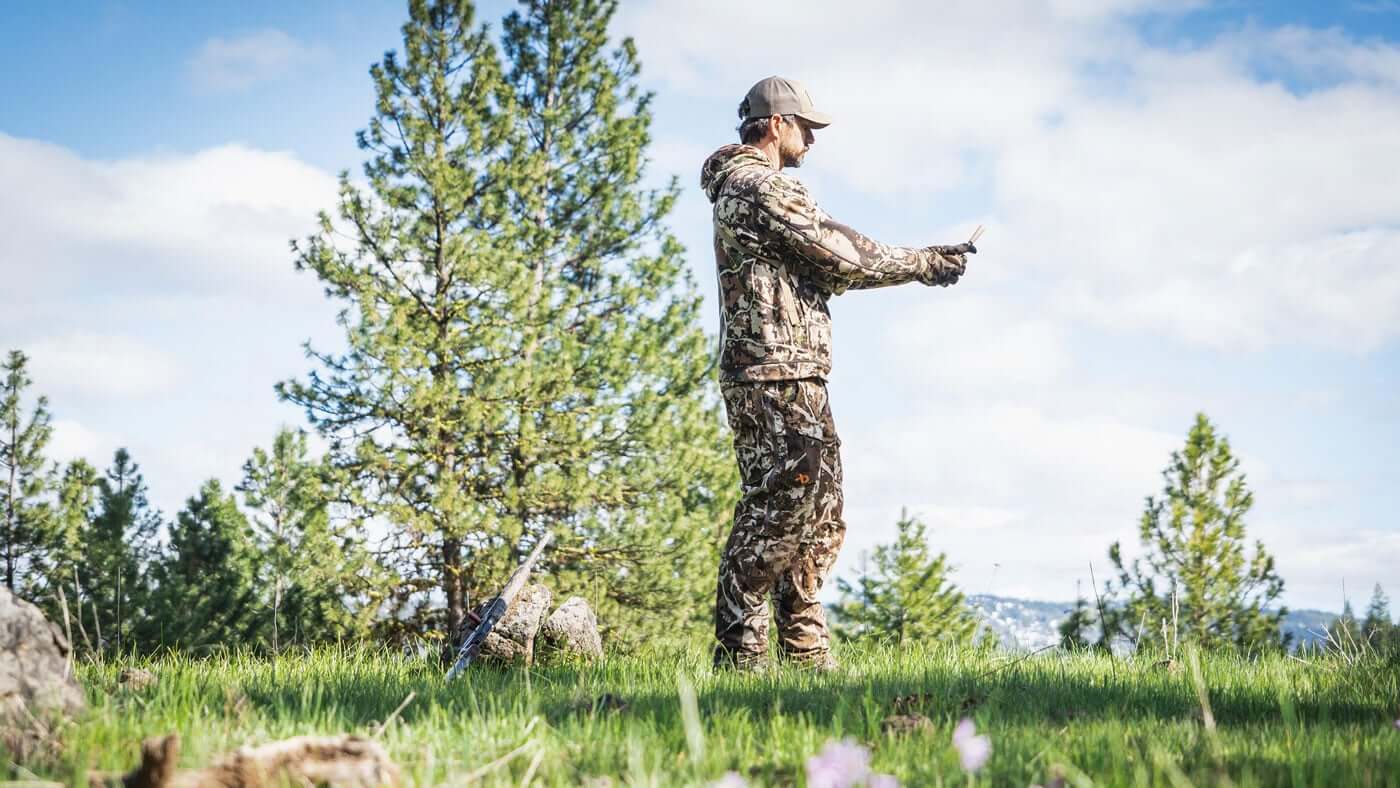
Often preferred by hunters on large pieces of property, the run and gun strategy can help you cover lots of ground in search of birds. It’s a great way to learn how to turkey hunt if you like to hunt at a faster pace and can make for some action-packed hunts. It involves moving from spot to spot calling and trying to strike up a responsive gobbler, rather than sitting still and waiting for them to come to you.
If you’re running and gunning, the goal is often to get within 150 – 200 yards of a gobbler before getting set up to call him in. While this strategy is great for covering ground and finding birds that are willing to work, it can also cause you to overlook birds that may be nearby, but unresponsive. If you’re not careful, running and gunning can also cause you to bump birds while you’re moving between spots. There are a couple of tips you can follow to make run and gun hunting more successful.
- Pack light. Run and gun hunting requires mobility, so strip your gear down to the bare essentials. A chest pack is a great choice for run and gun hunters looking to carry a few calls, binoculars, and some ammo.
- Pick your calling locations from places you would be ready to sit down at if a bird gobbles nearby. Calling in the middle of an open field or logging road can spell disaster if a bird fires off close by and comes in hot. Be ready to sit down any time you’re calling.
- Start soft, then get loud. Running and gunning can involve moving several hundred yards at a time. Calling loud can blow out birds you didn’t know were nearby, so start your sequence soft to get the attention of nearby birds first.
- Use locator calls. If you’re in a spot where you’re not ready to set up for a gobbler to come in, use a locator call. This can help draw a shock gobble out of a tom without drawing him towards your position. This helps give you time to decide your next move.
Which is Best for You?
Now you might be thinking, which hunting style is best for me to learn how to turkey hunt? Depending on your situation, all three of them could be valid choices! There’s no one right way to turkey hunt, and your style and strategy often depend on the property you’re hunting, where birds are located, and the conditions you're facing.
For those hunting with youth hunters, new hunters looking for a little more room for error, or those hunting field edges and timber clearings, ground blinds are often the most effective strategy. They keep you concealed, are more comfortable to hunt out of, and are effective for hunting a spot where you know turkeys will be present at some point during the day.
Ground sits provide the most flexibility, and can be considered by just about any turkey hunter. Just remember to bring a good chair or cushion with you to the woods, and pick your set up carefully! Sit at the base of a wide tree, and pick a spot in the shade to help give you better concealment.
If you’re not the biggest fan of sitting in one spot for hours, or have a large tract of land you want to cover, you’re likely going to opt for a run and gun strategy. Keep calling and moving fairly often, using a mix of turkey calls and locator calls to pinpoint a gobbler’s location and move in. Knowing the lay of the land is key, so make sure you scout ahead of time and find out key areas of a property to move between and target birds.
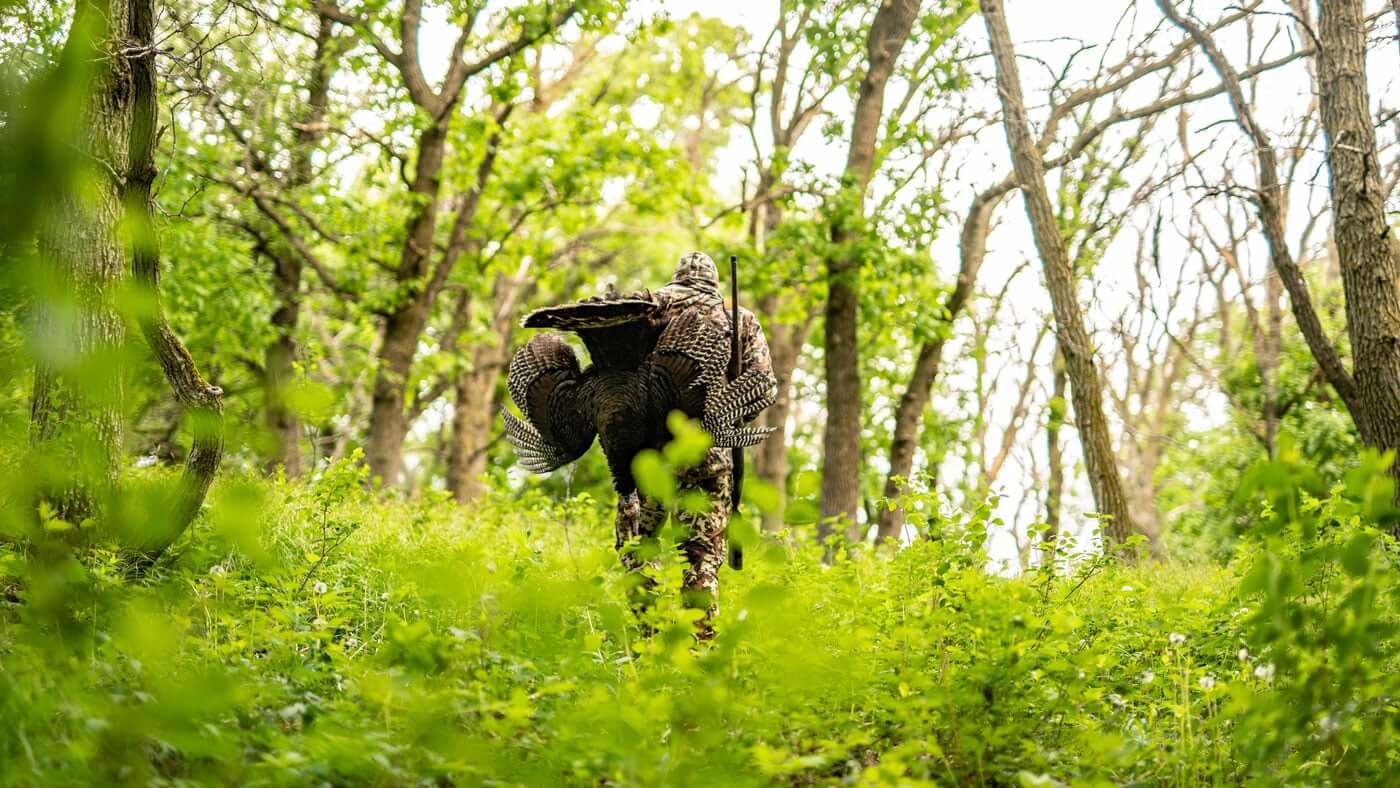
One of the greatest parts of learning how to turkey hunt is that there are many ways you can go about it. You can sit and carefully observe from a hidden spot, like in a ground blind, use mobility and flexibility with sitting on the ground, or get aggressive and track down toms running and gunning. While each of these strategies on how to turkey hunt are different, knowing good woodsmanship is one constant to making them all successful. Scout your spots, understand turkey behavior, and practice using your equipment to make the most out of your experience learning how to turkey hunt!