- Savage Blog
- Mastering the Turkey Locator Call for Finding Toms
Mastering the Turkey Locator Call for Finding Toms

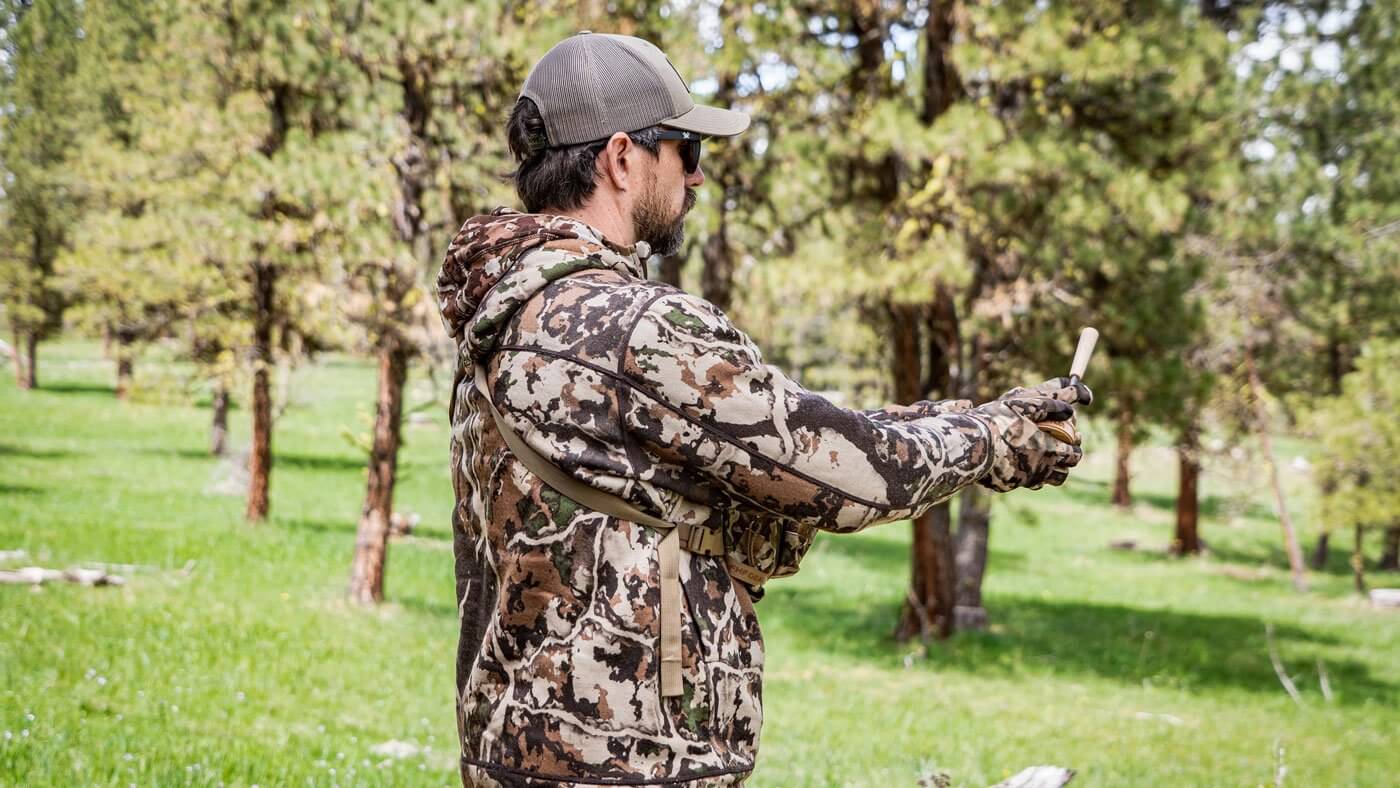
What’s the most important part of any turkey hunt? Finding turkeys! If you can’t find the birds, then it becomes pretty difficult to hunt them. Some days, birds just don’t want to gobble very much. The woods go silent, and the prospects of your hunt drift away with the fading sounds of spring. That’s where the turkey locator call can come in handy.
What is a turkey locator call? That’s what we’re going to go over in today’s blog! We’ll explain what locator calls are, the different types of locator calls used today, and when you can use a turkey locator call to find gobblers out in the woods.
What is a Locator Call?
A turkey locator call does what it sounds like, it locates gobblers! It’s slightly more complicated than that, but they’re calls that you can use to draw a gobble out of a turkey without giving away your own location. Locator calls are meant to create a “shock gobble”, or an involuntary gobble that a turkey can’t help but make. These calls are on the same sound frequency as a gobble, so their sound draws out a turkey’s natural instinct to respond to nearby gobbles.
Why use a locator call, instead of a regular turkey call? A normal turkey call can give away your position. Gobblers will key in on where you’re calling from, and they can make a move on you before you’re ready. If you want to find out where a gobbler is, either to track him down or plan your next move, but you don’t want him to come to you just yet, a locator call is a great tool to use.
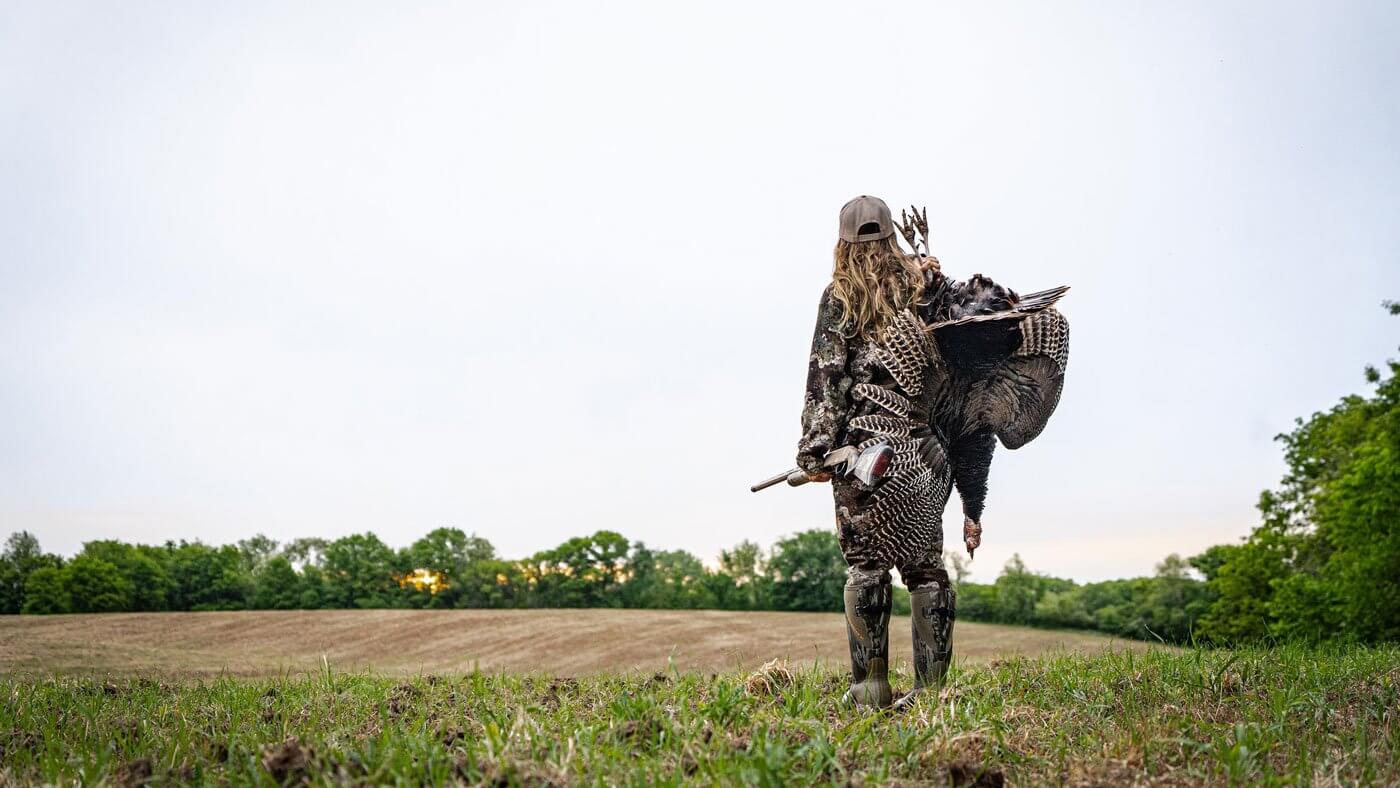
Different Locator Calls
There are a variety of different calls that can be used as a turkey locator call. Some of the most popular ones include owl calls, crow calls, coyote calls, and even other game calls like duck and goose calls.
Owl Call
Owl calls are the most popular turkey locator call. They’re widely sold by different brands and are fairly easy to run. To run an owl call, you blow into the call using a “who cooks for you, who cooks for you all” cadence. Use your hands to create back pressure at the bottom of the call, similar to how you would run a short reed goose call.
Crow Call
The other most popular locator call, crow calls are louder and shriller pitched, making them perfect for striking far away gobblers. Practice mimicking the sound of crows by blowing aggressively into the call in the usual “caw caw caw” sequence that you will often hear in the woods.
Coyote Call
A frequent call for roosting gobblers, the coyote call’s high pitch does a great job at drawing out of the gobble of a tom on a limb. You can use a diaphragm predator call, your natural voice, or even a diaphragm turkey call to mimic the distant howl of a coyote in the woods.
Other Calls
There are a variety of other calls you can use to draw out a gobble from a tom. Hunters have used goose calls, duck calls, and even woodpecker calls to get shock gobbles out of birds. One other call you can use is a gobble call. These are best suited for keying in on a turkey’s instinct to respond to other birds gobbling, as well as challenging a rival gobbler when combined with a hen call. For safety reasons, gobble calls should only be used on private land where you know there are no other hunters to prevent potential accidents.
When to Use Each Locator Call
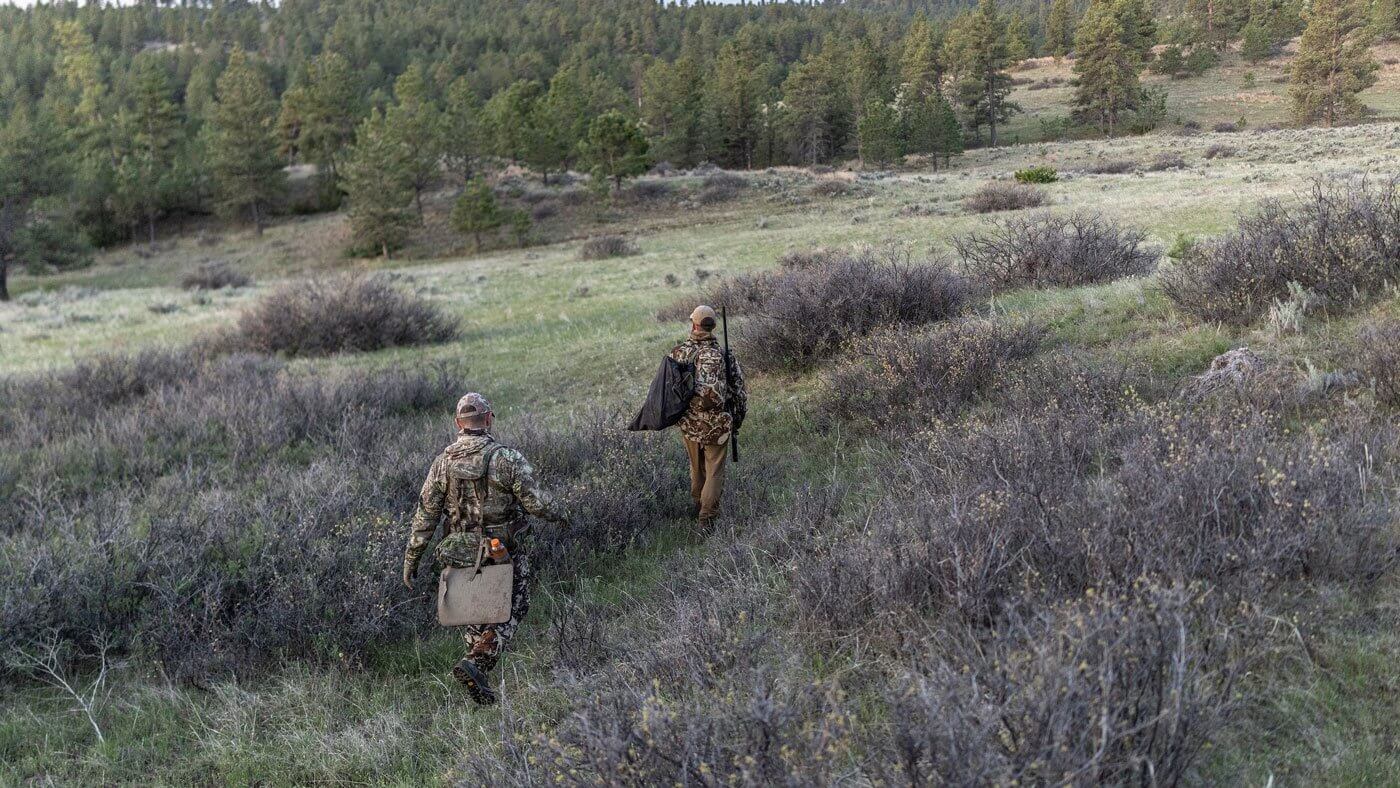
No every turkey locator call should be used at the same time. Each has it’s own time and place where it works best and sounds and sounds the most natural. By using the right call at the right time, you’re more likely to draw a response from a gobbler.
Early Mornings
Early mornings are where the owl call shines. As the woods wake up, barred owls are one of the first birds to begin calling. You’ll often hear owls hooting and turkeys responding in kind, so using your owl call before the sun is up is a great way to locate where gobblers are at on the roost.
Mid-Morning to Afternoon
From the middle of the morning on, you have a few different options for locator calls. Crow calls tend to work well here, as crows are often up flying and calling to each other throughout the day. Midday gobblers can be harder to work when they’re loafing, so a shrill crow call can draw that shock gobble out of them even in the heat of the day. You can also use an owl call here, especially if you’ve recently heard owls calling. If you have a gobble call on private land, this is also a great time to use it to get gobblers fired up for their midday stretch.
Evening
By evening, you’re likely looking to find where birds are heading to roost. Owl calls work well again here too, but so do coyote howls. As sunset approaches, coyotes become more active and begin to howl among the pack. Using coyote barks and howls in the evening can be an effective tactic in locating that last minute gobbler before shooting light ends.
Locator Call Tactics
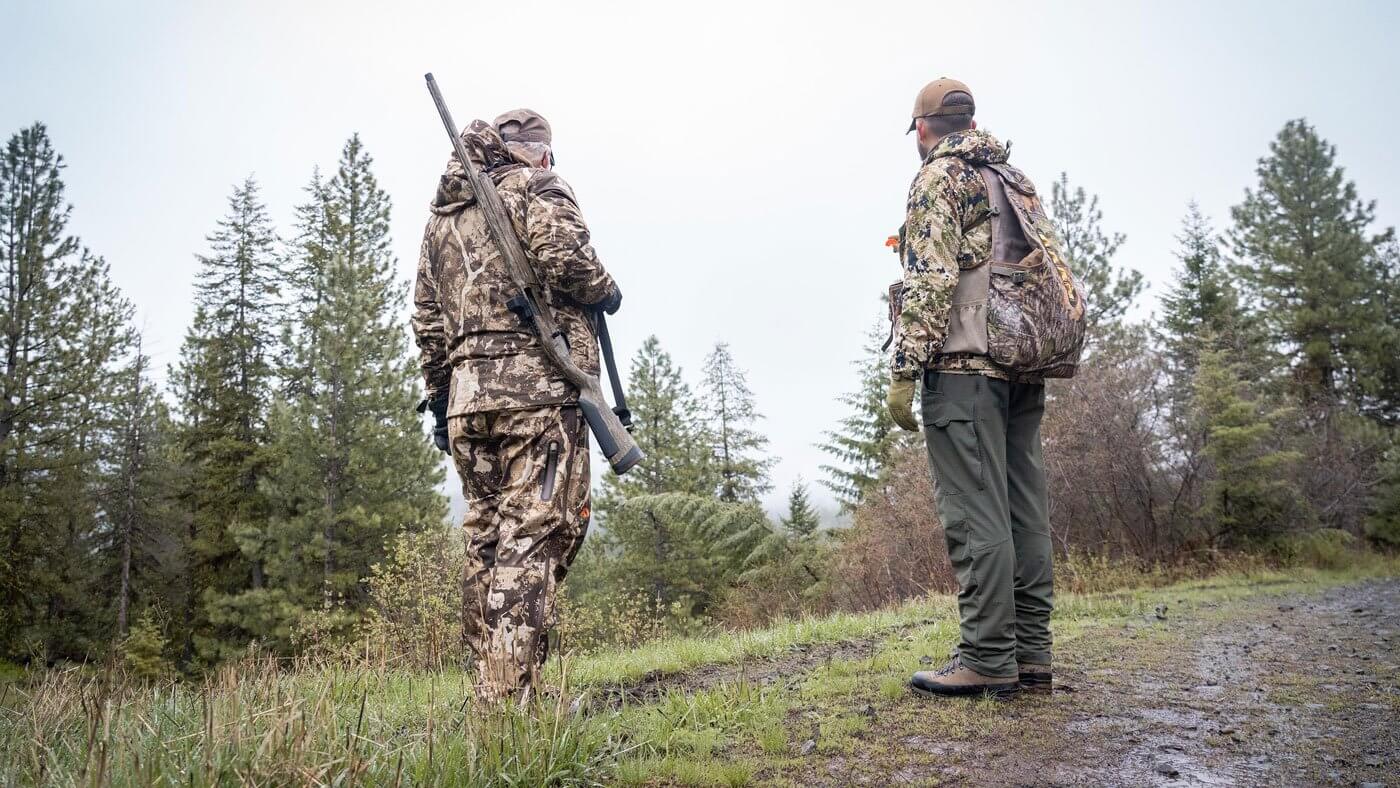
While using a turkey locator call can be effective, you don’t just want to go calling through the woods randomly. Using specific tactics helps make using your turkey locator call more effective, and gives you a better chance of getting a shock gobble out of a tom.
- Owl hoot or coyote call the night before to roost birds and locate them before the morning hunt. This gives you a better idea of where to set up and hunt the next morning.
- If you’re walking into a property that you’ve never hunted before in the early morning, use an owl call to try and locate gobblers that are roosted and get an idea of where birds will be at on the property.
- Crow call at midday to reach out farther with a louder, more sharp sound and find gobblers farther away.
- Use gobble calls sparingly on private land not just to find gobblers, but also to challenge them. If you’re having trouble working a bird, use a gobble call right after a hen call to give the impression of competition and motivate the gobbler you’re calling to come in an challenge his newly emerged “rival”.
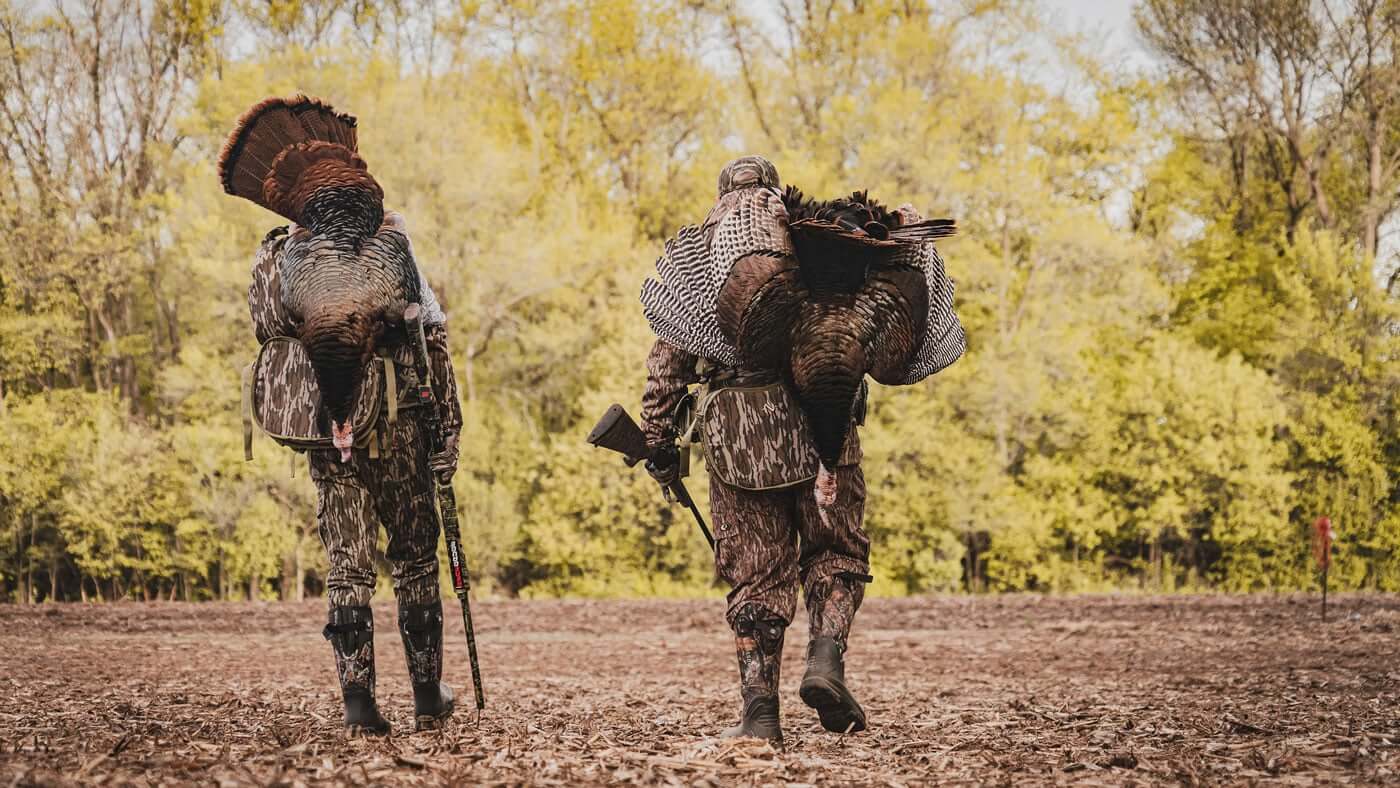
The turkey locator call can be effective in finding out where gobblers are at on the property you are hunting. They give you the advantage of learning a gobbler’s location while he doesn’t suspect potential danger nearby, and can help give you more time and information to plan your strategy. For most experienced turkey hunters, locator calls have earned a place in their vest as go-to tools for helping find the next bird they want to hunt. So if you struggle to locate birds out in the field, give locator calls a try! They may just be the key to helping you find your next bird to hunt.