- Savage Blog
- Pittman Robertson Act: Wildlife Conservation Success
Pittman Robertson Act: Wildlife Conservation Success

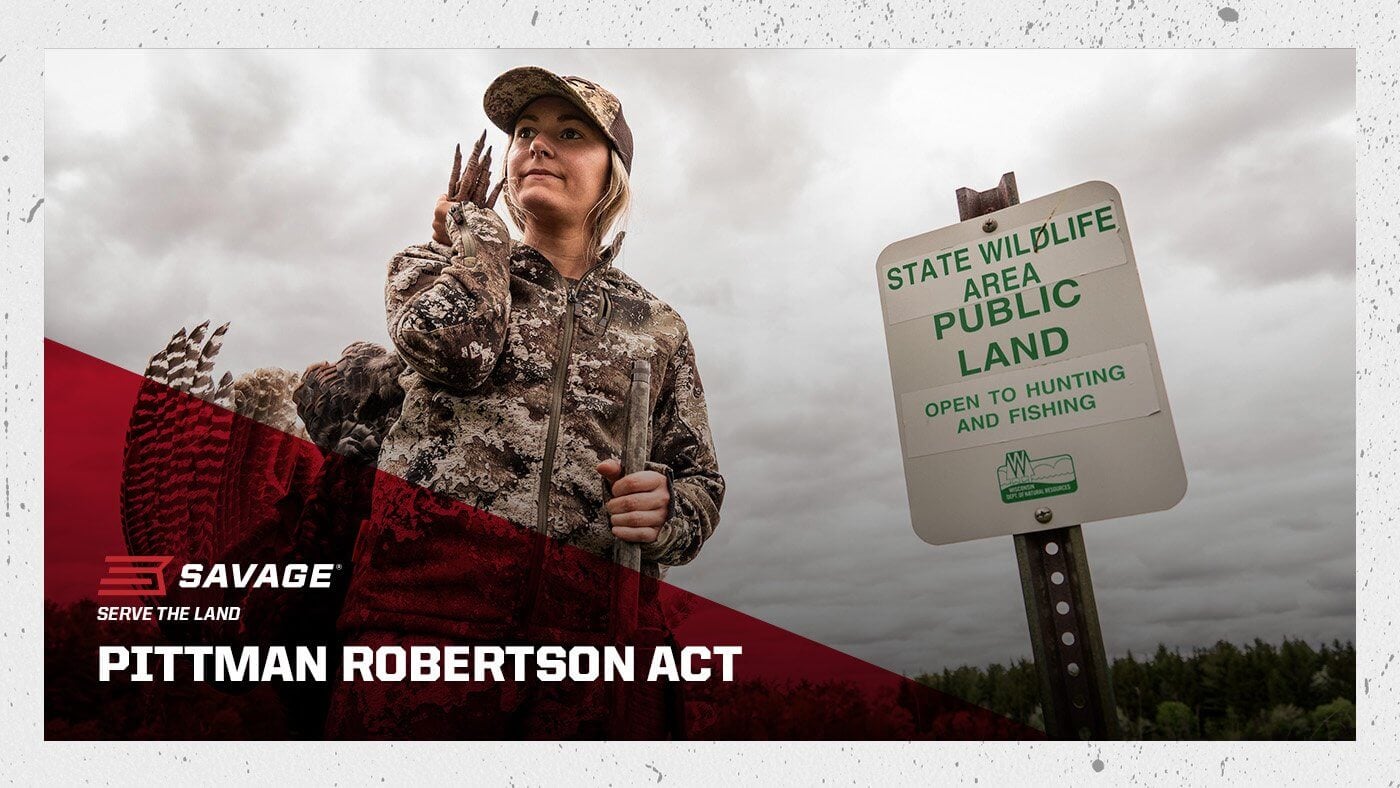
At the turn of the 20th century, wildlife in North America was on the brink of collapse. Unregulated hunting and market hunting had decimated wildlife populations, and popular game species like whitetail deer, pronghorn, wild turkeys, elk, and waterfowl were critically endangered of going extinct. Then, the wheels of progress began to turn. By 1937 a new law, which would come to be known as the Pittman Robertson Act, would revolutionize wildlife conservation by introducing dedicated funding to help protect wildlife and their habitat for future generations to enjoy. In this blog, we’ll take a deep dive into what the Pittman Robertson Act is, how wildlife conservation funding works today, and how you can see wildlife conservation at work in your local community.
What is the Pittman Robertson Act?
The Pittman Robertson Act, officially known as the Federal Aid in Wildlife Restoration Act, was passed by Congress in 1937. The act was brought by Nevada Senator Key Pittman and Virginia Representative A. Willis Robertson to establish a secure, mandated funding mechanism for wildlife conservation to help combat the severe decline in wildlife populations. The act took the existing 11% excise tax on firearms and ammunition and directed it to the Department of the Interior to fund wildlife conservation efforts. It’s not just sporting rifles and shotguns that fund wildlife conservation. Handguns and revolvers are also included in the excise tax, helping to create an even wider base of funding from target and sport shooters using these firearms.
Today, funds from the Pittman Robertson Act fund a wide variety of wildlife conservation projects. These projects include anything from habitat restoration and improvement projects to public land acquisitions, hunter education and R3 efforts, shooting sports education and public ranges, and more. In 2025, over $804 million from the sales of firearms, ammunition, and archery equipment went towards funding wildlife conservation.
How Wildlife Conservation Funding Works
The mechanisms set forth by the Pittman Robertson Act ensure that the funding generated by excise taxes is used strictly for wildlife management and conservation. States have strict rules on how the funds must be spent, so you’ll always know that the money you spend to support conservation is going back into improving habitat, expanding public access, and educating more hunters.
- Funds are collected and dispersed by the US Fish and Wildlife Service (USFWS). The USFWS grants funds based on a formula including the state’s size, hunting and fishing license sales, and the population.
- Pittman Robertson funds are distributed through grants for the Basic Hunter Education Program, Enhanced Hunter Education Program, Multistate Conservation Grants, and the Wildlife Restoration Program. These grants have a 75/25 match with local state agencies, meaning the USFWS reimburses 75% of a project’s cost and the state pays the remaining 25%.
- These funds are mandated by law to be used only for wildlife conservation and cannot be diverted for other uses. If funds are diverted, say to a state’s general fund, the state could lose access to Pittman Robertson funds entirely.
PR Dollars at Work in Your Community
One question you may be asking yourself is how do I see this money at work in my local community? It’s a great question, as Pittman Robertson dollars are put to work around the country every day! Here are just a few examples.
Wildlife Management Area Projects
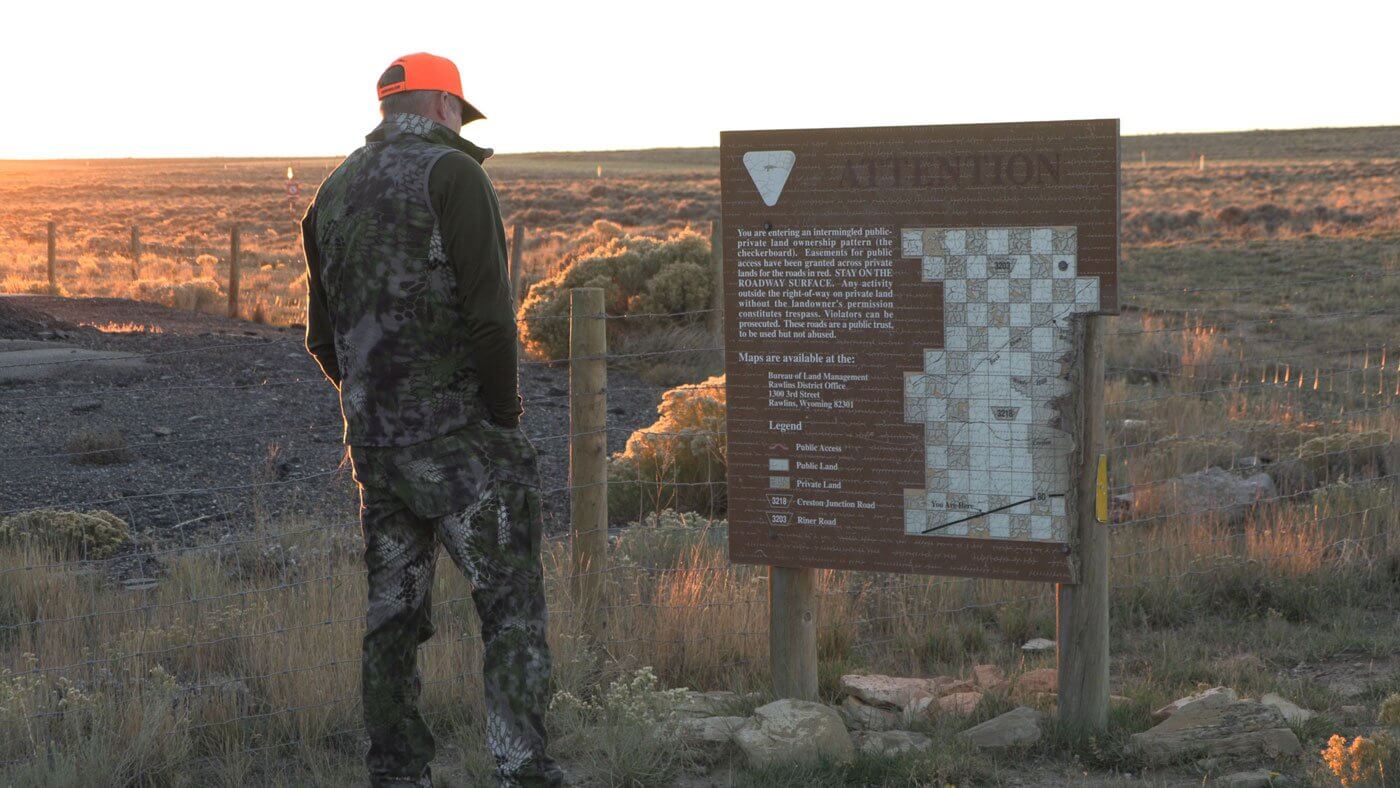
Head out to your local wildlife management area to get a firsthand look at how these funds are used. Many of these public areas across the country will have signs indicating that Pittman Robertson funds (often referred to as the Wildlife and Sportfish Restoration Program) were used in the area to help improve or restore habitat. This work can include anything from planting food plots, timber thinning, prescribed burns, native species restoration, and more. When a new wildlife management area is acquired and opened in your area, it is also often done with the use of these funds.
Public Ranges
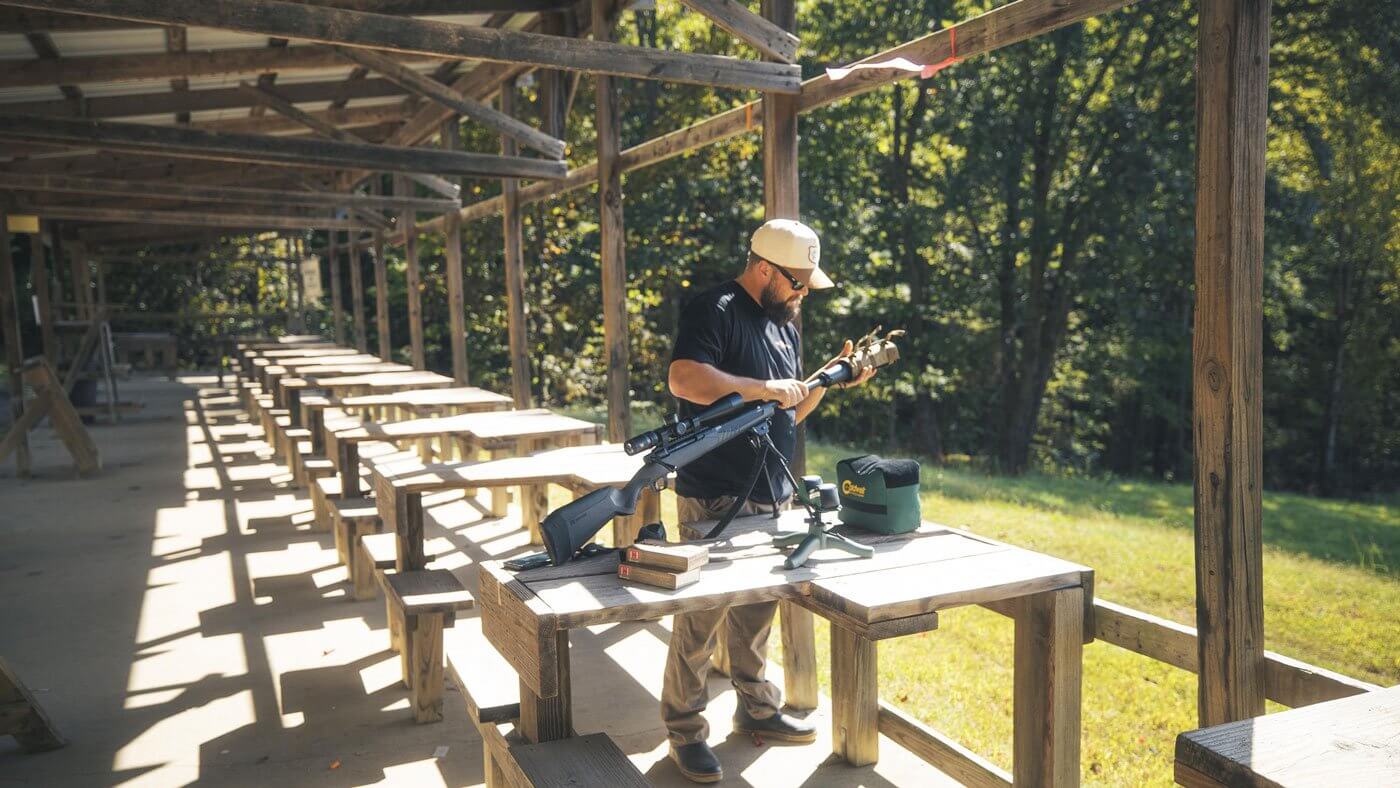
If you’re heading out for a day at the local public shooting range, then you’re heading to a facility that was made possible by Pittman Robertson funds. State wildlife agencies use these funds to build and improve ranges, as well as to host educational programming at them. While hunters, bird watchers, hikers, and the public at large enjoy the benefits of wildlife conservation funding, shooting sports participants drive the overwhelming majority of these funds with their purchases of firearms and ammunition. Every time you head out for a range day, you’re not just enjoying the benefits of wildlife conservation funding, you’re also helping to support it.
Hunter Education and Recruitment
If you’ve taken hunter education, then you’ve seen the benefits that wildlife conservation funding has had on creating safe and ethical hunters in the field. Hunter education programs are one of the primary benefactors of wildlife conservation funding, with funds used to help provide supplies for classes and fund live fire trainings for these classes.
Pittman Robertson funds also help fund new hunter recruitment programs. If you’re a new hunter and attended a learn to hunt workshop, a mentor hunt, a wild game cooking class, or one of many other different types of new hunter programs, then you have directly benefited from the funds raised under the Pittman Robertson Act. Funding for these programs is crucial to creating new hunters that not only help continue to fund wildlife conservation but also create support for hunting traditions and preserving our hunting heritage. 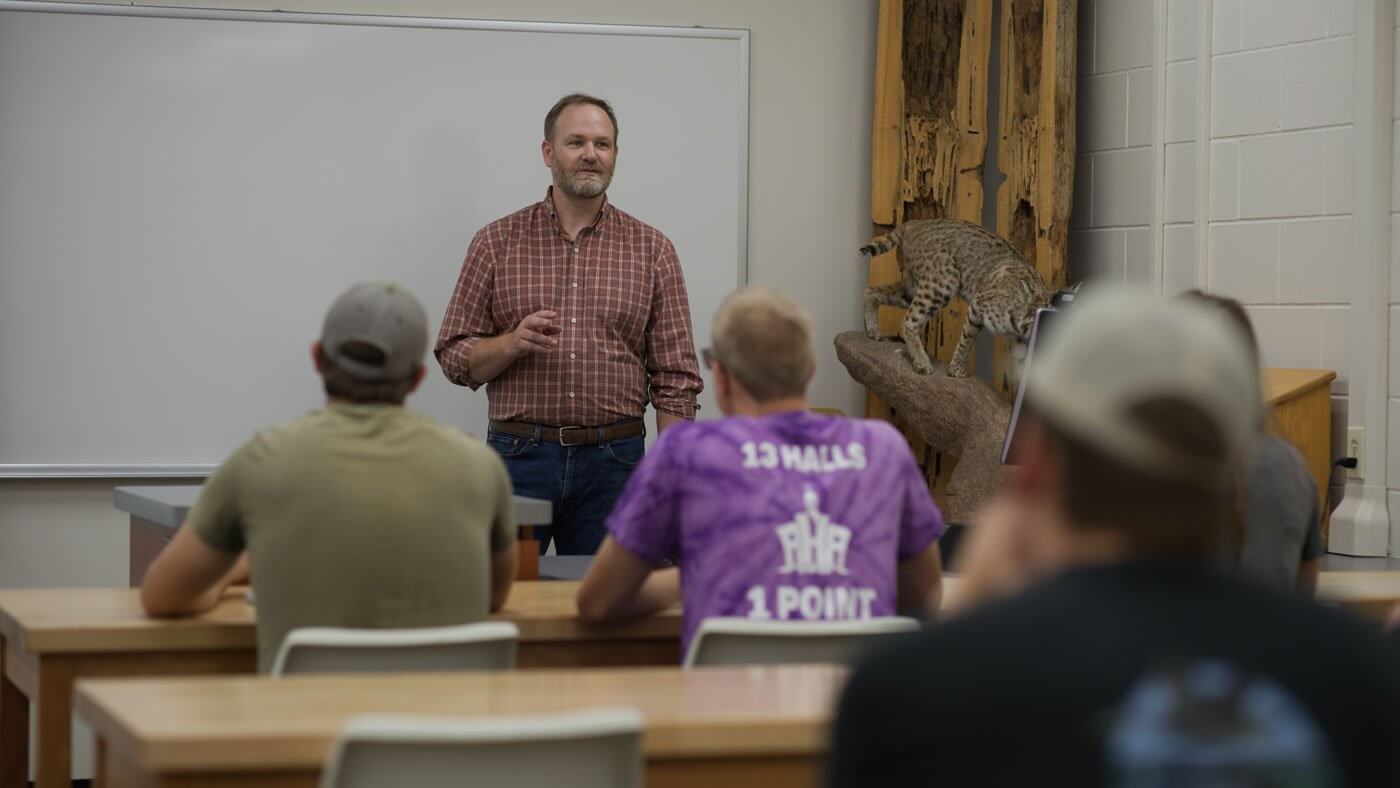
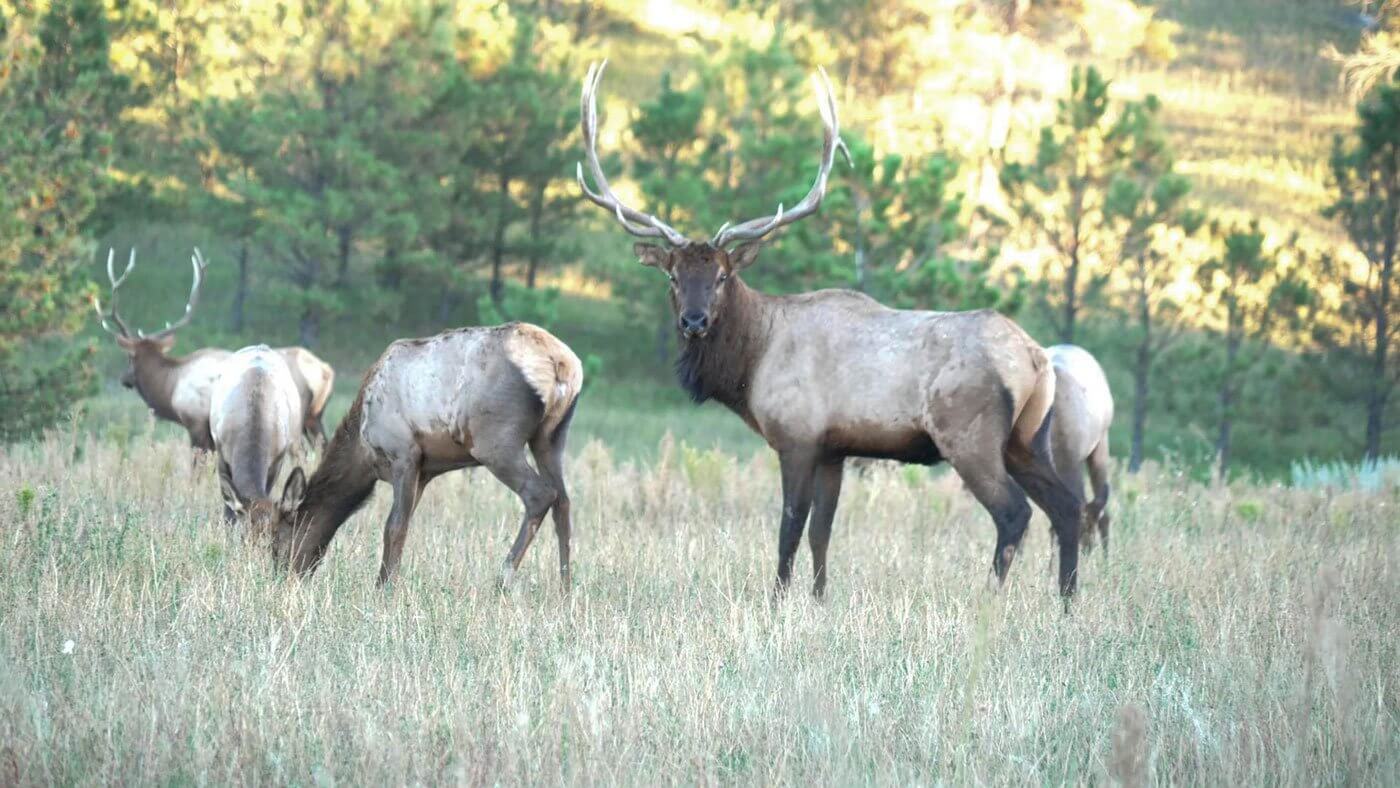
The Pittman Robertson Act has been a key driver of the greatest conservation success story in history. The funding that resulted from this legislation has help improve and restore millions of acres of wildlife habitat, assisted in restoring populations of deer, elk, turkeys, waterfowl, and many other species to record levels, and educated millions of hunters on safe and ethical hunting practices. The next time you head down to your local shop to add a new Savage firearm to your safe, you aren’t just picking up a new rifle for the range or the field. You’re helping to make a difference in wildlife conservation and preserving our hunting traditions for future generations to come.