- Savage Blog
- Deciphering the Meaning of Shotgun Gauges
Deciphering the Meaning of Shotgun Gauges

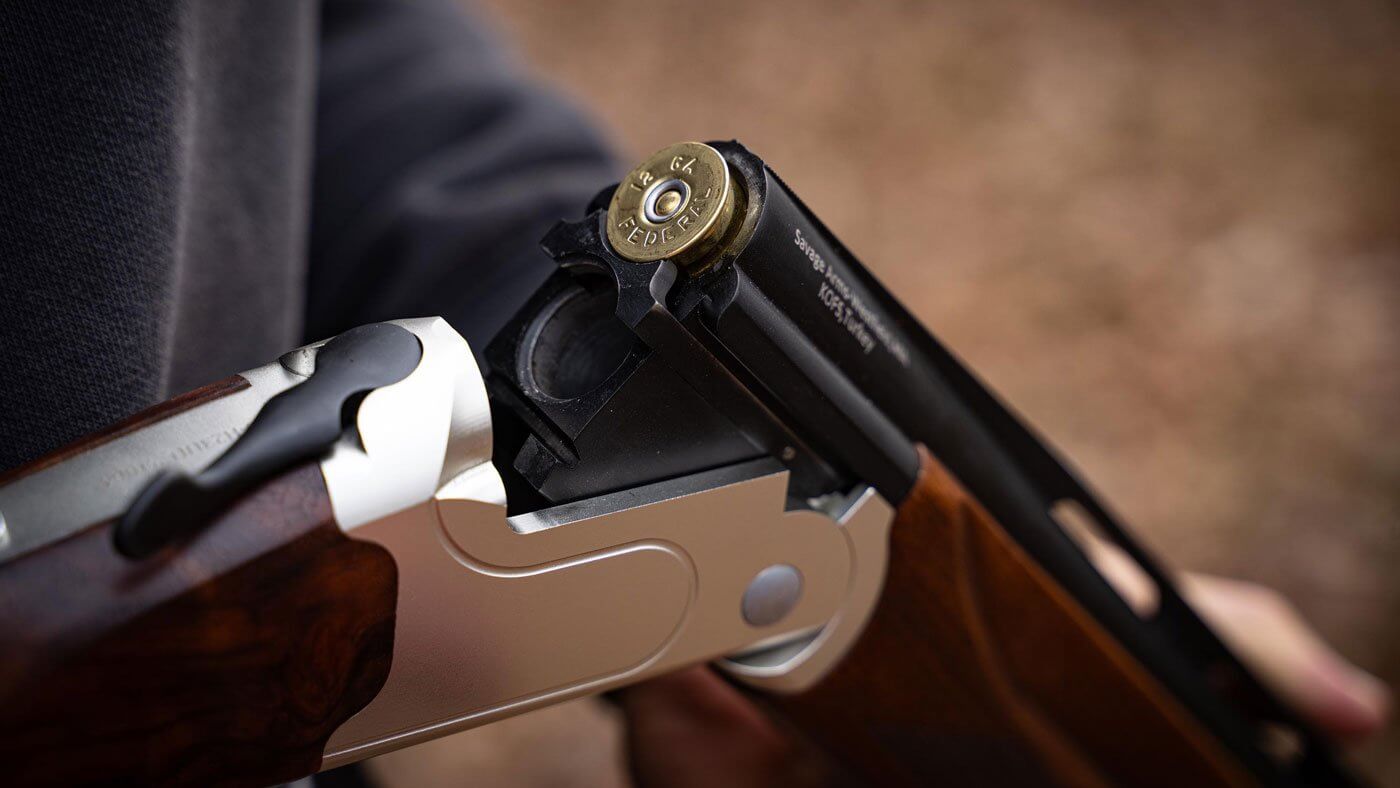
Shotguns are just a little bit different from other firearms. They have smooth bores, require a different shooting technique, and they’re made for much closer ranges. One of the other major differences is the use of shotgun gauges, rather than calibers for measuring bore size. It’s a unique measurement that can be a bit counter-intuitive to those who are unfamiliar with shotguns.
In this blog we’ll outline what shotgun gauges mean, the differences between using shotguns of different gauges, and where different shotguns shine for competitive shooting and hunting.
What is a Shotgun Gauge?
So, what are shotgun gauges? The measurement indicates the diameter of the barrel and was originally used to measure how many lead balls of equal size would be equal to one pound of shot within the barrel. For example, a 12-gauge barrel would hold 12 lead balls equal to one pound. The only shotgun gauge that doesn’t follow this system is the .410, which uses the actual caliber bore diameter rather than the gauge measurement (36 gauge, in this case).
This system is why “smaller” shotgun gauges are displayed in larger numbers, since smaller bores would require smaller pieces of lead, and more of those pieces, to make one pound. So, as the shotgun gauge number goes up, its bore diameter decreases! 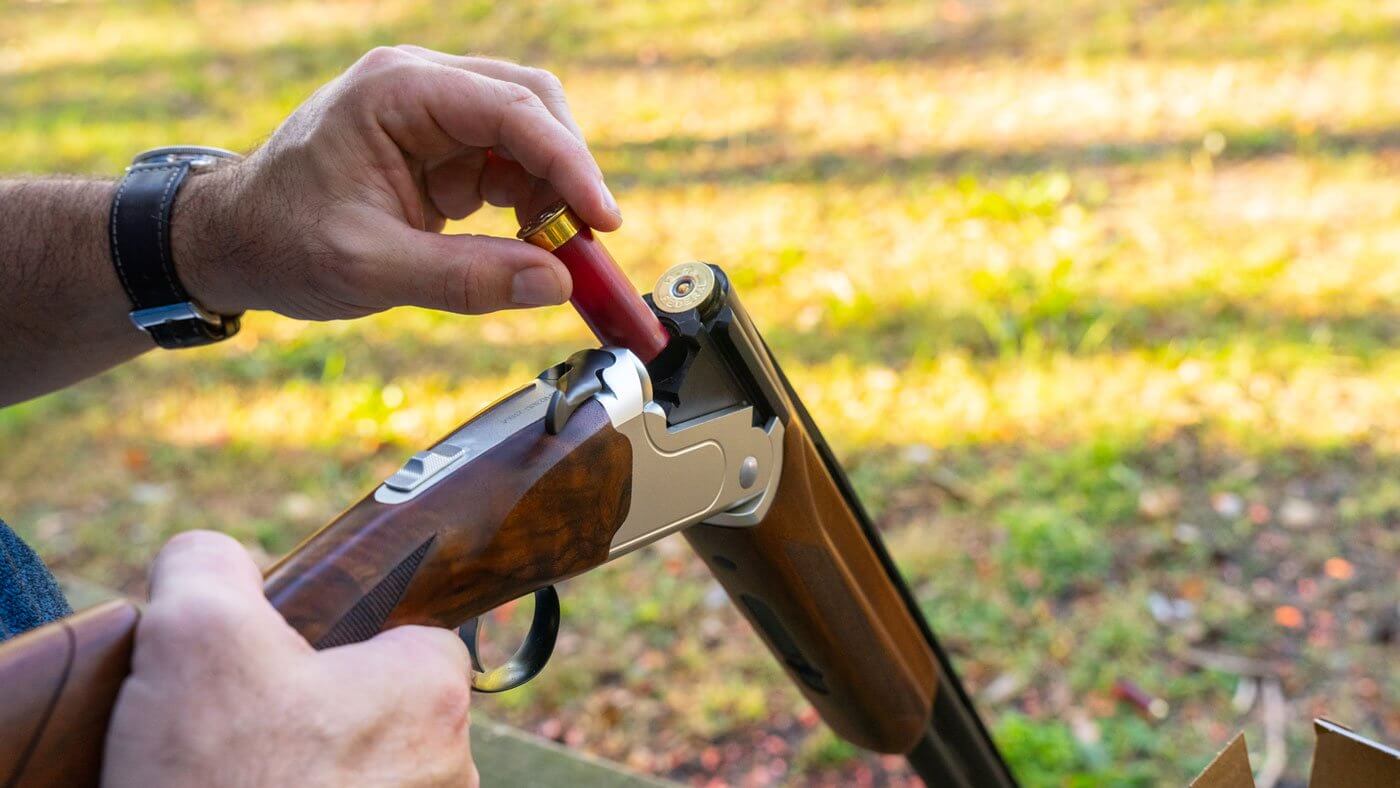
Differences in Pellet Counts
One of the most important differences between all of the shotgun gauges is the number of pellets in each shell. Pellet count is one of the main factors influencing how dense a shotgun pattern is, and thus how effective it is for different types of hunting. Larger gauge shotguns will be able to hold more pellets of a given size, making them more effective.
A good example would be #4 shot, commonly found in turkey loads. A 12-gauge shotgun can fit a much larger amount of #4 pellets in its wider and longer 3 ½ inch shell than a .410 bore shotgun can fit in its narrower and shorter 2 ¾ inch shell. This allows the 12-gauge shell to not only have more powder but also have a denser pattern out to longer ranges of 40+ yards, making it a more effective option for turkey hunting.
As a general rule of thumb just remember, a smaller gauge shotgun will be able to hold fewer pellets, have less powder, and have a lower shot weight than a larger gauge shotgun using pellets of the same size and material. However, this isn’t always the case, especially when we begin to discuss different types of ammunition.
Ammunition technology has helped bridge this gap and made smaller gauge shotguns shooting smaller pellets more effective. A .410 bore shotgun shooting tungsten super shot (TSS) ammunition can shoot more #9 pellets to the same effective distance as a 12-gauge shotgun using traditional #4 lead pellets, due to the denser nature of tungsten. This ammunition technology has been a game changer in making sub-gauge shotguns more effective for hunting larger birds like turkeys, ducks, and geese, rather than just small game animals. 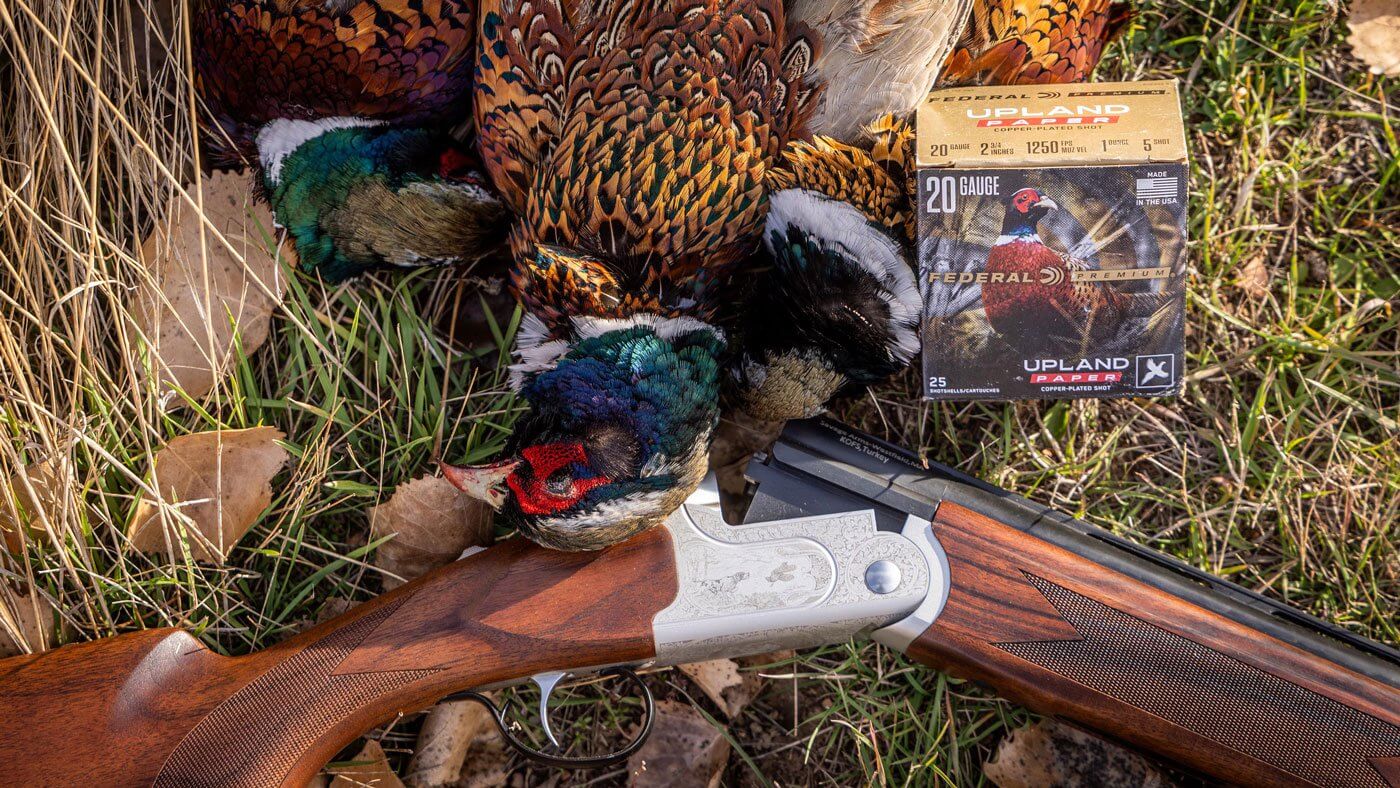
Shooting Different Shotgun Gauges
So, what are the differences in shooting different shotgun gauges? As you might imagine, there are a few! The two main differences are the weight of these shotguns and the felt recoil.
Weight
When you get into smaller gauge shotguns, they will generally weigh less than their larger gauge counterparts. This is mainly due to these shotguns have smaller barrels and receivers. Larger gauge shotguns like 12 and 10 gauges will require more barrel material and a stronger receiver to handle the heavier shooting shotshells, which will often make them heavier. If you’re looking for a lightweight shotgun to pack afield, a sub-gauge like a 20-gauge, 28-gauge, or .410 bore is a great place to start.
Recoil
Shotgun recoil can be a tricky conversation, with so many factors influencing how softly a shotgun shoots. The ammunition used, recoil system, weight, and shotgun gauges all play a role in the felt recoil from the shooter. However, it is pretty safe to say that smaller gauge shotguns are preferred by youth and smaller shooters because they generally have less recoil. Despite smaller gauge shotguns weighing less than larger gauge shotguns, the shells they use have a much smaller powder charge, and their total shot payload weighs substantially less. This leads to less recoil on the shot, and a more pleasant shooting experience overall.
However, even some larger gauge shotguns can be fun to shoot! The Renegauge’s Dual Regulated Inline Valve (DRIV) gas system helps vent excess gas from your shot, leaving just enough gas to cycle the action. This not only makes the Renegauge incredibly reliable, but it also makes it a very soft shooting shotgun despite it being a larger 12-gauge. 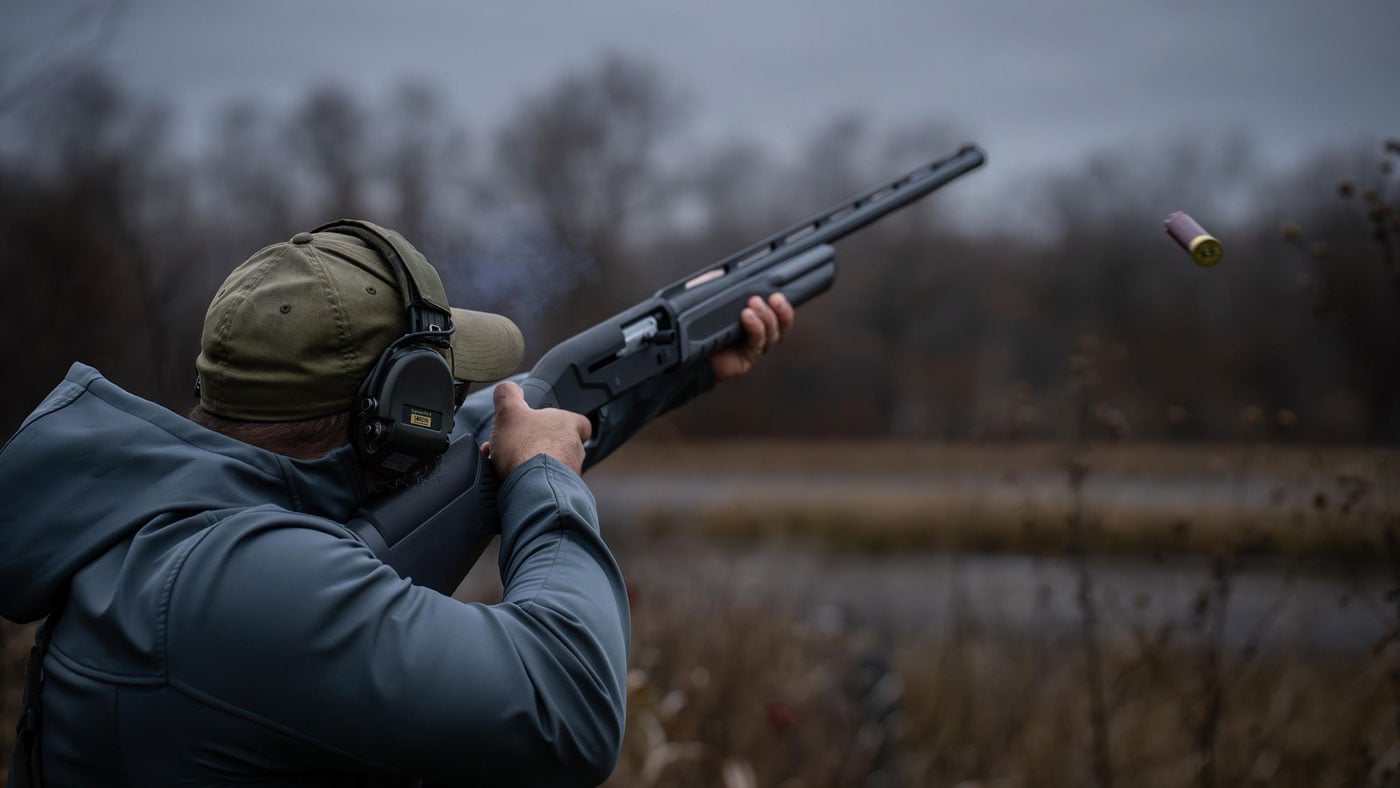
What Shotgun Gauge is Best for You?
So, which shotgun gauge is best for you? That often comes down to what you’re using it for! Let’s go over a few scenarios.
- Competitive shooters: 12 gauges are generally preferred by sport and competitive shooters to get as many pellets as possible on target. This is especially useful for trap, skeet, and sporting clays shooting. The target and game loads used generally have low recoil, making a 12-gauge manageable for many target shooters.
- Upland hunters: 12, 16, and 20 gauges are the most commonly trusted choices by upland hunters. All 3 pack plenty of power for use on pheasants, quail, grouse, and other upland game birds. Ammo for all three of these gauges can be readily found and have fairly low recoil.
- Waterfowl hunters: Most waterfowl hunters will opt for a 12-gauge or 20-gauge shotgun, citing the need for more stopping power.12-gauge shotguns, and even 10-gauge shotguns, are most popular for goose hunting for using magnum shells shooting at farther distances late in the season. Sub-gauge shotguns like 28-gauge and 410 bore can be used with the right ammunition and keeping your shooting within ethical distances.
- Turkey hunters: Traditionally, most turkey hunters have preferred 12-gauge shotguns due to their ability to take larger 3 ½ inch shells for more stopping power. New ammo technology has made sub-gauge shotguns incredibly popular for turkey hunting. TSS ammunition has helped make shotguns down to 410 bore effective for turkey hunting within traditional distances of 40 yards and less, and it is commonplace to see turkey hunters hit the field with 20-gauge, 28-gauge, and 410 shotguns today.

From small 410s to large 12 gauges, each of the shotgun gauges found today have their own place and use. For smaller shooters and youth hunters, a sub-gauge shotgun paired with TSS ammunition can be an effective combo. For experienced veterans of the woods, a 12-gauge paired with traditional lead ammunition can be plenty effective with decades of experience and proven use. No matter which shotgun gauge you choose to use, always remember the limits of your equipment and take ethical shots in the field. With those two rules in mind, any shotgun can be fun and effective to use!
