- Savage Blog
- Focusing on Black-Tailed Deer Conservation
Focusing on Black-Tailed Deer Conservation
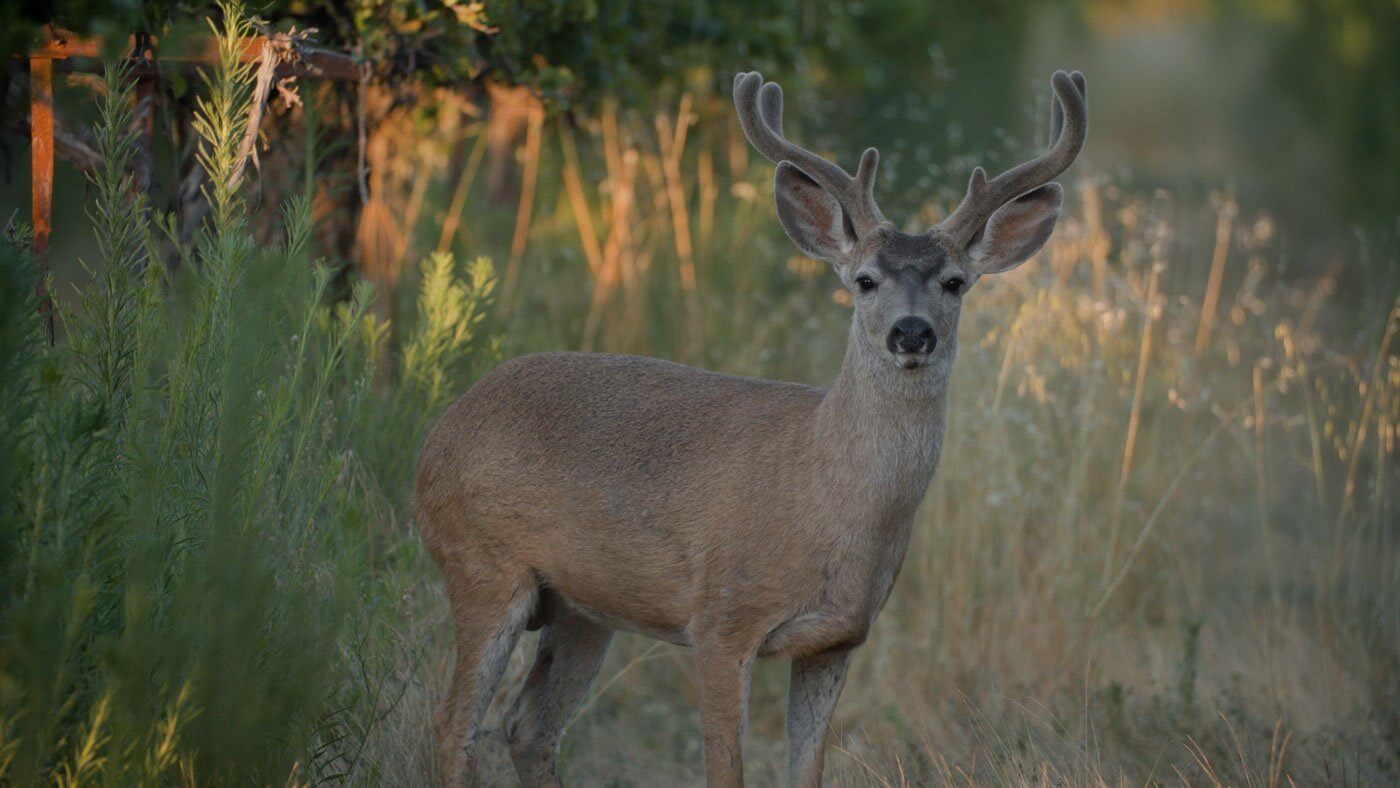
Biologists, wildlife managers, and conservationists have extensive knowledge about mule deer after long-pursuing them across the mountains, plains, and deserts of the West. But we have yet to uncover the deep mysteries of another deer subspecies that occupies some of the wettest temperate rainforests along the Pacific Coast. Among coastal mist and moss, lives one of North America's most mysterious species, the black-tailed deer (Odocoileus hemionus columbianus).
While The Mule Deer Foundation (MDF) includes a single species in its name, our mission has always been two-fold: to conserve mule deer and black-tailed deer and their habitat. By creating the Blacktail Deer Foundation (BDF) in December 2024, MDF acknowledged that conservation approaches for both subspecies have similarities, yet there are important differences that warrant separate approaches and efforts. An independent focus on Sitka and Columbian black-tailed deer supports national and state efforts to broaden our foundational understanding of these deer populations and better meet their modern-day needs.
We want to introduce you to this species and to the greater efforts we support as we move into the Foundation’s second year in 2026. As federal and state agency partners in connection with universities study and learn more about these elusive creatures, BDF is eager to incorporate new information to better inform our conservation efforts.
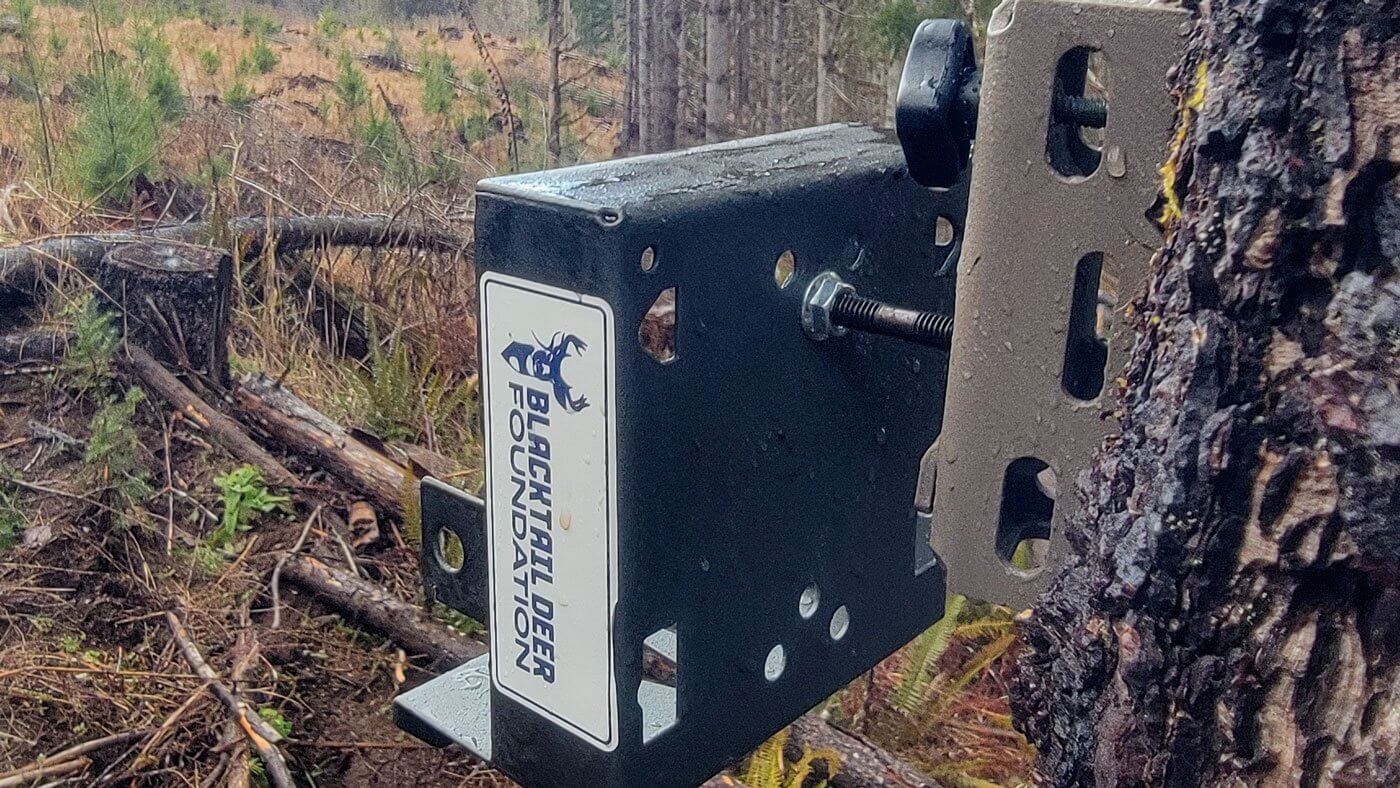 BDF provided trail cameras to support Washington’s Department of Fish and Wildlife with a black-tailed deer monitoring study.
Black-tailed Deer are the Perfect Forest Dweller
Black-tailed deer aren't simply another subspecies of mule deer; they're evolutionary specialists perfectly adapted to life in some of the North American continent's most unique environments. From northern California's chaparral and towering redwoods through the wet coastal rainforests of Alaska, blacktails have spent millennia mastering dense, shadowed woodlands where visibility sometimes extends only beyond a few dozen yards. Evolution has molded black-tailed deer into living extensions of their forest environment.
Black-tailed deer use their prominent ears (more proportional to their head size compared to mule deer) to detect the slightest disturbance through dense vegetation. Studies have also suggested they have a highly developed sense of smell, detecting and responding to subtle changes in their surroundings. The wetter conditions up and down the coast dampen sound and scent, allowing them to move around more safely. With a distinctive dark tail and compact build, black-tailed deer can navigate through undergrowth that would stop larger ungulates.
Unlike their migrating mule deer cousins of the interior West, black-tailed deer stay closer to home. They occupy remarkably small territories, often extending just a few square miles. They gain intimate knowledge of every forest opening, water source, and feeding area within their domain. Because Pacific Coastal forests have milder winters compared to interior regions, black-tailed deer can forage and find cover in these forests year-round.
This sedentary lifestyle, once an evolutionary advantage, can make these deer vulnerable in our rapidly changing world. Where other deer species can migrate around obstacles or find new habitats, black-tailed deer are more anchored to their ancestral homes. When these deer face threats, they have nowhere else to go. Blacktail populations thrive in healthy, balanced ecosystems which is why BDF focuses on the environmental challenges that affect entire forest communities.
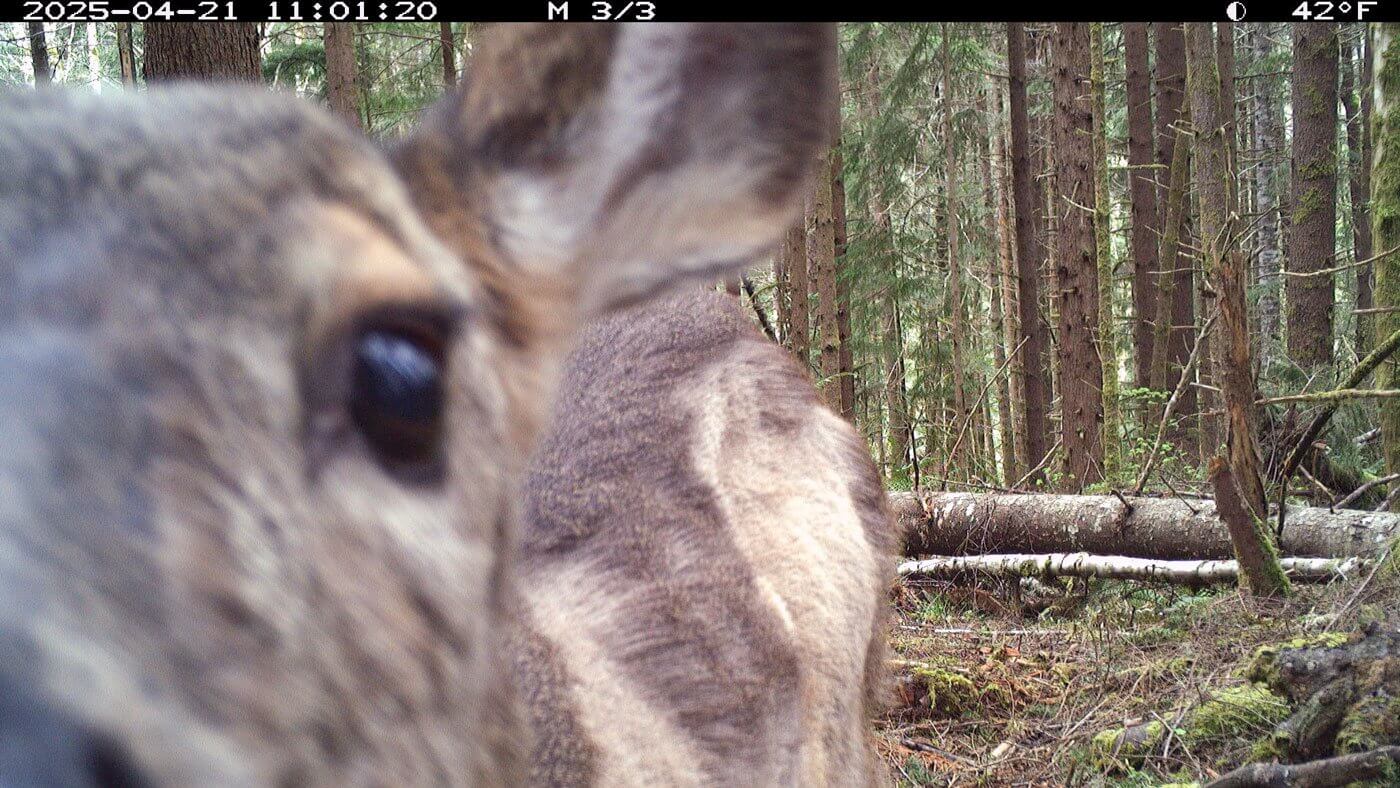 A black-tailed deer inspects a trail camera placed by Washington Department of Fish and Wildlife for its black-tailed deer monitoring study.
Conservation Approaches Will Be Unique to Every State
The conservation picture varies dramatically across black-tailed deer range. The challenge in conservation extends beyond individual deer to entire forest ecosystems. Black-tailed deer are important browsers, helping to maintain plant community diversity. Their presence indicates healthy watershed function, diverse vegetation, and biodiversity benefits that extend far beyond the deer themselves.
Effective conservation requires innovative approaches that address this subspecies' unique biology and habitats. Traditional wildlife management tools often fall short in dense forest environments, leading researchers and wildlife managers to develop new methods and approaches in states black-tailed deer are found. The convergence of urban development pressure, habitat loss, and environmental stressors can and do affect populations, and BDF has identified three emerging areas in black-tailed deer conservation and management the Foundation can support and be part of.
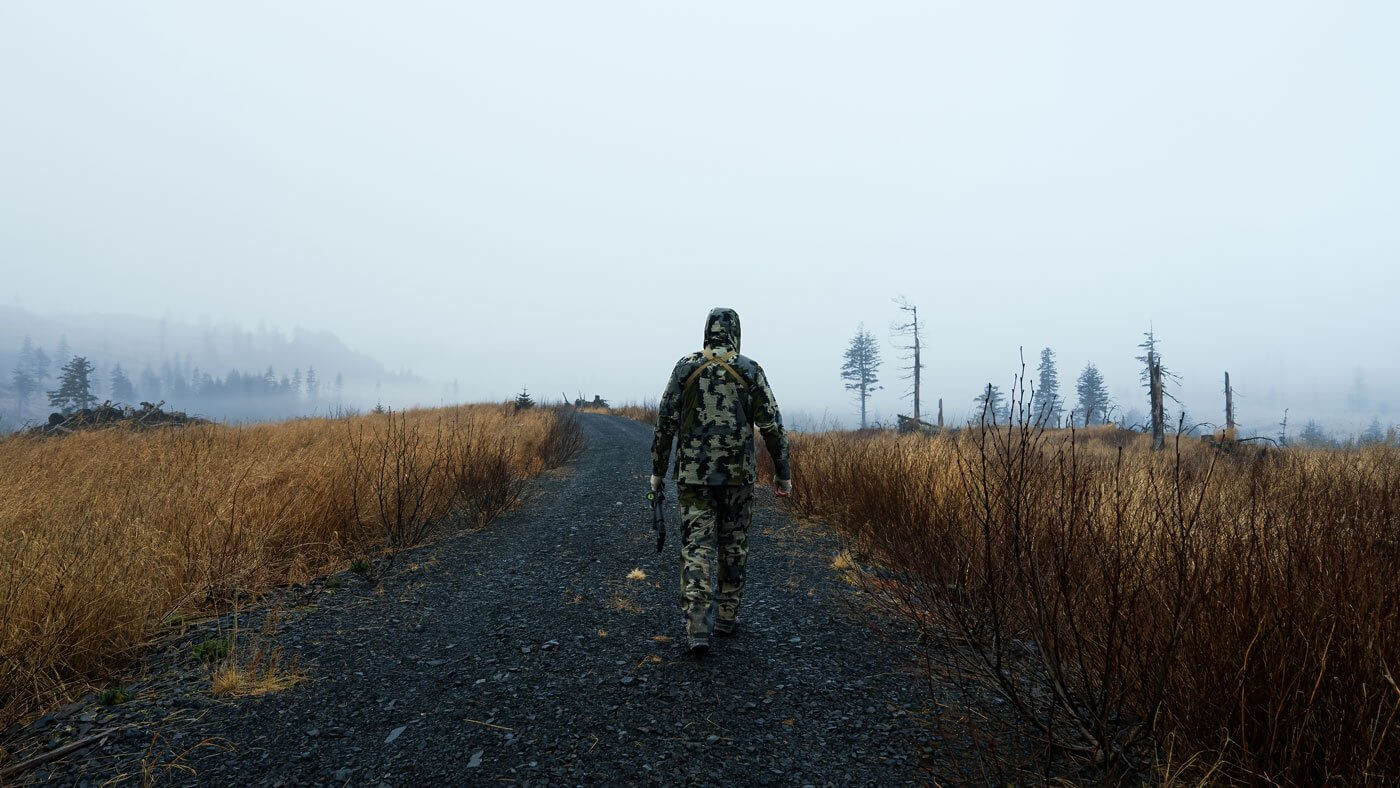 BDF joined the Alaska Department of Fish and Game to help capture, collar, and track Sitka black-tailed deer on Kodiak Island.
 Non-invasive Population Monitoring techniques are being developed using fecal DNA sampling and advanced camera systems to provide population data without disturbing sensitive habitats. These methods may reveal whether blacktail populations may or may not be more resilient than previously thought in different habitat types and conditions.
Landscape-Scale Planning recognizes that blacktail conservation requires thinking beyond individual properties or management units. Connecting habitat fragments, maintaining travel corridors, and coordinating management across jurisdictions becomes essential for population viability.
Habitat and Forest Restoration projects aim to recreate historical forest conditions that benefit black-tailed deer and countless other species. Through active forest management we can safely reintroduce fire to the landscape and reduce catastrophic wildfire risk while improving deer habitat.
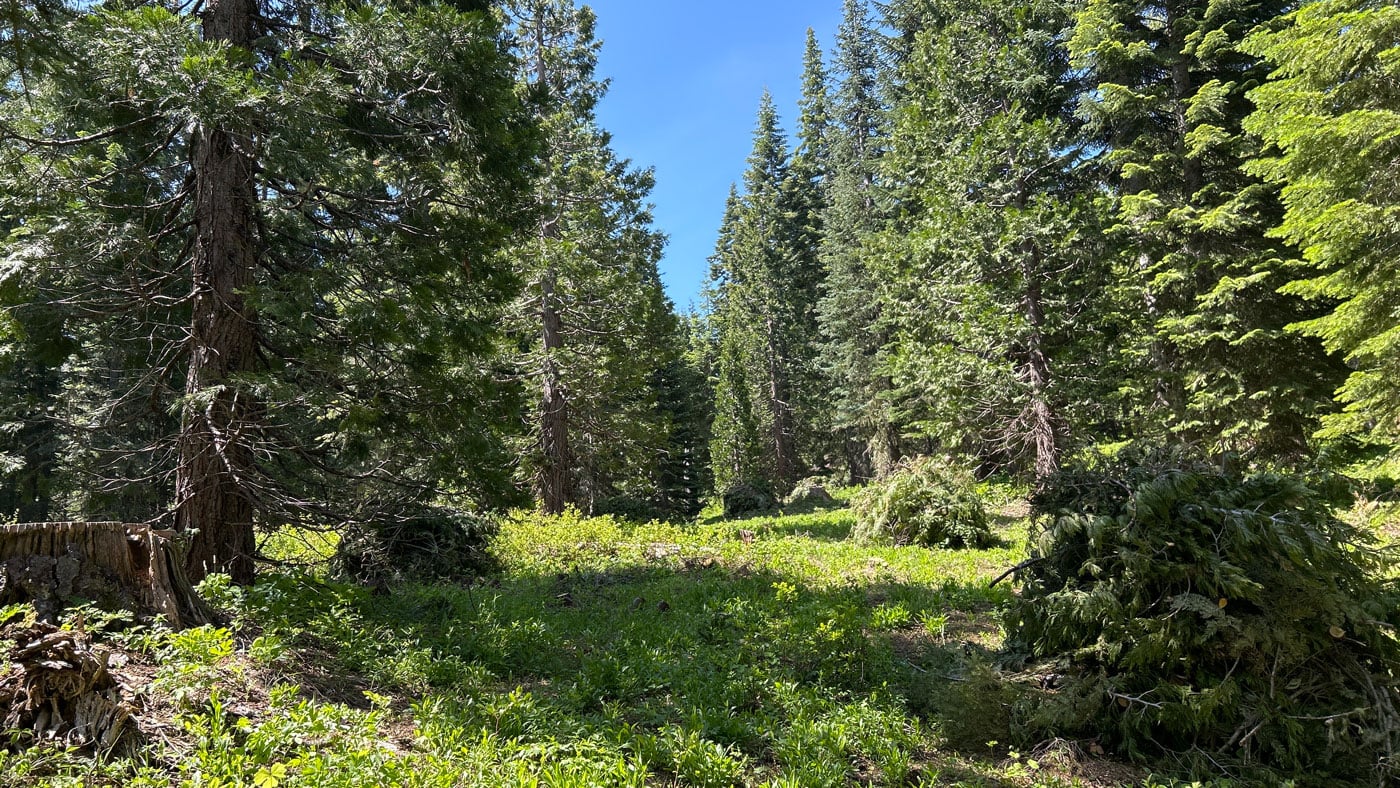 BDF supported a USDA Forest Service project that thinned 228 acres in the South Cascade mountains to improve black-tailed deer habitat
 Our Shared Responsibility
Hunters bring decades of first-hand experience and knowledge about black-tailed deer, and we invite you to become part of this cause. Moving forward, conservation success depends on collaboration among wildlife agencies, forest managers, private landowners, hunters, and conservation organizations like BDF. It also requires science-driven decisions, reliable funding for research and management, and strong public support for conservation efforts.
Black-tailed deer are remarkably adaptable, but today’s rapid, human-driven changes will challenge their resilience like never before. As BDF works to restore habitat, fund critical research, and advocate for policies that safeguard black-tailed deer and their forest home, we invite broader participation from everyone who values the Pacific Northwest and its unique natural heritage.
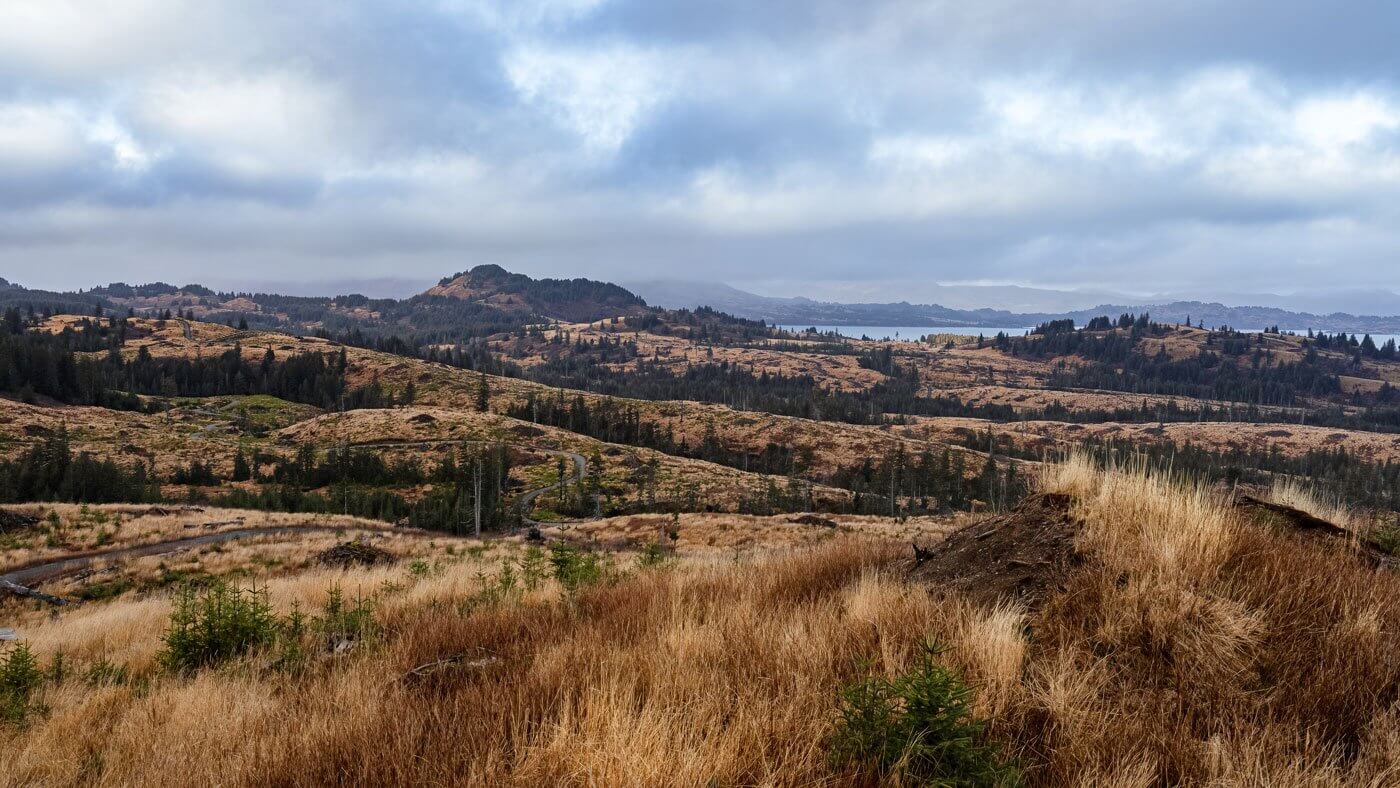 Landscape photo of Sitka black-tailed deer habitat in Kodiak Island, AK
The Blacktail Deer Foundation is committed to being an active part of the next chapter in black-tailed deer conservation as we improve habitats along the Pacific Coast. By protecting these unique landscapes, we preserve the wild character of the region itself. Through thoughtful stewardship, sound science, and collective commitment, we can ensure these magnificent animals continue to thrive in the misty forests of the Pacific Northwest for generations to come. Learn more about the Blacktail Deer Foundation and become a member!
