- Savage Blog
- Mastication: A Modern Tool for Healthier Forests and Thriving Mule Deer
Mastication: A Modern Tool for Healthier Forests and Thriving Mule Deer
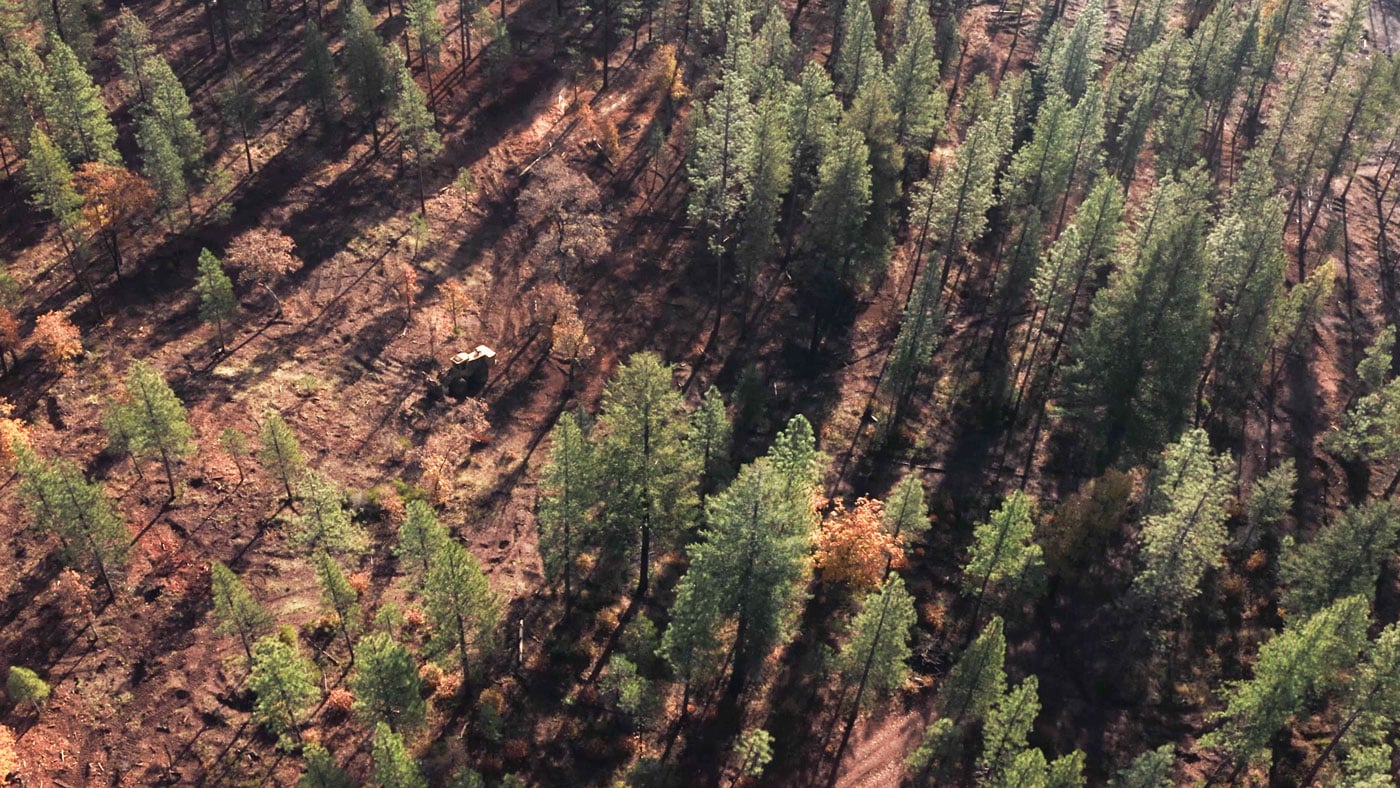
When you think about forests and wildfire, mule deer might not be the first thing that comes to mind, but the health of our forests and the future of deer herds are directly tied together. For decades, fire suppression across the West, has allowed forests to grow unnaturally dense which decreases available food sources for deer and fuels the risk of destructive megafires. Massive blazes don’t just threaten communities. They can wipe out critical mule deer habitat, fragment migration corridors, and set back the land’s ability to sustain healthy wildlife. Active forest management and evolving fuels treatment methods can address both wildfire and habitat issues. A more recent tool making a big difference for deer health and wildfire mitigation is mastication, the process of shredding thick brush and small trees into mulch on the forest floor. Mastication reduces thick wildfire fuels, lowers the risk of catastrophic wildfire, and opens space for native plants and shrubs to thrive. For mule deer, that means more nutritious forage and healthier, more resilient forests to call home.
In this article, we’ll explore how mastication works, why it’s becoming such an important tool in modern active forest management, and how the Mule Deer Foundation is partnering with federal agencies and local communities to use this method to boost forest health for mule deer and the people who depend on these landscapes. Across the West, wherever mastication projects have been completed, we hope tracking deer will become easier and that you’ll start to see more deer in places where they haven’t appeared for some time.
What is Mastication?
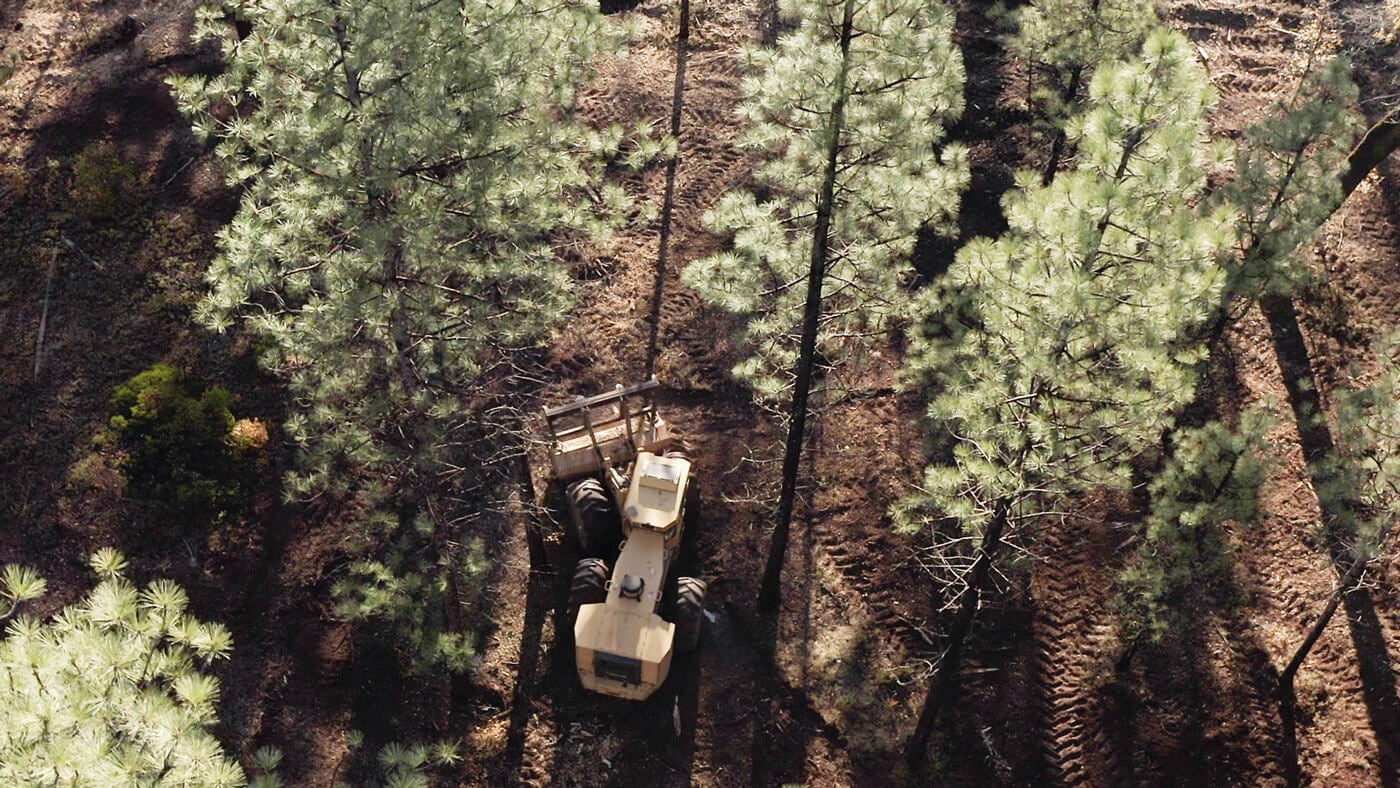
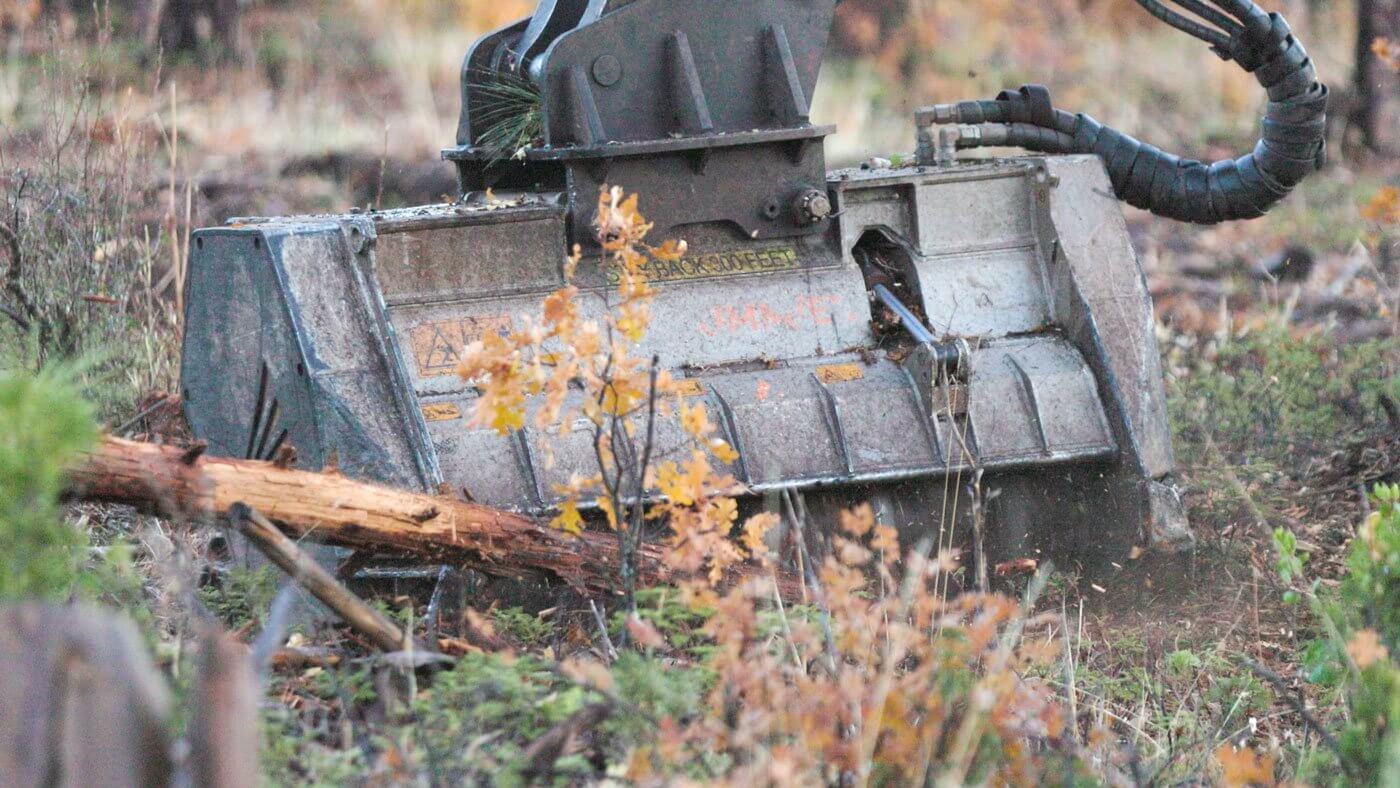
Mastication (sometimes called mulching or shredding) uses specialized equipment, usually large machines with rotating drums lined with cutting teeth, to shred small-diameter trees, dense brush, and understory vegetation. Instead of removing the debris from the site or burning it, mastication leaves the material on the ground in a chipped, mulch-like layer.
The idea of grinding up brush and small trees with heavy machinery first took shape in the 1970s and 1980s. Back then, mastication was new and mostly used for clearing rangelands and reducing brush. In the 1990s, as rural communities began expanding into forests and wildfires started becoming more destructive, land managers looked to mastication as a new way to reduce dangerous wildfire fuels.
Another strength of mastication is its practicality. Unlike prescribed fire, it can often be used in areas where burning would be too risky, such as near communities, roads, or utility lines. It can also be done year-round, providing flexibility that other treatments don’t always allow. In recent decades, improved equipment has made it possible to use mastication across a much wider range of terrain and vegetation. Mastication is now a widely used forest management tool in the West, especially in fire-prone states with hot and arid environments.
How Mastication Benefits Forest Health and Mule Deer
Mastication helps bring back the kind of habitat diversity that mule deer, and countless other species, depend on. By grinding down thick stands of shrubs and small trees, mastication thins the understory and reduces ladder fuels, the vegetation that allows wildfires to climb from the forest floor into the treetops. This greatly lowers the risk of severe wildfires, meaning that even if fire does occur, it’s more likely to burn at lower severity and leave behind the mosaic of habitat that mule deer need.
The mulch left behind also has ecological benefits. It shades the soil, slows erosion, and helps retain moisture, which benefits the regrowth of native plants. Over time, grasses, forbs, and shrubs can again flourish in areas once dominated by thick, woody vegetation.
This kind of rejuvenation is exactly what mule deer need and improves their chances of survival. Deer thrive in landscapes with a mix of open space, shrubs, and patches of cover. When forests are overcrowded, sunlight can’t reach the forest floor, leaving little forage for wildlife. By creating openings and encouraging new growth of nutritious shrubs and forbs, this fuels treatment method provides mule deer with more reliable food sources.
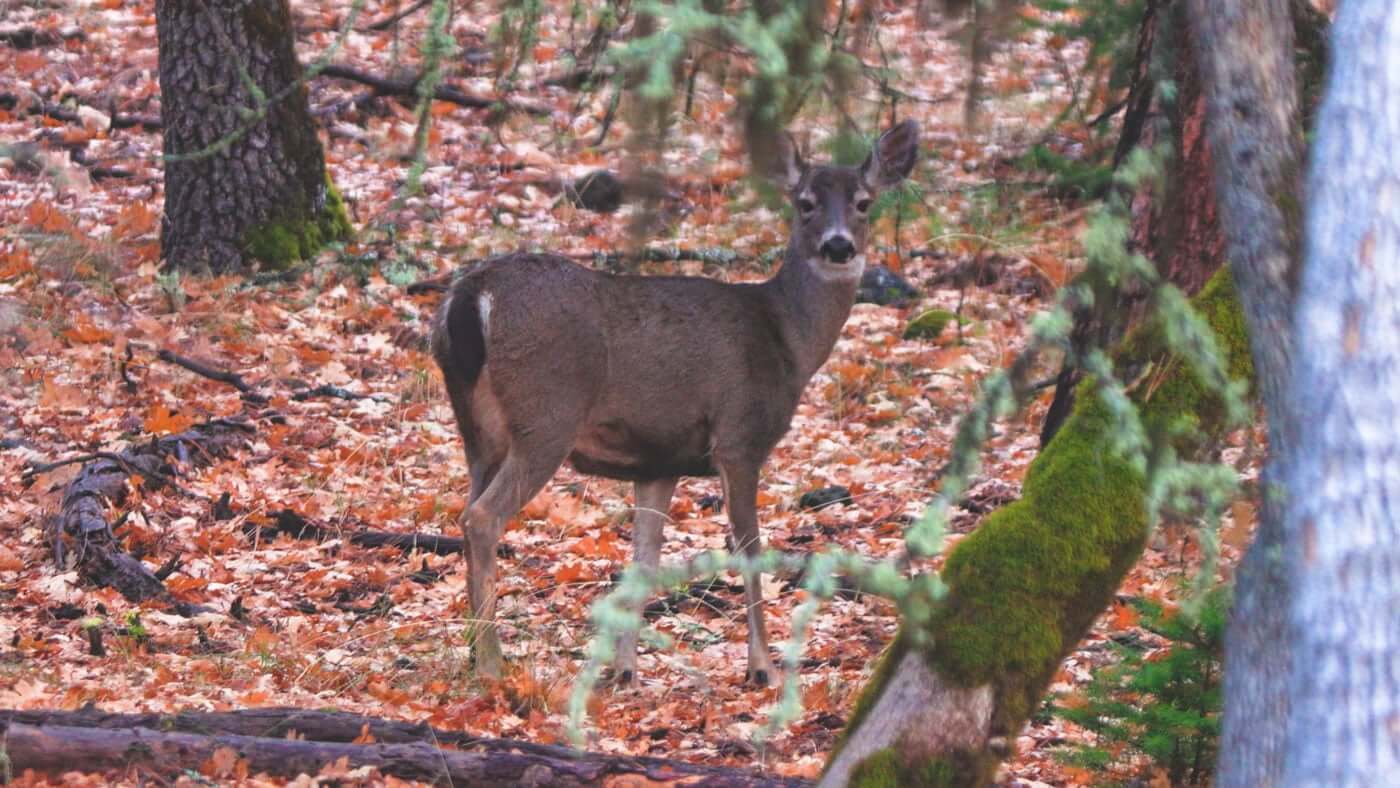
MDF’s Crossroads Project is helping one rural community
By working together with land managers, agencies, and local partners, the Mule Deer Foundation continues to expand the use of mastication where it makes the most sense. And in doing so, MDF is ensuring that mule deer have the habitat they need for generations to come.
The Crossroads Project began in the summer of 2024 and will be completed by the end of 2025. Just outside of Burney, California, the Mule Deer Foundation has been hard at work on this mastication project with the U.S. Department of Agriculture (USDA) Forest Service that is making a big difference for both wildlife and people. The Crossroads Project has been treating roughly 2,400 acres in the Lassen National Forest. This corner of the national forest is dominated by dry eastside pine and oak woodlands, ecosystems that have grown overcrowded after decades of fire suppression and conifer encroachment. That overcrowding created a dangerous build-up of fuels, increasing wildfire risk, and reducing the quality of mule deer habitat.
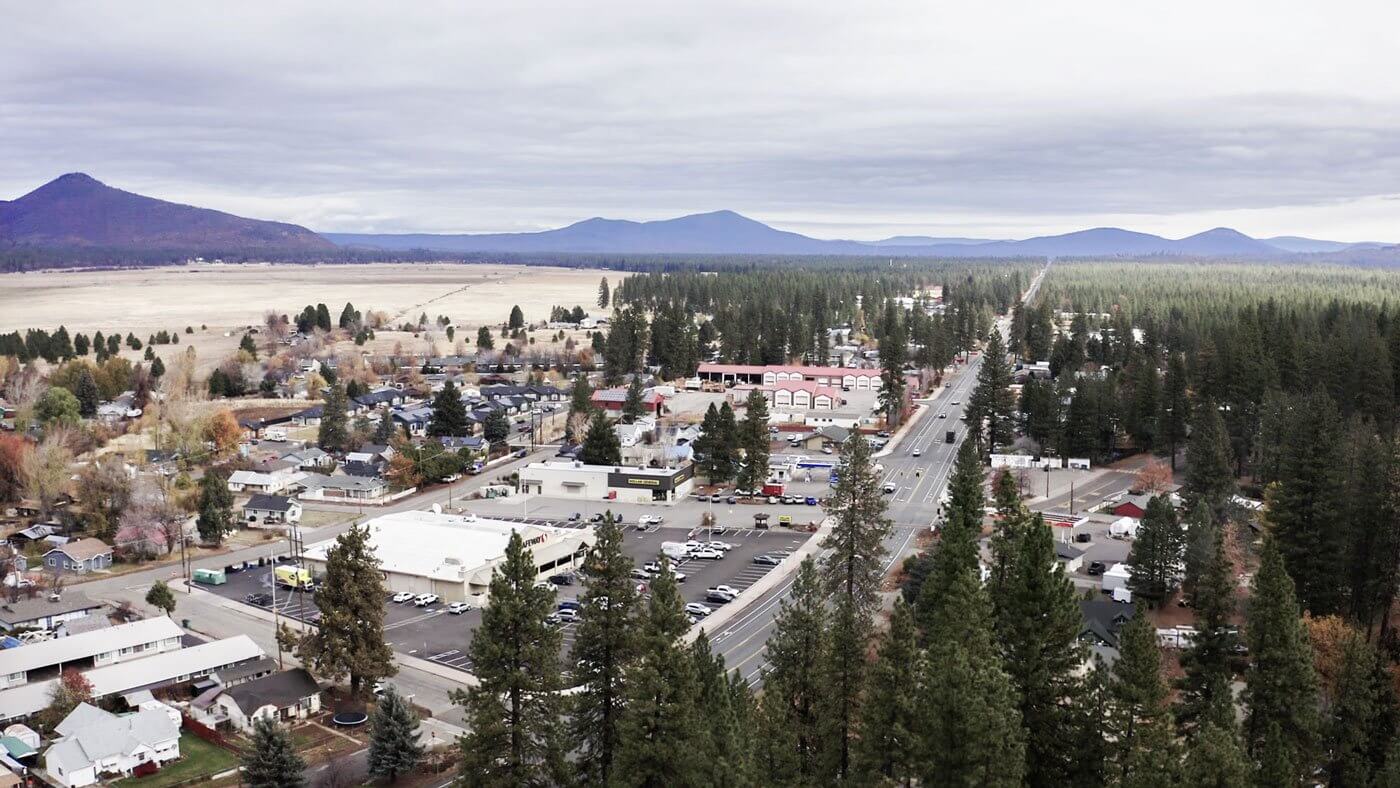
With support from the USDA Forest Service and local contractors near Burney, heavy equipment has been shredding thick brush and small trees into mulch. This work has opened the understory so more sunlight can reach the forest floor, sparking the growth of native grasses and forbs that mule deer will rely on for food in the coming years. At the same time, breaking up these fuels helps reduce the intensity of future wildfires that are becoming more common in this part of Northern California, making both the forest and the nearby town of Burney safer.
This project isn’t just about habitat. It’s about promoting community safety and helping to sustain local economies. The treatment area sits within the wildland-urban interface (WUI), where forestland meets homes, cabins, and popular recreation spots like Burney Falls and Lake Britton. By reducing fuel loads, we’re helping protect both wildlife values and human life and property. The work also improves defensible space for firefighters, making it easier and safer to manage future wildfires.
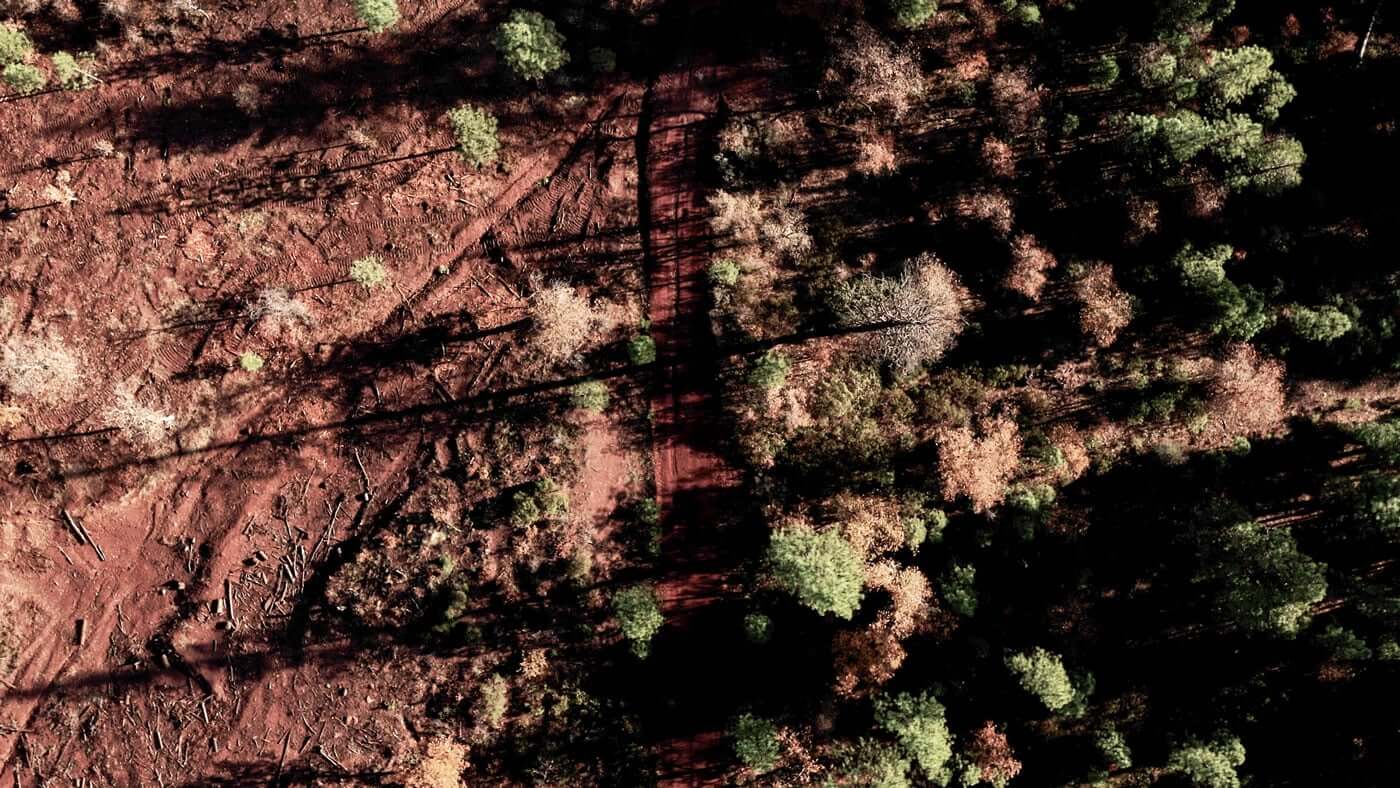
This is what active forest management looks like on the ground: balancing habitat restoration with wildfire risk reduction and forest health. And it’s why the Mule Deer Foundation is proud to join the USDA Forest Service on leading efforts like the Crossroads Project across the western U.S. Thus far, over 276,000 acres of national forest land across the West have been treated to make forests more resilient to wildfire, to help support rural economies, and to improve wildlife habitat for mule deer for generations to come
Become a member of MDF and join our mission to conserve mule deer and their habitat. We are the only conservation organization in the nation with a focus on mule deer and black-tailed deer. If you want to learn more about the Crossroads Project, watch our new three-part short video series on The Mule Deer Foundation Media YouTube channel.