- Savage Blog
- Hunting the Rut in the Southeast
Hunting the Rut in the Southeast
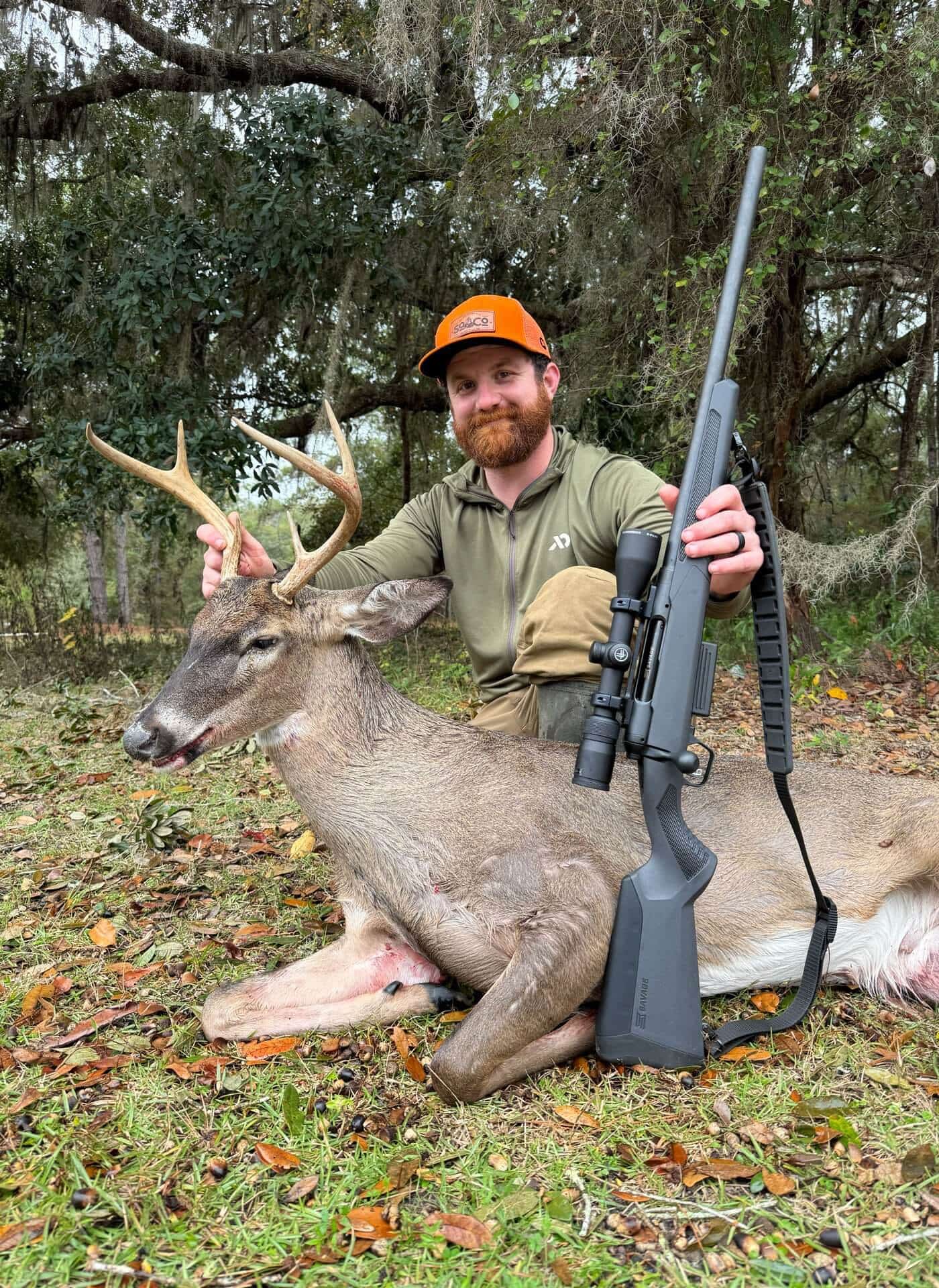
Undoubtedly, if you were to mention hunting “the rut” in most whitetail forums and social circles,
it would elicit crisp, cold mornings in early November, the sound of crunching leaves, and
colorful leaves indicative of the Fall. However, for much of the Deep South, this is something
only experienced through the view of the Outdoor Channel or your favorite YouTube blog, and
the privilege of those with four clearly defined seasons. For many of us in Georgia, Alabama,
Mississippi, and Florida, the rut can more closely reflect folklore than a reality that can be
observed with any consistency.
The exact cause of the whitetail rut is heavily debated, but the impact on hunters is obvious.
Hunters will experience a rut that varies frequently between counties, WMA’s, and even sides of
the street. We should leave the research to qualified individuals and instead see the opportunity
that this trickle rut provides us. As a young deer hunter, I rabidly devoured every book available
at the local library, religiously consumed my favorite TV channel hunting shows, and soon began
to fervently watch hunting shows on a newly accessible YouTube. Quickly, my application of
those lessons and approaches yielded little to no results, and I realized that there was very little
applicable to my geographic areas. Later in life, and after much assistance from deer hunting
mentors, I realized that the sporadic rut in the Deep South could be viewed as a blessing
instead of a curse, providing a prolonged opportunity instead of a finite one. The important part
was to approach it with a different mindset. Here are three lessons I have learned that may
improve your results.
Lesson one: You aren’t hunting the Rut. You’re hunting a Rut.
Each block of timber should be approached with an open slate, and the goal is to identify when
the rut is for that area. This can be accomplished several different ways, but the most effective
method for me has been to rely on long-soak camera placements. Trail cameras have become
wildly affordable and reliable, and with careful dedication, you can acquire a small army of
cameras that will document when the best times to hunt are. Most folks tend to key in on when
bucks are daylighting or in the area, which is not a bad tactic; however, the real trick is to time
when the does will come into heat. While this is a less attractive part of trail camera data than
identifying a big buck in the current season, by monitoring does you learn when they will come
into heat next year, and we know that a doe in heat brings all the boys to the ... woods.
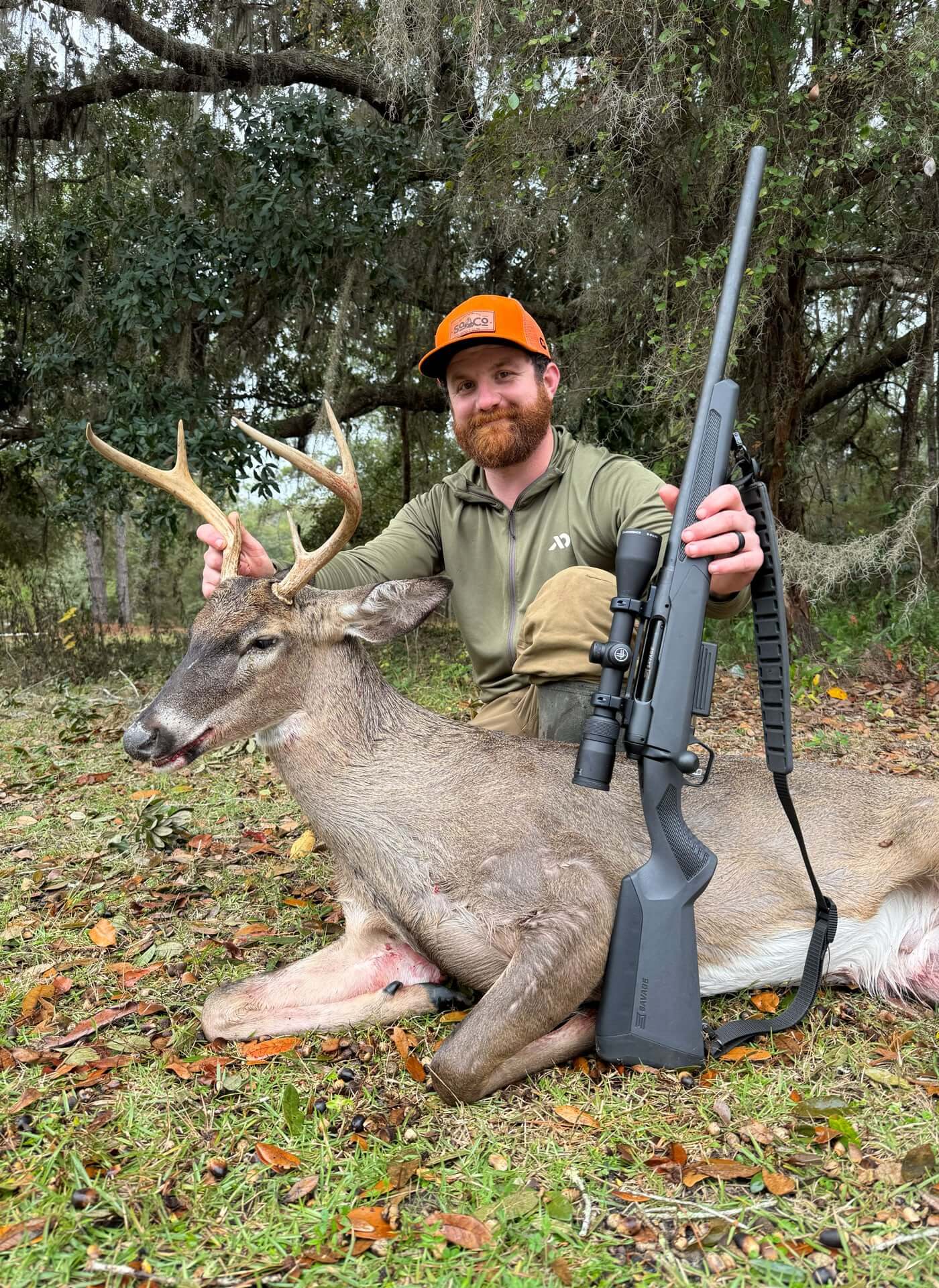
Lesson two: A buck's core area is not easily defined.
One of the most common threads you’ll hear when watching or listening to hunting content is
stories about hunters who were able to locate, pattern, and target a buck in known areas. While
I have been able to do this recently, it is a rarity and should not be regarded as a primary means
of killing bucks. I strongly believe this is because of an abundance of identical habitat, food, and
cover to move undetected. Instead, focus on corridors that funnel movement as you approach
the rut in that area. Corridors like this can vary greatly, and I encourage hunters not to approach
the woods with a predetermined idea of what that must be. Instead, let the deer sign and hunter
sign tell you where that may be. I have seen whitetails use open roads to traverse between
areas just to avoid hunters who are 100-200 yards inside the woodline regularly. This caught me
by surprise initially, but it made it clear that I needed to view the woods differently. Get creative,
think like a deer, and ask yourself, “Am I safe here?”
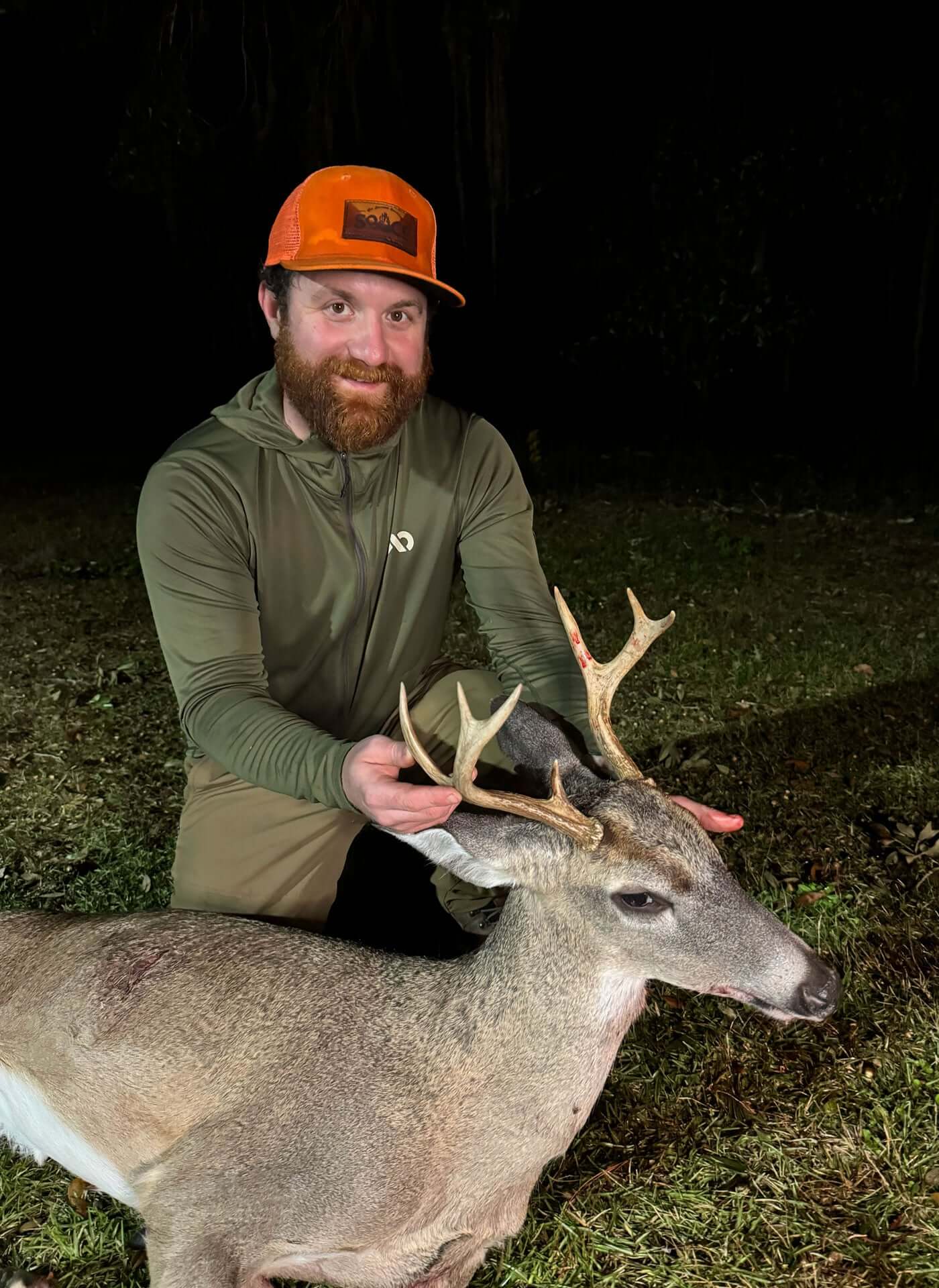
Lesson three: Play the long game.
The strategies I outlined above do not often yield immediate results, requiring a more
year-round approach to learning the whitetail woods. The truth is, most deer hunters begin
scouting late in the Summer or early Fall. After July 4th, the gear gets dusted off, and ambitions
begin to grow, but by then the fawns have dropped their spots, and the ability to date the rut
begins to fade. I recommend that hunters wanting to consistently get buck encounters employ a
more year-round approach. This does not mean that every weekend of the year needs to
revolve around the deer woods, but at least once during the summer, long-soak cameras need
to be placed or batteries refreshed to ensure they are still capturing useful data. I like to run
cameras in an area for 1-2 full years to ensure that I have enough data to properly approach the
area. As is often the case, a camera will be dead for large parts of the year only to become
frequented daily for a few weeks, so don’t judge an area too quickly.
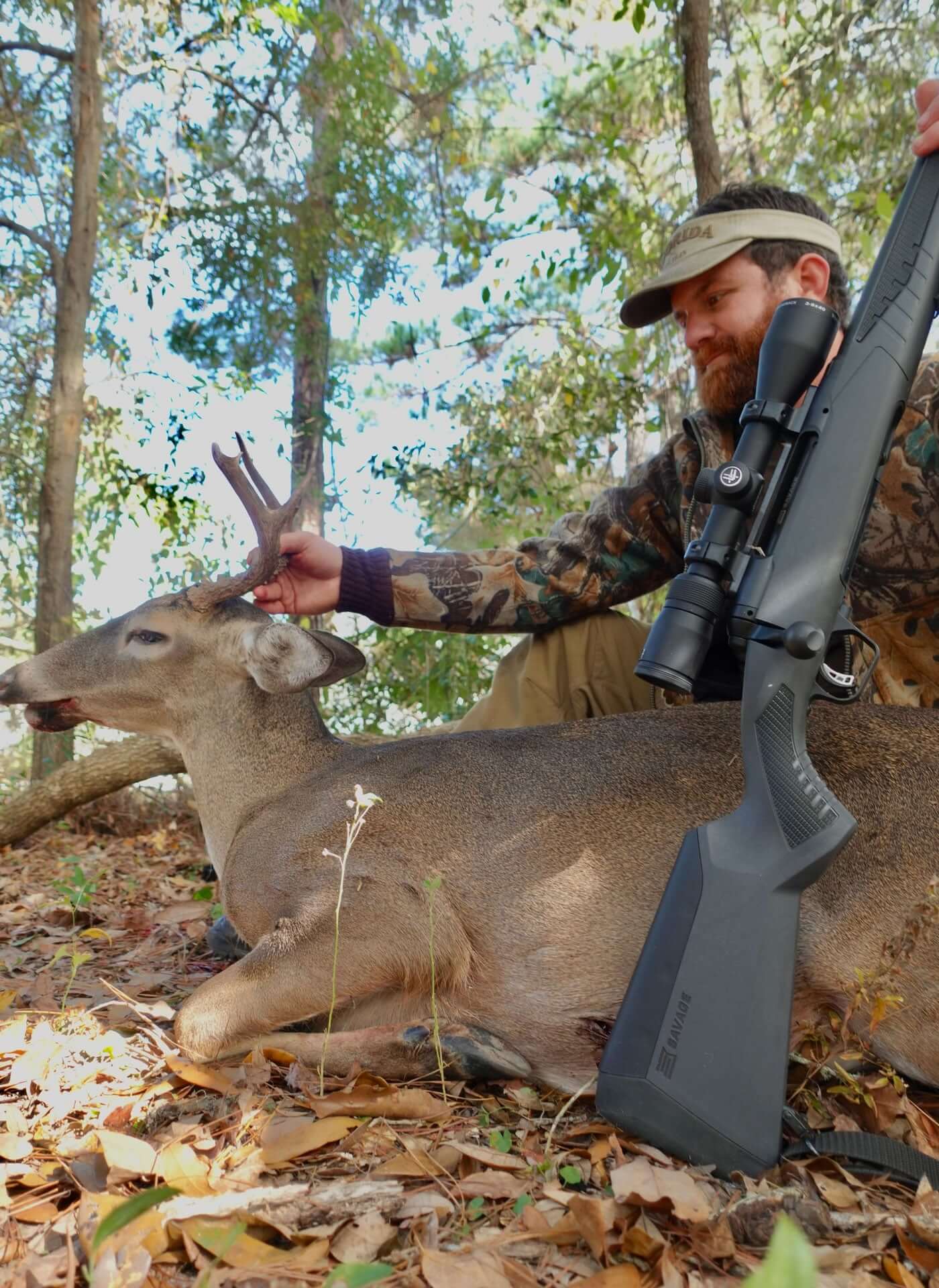
I hope these tips help you find the success in the deer woods you are after. Hunting in the Deep
South can be very rewarding if you have the right approach. While your buddies are up north
staring out the window at the snow, you will be chasing prime hunting across the country!