- Savage Blog
- Late Season Turkey Hunting Tips
Late Season Turkey Hunting Tips

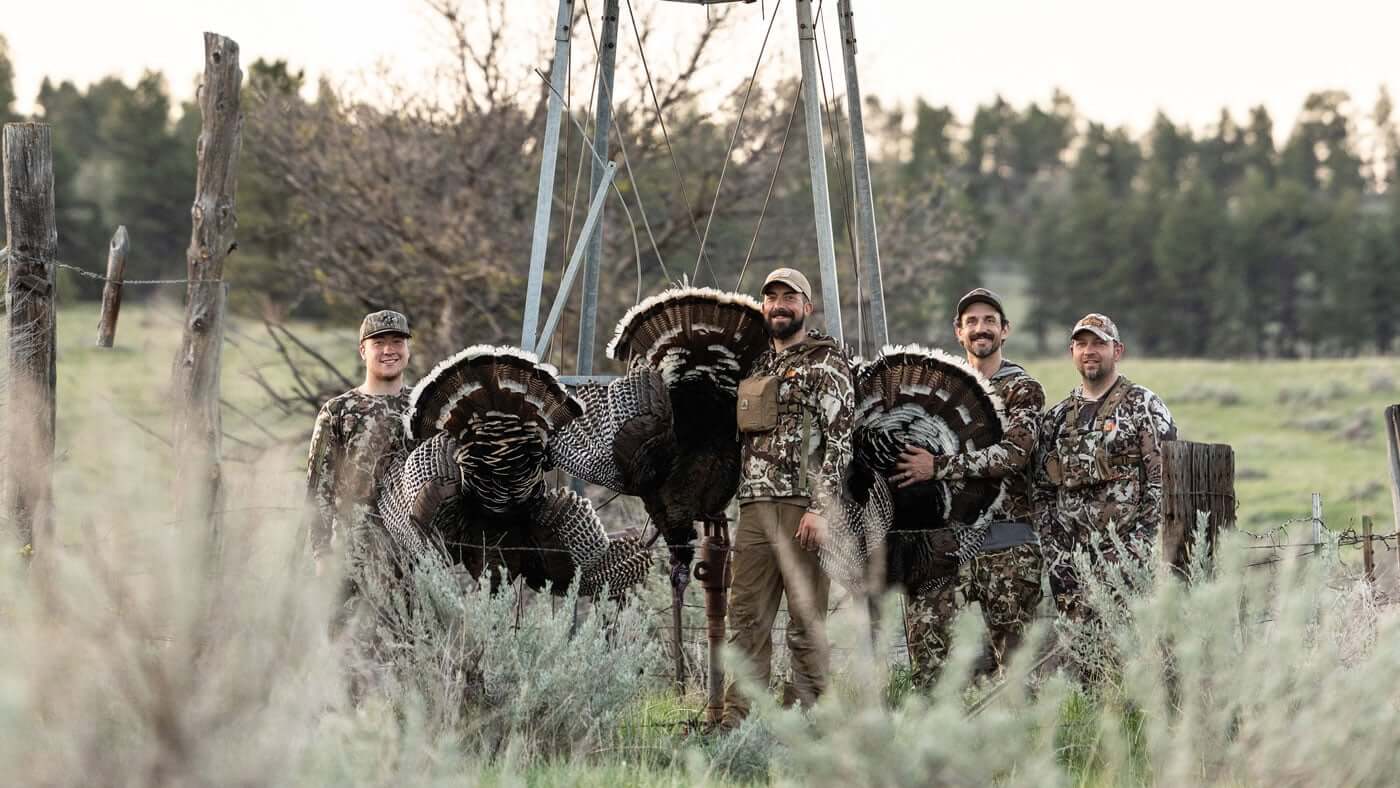
If you hunt turkeys for long enough, you’ll find that late season turkey hunting can be entirely different than the opening week of the season. Turkey’s biology and natural reactions are changing, the weather is heating up, and if you’ve been hunting hard, you’re likely getting tired of early morning wakeups. Hunting the late season requires a different set of tactics than what you used on opening day. In this guide, we’re going to go over where you will find turkeys in the late season, changing your calling strategy, the best time of day to target gobblers, and whether or not you should be using decoys.
Finding Birds: Habitat Considerations
While lots of things change with late season turkey hunting, one thing that doesn’t change is finding water. Water is still king, especially in the late season when the temperatures are rising and the weather is drying out. Your main habitat focus should be flowing creeks, streams if they’re holding water, rivers, and other riparian areas. Where you find water, you’ll likely find turkeys.
Shade is also your friend, especially in the heat of the day. During the afternoon, head to shaded areas where turkeys may dust and loaf, like large hardwood stands, evergreen thickets, and creek bottoms. One last area to take special note of is freshly planted ag fields and burn areas. These spots will have soft, fresh greens emerging from soil disturbance by burning, discing, and planting. Turkeys love eating these fresh greens, or even the freshly planted seeds, so check in on these spots throughout the day to find turkeys grazing and moving through. 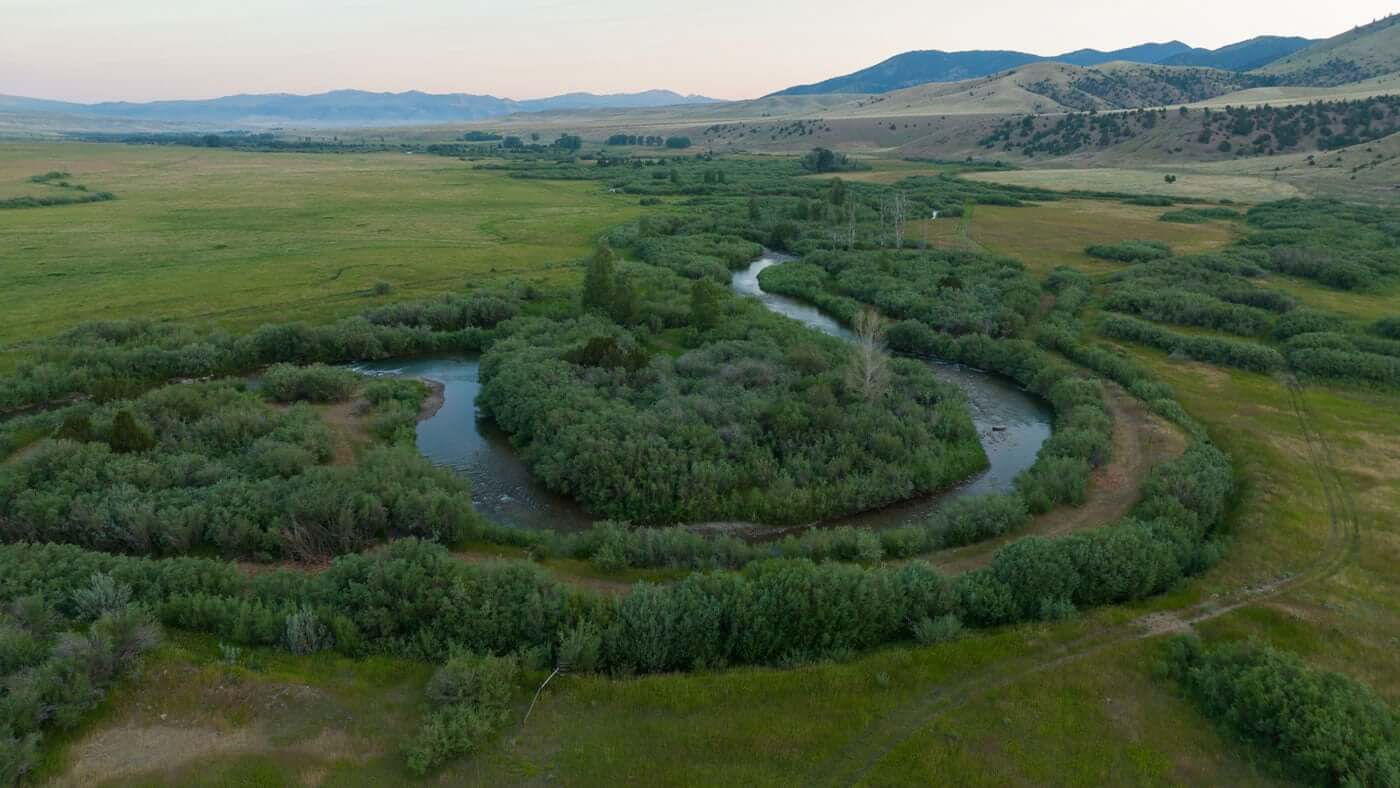
Switching Your Calling Strategy
Early in the season, you can usually get away with some aggressive calling. You’ll either call in an enthusiastic gobbler, or fire up a rival hen to come in drag a tom with her. With late season turkey hunting, your calling strategy needs to undergo some changes to find success. Here are some ways to switch things up.
- Tone down the aggressiveness. Most hens are going off to nest during the late season, so challenging other hens with aggressive calling won’t work. Call softer throughout the day to coax in nearby gobblers.
- Switch up your cadence and tone. Toms have heard the same three note yelp from other hunters all season and have become accustomed to it. Use a different cadence, add some inflection to your calling, and make yourself sound more realistic.
- Use locator calls to find tight lipped birds. Gobbling activity gradually decreases as the season goes on, but you can still pull out a shock gobble. Locator calls are perfect for getting birds to sound off and allow you to pinpoint their location.
No two turkeys are alike, so don’t be afraid to experiment and mix things up. If you’re calling to a gobbler that responds readily, but just doesn’t move, you can still get aggressive with him during the late season! Listen to the bird and plan your calling based off his behavior and how he responds. 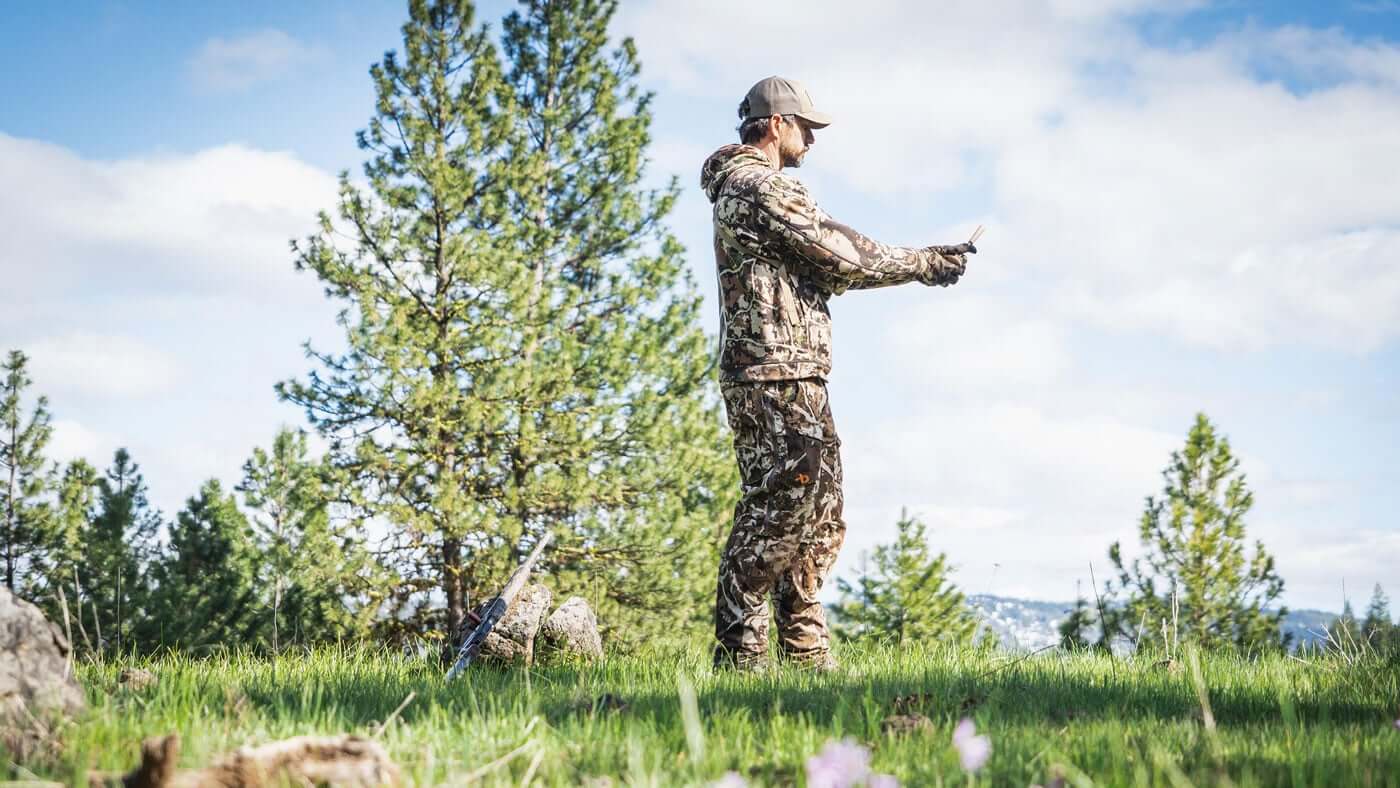
Snooze the Alarm, Hunt the Mid-Morning
Tired of 4 AM wake up calls to get out to the field ready for first light? We hear you. Luckily, when it comes to late season turkey hunting, you can hit snooze on that alarm. At first light, gobblers are still flying down with hens off the roost. Hens will still hang around with toms for the first couple hours of the morning, even with little breeding activity going on. However, the mid-morning is when it all changes.
When the mid-morning hits, usually around 9-10 AM, hens begin to walk off and head for their nests to incubate. They leave gobblers all by their lonesome, causing the gobbler to panic. They will often start firing back up and gobbling around mid-morning, looking for any receptive hen nearby that hasn’t started nesting yet. This is the perfect time to start calling back to one of these gobblers. Get ready, because he’s likely going to come in hot and fast looking for this new hen to mingle with. So hit snooze on that alarm and get out there later in the morning and hunt those gobblers looking for their next hen of the day. 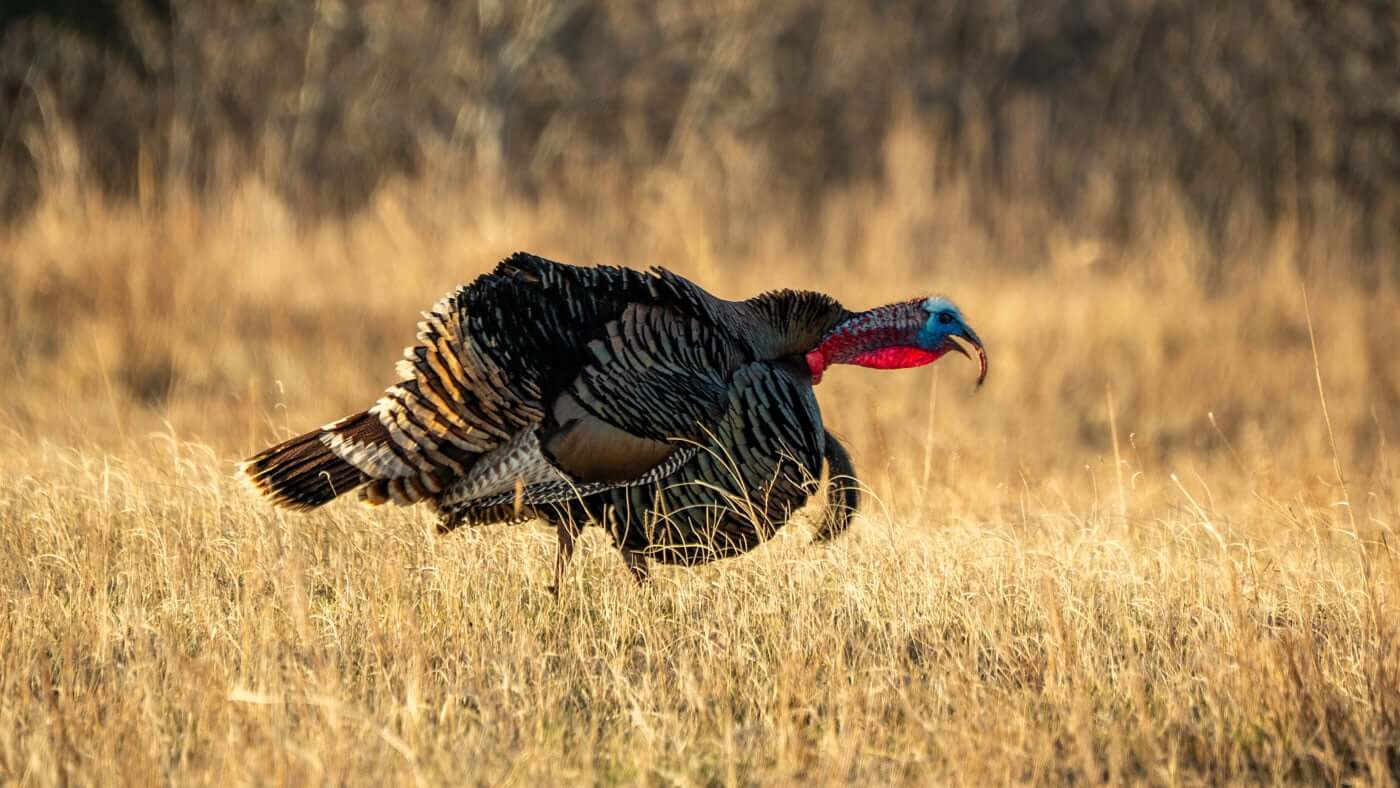
Ditch the Decoys?
Decoys can be great, depending on the terrain and the time of the season. When you’re out in the field for some late season turkey hunting, you need to be careful with your decoy strategy. The same decoy spread you used the first week of the season will look unnatural in the later part of May, or can even scare off a prospective gobbler. By the middle to end of May, jake and strutter decoys are a no go. Chances are high that a gobbler has been in some fights with other gobblers or gangs of jakes already, and subordinate birds will likely be gun shy seeing another gobbler or jake near a hen.
What should your decoy strategy be in the late season? The best use case is in wide open areas like large ag fields and timber clearings, where a gobbler still needs that visual cue to bring him across an open area and into your setup. What decoy should you use? A lone hen is often your best bet, since it is the least aggressive option you can use to try to coax in a weary late season gobbler. In most cases, ditching the decoy entirely will work better for you in late season turkey hunting, especially when hunting in cover. Gobblers can be more desperate at this time of the season, so making them hunt for you can be an effective strategy. 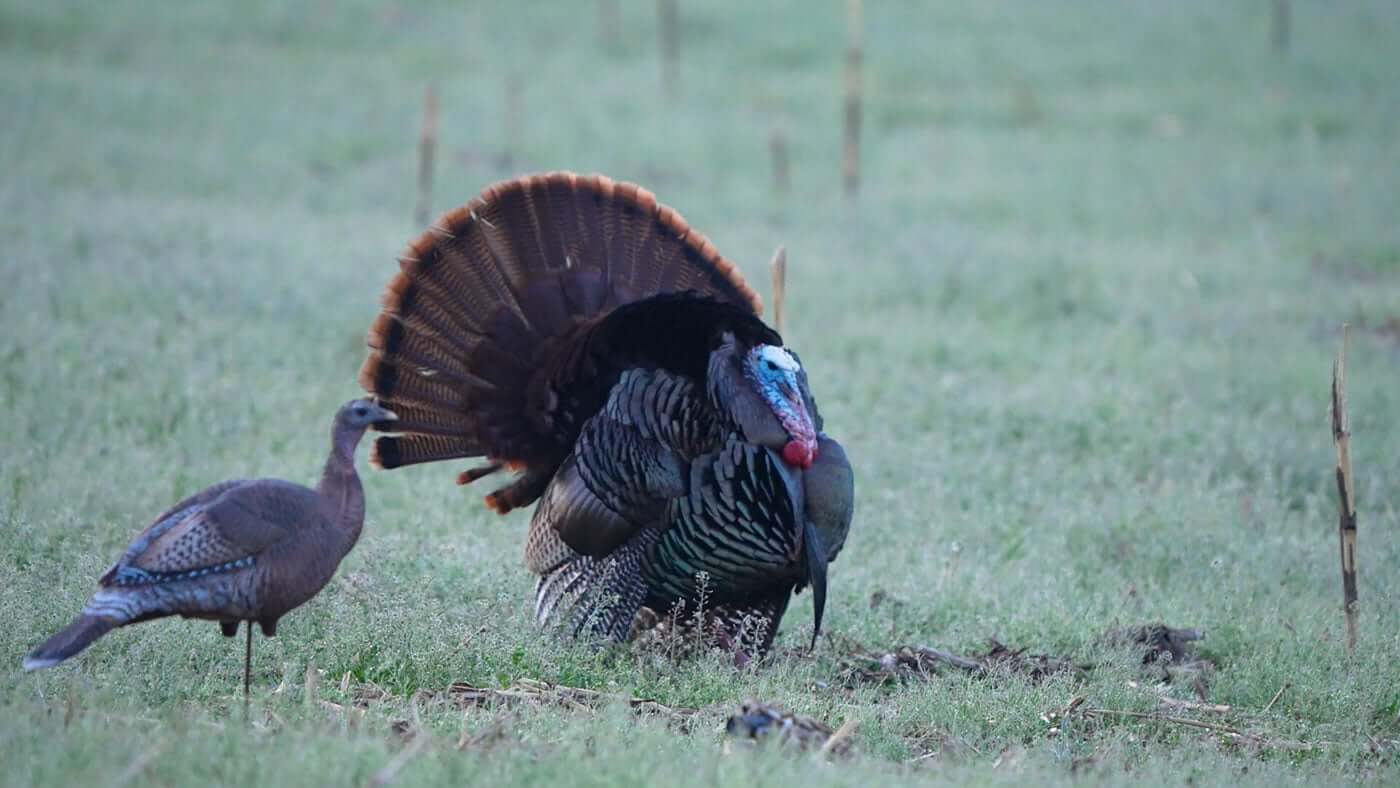
Hunting the late season can feel discouraging, especially if you haven’t punched a tag yet. Changing bird behaviors can make the strategies you used earlier in the season ineffective, and make you wonder what’s going wrong. With a little bit of a strategy shake up, and hunting the right habitat and terrain, you can still get on birds and have success well into the month of May. So don’t shy away from late season turkey hunting, embrace it! You may just have your best hunt of the season.