- Savage Blog
- Light Goose Conservation Order: A Unique Hunting Season
Light Goose Conservation Order: A Unique Hunting Season


If you're new to waterfowl hunting, you've probably spent your time chasing ducks and Canada geese during the traditional fall season. But did you know there's an entirely separate season that gives you another chance to get out in the field? It's called the Light Goose Conservation Order, and it stands alone as a unique waterfowl hunting opportunity. This guide will walk you through everything you need to know about the Light Goose Conservation Order; what it is, why it exists, how it's regulated, and why it's a great opportunity to get out and test your waterfowl hunting skills.
What Is the Light Goose Conservation Order?
The Light Goose Conservation Order (LGCO) is a special federal management action established in 1999 by the U.S. Fish and Wildlife Service (USFWS) in response to a rapidly growing and ecologically damaging population of light geese. It operates under authority of the Migratory Bird Treaty Act and allows licensed hunters to pursue light geese outside of the traditional waterfowl season under a unique set of relaxed regulations.
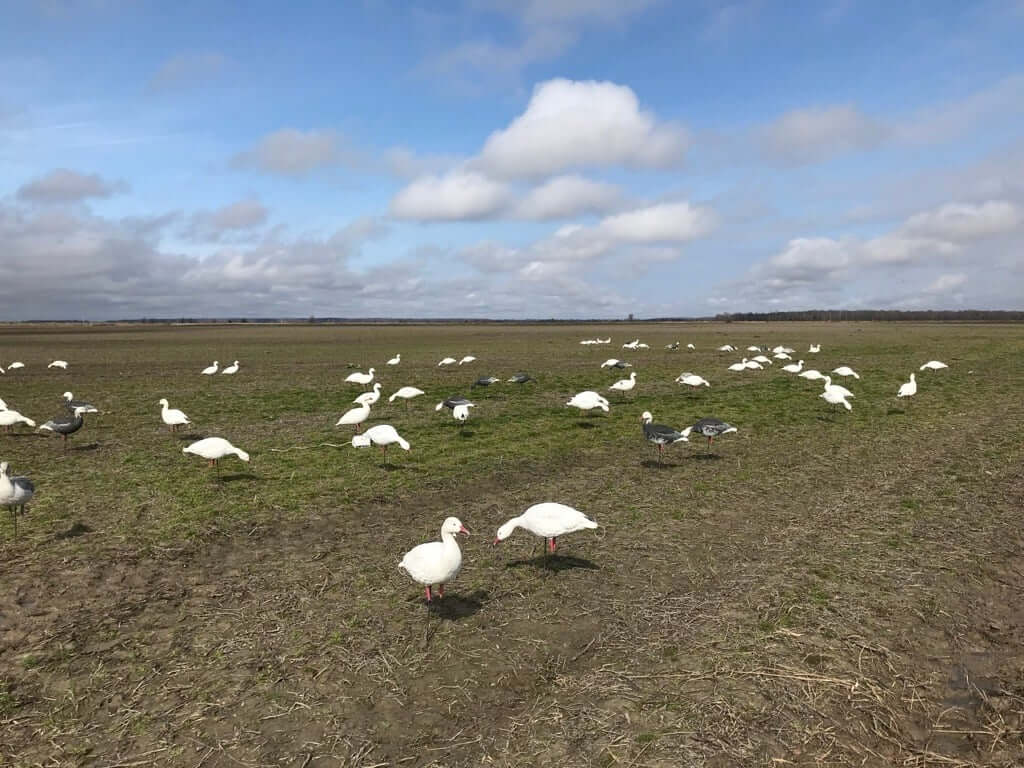
So, before we go any farther, what exactly are "light geese"? The term refers to three species: snow geese (both greater and lesser), Ross's geese, and blue geese, which are actually a dark color morph of the lesser snow goose distinguished by their white face and dark brown body. These birds migrate in massive flocks across most of the continental United States and Canada.
The season typically opens in early February and runs through the end of April, though exact dates vary by state. This timing is intentional, as it coincides with the spring northward migration of light geese as they move from their wintering grounds back toward their arctic breeding habitat. Always check out your state wildlife agency's website for specific dates and any required permits before heading out to the field.
Why Does the Light Goose Conservation Order Exist?
To understand why this special season was created, you must understand what happened to light goose populations over the past several decades. To put it shortly: they exploded.
Beginning in the early 1990s, light goose populations began growing at an estimated rate of five percent per year. The primary driver was a major expansion of grain crops across the Midwest and South, providing these geese with easy and abundant food sources on their way back to their Arctic nesting grounds.
At the height of population growth, biologists estimated there were 16 to 18 million snow geese in North America. The consequences were severe. As those birds returned north every spring, their sheer numbers began to overwhelm the fragile arctic and sub-arctic tundra that serves as their breeding ground. Large flocks strip native vegetation down to bare mud flats, leaving vast tracts of habitat permanently altered or destroyed. This habitat loss harms both the snow geese that cause it, as well as the other species that call these areas home.
Traditional waterfowl hunting seasons, with their bag limits and equipment restrictions, proved insufficient to slow population growth. Wildlife managers needed a new tool that could dramatically increase harvest while remaining socially acceptable. Hunters were the answer.
The Role of Hunters in Habitat Conservation
One of the most compelling aspects of this conservation season is the role it gives everyday hunters in large-scale wildlife management. It’s a strategy that’s steeped in the ideals of the North American Model of Wildlife Conservation that has resulted in the successful conservation of many of today’s most popular North American game animals.
Unchecked population growth in any wildlife species carries serious ecological risks. For light geese, the cycle is particularly self-destructive: as populations grow, they consume or destroy more habitat, which reduces carrying capacity, which leads to food shortages, potential for starvation, and poor condition of surviving geese. Bringing populations back to sustainable levels protects both the geese themselves and the broader ecosystems they inhabit.
For hunters, this creates a rare and rewarding opportunity to directly contribute to conservation while enjoying an exciting extended season. When you participate in the LGCO, you're not just hunting; you're actively helping restore fragile arctic habitat, protect other nesting species, and maintain long-term waterfowl populations across the continent.
Habitat Loss: Understanding the Stakes
The habitat destruction caused by overpopulated light geese is both dramatic and difficult to reverse. In the arctic and sub-arctic tundra, vast areas of once-productive marsh and wetland vegetation have been reduced to barren mudflats by the feeding pressure of millions of geese.
The problem doesn't stay confined to the arctic. During migration, enormous flocks of light geese descend on coastal marshes, agricultural fields, and wetland staging areas throughout the United States. Excessive concentrations can rapidly cause losses to winter wheat, rye, barley, and hay fields. They also put pressure on wetland habitats that dozens of other migratory species depend on.
Reducing the light goose population through increased harvest directly relieves this pressure. Fewer birds means less competition for resources, less crowding on breeding grounds, and improved survival rates for their young. In other words, a smaller but healthier population of light geese is far better for long-term conservation than the current situation of too many geese and too little habitat to support them.

Regulation Structure: What's Different About the Conservation Order?
This is where the Light Goose Conservation Order truly sets itself apart from any other waterfowl season you may have hunted. Because the goal is to maximize harvest, many of the standard restrictions that apply during regular duck and goose seasons are lifted or modified. Here's a breakdown of the key regulation changes:
- No Bag Limits or Possession Limits: During the regular waterfowl season, you're limited to a set number of birds per day, and possession limits cap how many birds you can have on hand at once. Under the conservation order, those limits are gone. There is no daily bag limit and no possession limit for snow, Ross's, and blue geese.
- Unplugged Shotguns: In standard waterfowl hunting, your shotgun must be plugged to hold no more than three shells. During the conservation order, that plug requirement is removed. You can use extended magazine tubes to load additional shells, giving you more shots at passing birds, and a real advantage when hunting massive flocks.
- Electronic Calls: Perhaps the most significant equipment change is the allowance of electronic calls. In regular waterfowl seasons, electronic calls are strictly prohibited. During the conservation order, you can use electronic callers to play recorded light goose calls, which helps give more life to massive decoy spreads meant to mimic thousands of potential geese on the ground feeding.
- Extended Shooting Hours: Typical waterfowl shooting hours end at sunset. During the conservation order, shooting hours are often extended to one-half hour after sunset, giving hunters a longer window to work birds during low-light conditions.
It's important to note that some regulations remain in place. Non-toxic shot is still required, with steel, bismuth, and tungsten-based loads being common options. You may still only take legal light goose species: snow geese, Ross's geese, and blue geese. Canada geese, white-fronted geese, swans, and other species cannot be taken during the conservation order season. Always be sure of your target before you shoot, especially in areas where trumpeter or tundra swans may be present.
One additional requirement that varies by state is a conservation order permit. Many states require hunters to register and obtain a free permit prior to hunting. Some states also require you to submit a harvest report at the end of the season. These data are used by wildlife agencies to track participation and harvest, which informs future management decisions. Check your state's wildlife agency website well before the season opens to understand the regulations in your area.
Tips for New Hunters Participating in the Conservation Order
If you're hunting light geese for the first time, a few key strategies will dramatically improve your experience. Snow geese are notoriously challenging and hunting them requires some specific preparation.
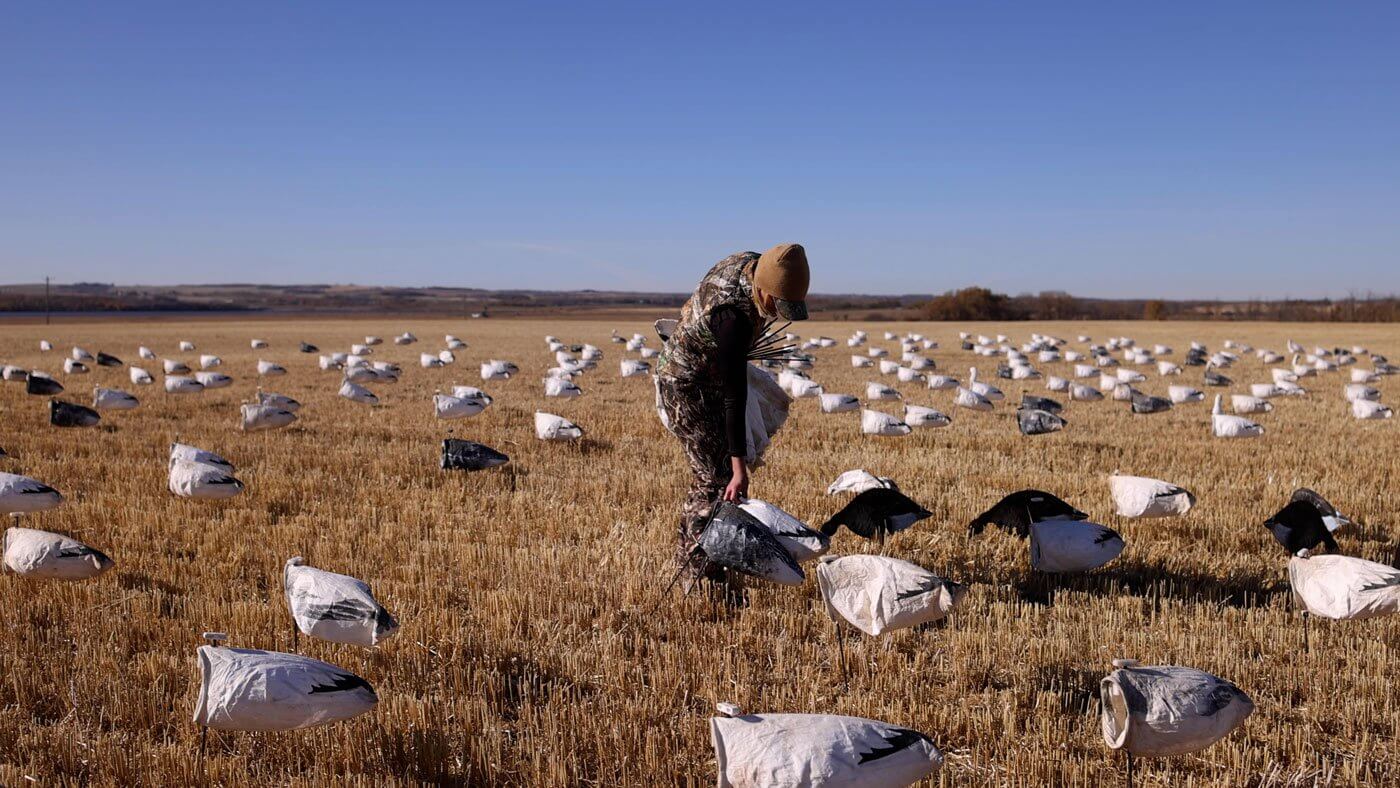
- Decoy spreads for light geese are typically much larger than what you'd use for ducks or Canada geese. Many experienced hunters run hundreds or even thousands of decoys, with a mix of full-body, shell, and windsock-style decoys in white and blue, to realistically imitate a feeding flock. The visual impact of a large spread combined with an electronic caller playing live flock recordings is one of the most effective setups you can run.
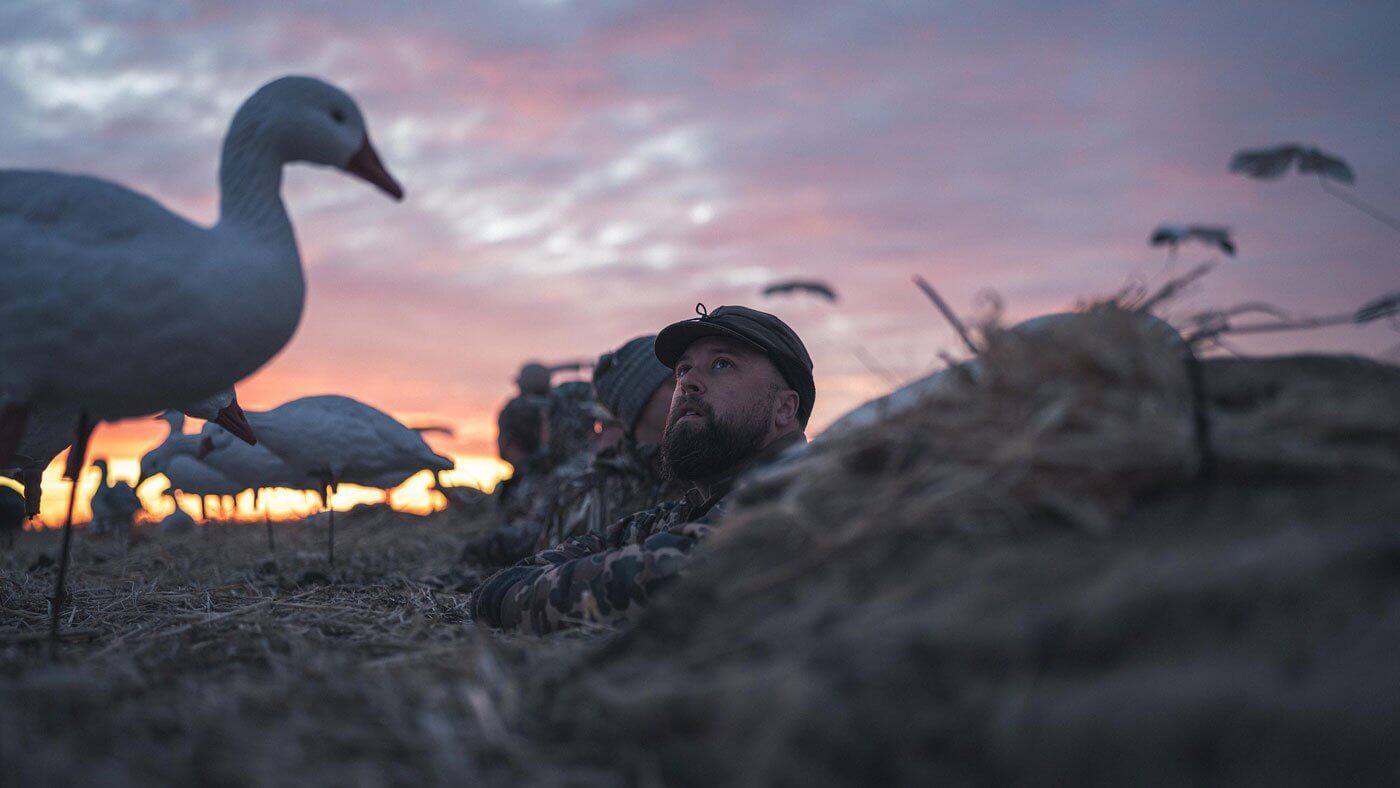
- Concealment is equally important. Wear white outerwear or a white layout blind to blend into your spread. Light geese have exceptional eyesight and will flare away from anything that looks out of place. Field hunting is one of the most popular and productive approaches, giving you the opportunity to ambush flocks in their feeding areas along migration routes.
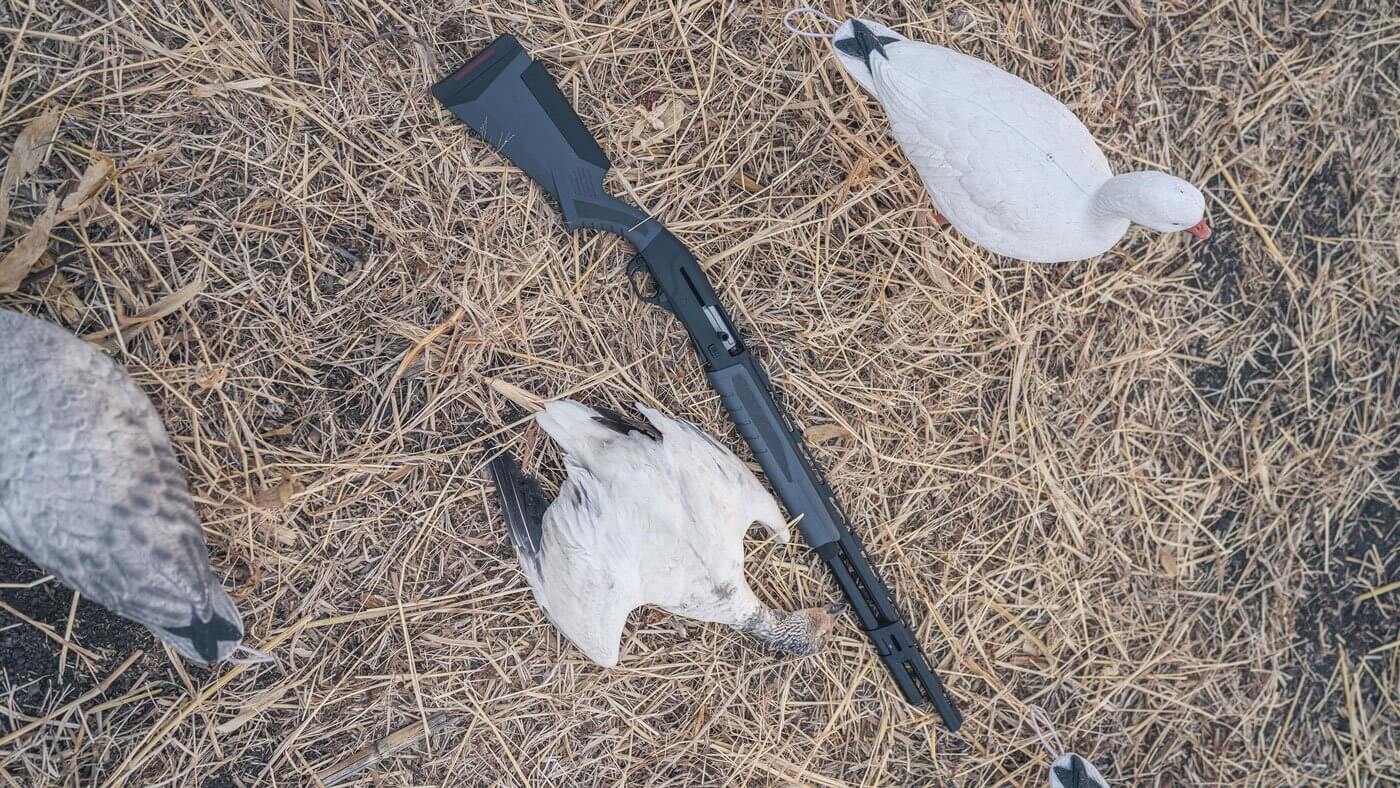
- You’ll also need a quality, reliable shotgun that stands up to long days of hard use. The Savage Renegauge is perfect for snow goose hunting, with a D.R.I.V gas system that maximizes reliability and minimizes recoil to help you get more shots off through the day. The Renegauge also has an extended magazine tube available, perfect for maximizing your ammunition capacity and harvest opportunities.
- Finally, scout your area before the season opens. Because the conservation order coincides with the spring migration, bird locations shift as weather fronts push geese northward. Knowing where the birds are roosting and feeding each day is often the difference between a successful hunt and going home empty-handed.
The Light Goose Conservation Order represents one of the most meaningful intersections of hunting and conservation in modern wildlife management. It gives waterfowl hunters an exciting extended season at a time when most other seasons have closed, while simultaneously addressing a real and urgent ecological problem. Whether you're motivated by the thrill of hunting massive flocks of snow geese, the desire to contribute to habitat conservation, or simply the chance to get more time in the field, the conservation order offers something truly unique.