- Savage Blog
- The Tale of Two Hunts: Black Hills Turkey Hunting
The Tale of Two Hunts: Black Hills Turkey Hunting
Black Hills turkey hunting has a way of humbling you, no matter how prepared—or confident—you think you are. This season offered a perfect reminder, wrapped up in two back-to-back days that couldn’t have been more different.
Day One: All the Signs, None of the Birds
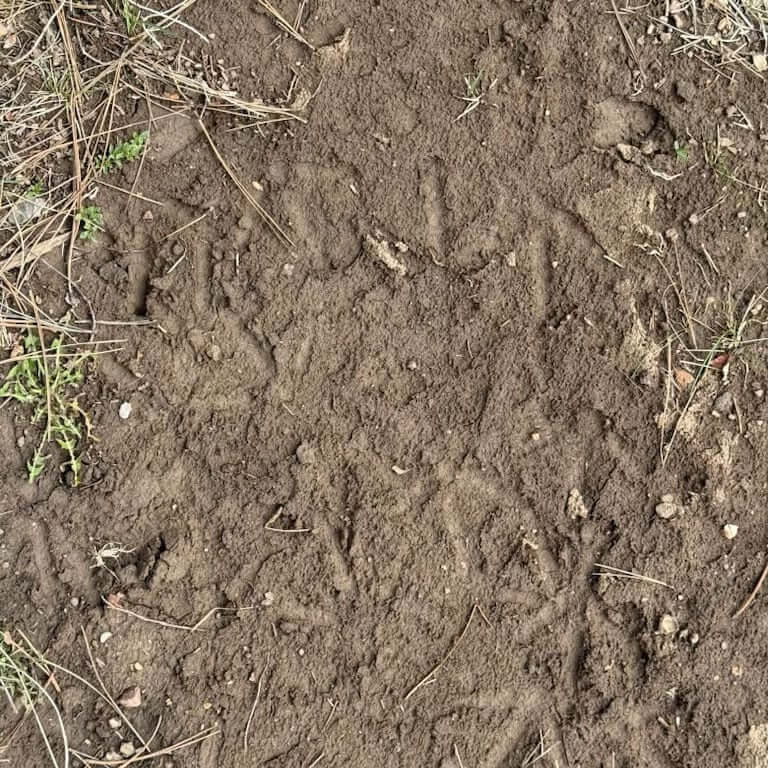
It started the way every turkey hunter hopes. Fresh tracks in the middle of a soggy logging trail. Recent rains tell us the tracks should be from the previous day, going in both directions as walked into our target area. Scat peppered the ground in certain places and key intersections. It was the kind of sign that makes your pulse quicken and your mind start playing out scenarios of gobblers strutting into range.
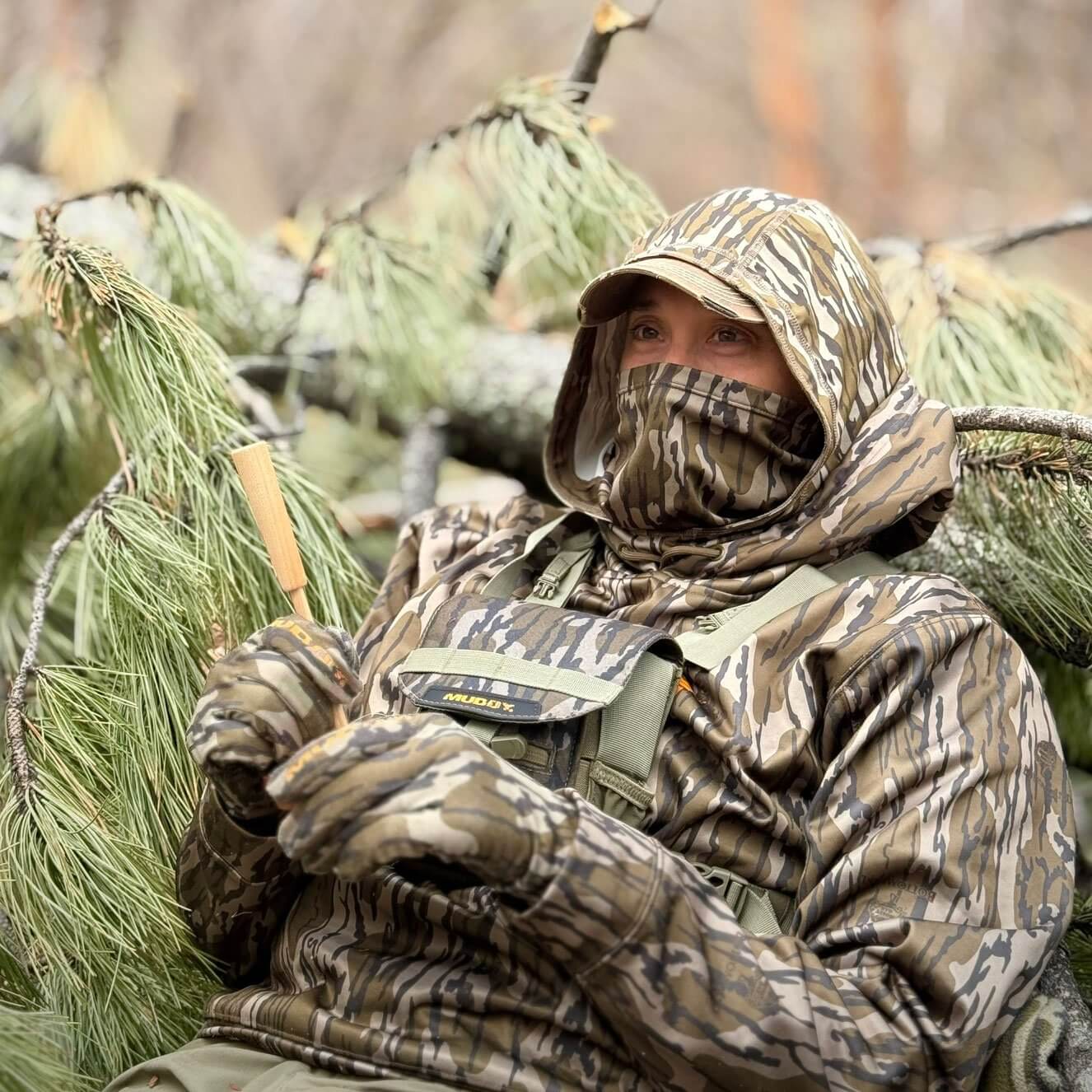
We picked a spot that felt right—a natural funnel between ridges—and built a simple stick blind, brushing it in until it melted into the hillside. The woods were quiet but alive in that early morning way, the kind that makes you believe anything could happen at any moment.
We settled in, calls ready.
And then… nothing.
No distant gobbles. No scratching in the leaves. Not even the flicker of movement through the timber. Hours passed, measured only by the slow shift of sunlight and the occasional glance at each other that said, You hearing anything?
We called sparingly, then more aggressively, trying to strike a response. The woods swallowed every yelp and cutt without so much as a courtesy gobble in return.
By midday, the excitement of all that fresh sign had drained into quiet frustration. We decided to make a move to a different section of the forest for the afternoon/evening sit. Great visibility, plenty of tracks, but again, we heard and saw nothing. It didn’t make sense—but that’s turkey hunting. The birds had been there. Just not now.
We packed up, a little puzzled, a little humbled, and already thinking about Plan B as we hiked out. And as hunting would have it, as we exited the forest and started to get into the trucks, we heard gobbles echoing from the ridge across the valley. Birds on the roost already, and of course, on private land. With no way to access them in the morning, we stuck with our Plan B.
Day Two: From Zero to Chaos
The next morning, we didn’t overthink it. No elaborate plan, no carefully chosen setup. Just a drive to a new spot—different elevation, different terrain, different gamble.
And almost immediately, everything changed. Turkeys. Right there, out in the open, as if they hadn’t read the script from the day before.
We barely had time to process it before slipping into position and throwing out some calls. A couple of jakes broke off and started working their way in, curious and cautious but committed enough to get the adrenaline pumping. It felt like redemption was unfolding fast.
We were able to call in the jakes and a hen to the decoys, but the first group of toms we saw stayed with their hens and moved off of the property. After the jakes and hen moved out, we decided to reposition to better intercept birds that may come back onto our area later that morning.
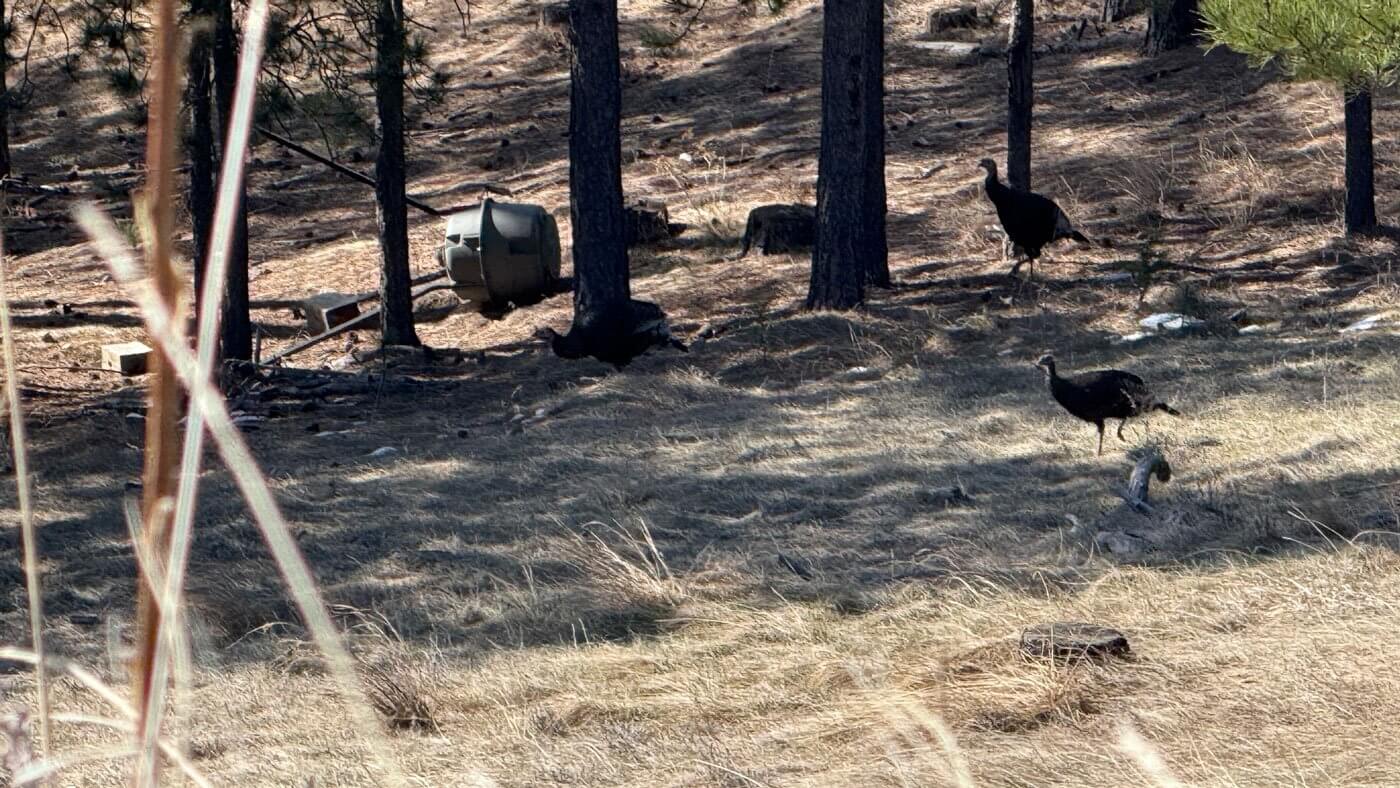
We settled in midway down the hill behind a large rock outcropping. We put out the decoys and let out a few soft calls. Then we saw them.
Four longbeards, strutting behind a group of hens, moving with purpose and completely uninterested in our setup. We tried calling for what felt like an hour, only to get no response. They were not coming our way but were not moving too fast away from us either. Just like that, the hunt shifted gears. Calling wasn’t going to pull them away—not with hens in tow. It was time for Plan C.
So we did what turkey hunters rarely want to do but sometimes have to do. We ran.
Dropping low and moving fast, we tried to cut them off, using the terrain to stay out of sight. It turned into a spot-and-stalk game, closing distance in bursts, stopping to relocate, adjusting angles, trying to think one step ahead of birds that always seem two steps ahead of you.
The quiet patience of the day before was gone—replaced by urgency, quick decisions, and pounding hearts.
As we completely circled the birds and hoped to catch them watching straight towards us, it happened, we were busted. I froze as the hen stared right at me and I saw a red head slowly turn away. We sat and watched the toms turn direction and walk away and towards the outcropping of rocks we had just used for our cover. To our surprise, they were not spooked, just changed their route.
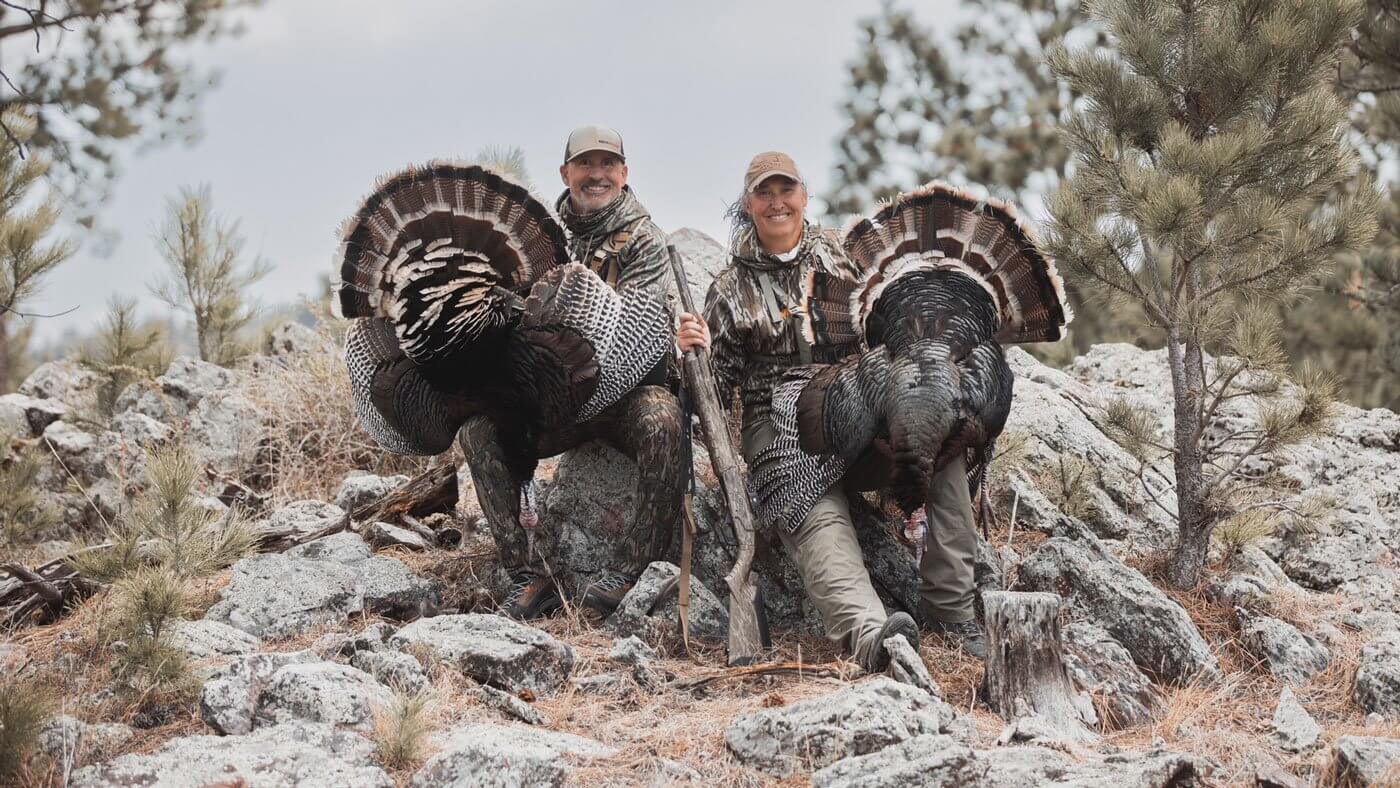
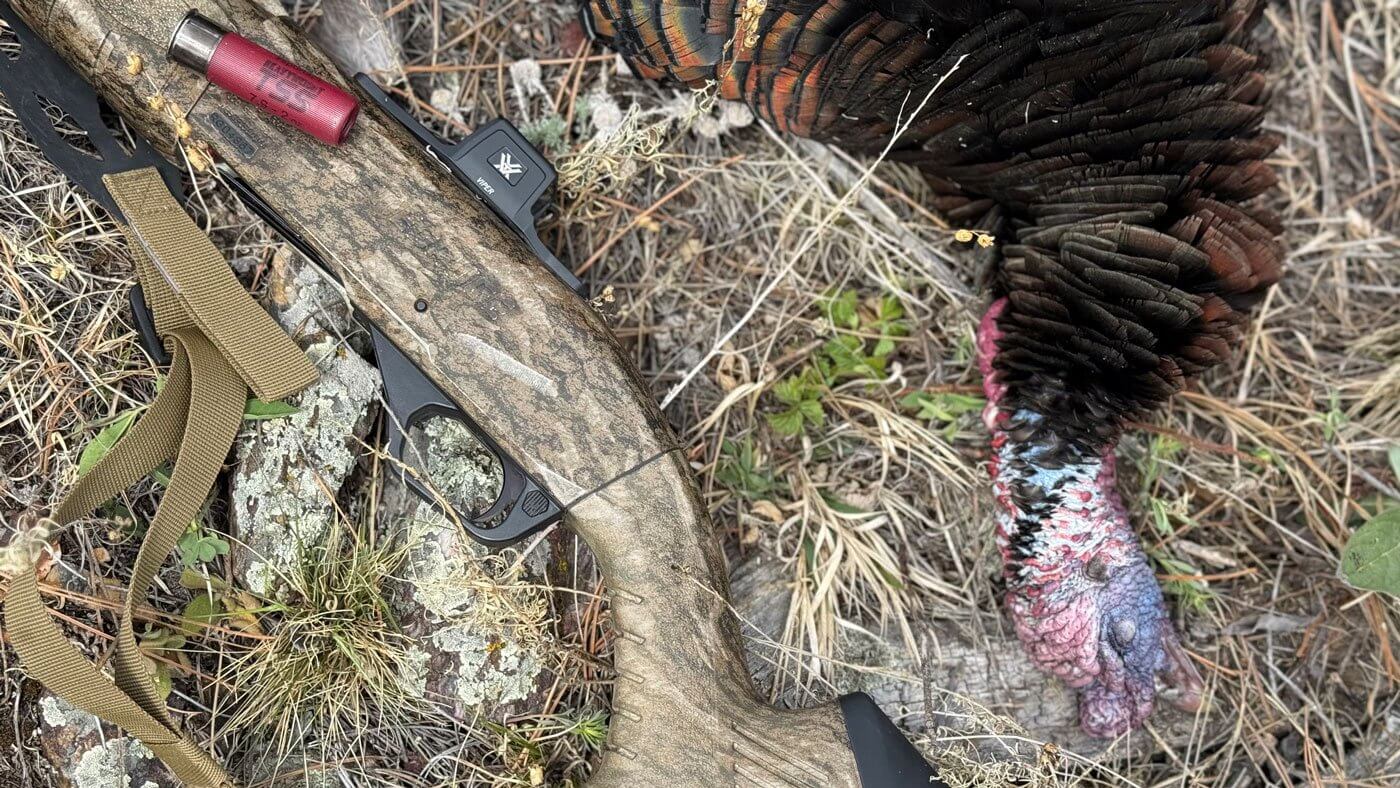
The decision was made, we run, again. We dropped low, circled back the way we had just come, cut between the large rocks and took a chance to pop out along the side of the rocks where we had last seen the birds. We worked our way slowly to make sure we didn’t spook the birds. Every step we were looking all around us to make sure we did not get the slip from the slippery toms. As my buddy peaked over the rocks, he slowed and raised his shotgun, he said, “get behind me and get ready”. As soon as I poked my head around his right shoulder, I saw the four birds and he took his shot. I quickly moved into position; he told me to take the bird on the right. The second crack of the Renegauge in five seconds echoed on the hillside, followed by the shock of what just happened. Two birds. Two shots. And two hunters in awe of what had just unfolded.
Two days. Same hills. Same species. And two completely different hunts.
The Lesson
If there’s one thing Black Hills turkey hunting will teach you, it’s this: turkeys don’t care about your expectations. You can do everything “right” and sit in perfect silence, or stumble into action when you least expect it.
That’s the beauty of it. One day tests your patience. The next tests your instincts.
And both are why we keep coming back.