- Savage Blog
- 5 Reasons to Hunt with a 12 Gauge Shotgun
5 Reasons to Hunt with a 12 Gauge Shotgun

In the last half decade, sub-gauge shotguns have exploded in popularity. Twenty gauges are everywhere (my favorite if you’re going to pick one), 28 gauges have become trendy, and even .410s have been knocking down turkeys, ducks, and upland birds across the country. There's nothing wrong with hunting with a sub-gauge. Modern ammunition has made smaller shotguns more capable than ever before. Also, with metals like bismuth (before the price explosion) you could bust out grandpa’s old sub gun and know you weren’t going to ruin a barrel but still be legal with non-toxic loads. But if your goal is simply to kill game as cleanly and consistently as possible, it's hard to argue against the king of shotguns: the 12 gauge. After decades of hunting everything from doves to late-season mallards to spring gobblers, here's why the 12 gauge shotgun still deserves its reputation.
1. More Pellets Means Less Cripples
Shotguns kill with pattern density. Period.
The more pellets you can put inside a bird's vital area, the cleaner and quicker your kills become.
That's where the 12 gauge shotgun shines.
Whether you're shooting steel, bismuth, or tungsten, the larger hull allows you to carry significantly more shot than any sub-gauge. I understand that is just common sense, but I personally am a fan of less follow up shots.
Yes, shot placement is most important, but having a little more built in “forgiveness” never hurts.
That translates into:
- Denser patterns
- Fewer holes in your pattern
- Greater margin for error
- More pellet strikes in the vital zone
Even if two shells are traveling at the exact same speed, the one carrying more pellets gives you a better chance of making a clean kill.
No matter how good today's tungsten loads are, physics still favors throwing more pellets. 
2. Greater Effective Range
Every hunter has heard someone say they can kill turkeys at 60 yards with a .410.
Maybe they can.
The real question is:
Should they?
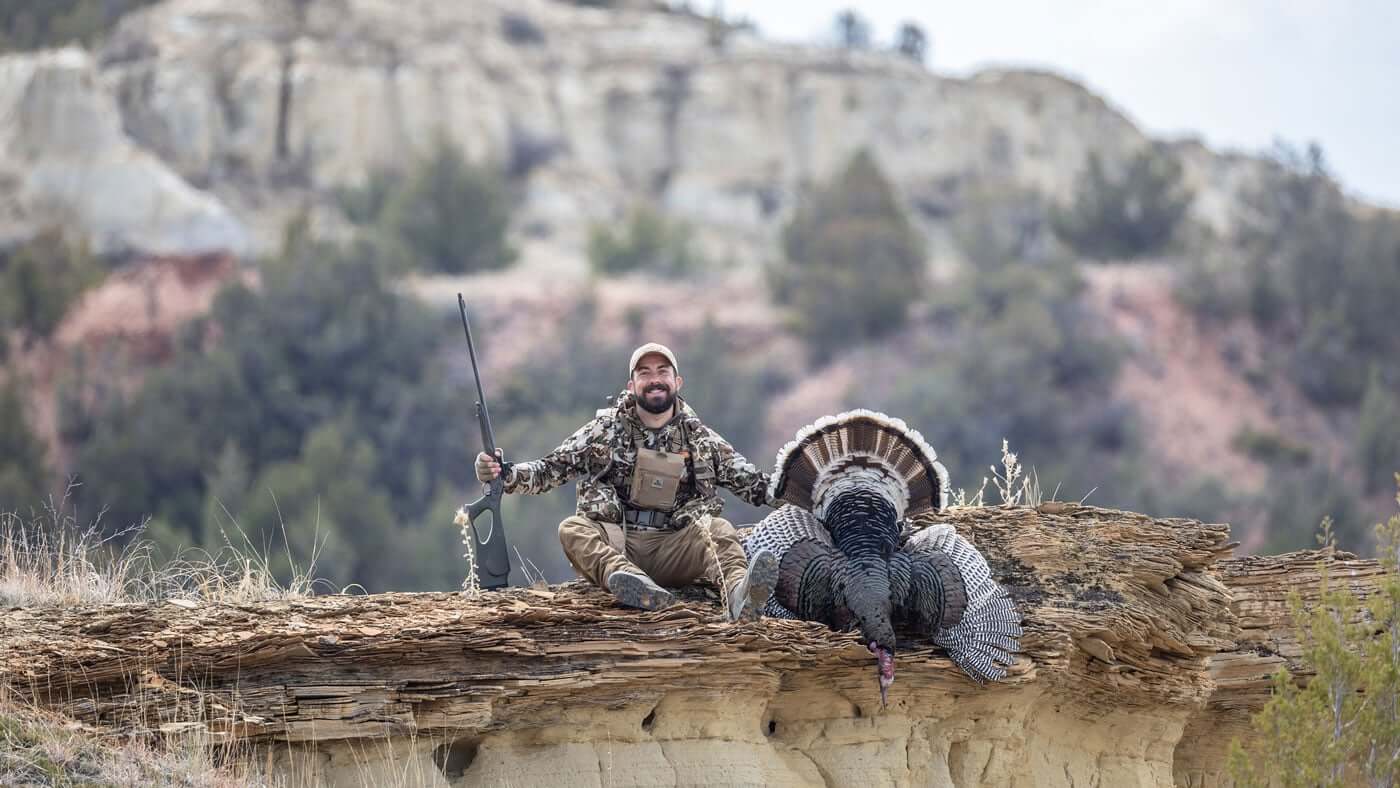
I personally have seen a .410 kill a turkey at 40 yards. But after spending quite a bit of time this past spring putting patterns on paper, I would never feel super confident on shots past 30. Obviously the goal is always to have a turkey at 15 yards, a duck back pedaling over the decoys, and a pheasant flushing in front of your dog’s feet right in front of you, but often times, that is just not how it plays out. Turkeys hang up, ducks flare, and upland birds will run before flushing at 40.
A 12 gauge shotgun gives hunters more forgiveness at longer distances because it maintains pattern density farther downrange.
Whether you're:
- pass shooting geese
- calling ducks over decoys
- chasing pheasants in standing corn
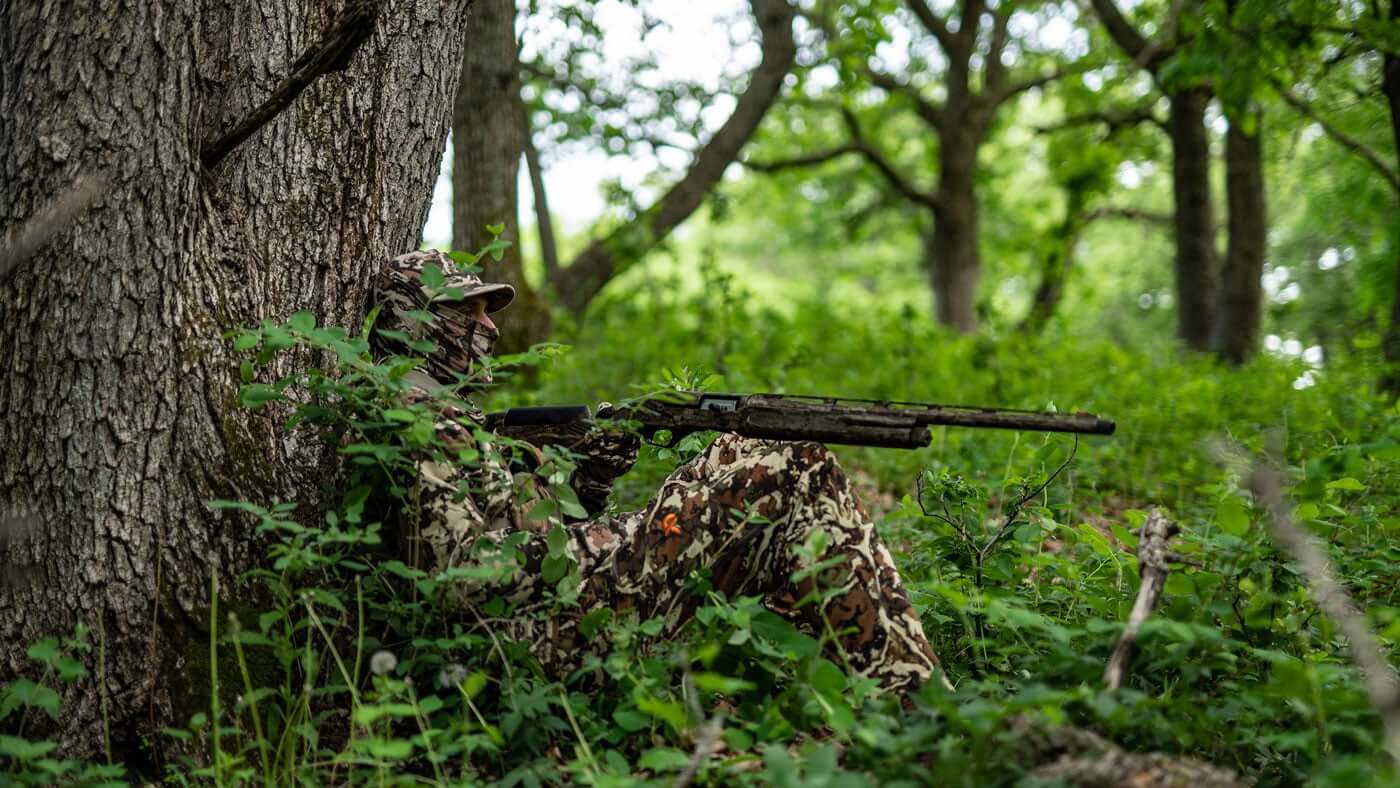
- sitting against an oak tree waiting on a gobbler
The 12 gauge simply keeps lethal pellet counts together farther than smaller bores.
Longer range isn't about taking irresponsible shots.
It's about having a larger margin when the bird hangs up five yards farther than expected.
3. More Versatility Across Every Hunting Season
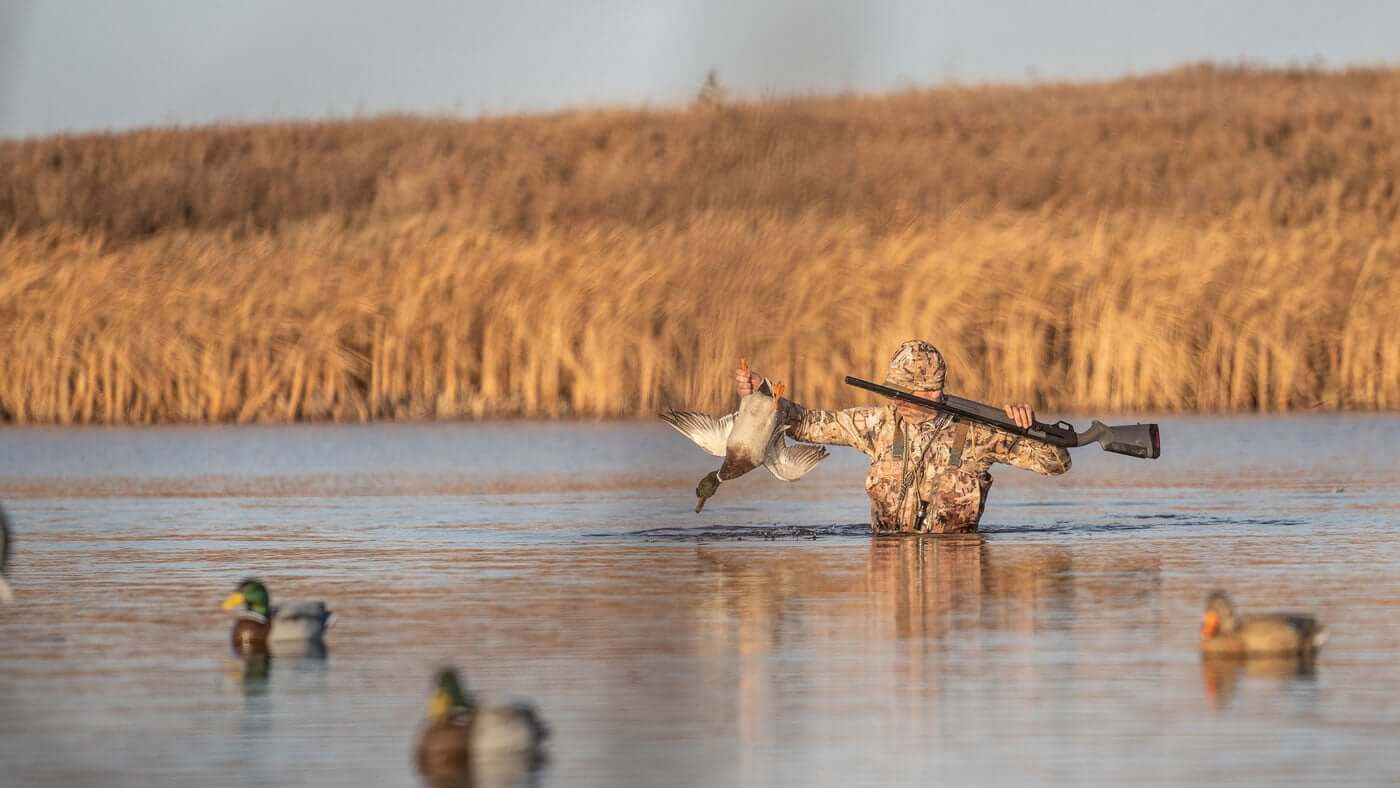
One shotgun.
Dozens of hunts.
That's one of the biggest strengths of the 12 gauge.
A single gun can easily handle:
- Doves
- Grouse
- Pheasants
- Ducks
- Geese
- Turkeys
- Rabbits
- Squirrels
- Predators
Simply change your choke and ammunition.
You can shoot:
- Light target loads
- Fast steel waterfowl loads
- TSS turkey loads
- Buckshot
- Slugs
Very few firearms offer that kind of versatility.
If you only own one shotgun, the 12 gauge is incredibly difficult to beat.
4. Better Ammunition Availability
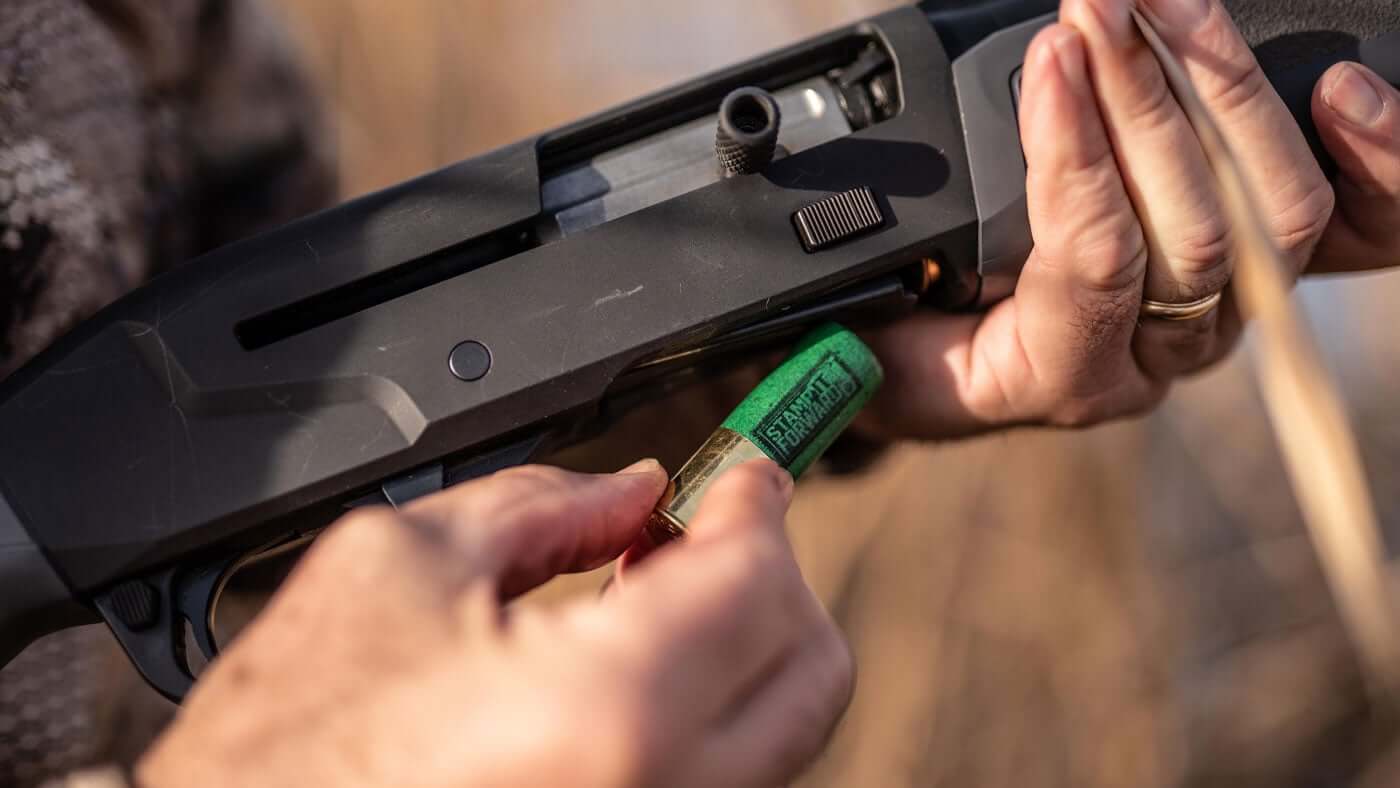
Anyone who's searched for shotgun shells over the past few years knows availability matters. And although ammo inventory is a lot better right now, we all know how quickly that can change.
Walk into almost any sporting goods store in America and you'll find shelf after shelf of 12-gauge shotgun ammunition.
Need:
- target loads?
- turkey loads?
- steel?
- bismuth?
- tungsten?
- slugs?
You'll likely find multiple options.
Sub-gauge ammunition is improving, but it often costs more and offers fewer choices. A lot of that still has to do with a lower demand, as is oftentimes the case with any “niche” product.
This fact becomes especially noticeable when traveling for hunts or buying ammunition at the last minute.
The 12 gauge gives hunters flexibility simply because everyone makes it.
5. Maximum Forgiveness When Things Aren't Perfect
No hunt ever goes exactly as planned.
Birds flare.
Turkeys don’t take that one last step.
A pheasant flushes behind you.
You rush the shot.
A 12 gauge shotgun doesn't make poor shooting acceptable.
But it does give you a little more room for human error.
A slightly denser pattern can be the difference between:
- one pellet in the vitals...
- or five.
Between a crippled bird...
or one that drops immediately.
Ethical hunters should always strive for perfect shots. It is part of the process that we all need to own and continue to improve upon
The reality is that hunting rarely provides perfect opportunities.
When things aren't perfect, the 12 gauge gives you your biggest safety margin.
Are Sub-Gauges Bad?
Absolutely not!
A 20 gauge is an outstanding gun.
A 28 gauge is incredibly fun to shoot.
Modern tungsten has made even the .410 surprisingly capable within its limits.
All these guns are lethal, and have their place in the field.
Sub-gauges also offer meaningful advantages:
- lighter guns
- less recoil
- quicker handling
- a more enjoyable shooting experience for many hunters
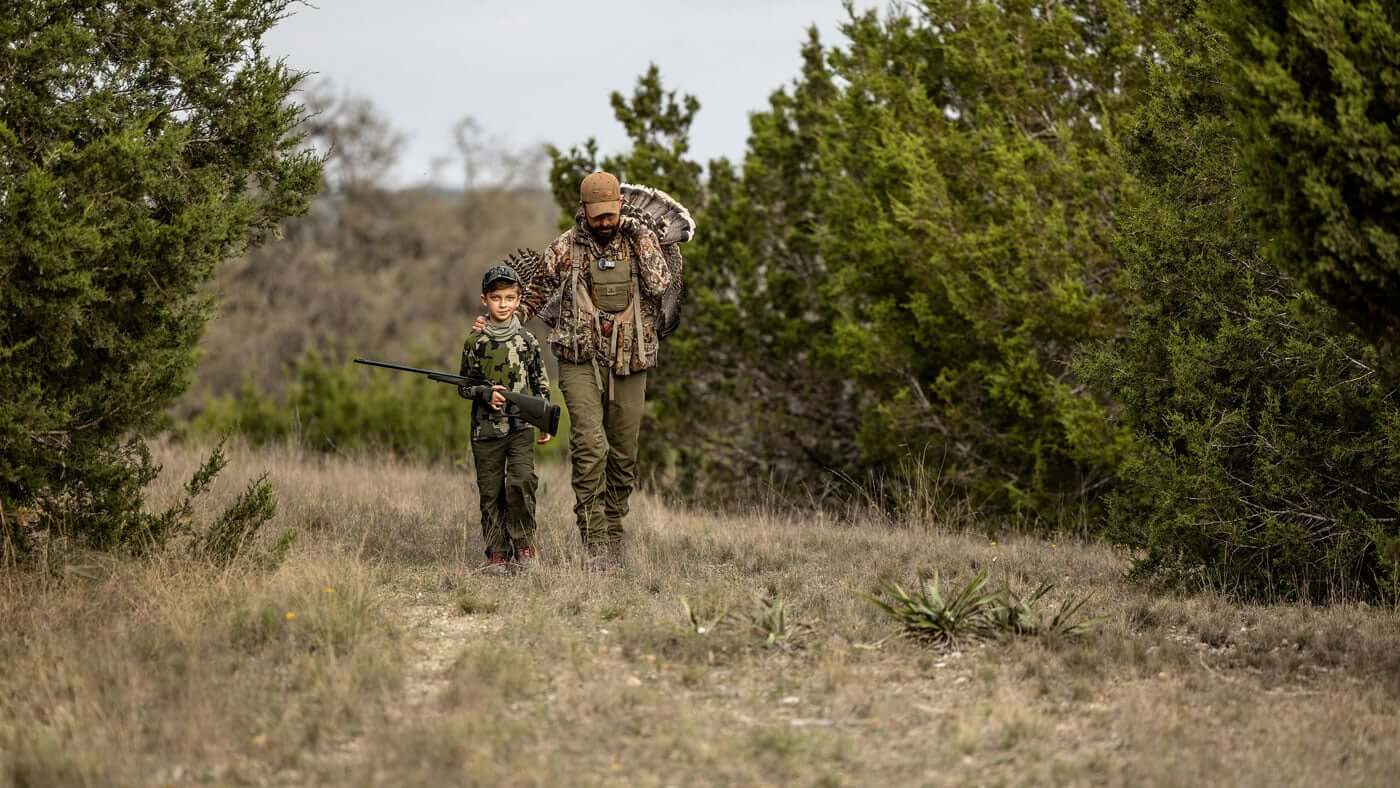
For youth hunters, smaller-framed adults, or hunters who spend miles walking behind bird dogs, those benefits can outweigh the advantages of carrying a larger bore.
Exceptions to the “Rule”
- Skinny Water Waterfowl - If you are hunting small creeks or ponds close to larger roosts or traffic areas, using a smaller quieter gauge can help keep the hunting good all day.
- Young, first time, female, or small framed hunters - I’ve been the 12 year old kid shooting a Ithaca Featherweight 12 gauge shotgun that hurt my shoulder so bad I had to learn to shoot ambidextrous because I could only shoot so many times before I would have to switch to the other shoulder. There is no reason to beat yourself up or dread pulling that trigger.
- Close Proximity to Development - We’ve all witnessed urban sprawl and a growing population. Sometimes, the field that has a giant duck feed is legal, but right on the edge of town. Using quieter guns might mean less confrontation or uncomfortable moments explaining to law enforcement why you’re shooting 75 rounds at first light.
- Fun - If you simply like carrying different guns for different experiences, have at it. Just understand the limitations and the effectiveness of any tool you take into the woods.
The Bottom Line
Sub-gauge shotguns are enjoying a well-deserved resurgence, and they're more effective today than ever before thanks to advances in ammunition.
But if your priority is putting the most pellets into the vital zone, maximizing versatility, finding ammunition anywhere, and giving yourself the greatest margin for clean, ethical kills across nearly every hunting situation, the 12 gauge shotgun remains the standard.
It's not the lightest.
It's not the trendiest.
But when the moment of truth arrives and a flock of mallards finally commits, a covey of quail explode out in front of you, or a gobbler struts into range, there's still a reason generations of hunters have trusted a 12 gauge.
Sometimes, bigger really is better.