- Savage Blog
- New Deer Hunter? What You Need Before the Season
New Deer Hunter? What You Need Before the Season

Nervous. Excited. Maybe a little overwhelmed. If that's where you're at right now, welcome to the club; every single one of us started exactly where you are. Being a new deer hunter means stepping into a world with its own language, its own gear list, and its own set of skills, and it can feel like a lot to take in all at once. So, let's slow it down and walk through everything you actually need to know before opening day.
Learn the Language
Deer camp has a vocabulary all its own and picking it up early will help you follow along with more experienced hunters instead of nodding along and hoping for context clues.
First, the basics: antlered deer are bucks carrying visible antlers, while antlerless deer refers to does and young deer without antlers. This distinction matters greatly when it comes to seasons and tags that determine when you can hunt and what you can shoot. You'll also hear a lot about the rut, which is deer breeding season. During the rut, bucks move more, move during daylight more often, and generally throw caution to the wind in search of does, making it one of the best windows of the year to be in the woods.
A few more terms you'll want in your back pocket:
- Bedding area: Thick, secure cover where deer rest during the day.
- Saddle: A low point between two hills or ridges that deer use as an easy travel route.
- Ridge: A raised strip of land deer often use as a travel corridor, offering visibility and easier movement.
- Draw: A natural depression or small valley, often funneling deer movement between feeding and bedding areas.
- Thermals: The rising and falling of air currents based on temperature, which affects how your scent travels; something every new deer hunter needs to understand before picking a stand location.
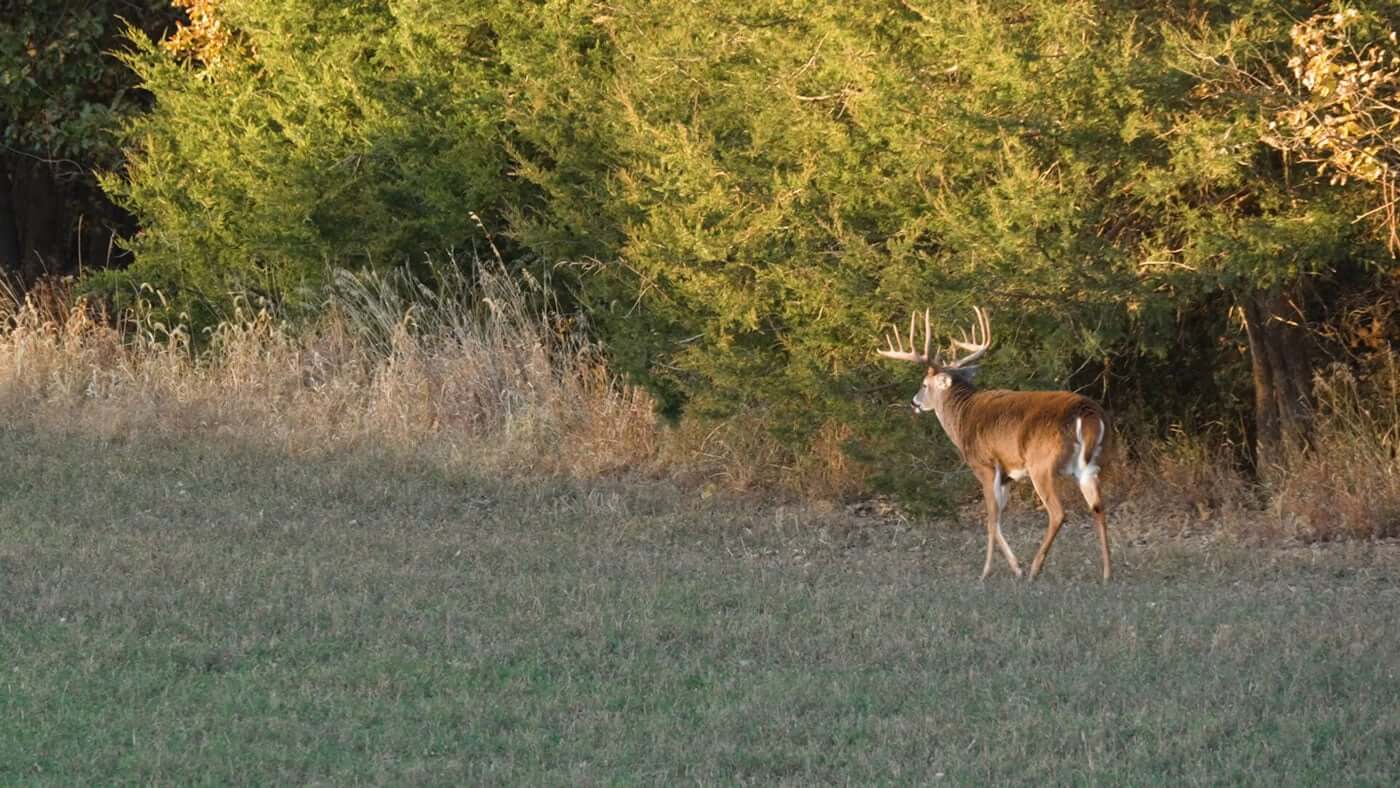
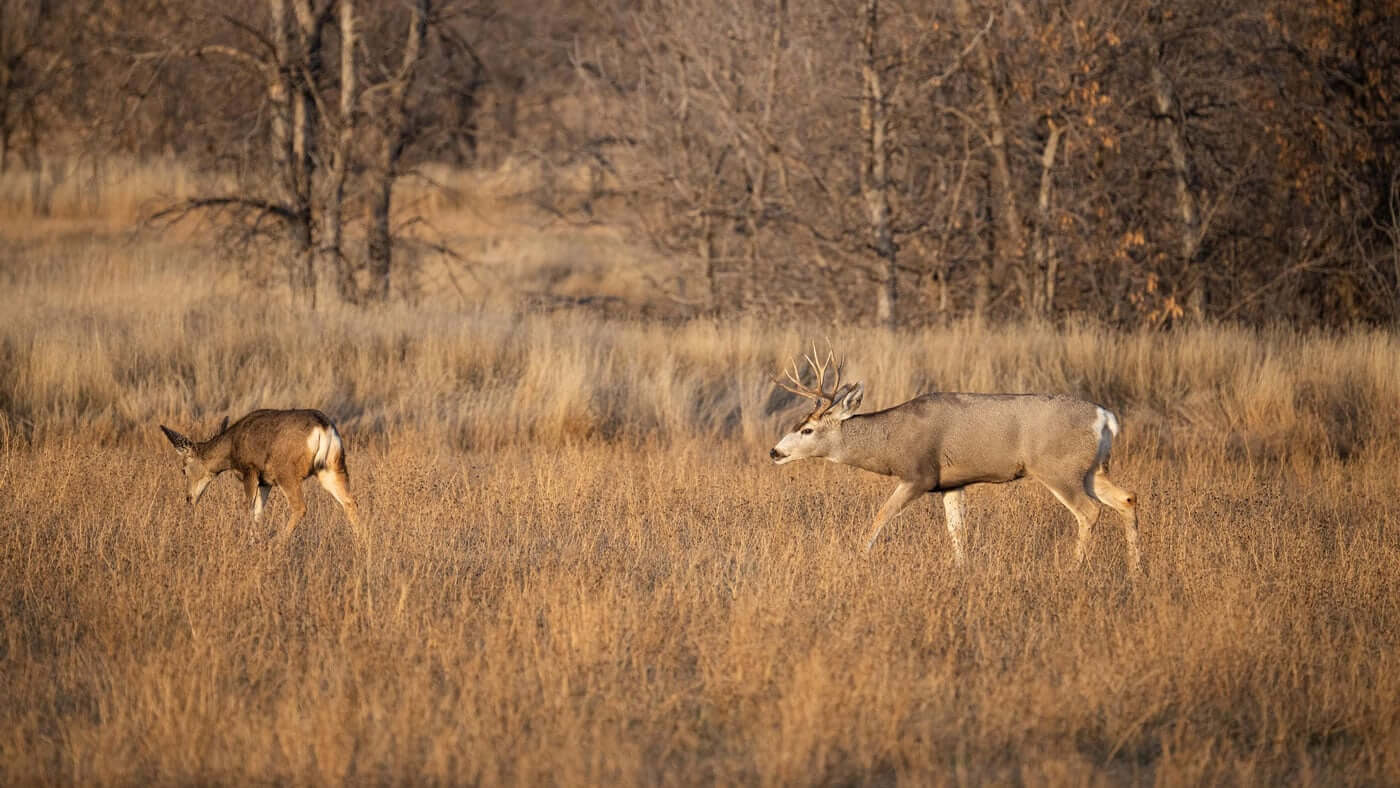
It's also worth knowing the three main deer species you're likely to encounter in North America.
- Whitetail deer are the most widespread and recognizable by the white underside of their tail, which flashes up when they're alarmed. They can be found from the east coast to the Midwest, and into various parts of the Western US and Canada.
- Mule deer are found primarily in the western half of the country, named for their large, mule-like ears, and tend to bound rather than run.
- Blacktail deer, a subspecies of mule deer, stick mostly to the Pacific Northwest and are known for favoring dense, coastal forest habitat, making them more challenging to hunt.
Basic Gear Every New deer hunter Needs
Gear lists can spiral out of control fast, so let's break it into three simple categories: what keeps you safe, what you truly can't hunt without, and what makes life easier once you've got the basics covered.
Safety gear
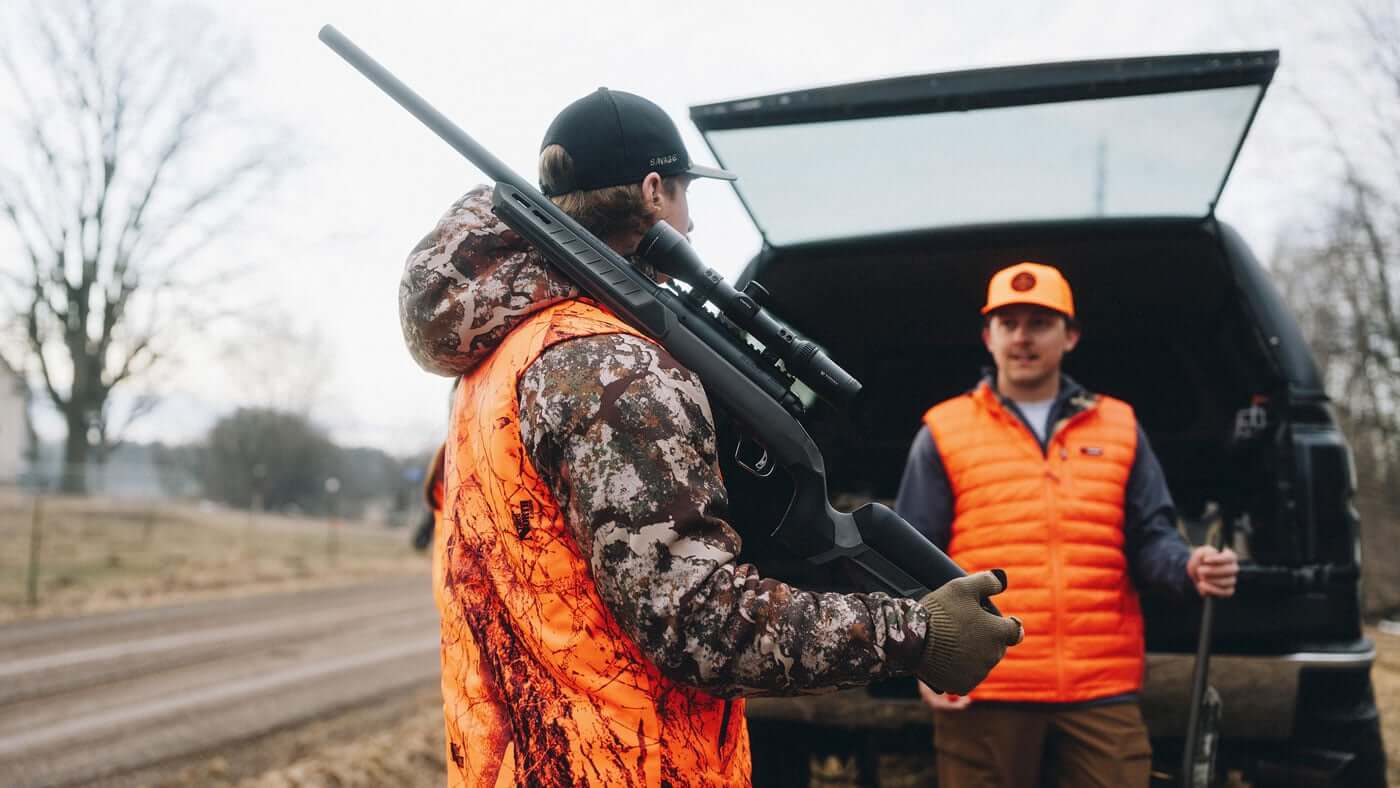
- Hunter orange: Often legally required, and always a smart move for visibility around other hunters.
- Tree stand harness: Non-negotiable if you're hunting from an elevated stand. Falls are one of the leading causes of hunting injuries.
- Ropes and straps: Used to haul gear up into a stand safely, keeping your hands free while climbing.
Necessities
- Well-fitted boots: Long walks and treks on public land can have you on your feet for hours. Having boots that are broken in and fit well is non-negotiable for comfort.
- Gloves: Keep hands warm while glassing and aiming.
- Hat or beanie: Retains body heat and can double as camouflage.
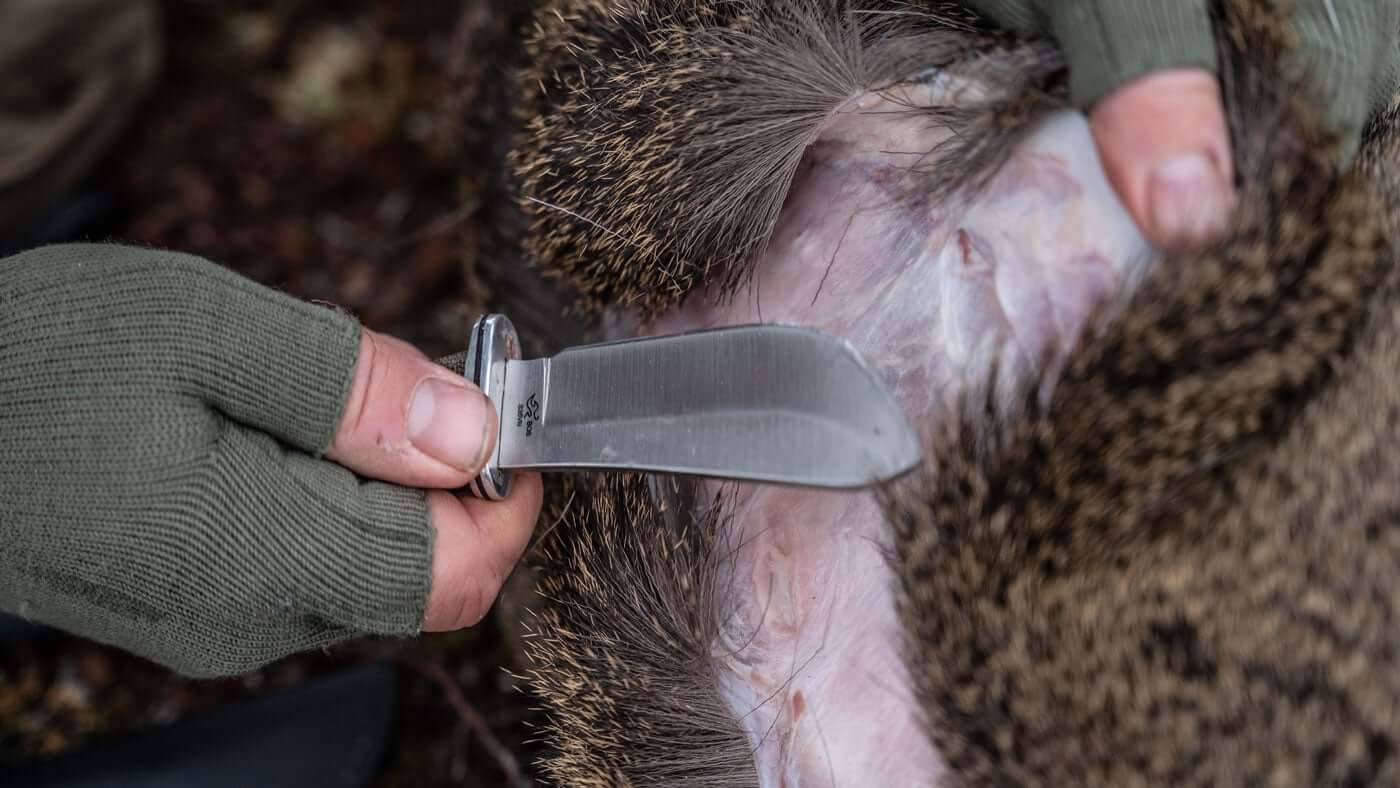
- Knife set: Essential for field dressing once you're successful.
- Rubber gloves: Keep things sanitary during field dressing.
- Water: Staying hydrated keeps you sharp and alert. A gallon of water is also handy to have if you can field dress at or near your vehicle for cleaning.
- Snacks: Hunger has ended many hunts, don’t let your plans for an all-day sit go to waste. Plus, snacks help keep your energy up.
Nice to haves
- Backpack: Keeps everything organized and easily accessible and allows you to carry more gear easily.
- Shooting sticks or a bipod: Adds stability for a more confident, accurate shot.
- Hand muff: Keeps your hands warm without sacrificing dexterity for that moment when it counts.
Scouting Strategies
Here's a secret every seasoned hunter will tell a new deer hunter: the hunt is won or lost long before opening day. Scouting is where you start connecting the dots between three key resources deer need to survive: food, water, and bedding. Once you understand where each of these exists on the landscape, you can start predicting how deer move between them, particularly during the low-light hours of dawn and dusk when deer are most active.
There are a few different ways to scout, and most successful hunters use a combination of all three:
- E-scouting: Using satellite imagery and mapping apps to identify likely bedding areas, food sources, saddles, and draws before you ever set foot in the woods. This is a great starting point, especially on new or unfamiliar ground.
- Boots on the ground: Physically walking the property to confirm what you found e-scouting, looking for fresh tracks, rubs, scrapes, and trails.
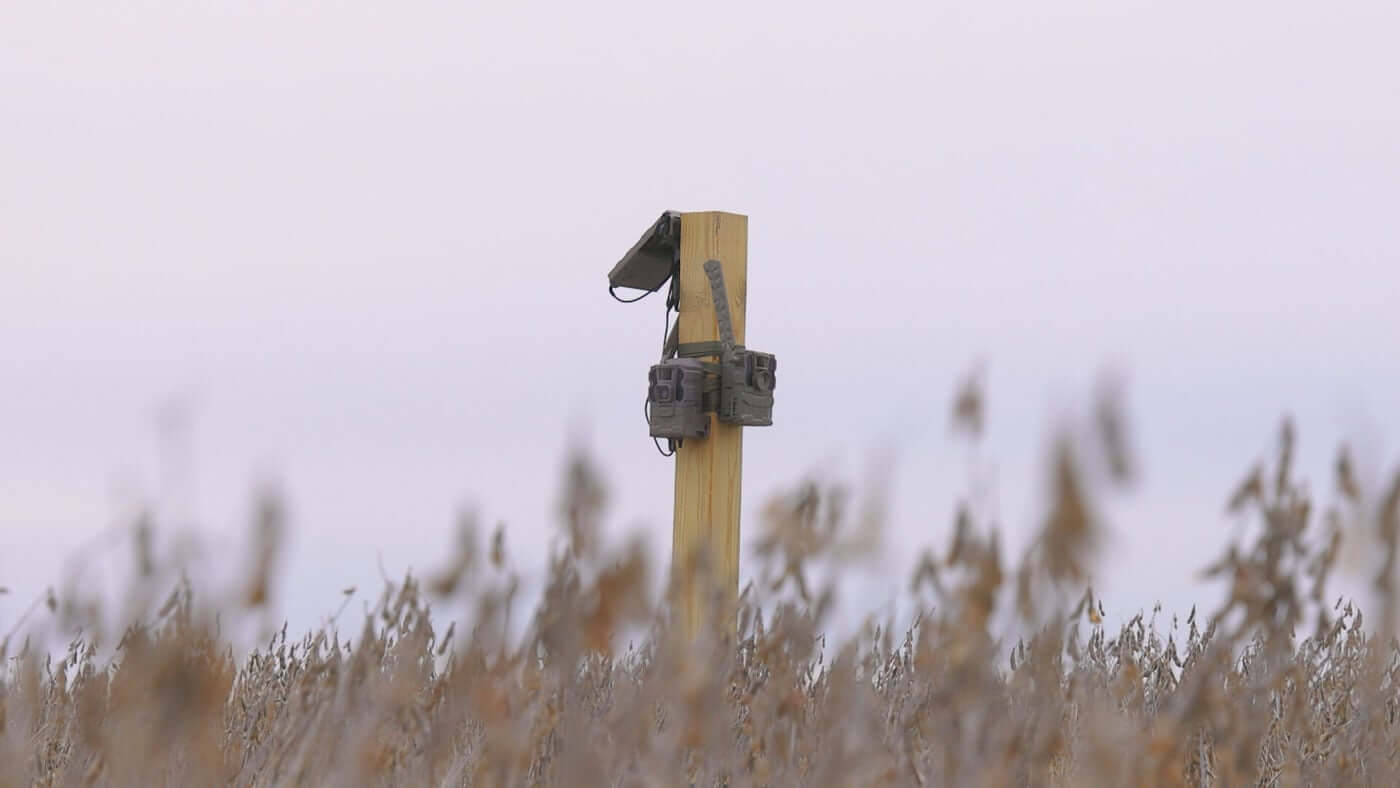
- Trail cameras: Once you've identified promising locations, trail cameras help confirm deer activity and patterns without you needing to be there in person, minimizing the amount of human scent and pressure you put on the area.
Combining e-scouting with boots-on-the-ground confirmation and trail camera data gives you the clearest possible picture of how deer are using a property, and that intel is what turns a hopeful sit into a confident one.
Popular Cartridge Choices
Choosing your first deer rifle doesn't have to be complicated. The good news is that deer hunting is one of the most forgiving pursuits when it comes to cartridge selection. There are dozens of proven options, and most of them will get the job done if you do your part with shot placement.
Some of the most popular, time-tested deer cartridges include:
- .243 Winchester — light recoil, great for new shooters
- .308 Winchester — versatile and widely available
- .30-06 Springfield — a classic all-around big game round
- .270 Winchester — flat-shooting and effective at distance
- .300 Win Mag — more punch for bigger bodied deer or longer shots
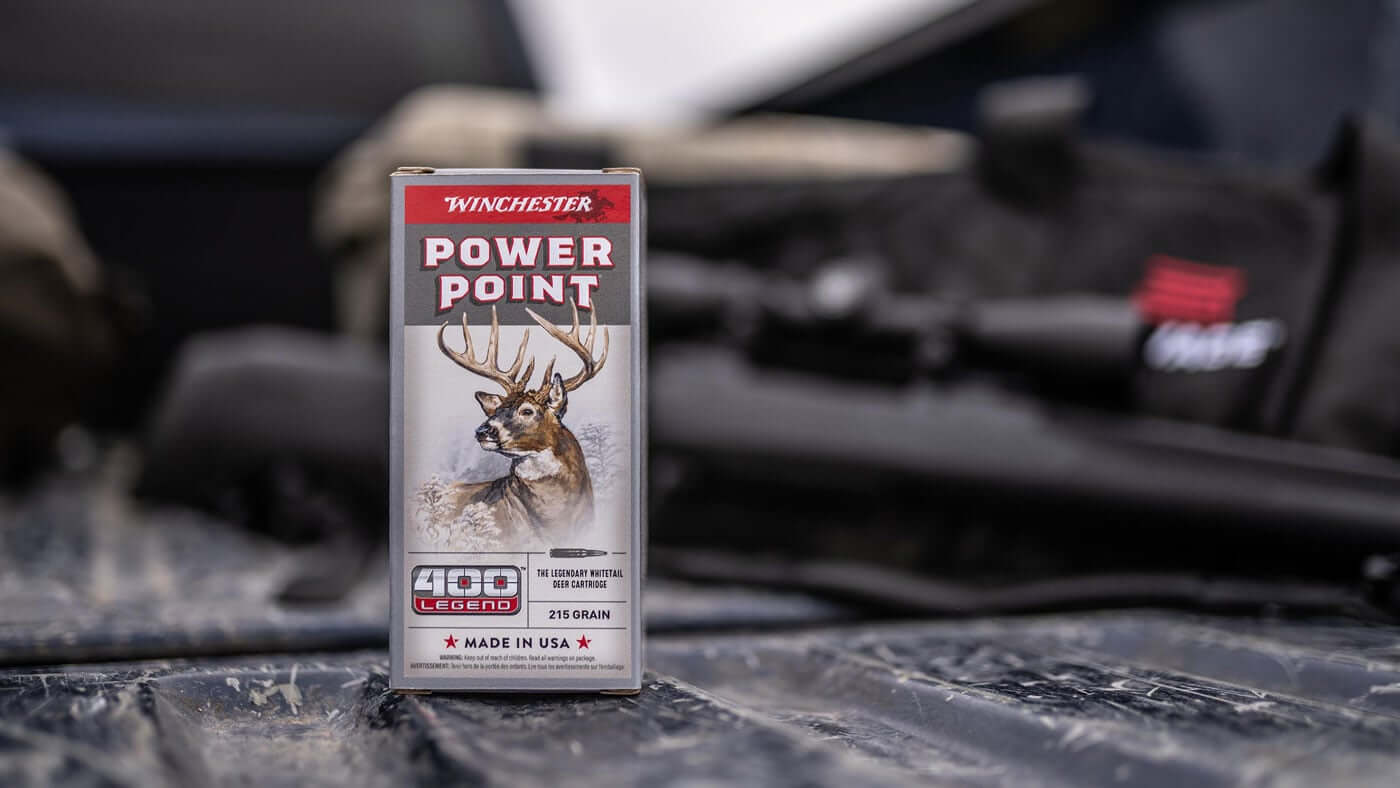
- 350 Legend — a straight-walled option that’s a favorite among Midwest hunters
- 400 Legend — a newer straight-walled cartridge offering increased performance with lower recoil
Savage Rifles for a New Deer Hunter
Picking the right rifle platform matters just as much as the cartridge. Here are a few options from our lineup built with new hunters in mind.
Axis 2 Pro (MSRP: $599–$639): The Axis 2 Pro delivers tack-driving accuracy at an accessible price point, making it a smart choice for anyone stepping into deer hunting for the first time. It comes loaded with a user-adjustable AccuTrigger, thread-in headspacing, and a threaded barrel for those who want to add a muzzle device. Available in a wide range of full-size, left-hand, and compact models across popular hunting calibers, plus Savage Woodland and Western camo patterns and Cerakote finishes to handle the elements.
110 Carbon Hunter (MSRP: $1,149): For a new deer hunter who wants to start with a premium feature set, the 110 Carbon Hunter pairs an 18–20" carbon fiber barrel with a Flat Dark Gray Trophy stock and length-of-pull adjustment. It's built with a jeweled bolt body, a Blackout Cerakote action, a user-adjustable AccuTrigger, and an exclusive LimbSaver recoil pad that cuts felt recoil by 50% — a genuine advantage for hunters still getting comfortable behind the trigger.
110 Trail Blazer (MSRP: $719–$759): A rugged, entry-level rifle in the Trophy Series lineup, the Trail Blazer features a straight-fluted, threaded carbon-steel barrel, Cerakote barreled action, and the same user-friendly Trophy stock with length-of-pull adjustment. It's a feature-packed, budget-conscious option that doesn't skimp on the essentials.
212/220 Harvester (MSRP: $829-$929): If you're a Midwestern deer hunter, there's a good chance you're restricted to shotguns only. When slugs are your only option, the 212/220 Harvester slug gun is your best choice for a deer hunting shotgun. The Harvester brings all of the features from our updated Model 110 line into a premium, accurate slug shotgun. It's adjustable for the perfect fit with the AccuFit V2 stock. It also features an included one-piece rail, integrated M-Lok, and an ARCA rail molded into the stock to give you the opportunity to mount a bipod or tripod easily for added stability.
Stepping into the deer woods for the first time is a milestone, and a little preparation goes a long way toward making it an enjoyable one. Learn the lingo, pack the right gear, put in the scouting legwork, and choose a rifle and cartridge combination that fits your comfort level. Do that, and you'll walk into the season feeling like a lot less of a new deer hunter and a lot more like one of the crew.