- Savage Blog
- North America's Greatest Achievement in Conservation
North America's Greatest Achievement in Conservation
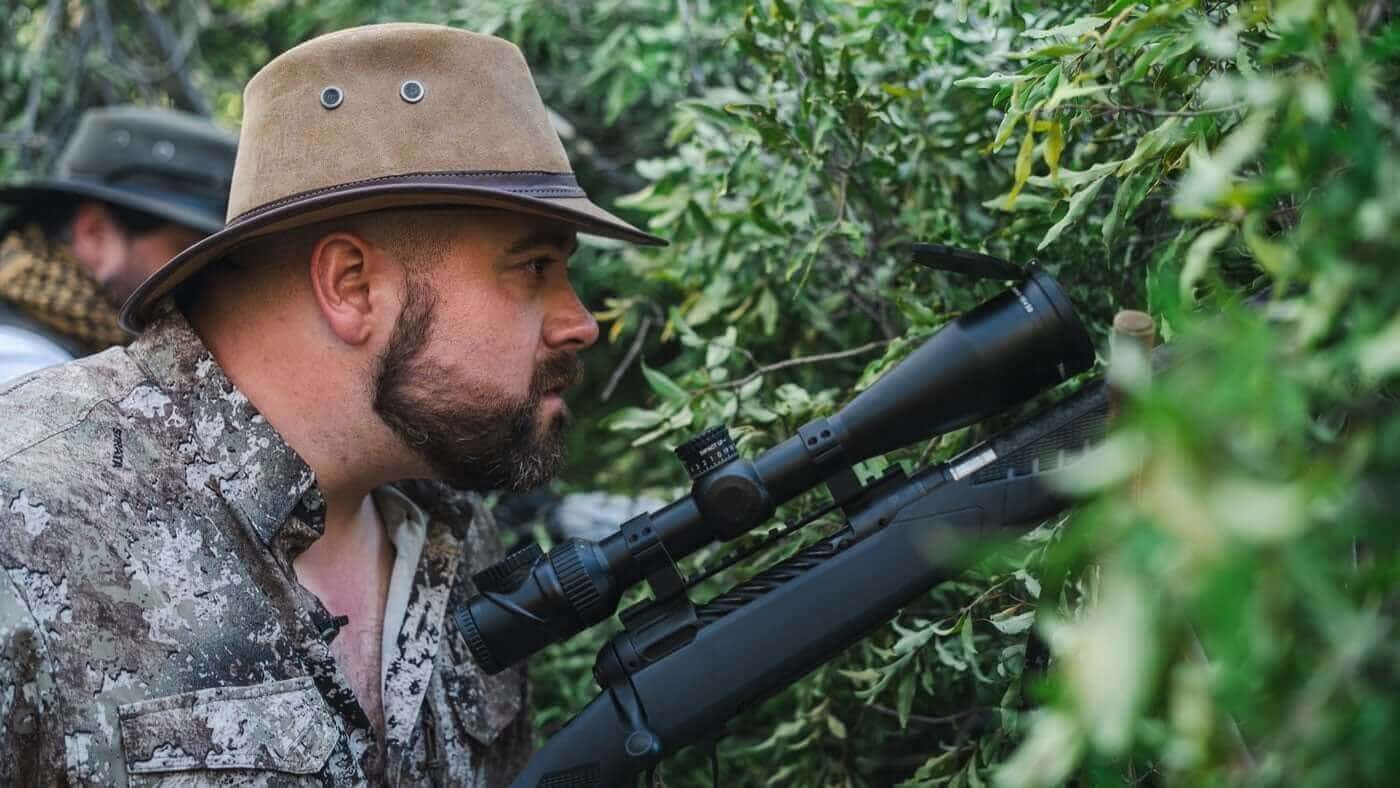
Walk through almost any stretch of woods in North America today and you'll probably see deer tracks. Listen on a spring morning and you'll hear wild turkeys gobbling. Spend a fall afternoon near a marsh and you'll likely see ducks fly by.
A hundred years ago, that wasn't always the case.
Many of the wildlife species we take for granted today were once in serious trouble. Unregulated market hunting, habitat loss, and a growing population pushed many animals to the brink. Some species disappeared from entire states, while others were well on their way. It became clear that if wildlife was going to survive, something had to change.
Instead of giving up on wildlife, conservationists and lawmakers came together with a new idea. Wildlife shouldn't belong to whoever could take the most. It should belong to everyone and be managed using science, so that future generations could enjoy it too. That philosophy became what we know today as the North American Model of Wildlife Conservation.
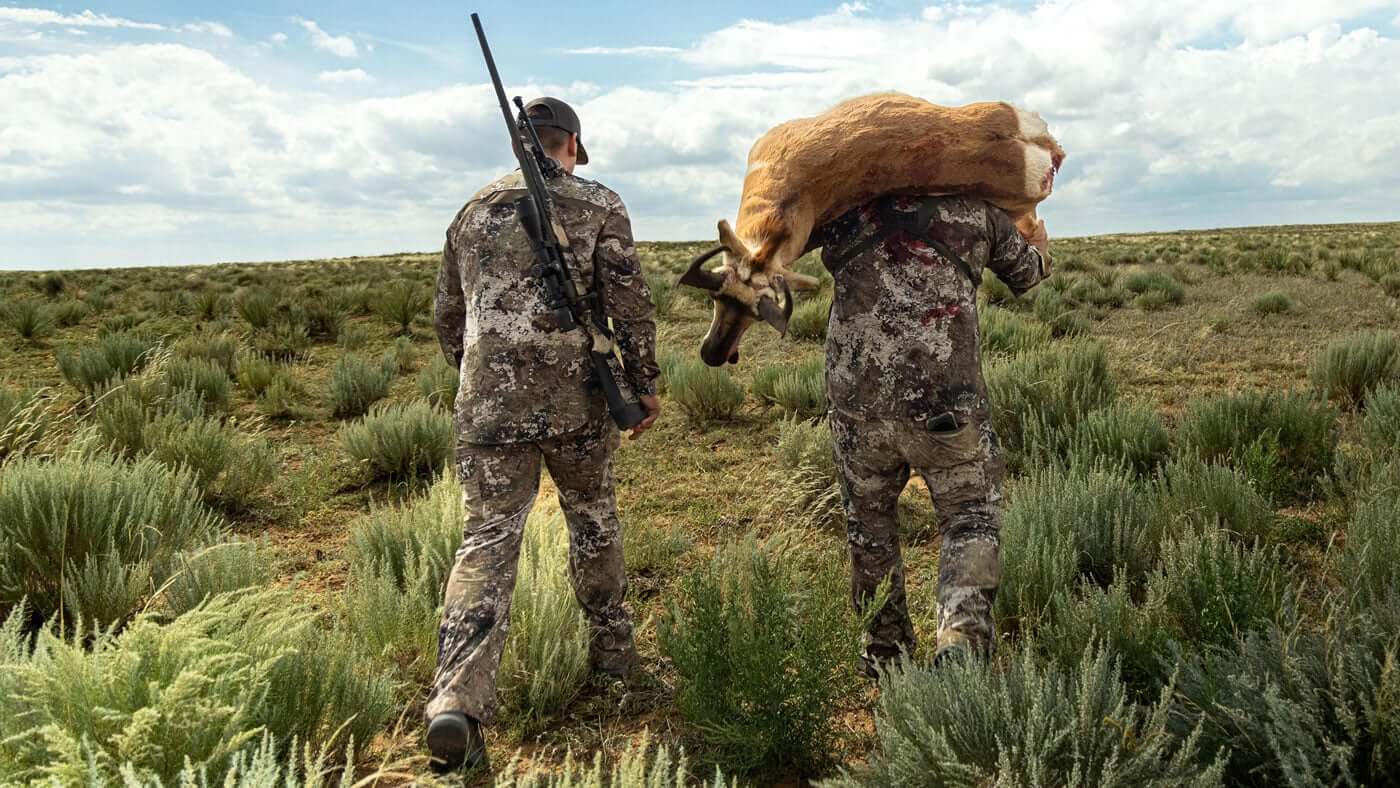
One of the biggest differences between North America and many other parts of the world is that wildlife is considered a public resource. No one owns the deer in the woods or the ducks flying overhead. They're held in trust for everyone, which means wildlife agencies manage populations for the benefit of all citizens, not just landowners or the highest bidder.
It's a simple idea, but it's one of the reasons our conservation system has been so successful. Wildlife is managed with the future in mind, ensuring that healthy populations remain available for everyone to enjoy, whether they hunt, fish, hike, or simply appreciate seeing wild animals in their own habitat.
Wildlife management isn't based on guesses or tradition. Biologists spend countless hours monitoring populations, studying habitat, tracking disease, collecting harvest information, and evaluating long-term trends before making recommendations on hunting seasons or bag limits.
Sometimes that means increasing hunting opportunities because the population has grown too large. Other times it means shortening seasons or reducing harvest limits when a species needs additional protection. While those decisions aren't always popular, they're made with one goal in mind: keeping wildlife populations healthy for generations to come.
However, protecting wildlife takes more than good intentions. Habitat has to be restored, wetlands have to be protected, research has to be funded, and public lands have to be maintained. All of that work requires reliable funding.
One of the most unique parts of the North American Model is where much of that funding comes from. Hunters and recreational shooters contribute through hunting licenses and the Pittman-Robertson Wildlife Restoration Act, which places an excise tax on firearms, ammunition, and archery equipment. Anglers contribute through fishing licenses and the Dingell-Johnson Sport Fish Restoration Act.
Those dollars go right back into conservation. They help restore habitat, improve public access, fund wildlife research, build boat launches, support shooting ranges, and manage public lands. While hunters and anglers are the ones paying those taxes and purchasing licenses, the benefits reach far beyond game species. Songbirds, pollinators, amphibians, reptiles, and countless other animals all benefit from healthier habitat and stronger conservation programs.
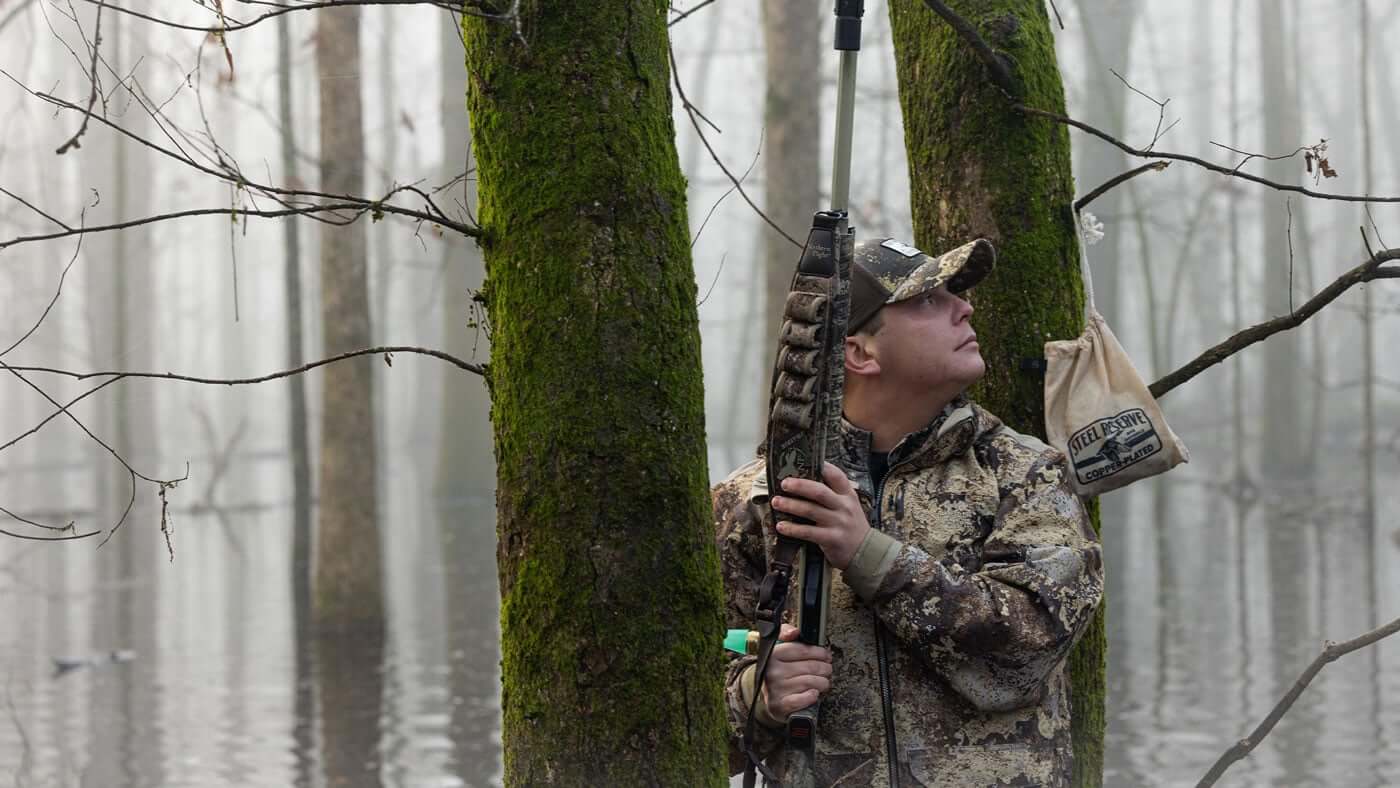
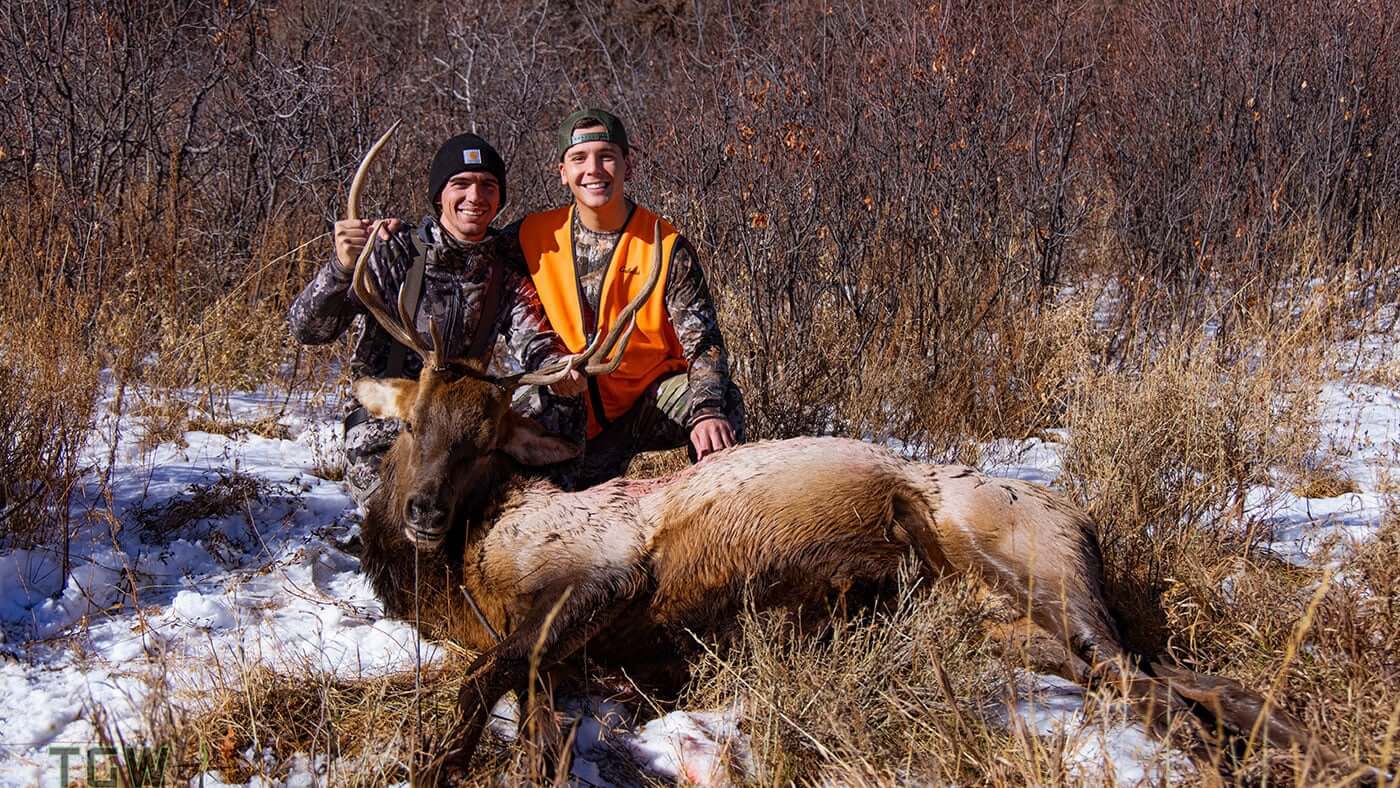
Perhaps the strongest argument for the North American Model is its track record. Wild turkeys populations rebounded from as few as 30,000 birds in the 1930s to more than 5 million today. White-tailed deer populations have had a similar success story, from a low of 300,000 to more than 30 million. Other species like elk, pronghorn, black bears, and many waterfowl have made remarkable comebacks through habitat restoration, regulated harvest, and science-based management.
These recoveries didn't happen overnight, and they certainly weren't accidents. They represent decades of cooperation between wildlife agencies, conservation organizations, private landowners, volunteers, hunters, anglers, and countless others who believed these species were worth protecting.
Although hunters and anglers play a major role in funding conservation, they aren't the only people making a difference. Wildlife biologists conduct research, landowners improve habitat, volunteers plant native grasses, families participate in river cleanups, and birdwatchers contribute observations that help scientists better understand migration patterns and population trends.
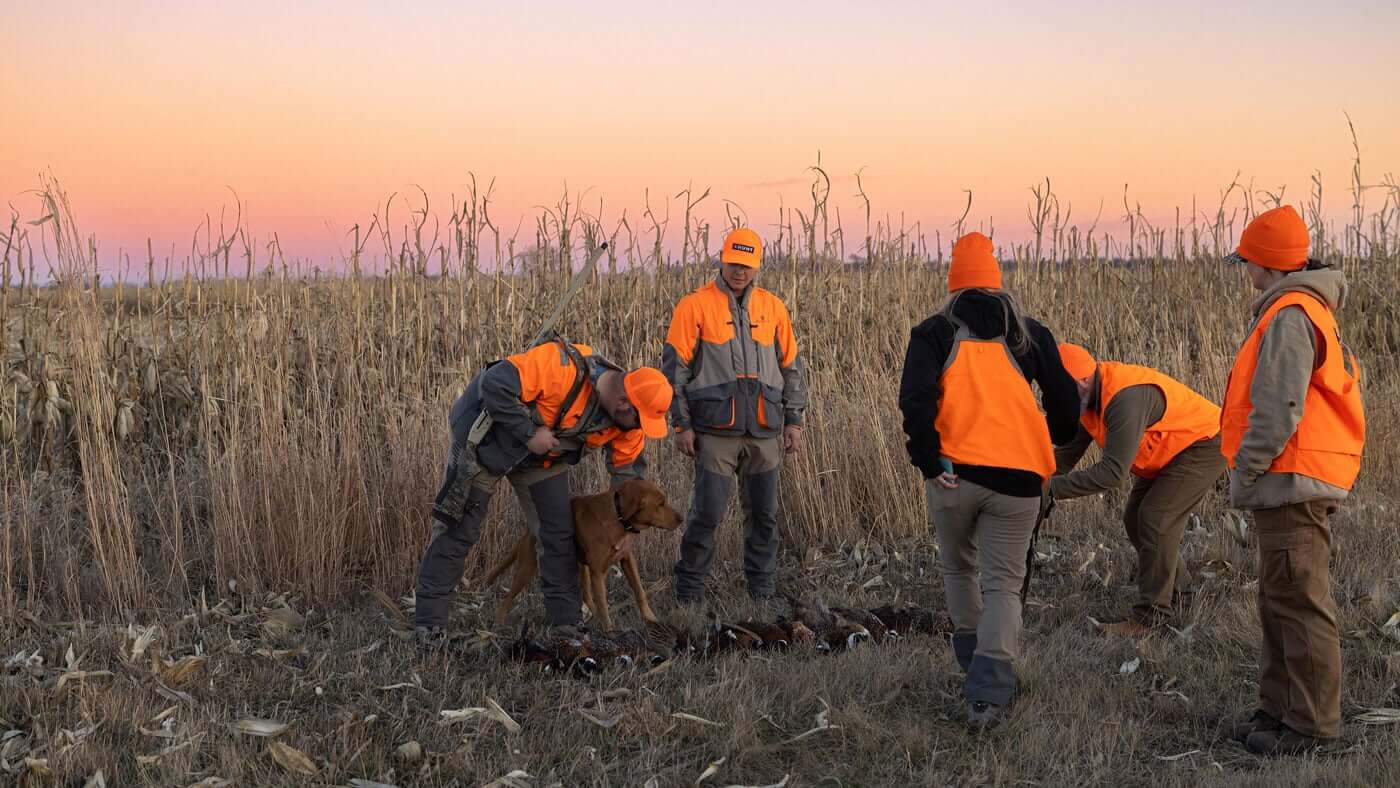
That's one of the strengths of the North American Model. Everyone has an opportunity to contribute. Whether your passion is hunting or not, you can make a difference.
Conservation is never finished. Every generation faces new challenges, whether it's invasive species, habitat fragmentation, wildlife disease, or changing landscapes. Those challenges require the same commitment to science, cooperation, and long-term thinking that helped build this model more than a century ago.
The North American Model has stood the test of time because it's flexible enough to adapt while remaining grounded in its core principles. When wildlife is managed using sound science, supported through dedicated conservation funding, and valued as a shared public resource, both wildlife and people benefit.
Conservation belongs to all of us. That's what has made the North American Model one of the greatest conservation success stories in the world, and it's why it continues to serve as an example of what can happen when people work together to protect our natural resources.