- Savage Blog
- Sustaining an Iconic Mule Deer Migration Corridor in Wyoming
Sustaining an Iconic Mule Deer Migration Corridor in Wyoming
Few places in North America rival southwest Wyoming for sheer mule deer resilience. The rolling sagebrush seas around Rock Springs form part of the Red Desert–to–Hoback migration corridor, the longest recorded mule deer migration in the United States. This corridor is critical to Wyoming’s wildlife heritage. Yet this extraordinary landscape is also exceptionally dry, making water availability a limiting factor for mule deer, elk, pronghorn, sage-grouse, and other sagebrush-dependent species.
The Wyoming “Healthy Lands Initiative,” completed in 2016, fulfilled projects that benefitted livestock, wildlife, rangeland plant diversity, and watershed health. Several wildlife guzzlers were installed near Rock Springs at that time. The Rock Springs Grazing Association (RSGA) has been leading a critical effort to upgrade and reinforce these guzzlers along this famed migration corridor with help from the Mule Deer Foundation and Savage Arms. Savage Arm’s new contribution adds resources to this long-term project, that was originally initiated by Shell Oil Company with leadership from RSGA and local landowners and sponsored by the Mule Deer Foundation (MDF).
Moving forward with renewed focus and resources, we are confident this ongoing partnership between RSGA and MDF will continue to strengthen these water resources in ways that uphold both livestock and wildlife populations in this high desert area.
A Critical Mule Deer Migration Corridor
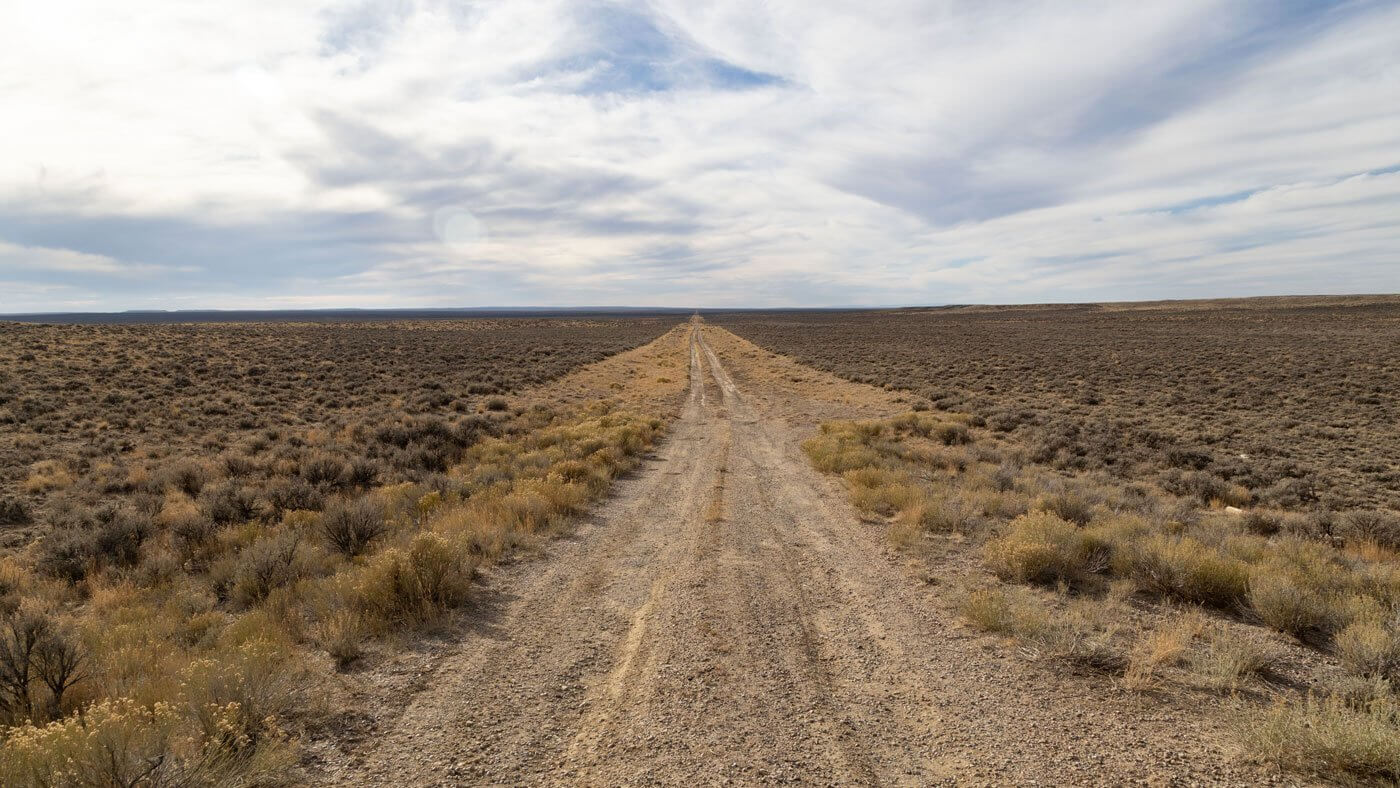
Southwest Wyoming is classic high desert, dominated by sagebrush, sandy soils, and rolling hills with little surface water. White Mountain, north of Rock Springs, is the nearest reliable water source, but it is far from the center of the Red Desert-to-Hoback migration route. With drought years becoming more common, additional water sources have become essential for sustaining wildlife during dry seasons.
Stretching more than 150 miles from the high sagebrush plains of Wyoming’s Red Desert to the forested foothills of the Hoback Basin near Jackson, the Red Desert–to–Hoback migration route was discovered in 2012 and remains the longest known mule deer migration in North America. Each spring and fall, thousands of mule deer travel this corridor, following ancient paths that connect critical winter range to productive summer habitat. Migrating mule deer and other wildlife depend on a network of natural springs, seeps, and man-made guzzlers to stay hydrated during their long seasonal journeys.
Along the way, deer navigate a unique checkerboard of public and private lands, crossing highways, fences, and rivers, making the integrity of this route vital to their survival. As grazing allotments and recreational hunting overlap the area, wildlife need secure, undisturbed access to water. Improving and maintaining water resources on this landscape as a collective partnership help ensure that one of the West’s most remarkable wildlife movements, displayed by one famous deer, continues for generations to come.
One Deer’s Remarkable Journey
Deer 255 was just under three years old when she was first captured and GPS collared (deer number 55 collared in the second year of a research study) in March 2016, in the Red Desert, Wyoming. The timing proved serendipitous, as she would do something that astonished scientists and the world. From the Red Desert, Deer 255 migrated with her herd toward Hoback Basin. Instead of stopping there, she kept going and found herself in Island Park, Idaho, about 242 miles from those wintering grounds. It was the longest mule deer migration from winter range to summer range ever recorded. Her GPS collar stopped functioning in Idaho, and it took 19 months until she was rediscovered back on her Wyoming winter range.
Deer 255 was re-collared in 2018, and over the years, her movements were fully documented and followed. Across her life, Deer 255 made seven spring and seven fall migrations, traversing public and private lands successfully. She traveled over 3,000 miles, logged through an unbroken record of migration data. With few variations on these journeys, she exhibited true mule deer behavior: following the same migration path, year after year, until she passed away in spring 2024.
The life and migrations of Deer 255 became iconic in the conservation world. Yes, she broke distance records, but she also revealed the importance of landscape connectivity, consistent migration corridors, navigating barriers, land ownership, and how deer interact with this environment. With this knowledge, MDF wants to help provide the best chance of survival to future generations of this mule deer herd.
A Wildlife Guzzler Partnership
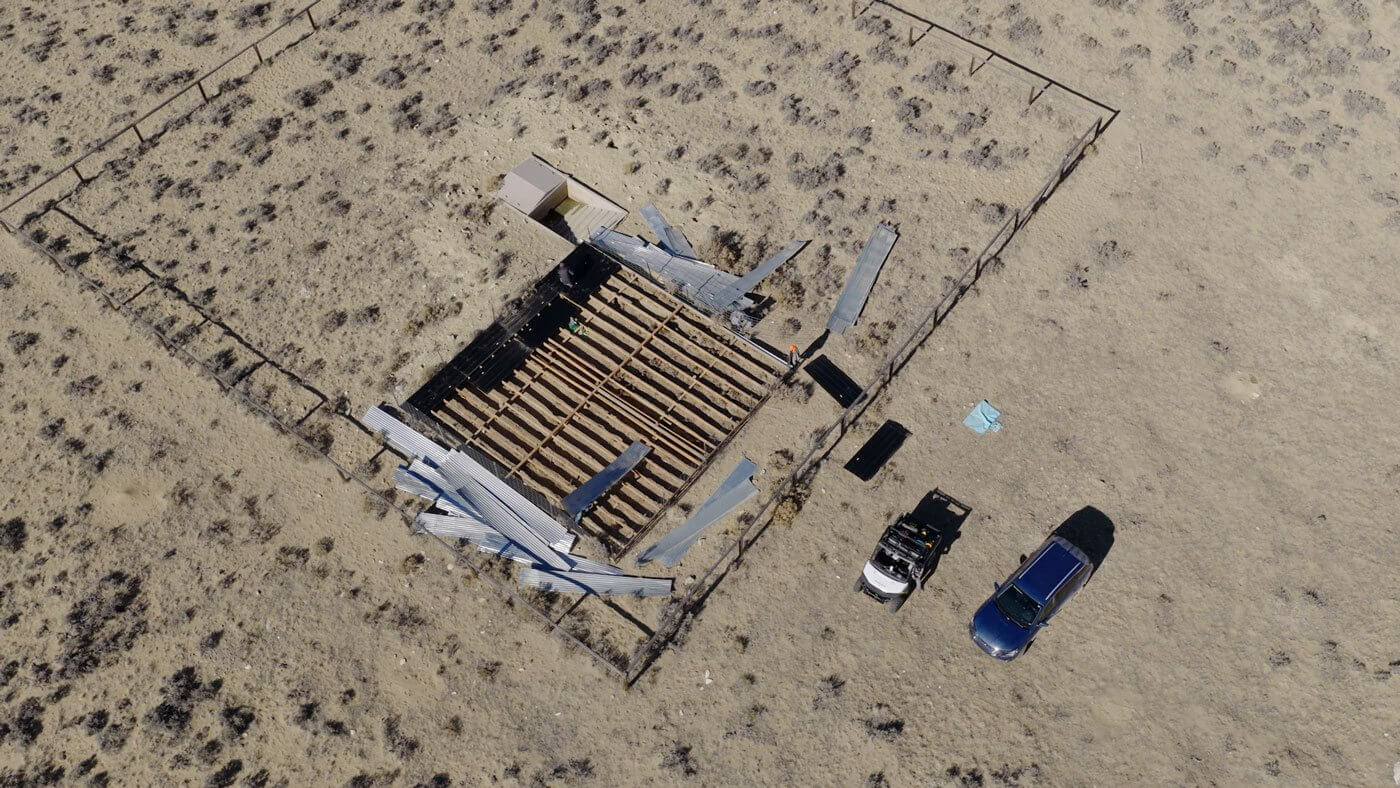
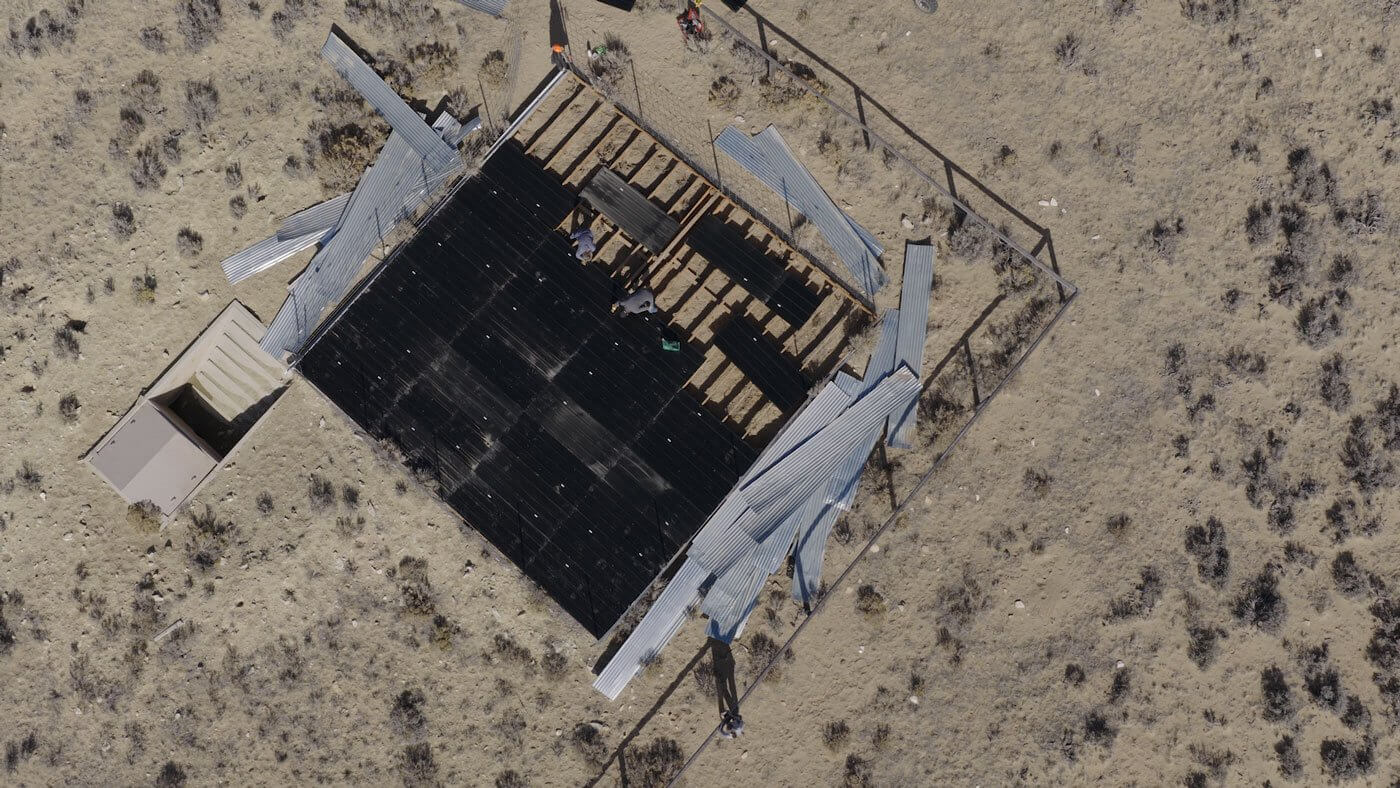
Unlike much of Wyoming, where natural water is more abundant, southwest Wyoming has few water sources, hence the need for wildlife guzzlers. Guzzlers are designed as rain- and snow-catchment systems with large metal skirts that collect precipitation, which drain into gutters that empty into underground or partially buried tanks. Spring rain, summer thunderstorms and winter snow fills them.
The six wildlife guzzlers originally installed north of Rock Springs have stored hundreds of gallons of water that help support wildlife through dry months. The guzzlers are clustered in a higher density here given the extreme aridity of the region and high wildlife use in the area. By repairing the guzzlers this fall, MDF and RSGA aimed to have them fully functional for the spring and fall migrations in 2026. This will give mule deer reliable water through many upcoming migration cycles as well as to support the other wildlife who call this area home.
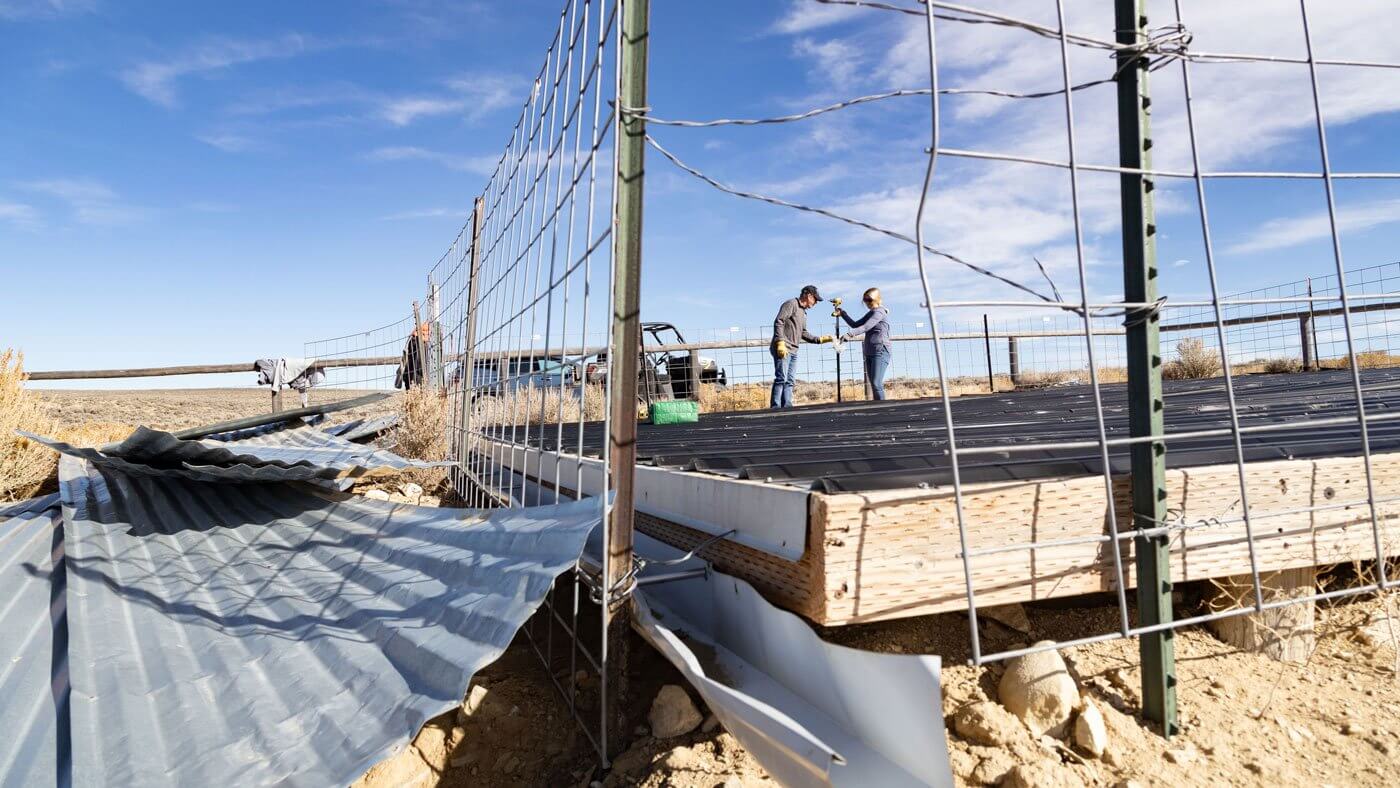
The guzzlers provide the only available water for wildlife within an area of about 45,000 acres. Mule deer, elk, and pronghorn frequently move through this area. The placement of these guzzlers also supports one of the largest concentrations of Greater sage-grouse in the state. Several active leks, communal grounds for courtship displays, depend on having healthy sagebrush ecosystems and nearby water sources for mating success. Fencing constructed around each guzzler are designed to allow wildlife in and to keep wild horses and domestic livestock out, a critical factor in this multi-use landscape.
Contributing to Wyoming’s Wildlife Corridors
This project builds on Wyoming’s state plans to designate and conserve migration corridors. This project supports several initiatives that MDF specializes in, from water infrastructure to fencing to winter range management. By aligning with the Wyoming Mule Deer Migration Initiative and the Red Desert to Hoback Migration Assessment, MDF and Savage Arms are helping ensure that mule deer can complete these incredible journeys for decades to come.
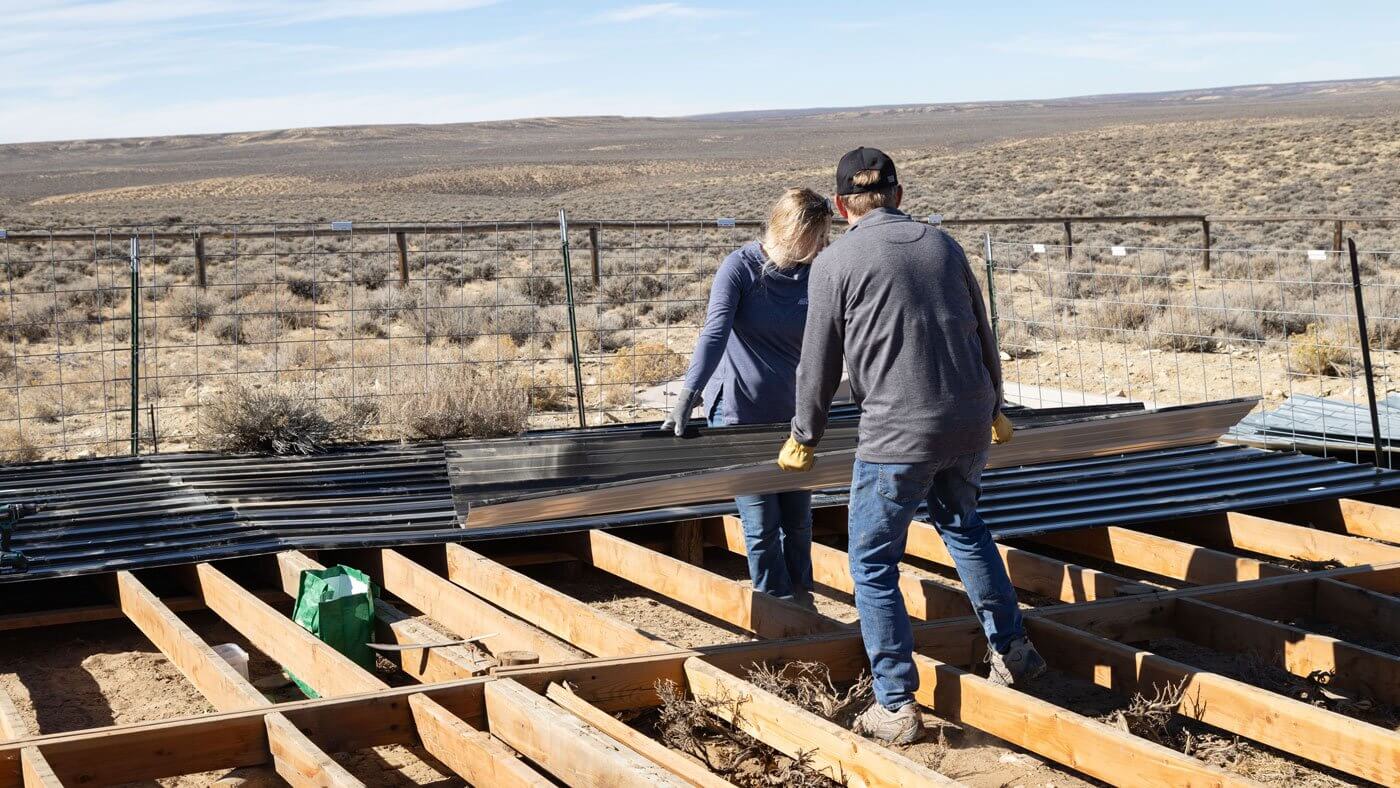
Hunters across Wyoming and Utah know this landscape well. Healthy mule deer herds and healthy public and private lands support not just wildlife but also local economies and outdoor traditions. The Rock Springs guzzler project represents a critical investment in the future of mule deer and the sagebrush ecosystem they depend on. By working with ranchers, hunters, and public agencies, the Rock Springs Grazing Association and the Mule Deer Foundation are storing water for one of the driest and most important wildlife corridors in North America. In doing so, it honors the legacy of deer like number 255 and countless others that utilize this remarkable landscape every year.