- Savage Blog
- 5 Ways You Can Contribute to Conservation
5 Ways You Can Contribute to Conservation
When people hear the word conservation, it's easy to picture massive wildlife refuges, national parks, or scientists studying endangered species. While those efforts are incredibly important, conservation doesn't just happen on a grand scale. In fact, some of the most meaningful contributions happen close to home.
Whether you have a free afternoon or are looking for a long-term way to give back, there are plenty of opportunities to make a real difference. Here are five ways anyone can get involved in conservation in their own community.
Volunteering
Every state has a wildlife agency responsible for managing fish, wildlife, and public lands. Depending on where you live, it might be called the Department of Natural Resources, Fish and Wildlife, Game and Fish, or something similar. Many of these agencies rely on volunteers to help with projects throughout the year.
Conservation organizations like the National Wild Turkey Federation and the Ruffed Grouse Society also rely heavily on volunteers to carry out habitat projects and conservation work. They're great organizations to get involved with if you're looking to get off the couch, spend time outdoors, and make a real difference for wildlife in your area.
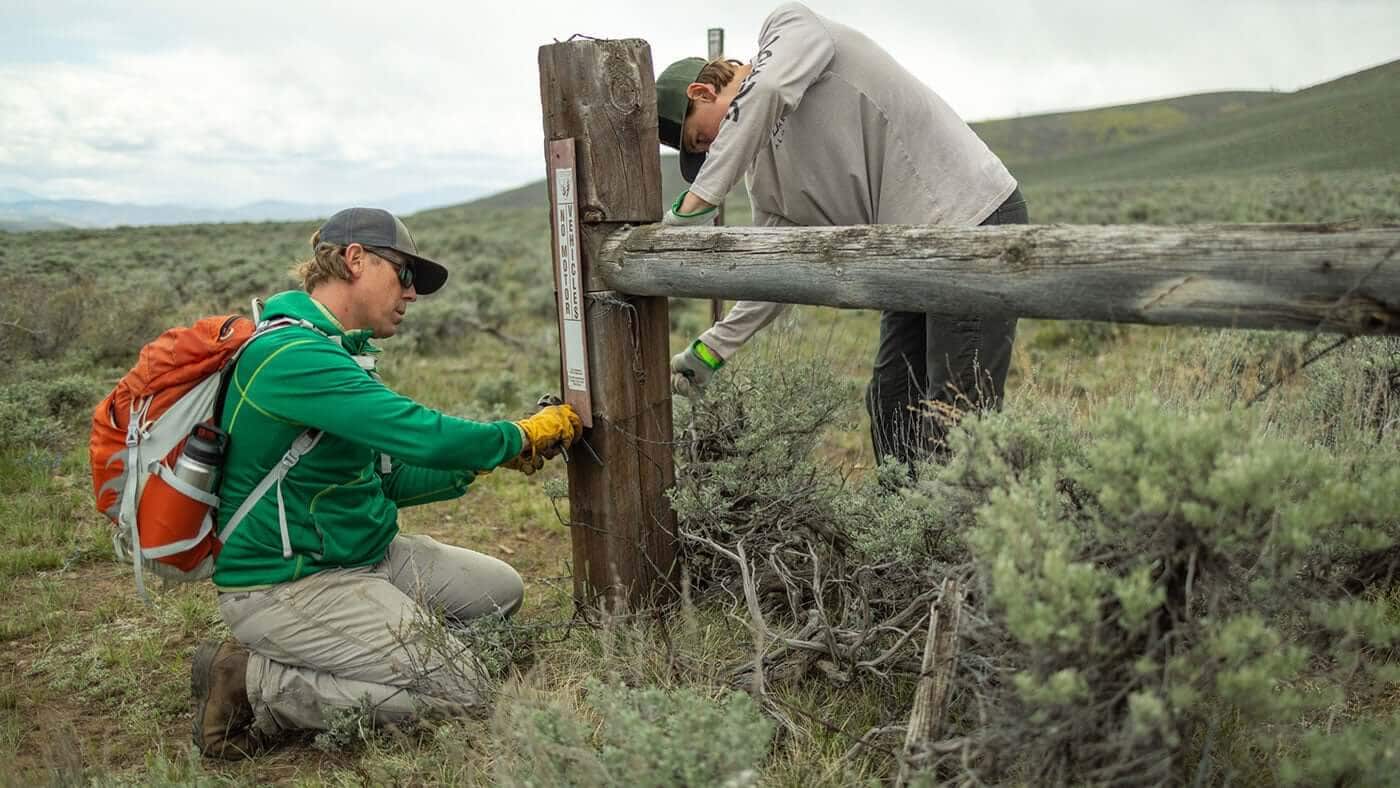
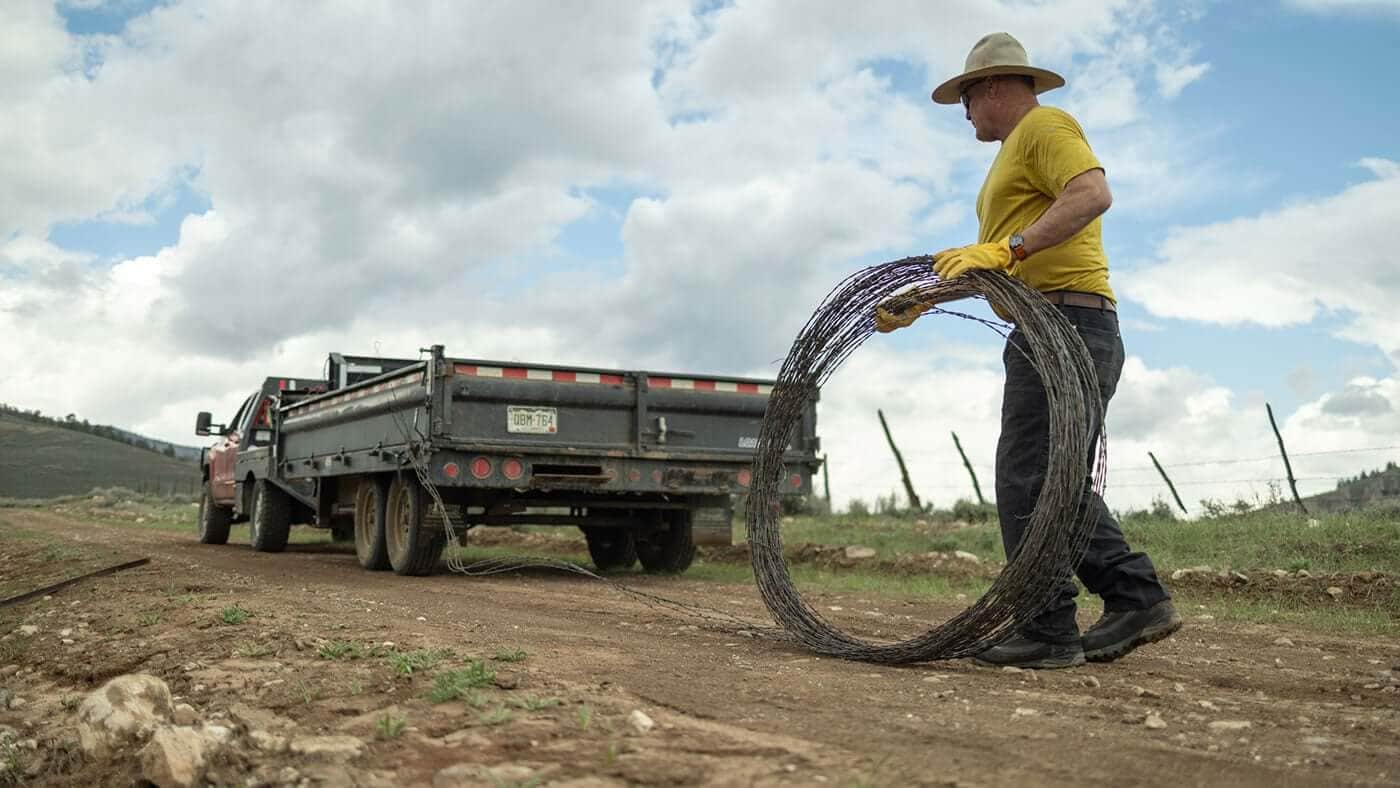
Volunteer opportunities can include planting native vegetation, restoring wildlife habitat, organizing river cleanups, conducting wildlife surveys, maintaining trails, or helping at educational events. Working with organizations that plan these kinds of events makes it easy to find opportunities no matter where you live.
These projects are also a great way to meet people who care about the outdoors and learn more about the wildlife in your own area.
Invasive Species Removal
One of the biggest threats facing native ecosystems isn't always easy to see. Invasive plants, insects, and aquatic species can spread quickly, crowding out native vegetation and disrupting entire habitats.
When it comes to invasive plants, volunteering with a local conservation organization is a great way to get involved. Many communities organize workdays where volunteers help remove invasive plants from parks, forests, and waterways, giving native species a better chance to thrive.
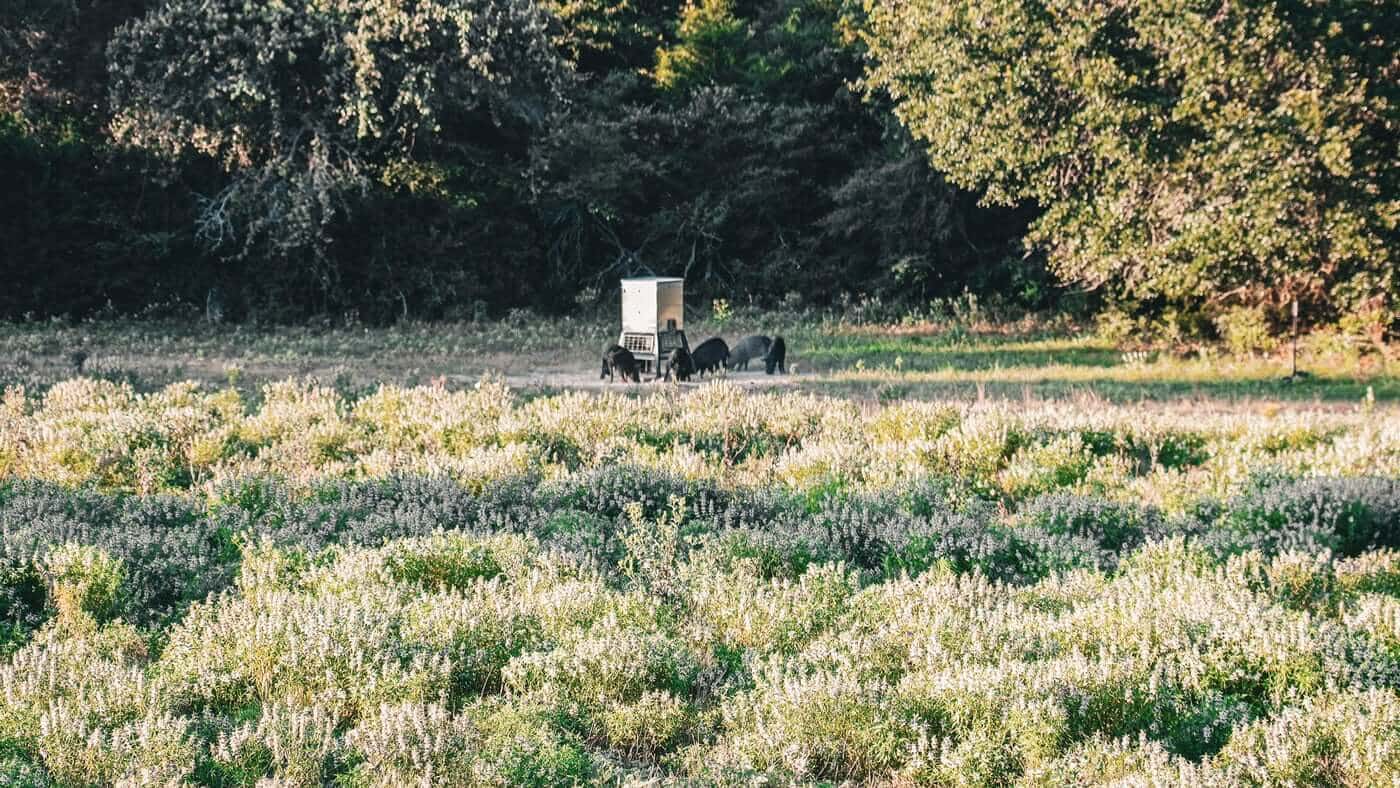
For invasive animals, there may already be an opportunity to help by doing something you enjoy: hunting or fishing. In many parts of the country, wildlife agencies encourage the targeted harvest of invasive species to reduce their impact on native ecosystems. One of my favorite examples was traveling to the Chesapeake Bay to bowfish for northern snakehead, an invasive fish native to Asia. Not only were we helping reduce pressure on native fish populations, but snakehead also happens to be one of the best-tasting freshwater fish I've ever eaten. We left with a cooler full of incredible table fare while helping protect the local ecosystem. Talk about a win-win.
Even if hunting or fishing isn't for you, learning to recognize the invasive species in your area is one of the easiest ways to make a difference. Reporting a new infestation or identifying an invasive species early can give wildlife managers the opportunity to respond before it spreads and causes lasting damage.
Organize Your Own Cleanup
You'd be surprised at the impact you can have by spending an hour cleaning up a public area that has been neglected because people have left their trash behind. You'd also be surprised at how willing people are to help. Find a local area that needs attention and post on social media that you'll be cleaning it up on a specific date and time. Every person who joins you increases the impact you can make by removing harmful garbage from wildlife habitat.
If you'd like to turn it into a larger community event, consider reaching out to the city, township, county parks department, or whichever agency manages the property. Many are happy to support volunteer cleanups by providing garbage bags, gloves, safety vests, or even arranging to collect and dispose of the trash afterward. Local businesses are often willing to donate bottled water, snacks, or supplies as well, especially when they know the effort is benefiting the community.
A little planning goes a long way. Choose an area that clearly needs attention, let people know where to park and where you'll meet, and encourage everyone to wear sturdy shoes and gloves. If you're working near roads or waterways, make safety the first priority and avoid asking volunteers to handle hazardous materials. If you come across items like needles, chemical containers, or other dangerous waste, report them to the appropriate local agency rather than trying to remove them yourself.
Conservation often begins with small actions repeated by many people. A single cleanup may only last a few hours, but the impact can be felt for years. Just as importantly, you'll inspire others to take pride in the places they enjoy, creating a ripple effect that extends far beyond the bags of trash you carry out that day.
Hunting and Fishing
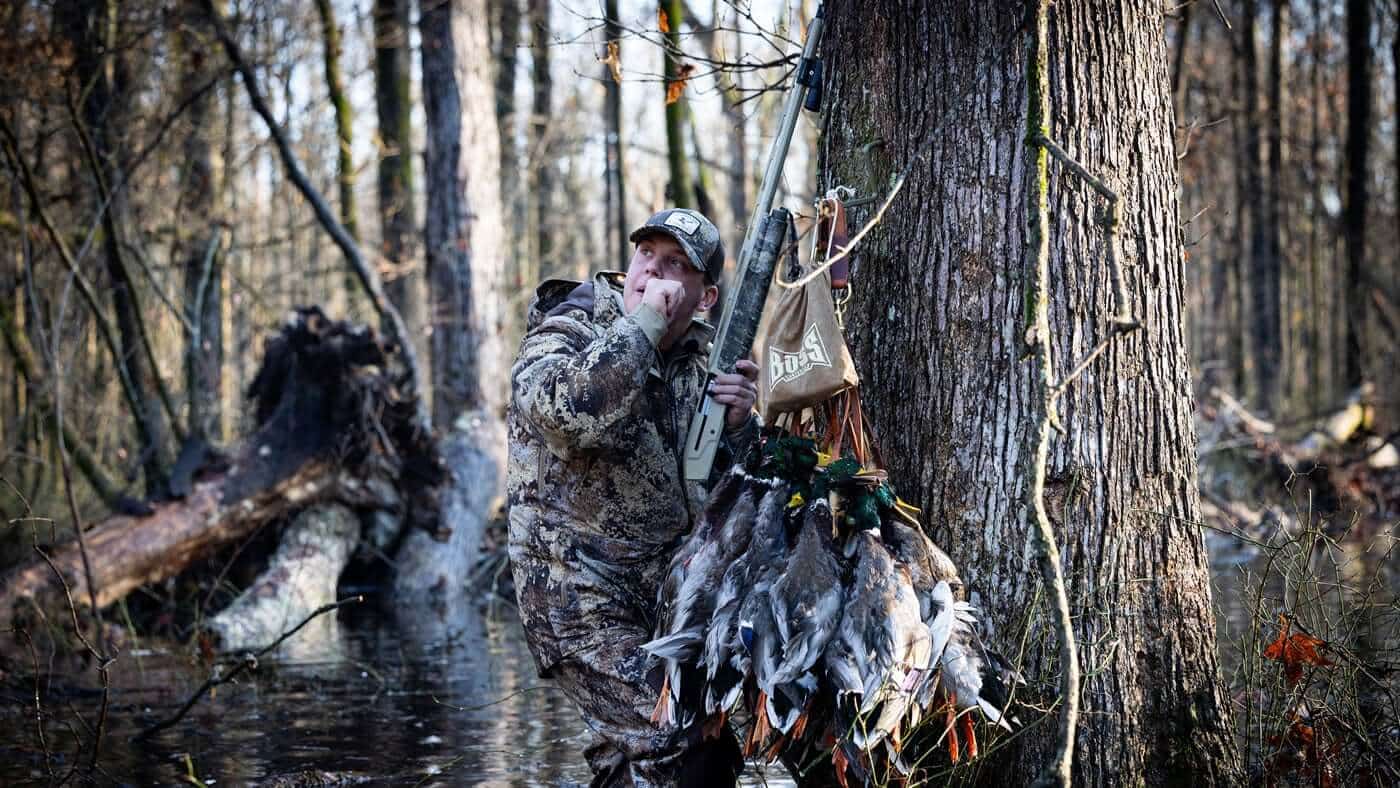
Targeting invasive species for removal is an obvious way to help conservation in your area, but harvesting native game species is another important piece of the conservation puzzle. Hunting and fishing have been one of the driving forces behind wildlife conservation in North America for more than a century.
Hunters and anglers contribute directly through the purchase of licenses, while excise taxes collected under the Pittman-Robertson Wildlife Restoration Act and the Dingell-Johnson Sport Fish Restoration Act provide billions of dollars for conservation projects. Those funds help restore habitat, conduct wildlife research, improve public access, manage fisheries, and support state wildlife agencies.
Just as importantly, hunting and fishing are carefully regulated using science. Wildlife biologists monitor populations, evaluate habitat conditions, and set seasons and harvest limits to help keep wildlife populations healthy over the long term.
The conservation work funded through these programs doesn't just benefit game animals. Songbirds, pollinators, amphibians, reptiles, and countless other species benefit from healthier habitats and stronger wildlife management.
Whether someone chooses to hunt or fish is a personal decision, but it's important to recognize the significant role hunters and anglers have played in funding and supporting conservation efforts across North America.
Optimize Your Own Backyard
You don't need to own hundreds of acres to help wildlife. Even small properties can provide valuable habitat.
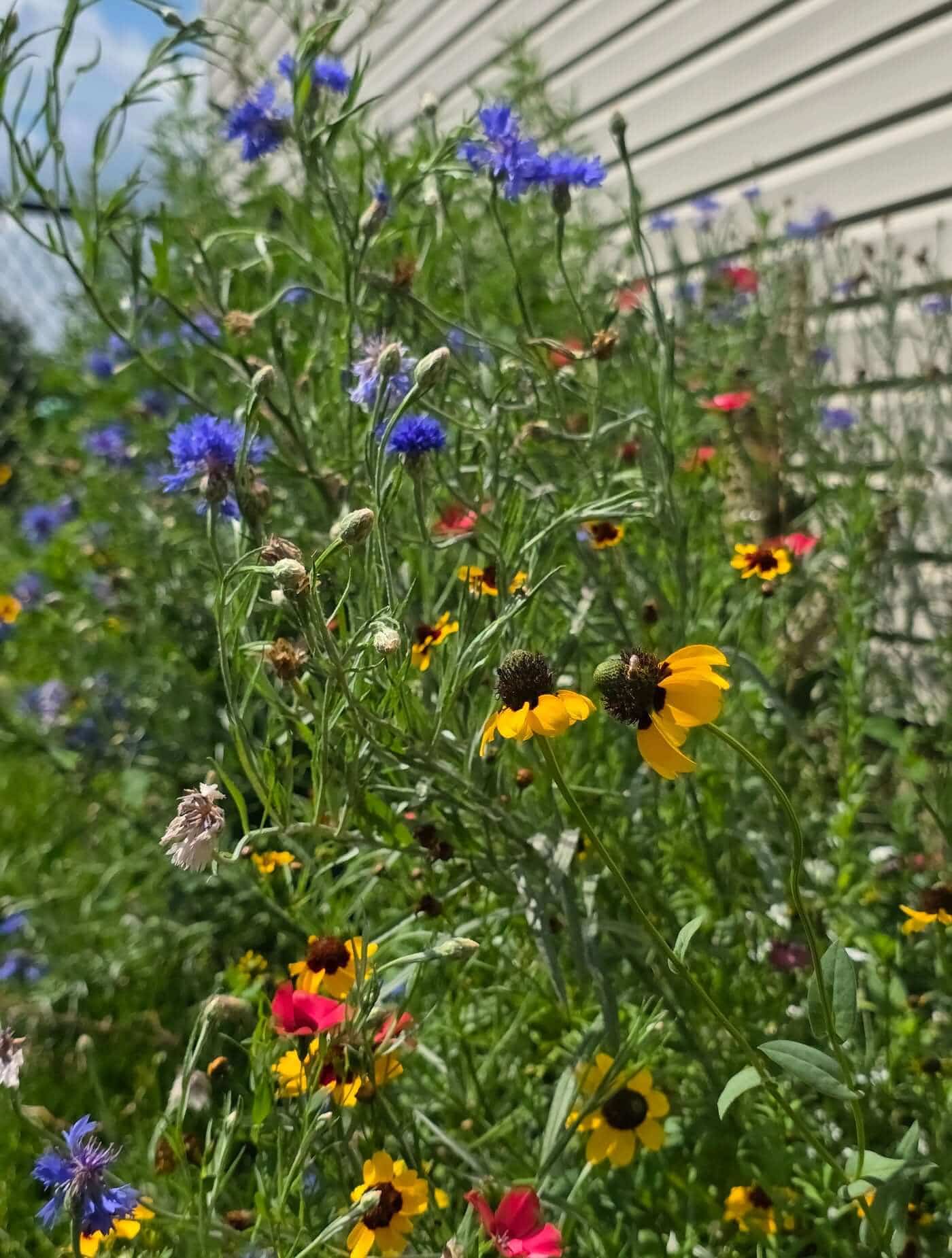
Planting native flowers can support pollinators like bees and butterflies. Native shrubs provide food and shelter for birds. Leaving part of your yard a little more natural can create habitat for insects, frogs, and other wildlife. If you own property with woods or a pond, simple improvements like protecting shoreline vegetation or planting native trees can have lasting benefits.
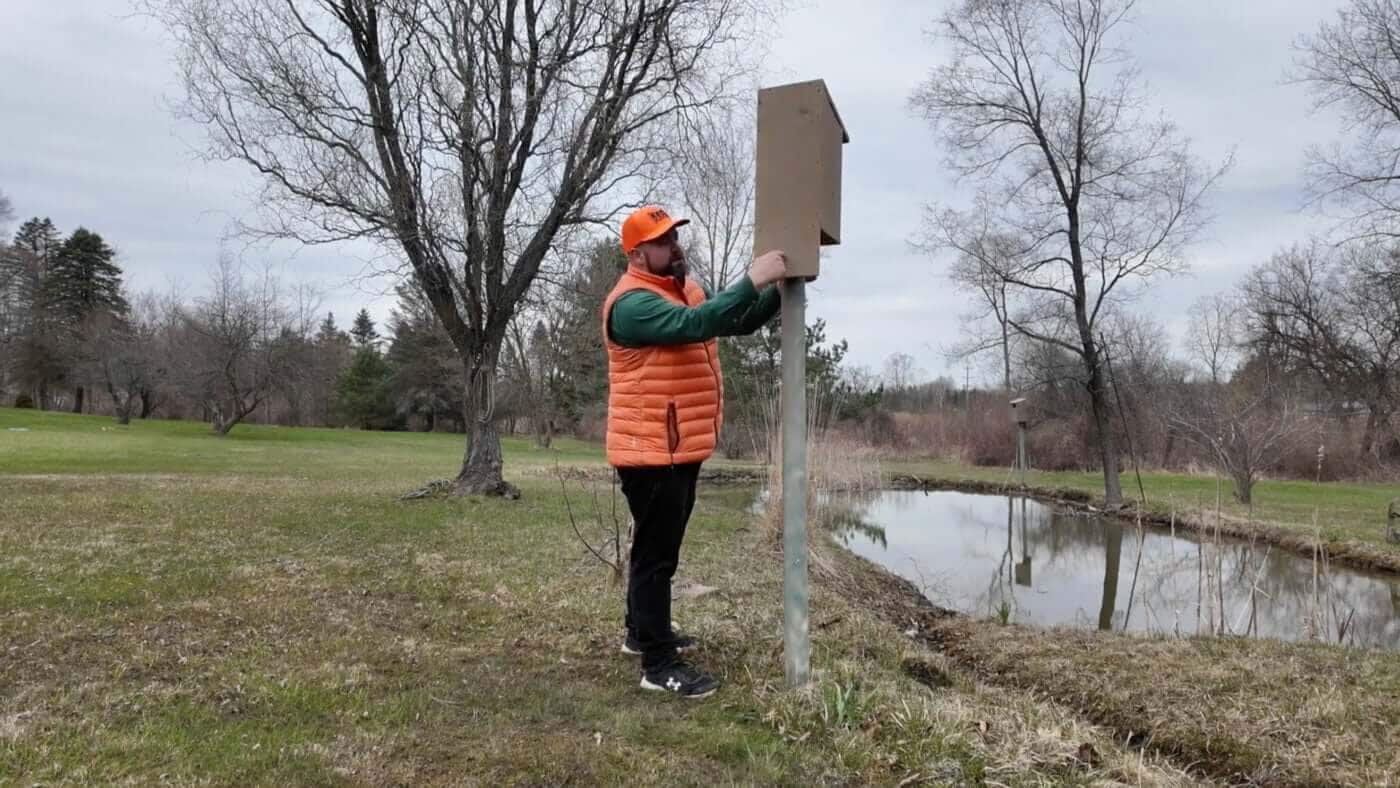
Another rewarding project is building nesting boxes for wildlife. One of the best-known examples is the wood duck box. Decades ago, wood duck populations declined dramatically because of habitat loss and the loss of natural nesting cavities. Thanks to habitat restoration and the efforts of countless volunteers who built, installed, and maintained nesting boxes, wood ducks have become one of North America's greatest conservation success stories. If you have suitable wetland habitat nearby and follow your state's recommendations for placement, installing and maintaining a wood duck box can provide nesting opportunities for generations of birds.
Even if you don't have access to wetlands, there are still plenty of ways to help. Bluebird boxes, bat houses, bee hotels, and brush piles can all provide valuable habitat for wildlife. Many of these projects can be completed over a weekend and enjoyed for years to come.
Small changes made by thousands of people can add up to healthier ecosystems across an entire region.
Every Effort Matters
It's easy to assume conservation is something that happens somewhere else or that someone else will take care of it. The truth is, conservation has always depended on people who are willing to give a little of their time, energy, or resources to protect the places they care about.
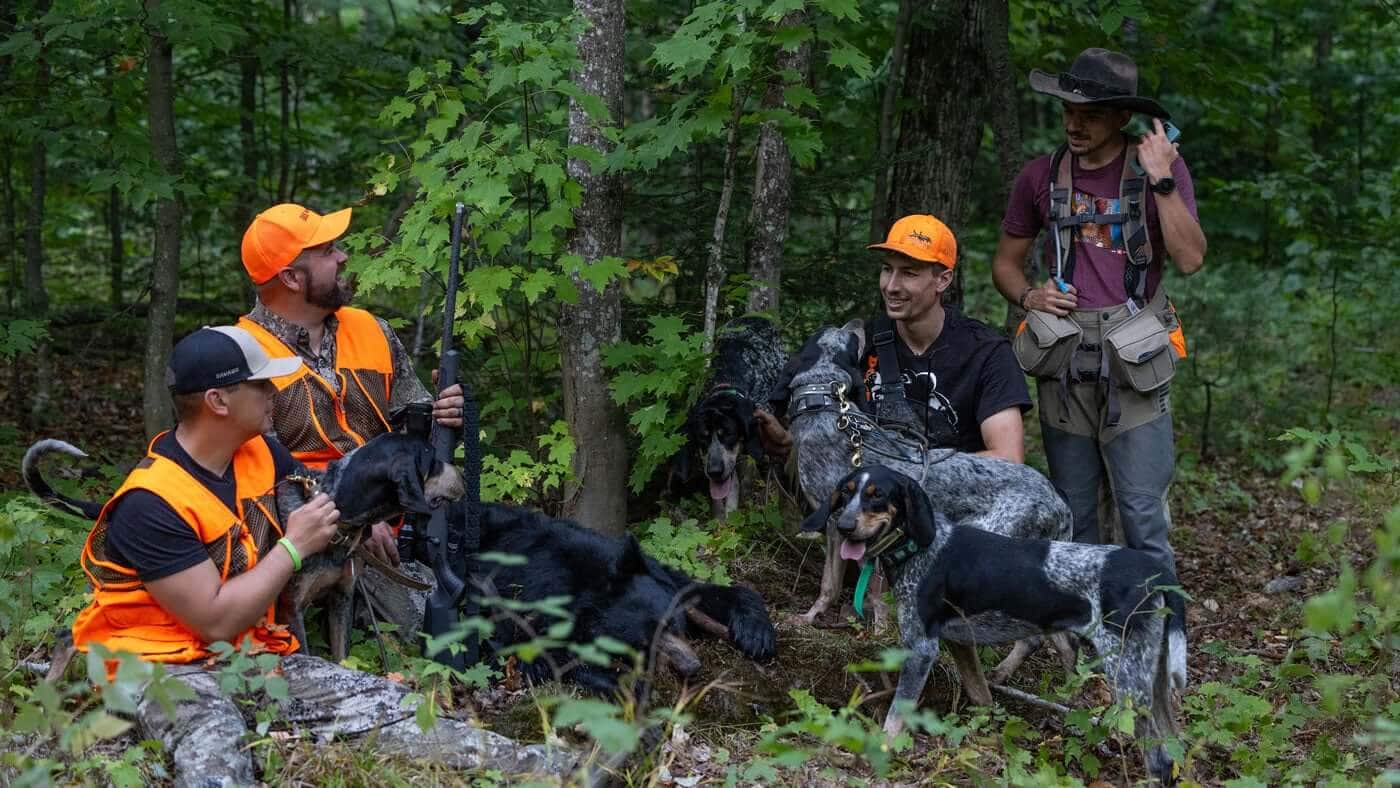
Whether you're volunteering on a habitat project, spending a Saturday cleaning up a river, reporting an invasive species, improving wildlife habitat at home, or introducing someone to hunting or fishing, you're helping ensure future generations have the same opportunities to experience the outdoors.
Whether your contribution is measured in hours volunteered, miles of river cleaned, invasive species removed, or habitat restored, every effort matters. Conservation has always been built by people who cared enough to get involved, and there's never been a better time to become one of them.
Conservation isn't the responsibility of a select few. It belongs to all of us, and the best time to get involved is today.