- Savage Blog
- Pronghorn Hunting: A Deep Dive on America's Speed Goat
Pronghorn Hunting: A Deep Dive on America's Speed Goat

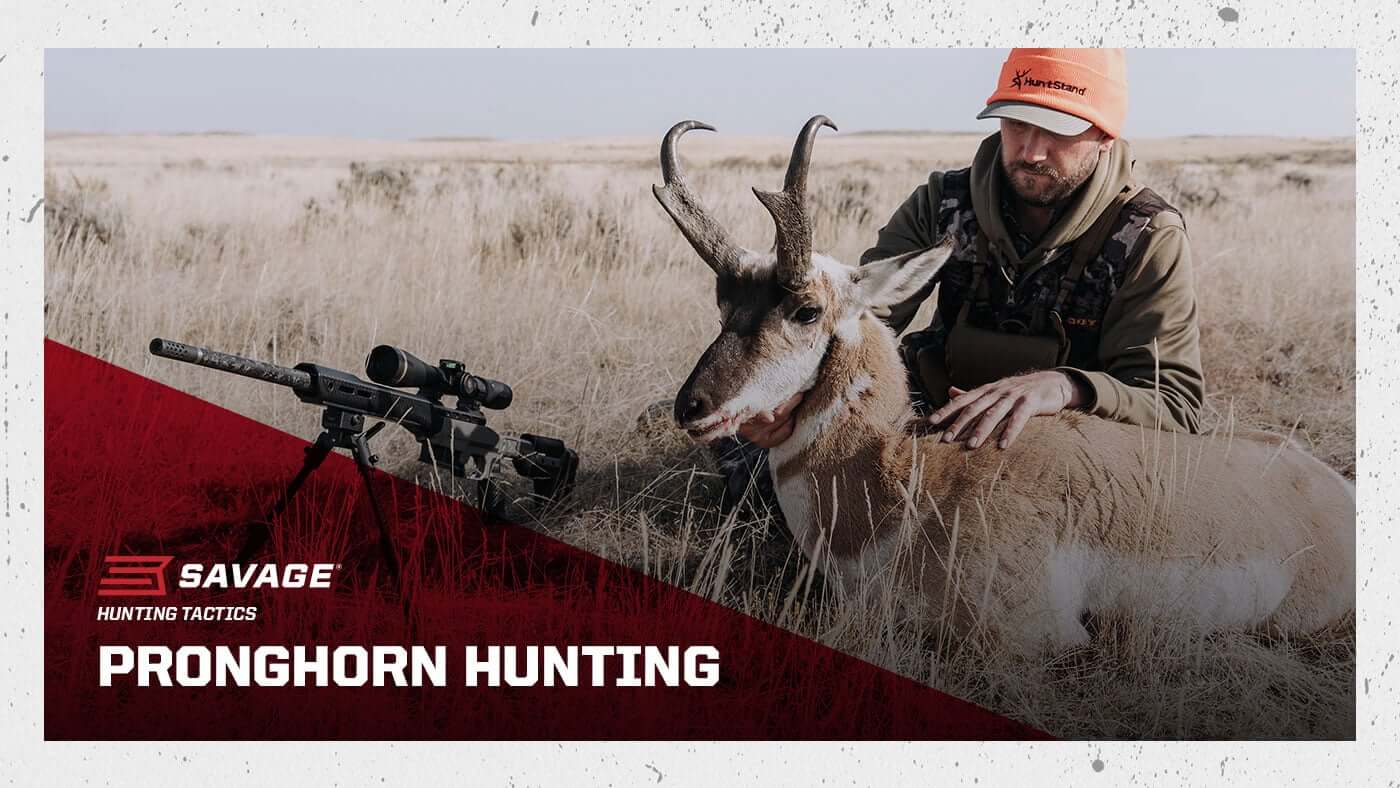
Fast. Really fast. If you've ever glassed a herd of pronghorn across a sagebrush flat and watched them turn from a leisurely graze into a full sprint in the blink of an eye, you already know why hunters get hooked on this animal. Pronghorn hunting isn't like chasing whitetails through timber or still-hunting elk in the high country. It's a wide-open, long-range, glass-'em-till-your-eyes-hurt kind of game, and it's one of the most underrated hunts in North America.
Whether you're headed West for your first pronghorn hunting trip or you're a seasoned speed goat chaser looking to fill out your rifle setup, we've put together this guide to help you understand the animal, the country it lives in, and the gear that'll get you within range.
What Are Pronghorn?
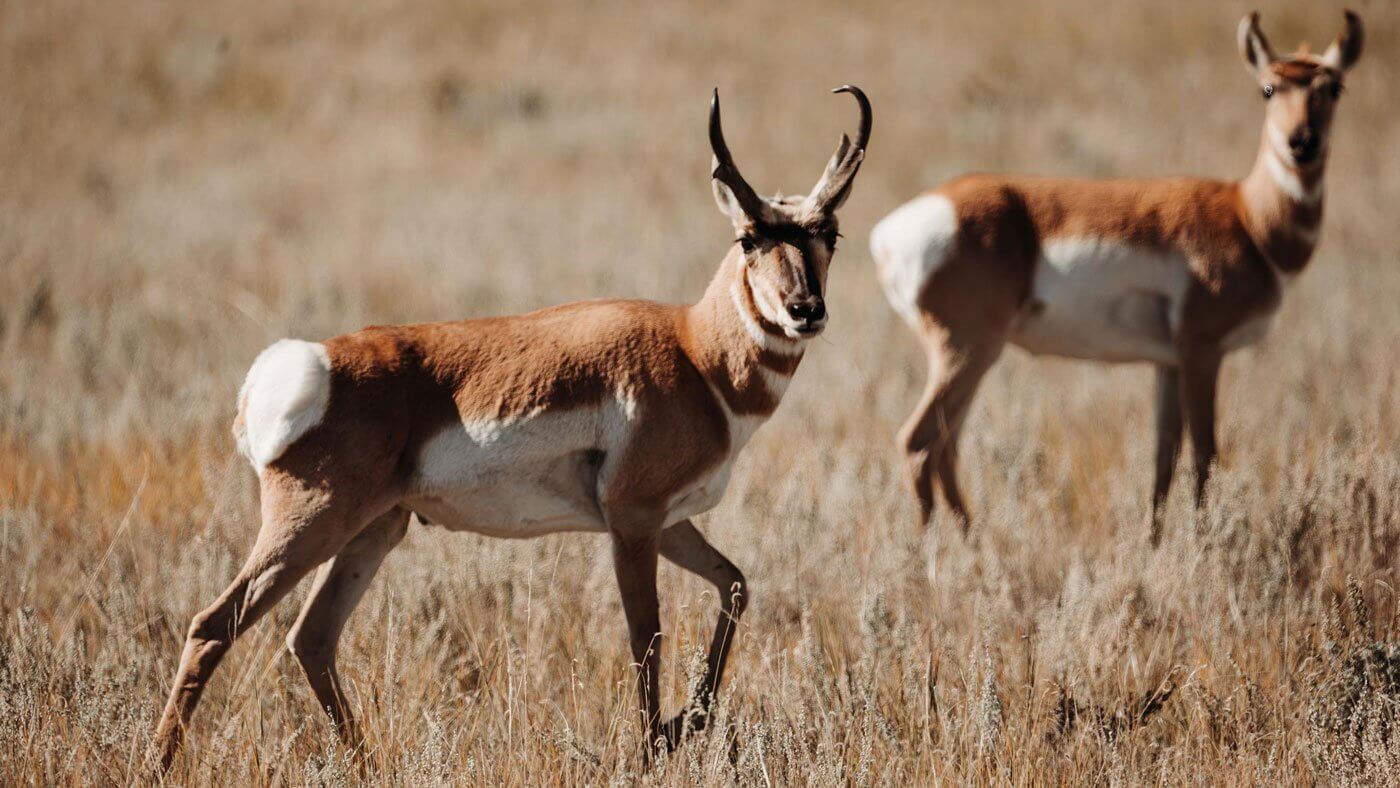
Pronghorn are widely considered the fastest land animal in North America, capable of hitting bursts near 55–60 mph and holding 30-40 mph over multiple miles. That combination of blazing top speed and serious endurance is what earned them the nickname "speed goat," and it's exactly why pronghorn hunting demands a different playbook than most other big game pursuits.
Pronghorn call the wide-open deserts, sagebrush prairies, and high plains of the American West home. There's nowhere to hide out there, and pronghorn like it that way. Open country means they can spot danger from miles off and use that speed to put distance between themselves and whatever's chasing them.
Pronghorn can also be great table fare, especially if you make meat care a priority in the field. Pronghorn meat can spoil fast, especially if hunted early in the season, so getting your animal broken down and on ice immediately is critical. The meat has a reputation for being lean, tender, and flavorful, and is great ground up for tacos or sliced for cheesesteaks!
Habitat: Where to Find Them
If you're planning your first pronghorn hunting trip, start by looking at the western Great Plains and the Rocky Mountain front. Pronghorn thrive in sagebrush prairies, mountain slopes, and highland deserts, but the common thread across all of it is open space. These animals rely on their eyesight and their speed as a defense system, so they gravitate toward terrain where they can see trouble coming from a long way off and have plenty of room to run.
States that offer pronghorn hunting seasons include:
- Colorado
- Nebraska
- Wyoming
- Montana
- New Mexico
- Arizona
- Texas
- Utah
- South Dakota
- North Dakota
- Oregon
- Kansas
Wyoming and Montana tend to hold the highest overall populations and offer some of the more accessible public land opportunities, but don't overlook the other states on this list. Many of them have healthy herds and solid draw odds, especially if you're willing to put in a little research ahead of time. 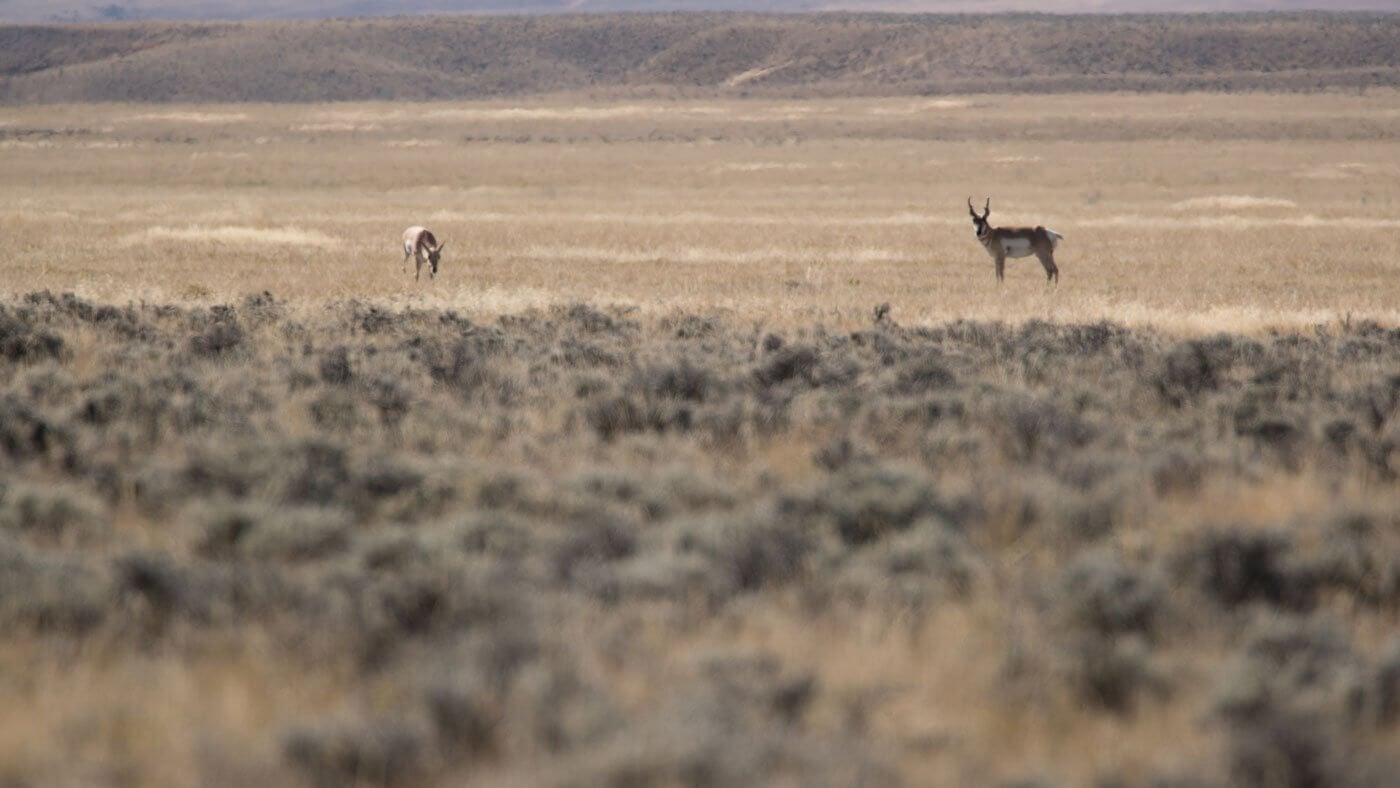
Pronghorn Hunting Strategies
There are two go-to approaches when it comes to pronghorn hunting, and which one you lean on often comes down to terrain, time of year, and personal preference.
Spot and Stalk
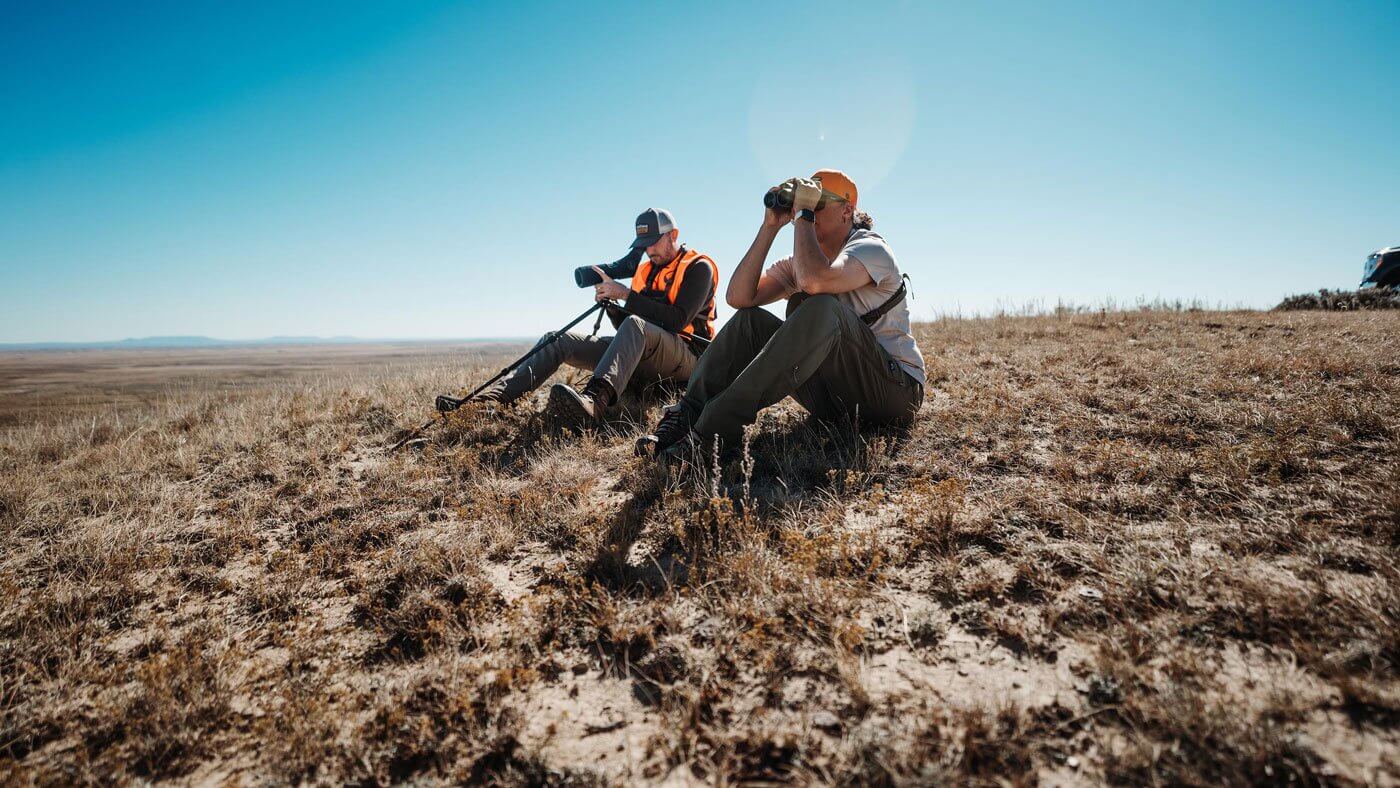
Spot and stalk is the classic method, and for good reason. Pronghorn country tends to be big and open, which makes locating animals with a good pair of binoculars or a spotting scope easily. The hard part is closing the distance. Because pronghorn can spot movement from far away, a successful stalk usually means using every fold, draw, and rise in the landscape to stay out of sight, moving slowly, and paying close attention to wind direction the entire way in. Patience is everything here; rushing a stalk is the fastest way to send a herd sprinting for the next county.
When you're set and ready for the shot, it's important to stay stable and stay stealthy. A good bipod, like the Savage bipod, helps keep your rifle steady so you don't blow the shot after working for hours on a long stalk. Staying quiet is important as well. On the off-chance that you miss your shot, keeping your rifle quiet will help give you a better opportunity for a follow up. The Savage AccuCan AC30 or AC30 B.O.B. suppressors will help keep your shot quieter and give you the chance to seal the deal.
Ambush
Ambush hunting is the other reliable option, particularly during hot, dry stretches of the season. Pronghorn need water just like every other big game animal, and in arid country, that means they'll regularly visit the same water sources day after day. Scouting ahead of time to identify active water holes, then setting up a blind at a reasonable distance away, can put you in position for a much shorter, more controlled shot. This tactic tends to reward hunters willing to put in long, hot hours waiting rather than covering open ground.
Neither strategy is inherently better than the other. Plenty of successful hunters combine both; glassing and moving during the cooler morning and evening hours, then setting up over water when the midday heat pushes animals off their feet.
Ammo Selection
The good news? If you already hunt deer, you likely already own a rifle that's more than capable for pronghorn. Any cartridge that gets the job done on deer-sized game will handle pronghorn just fine. Where things get a little more nuanced is distance. Pronghorn country is open, shots often stretch out past 300 yards, and a flatter-shooting, higher-BC bullet setup is going to serve you better than something built for closer cover.
Classic options that have taken pronghorn for generations include:
If you're looking at newer offerings built with long-range performance in mind, consider:
Whatever you choose, prioritize loads with a high ballistic coefficient. Pronghorn are tough for their size but not particularly large, so shot placement matters more than raw knockdown power. A well-placed, flat-shooting round will outperform a heavier bullet that runs out of steam at distance. 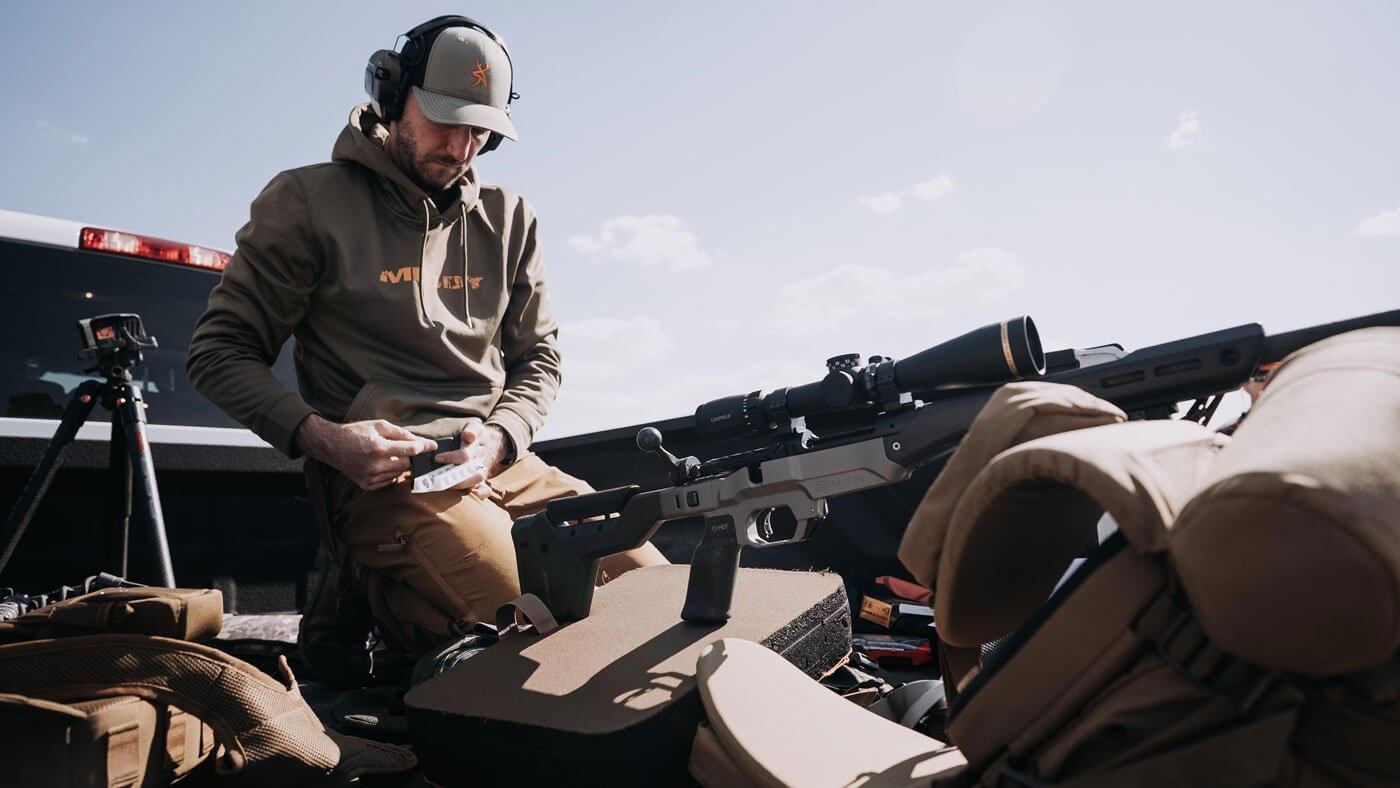
Savage Rifles for Pronghorn Hunting
Picking the right platform matters as much as picking the right cartridge, and we've got a few rifles in the lineup that are purpose-built for the kind of hunting pronghorn demand.
- 110 Ultralite Elite — When ounces matter and distance is the name of the game, the 110 Ultralite Elite ups the ante. It pairs a PROOF Research carbon fiber-wrapped stainless-steel barrel with an adjustable MDT HNT26 folding carbon fiber stock for lightweight precision. Add in a user-adjustable AccuTrigger, a 20 MOA picatinny rail for optics, and an AICS detachable box magazine, and you've got a rifle that's ready to make the most of a long-range pronghorn hunting setup without weighing you down on the walk in.
- 110 Core Hunter —The Core Hunter pairs modern ergonomics with rugged performance. The AccuFit V2 stock allows for toolless length-of-pull and comb adjustments along with interchangeable grip modules, so you can dial in your fit before you ever hit the prairie. A Cerakoted barreled action, user-adjustable AccuTrigger, and threaded muzzle round out a rifle that's ready for just about any pronghorn hunting scenario. Lefties will love this option too, with left-hand configurations across many of its 34 cartridge options.
- Impulse Core Hunter Pro — For hunters who want speed built into the action itself, the Impulse Core Hunter Pro brings straight-pull technology to the table. It combines the safety and accuracy of a traditional bolt gun with increased cycling speed, all wrapped in the same AccuFit V2 adjustability and durable Cerakote finish found across the new Model 110 lineup. When a second shot opportunity presents itself on a moving herd, that extra speed can make all the difference.
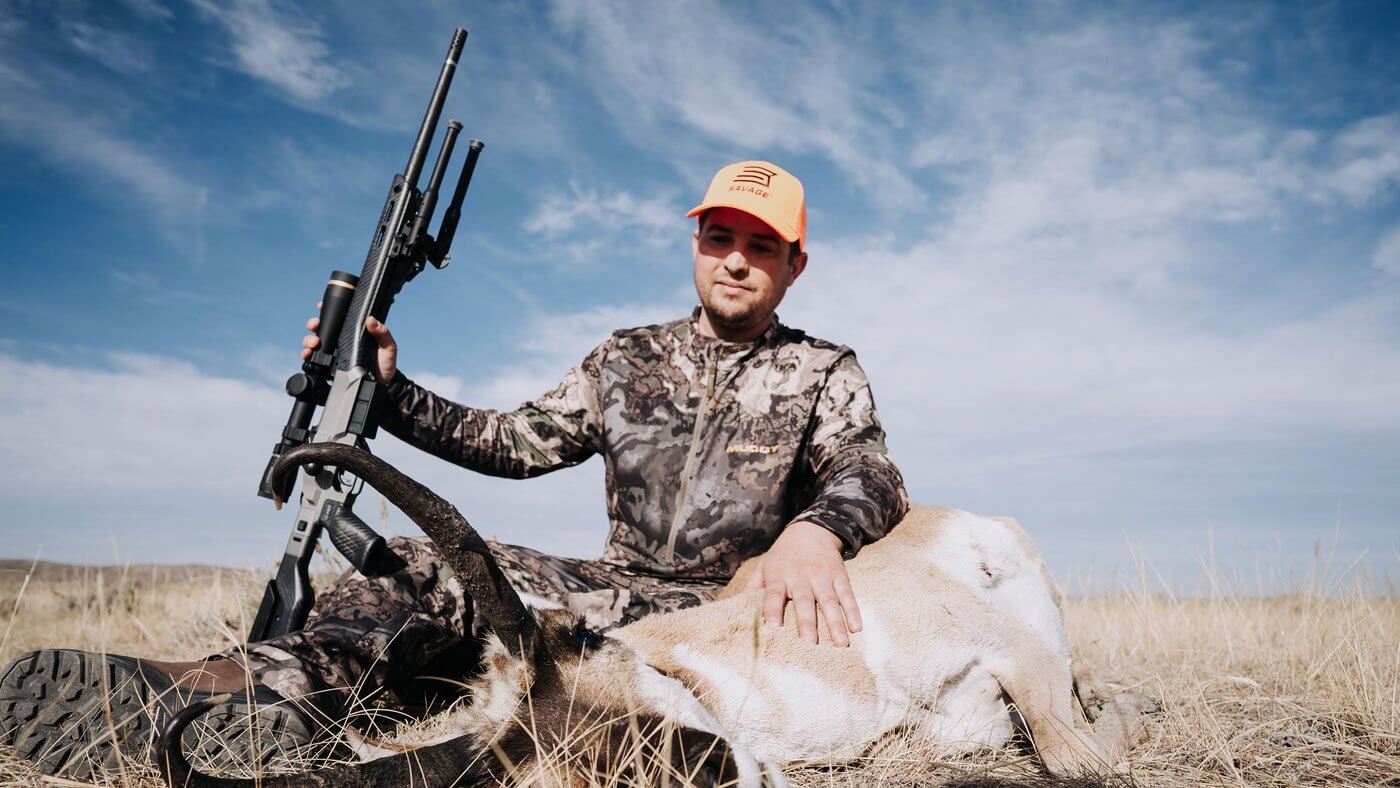
Pronghorn hunting rewards preparation. Know your unit, understand the terrain, pick a strategy that fits the conditions, and make sure your rifle and ammo combination is dialed in for the distances you're likely to encounter. Do that, and you'll be well on your way to putting one of North America's most unique game animals on the ground.