- Savage Blog
- Using a Bipod for Hunting: Stability and Success
Using a Bipod for Hunting: Stability and Success

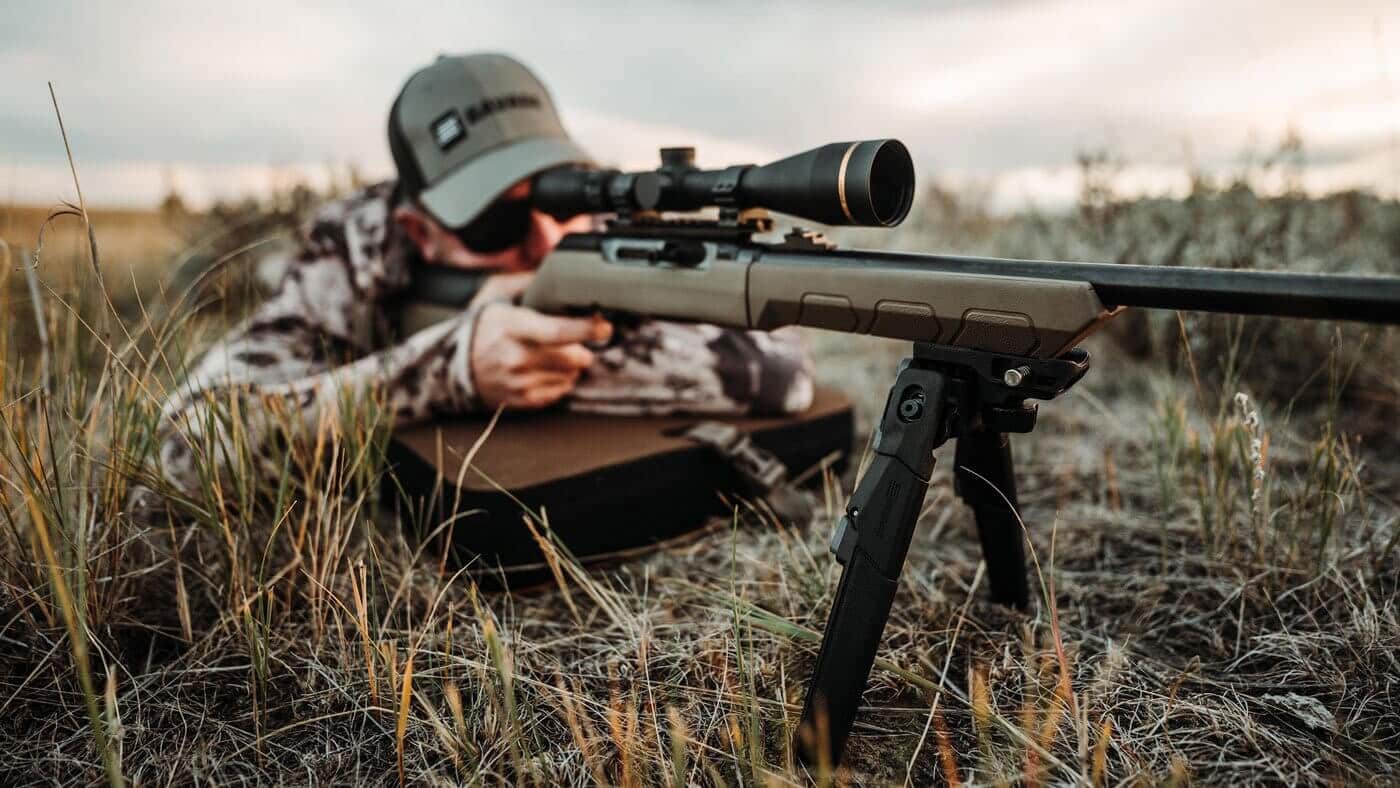
You’ve put in the scouting hours. You know the terrain, the wind, and the habits of the animal you’re after. But when the moment of truth arrives and your adrenaline starts racing, or you’re holding a position longer than expected while an animal works its way into range, even an experienced hunter’s steady hold can start to waver. That’s when using a bipod for hunting earns its keep.
Using a bipod for hunting shouldn't be thought of as a crutch, rather, it’s a practical tool that hunters can use to maximize their chances of a clean, ethical shot. Whether you’re stretched out in a prairie dog field, posting up on a ridge glassing for elk, or waiting on the edge of a food plot at last light, a quality bipod can be the difference between a confident trigger pull and a regrettable miss. Let's break down the advantages of adding a bipod to your hunting setup, the main attachment systems available, and walk through how you can use bipods with your Savage rifle.
Why Experienced Hunters Choose a Bipod
Stability When It Matters Most
Even the most disciplined shooters can benefit from a mechanical advantage. Muscle fatigue, elevated heart rate, and adrenaline are all working against you at the moment of the shot. A bipod removes a significant portion of that variable by providing a consistent, repeatable rest directly under the forend of your rifle.
One of the most underappreciated benefits of running a bipod for hunting is what happens immediately after the shot. With a solidly rested rifle, you’re far better positioned to track your bullet’s impact through your optic. On longer shots especially, seeing how and where your shot hits, or misses, is critical information that informs every decision you make next. Without a stable rest, recoil can make tracking a shot much more difficult.
Beyond shot tracking, bipods help manage recoil in a more controlled, consistent way. When the rifle is supported against a stable surface, the rearward energy of the shot is absorbed and distributed more evenly, meaning less disruption to your sight picture and a faster return to target if a follow-up shot is needed.
A Compact, Practical Design
Compared to other field rests like tripods or shooting sticks, a bipod is remarkably compact and convenient. It mounts directly to the underside of your rifle’s forend, so it travels with the firearm rather than requiring a separate piece of gear. When you’re not shooting, the legs fold up flush against the barrel or tuck away neatly, adding minimal bulk to your carry profile.
Deployment is equally straightforward. Most hunting bipods feature legs that either flip down with a quick release or slide out with a simple extension mechanism. In a high-pressure hunting situation, the last thing you want is to be fumbling with gear, and a good bipod should be ready in a matter of seconds without taking your eyes off your target.
Versatility Across Hunting Scenarios
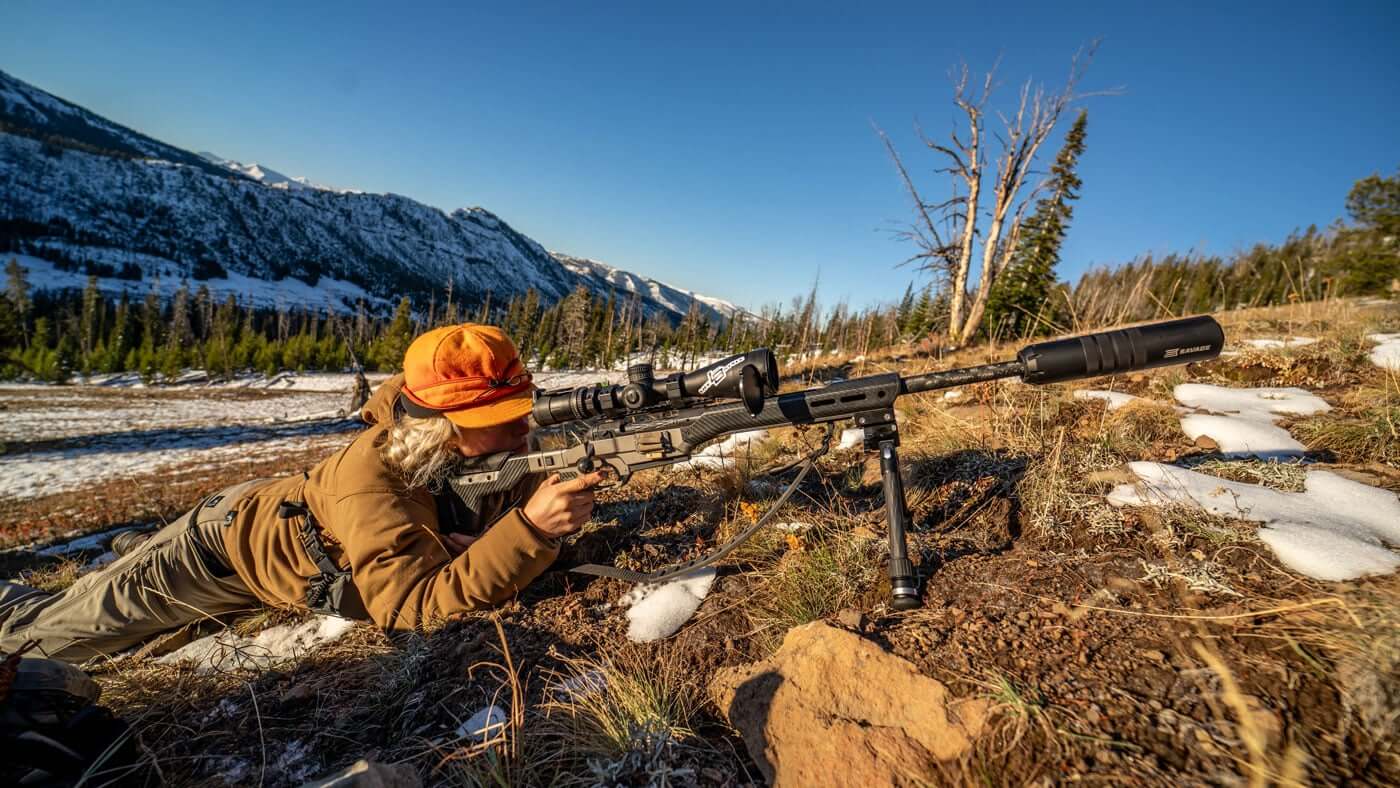
A major advantage of using a bipod for hunting is their adaptability to different shooting positions and terrain. Many models feature adjustable leg heights, letting you configure the height of your rest for prone shooting on flat ground, a slightly elevated position through low grass, or a kneeling or sitting shot from behind a rock, log, or hillside.
Prone is generally the most stable shooting position available to a hunter, and a bipod makes prone shooting far more comfortable and consistent over longer periods of waiting. But the adjustability of a quality bipod means it’s not limited to the flat and level. When hunting in broken terrain or from uneven ground, the ability to extend one leg further than the other allows you to level the rifle without having to find a perfectly flat surface, making them versatile and invaluable tools.
Bipod Attachment Systems: What Works for Your Rifle
Once you’ve decided to add a bipod for hunting to your setup, the next question is how it attaches to your rifle. There are two main attachment systems you’ll encounter, and each has its own set of advantages.
Sling Stud Attachment
The sling stud is the most common bipod attachment method and the one you’re most likely already familiar with. Almost every hunting rifle comes from the factory with a sling swivel stud threaded into the underside of the forend. Sling stud-compatible bipods clip onto this stud with a spring-loaded clamp or thumb wheel mechanism, making installation and removal quick and tool-free.
M-Lok Attachment
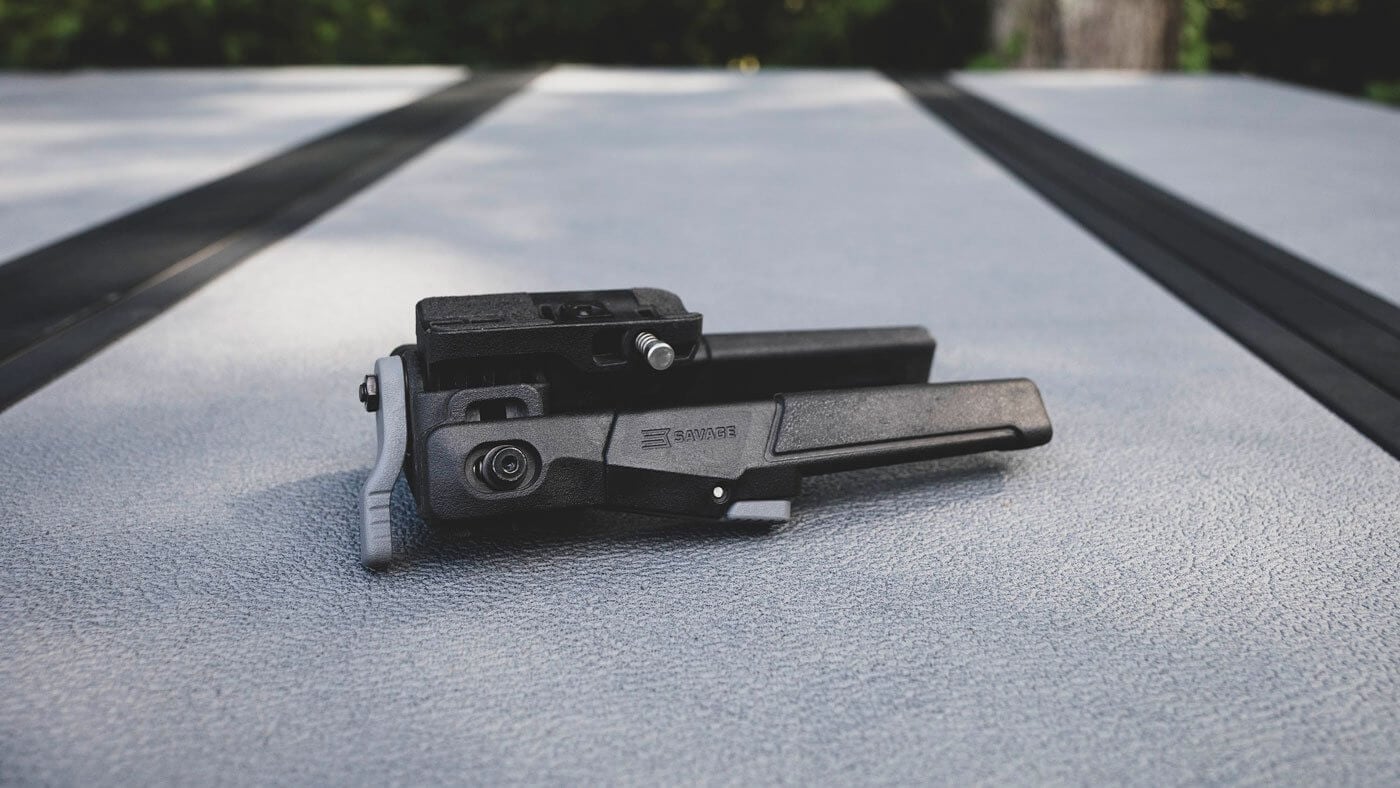
M-Lok is a modular accessory mounting system that has become increasingly common on modern tactical and precision hunting rifles. Instead of relying on a single pivot point like a sling stud, M-Lok uses a slot-based mounting system integrated directly into the rifle’s forend. Accessories attach via T-nuts that lock into these slots, creating a much larger contact area against the forend.
The practical result is a noticeably more rigid connection. Because the bipod is bearing against the forend across multiple points of contact rather than pivoting on a single stud, there’s less flex and wobble in the system, which translates to a more consistent and stable shooting platform. For hunters making precise shots at longer distances or in demanding conditions, this added rigidity can be a meaningful benefit.
The Savage Bipod: Built for Both Systems
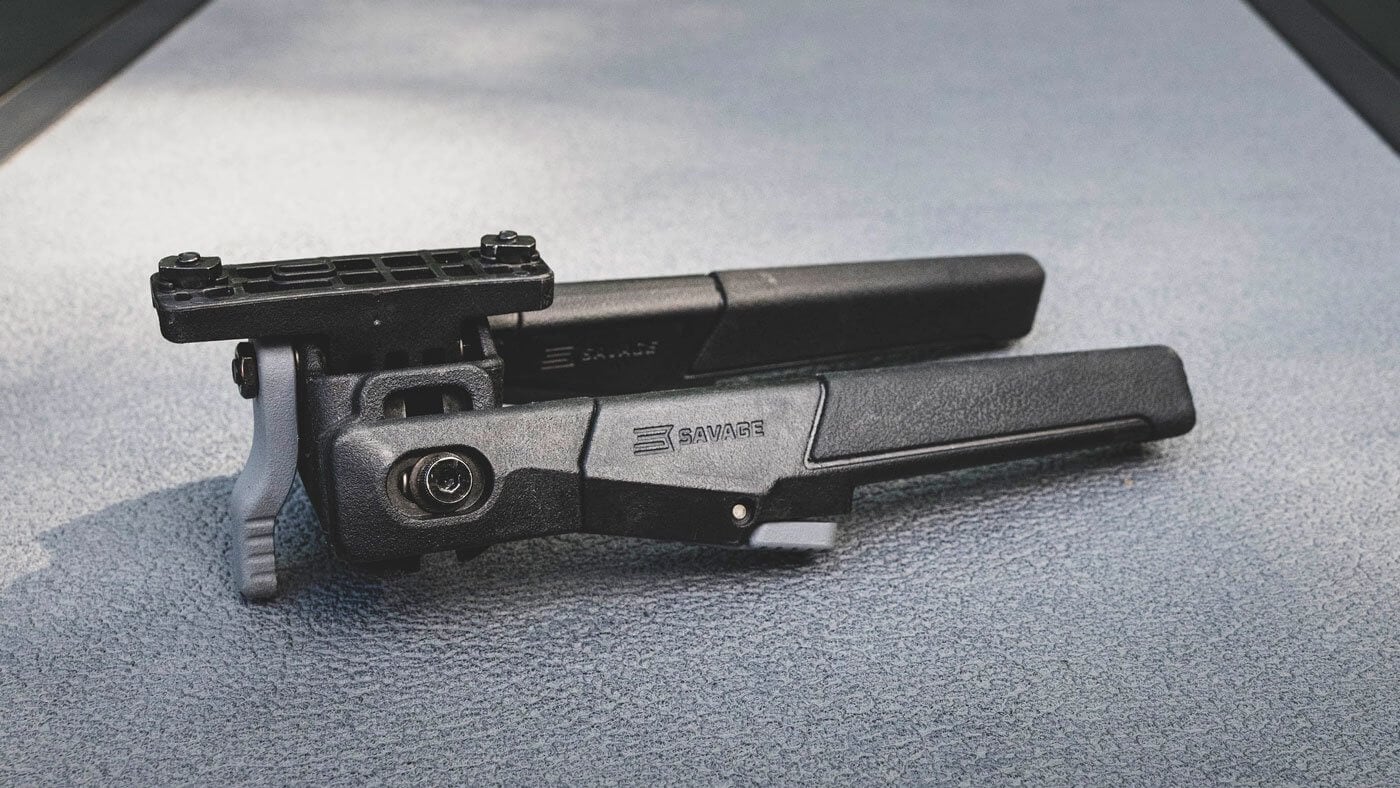
If you’re shooting a Savage rifle, the Savage bipod is a purpose-built accessory that makes the decision easy. Offered in two configurations, one for sling stud installation and one for M-Lok, it’s designed to pair seamlessly across our rifle lineup. It’s easy to adjust, reliable in the field, and engineered to complement the accuracy and ergonomics of your Savage rifle right out of the box.
Using a Bipod with Your Savage Axis
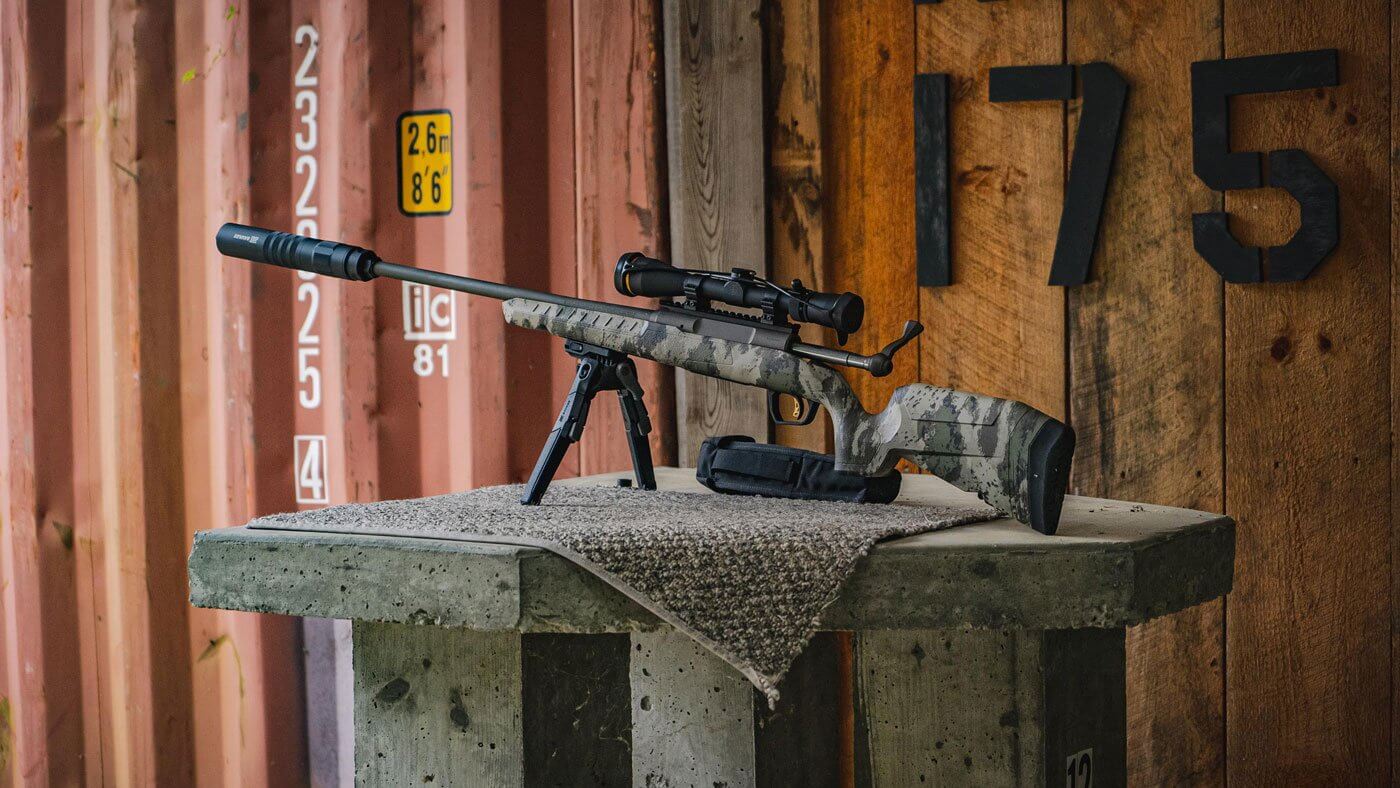
The next-generation Axis was designed with improved ergonomics and expanded functionality, including a notable feature that opens up more accessory possibilities for hunters who want to run a bipod. Many sling stud bipods can attach directly to the factory sling swivel stud already present on the Axis forend. If your bipod is compatible with a recessed sling stud, installation is as simple as clipping on and snugging it down.
However, some hunters prefer to run both a sling and a bipod simultaneously, using the sling to carry the rifle and deploying the bipod when they reach their shooting position. We’ve addressed this directly on the Axis. The stock includes a pre-drilled pilot hole that allows you to install a second sling stud, giving you a dedicated attachment point for your bipod while keeping the factory stud free for your sling. You can check out how to install the secondary sling stud on this blog!
Using a Bipod with the New Savage Model 110
The Model 110 is the longest continuously manufactured bolt-action rifle in North America, and its latest update brings with it one of the most comprehensive accessory integration systems in any factory hunting rifle today. For hunters wanting to mount a bipod, the new Model 110 lineup offers multiple pathways depending on which series you own.
Trophy Series: Sling Stud Compatibility
The Trophy Series sits at the foundation of the new Model 110 lineup and represents an excellent value for the average hunter. These rifles use a stock design similar to the Axis, meaning sling stud bipods are the go-to attachment method. Just as with the Axis, you can use a bipod on the factory recessed stud or install a second sling stud to run both a sling and bipod simultaneously, following the same installation process outlined at the installation blog linked above.
Core and Pro Series: M-Lok Integration
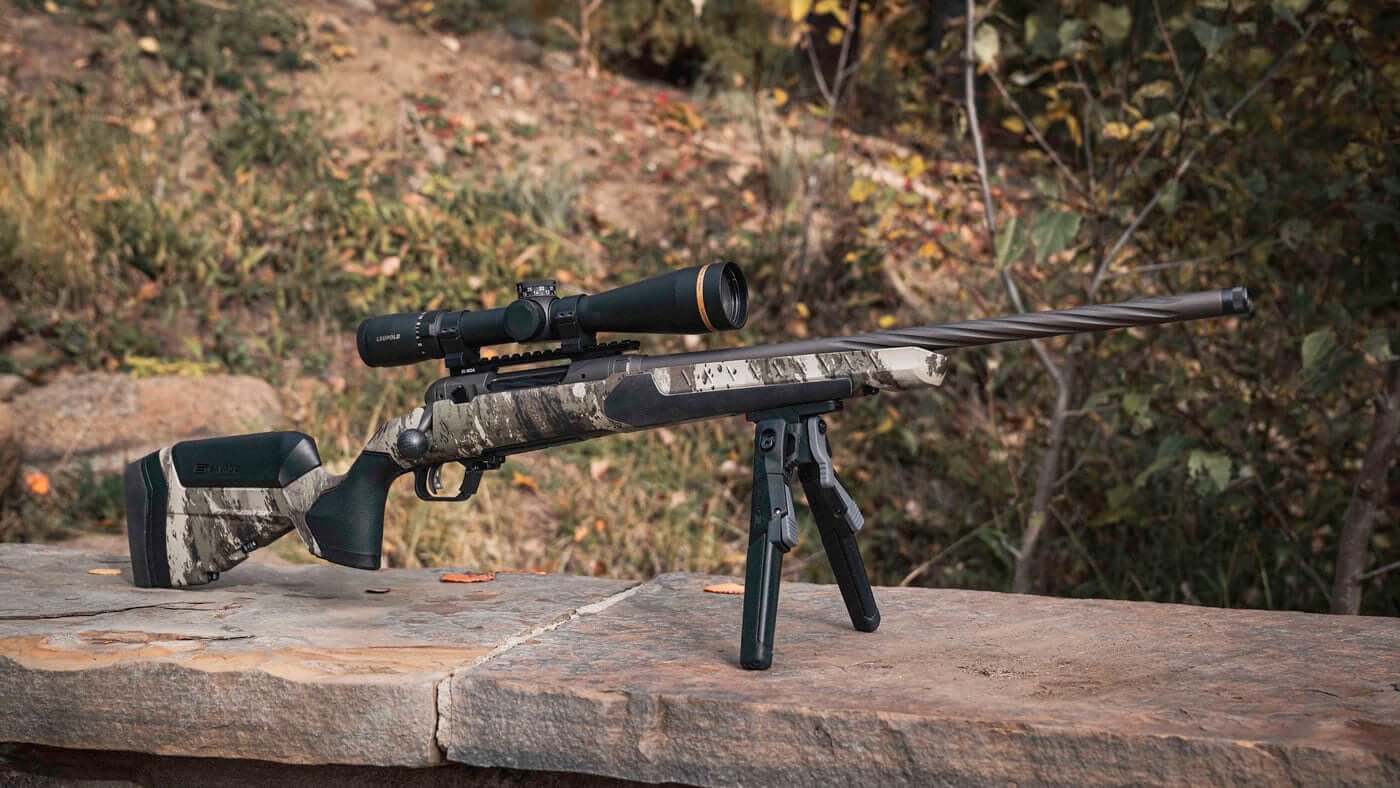
Where the new Model 110 really opens up for accessory-minded hunters is in the Core and Pro Series. Both of these tiers come equipped with the AccuFit V2 stock system, featuring M-Lok panels integrated directly into the forend. This means M-Lok compatible bipods can be mounted with a rigid, direct connection to the rifle, with no adapter needed.
The Core Series, which includes the 110 Core Hunter, 110 Core Predator, and 110 Core Tactical, is particularly well-suited to bipod use. The 110 Core Predator and 110 Core Tactical feature multiple M-Lok slots and an integral ARCA rail built right into the forend, giving hunters and precision shooters maximum flexibility for mounting their bipod of choice
It’s worth noting that Core and Pro Series hunters aren’t limited to M-Lok bipods. If you already own a sling stud bipod, you can use it on the factory recessed sling stud, or pick up an M-Lok to sling stud adapter for easy and convenient use.
Making the Most of Your Bipod in the Field
Adding a bipod for hunting is one of the most cost-effective improvements you can make to a hunting rifle setup. But like any piece of equipment, getting the most out of it means understanding how to use it properly.
Take time before the season to practice deploying and adjusting your bipod from different positions. Muscle memory matters, especially when an animal steps out at an unexpected angle or distance. Practice prone shots at varying distances, get comfortable adjusting the leg height for sloped terrain, and develop a feel for how much forward pressure on the bipod legs helps steady the rifle (a technique sometimes called “loading” the bipod).
Pair your bipod practice with consistent shooting fundamentals. A proper cheek weld, trigger control, and breath management all matter just as much to accuracy as stability during the shot. Follow these principles, and you’ll have tight groups at the range and more confidence when it counts in the field. 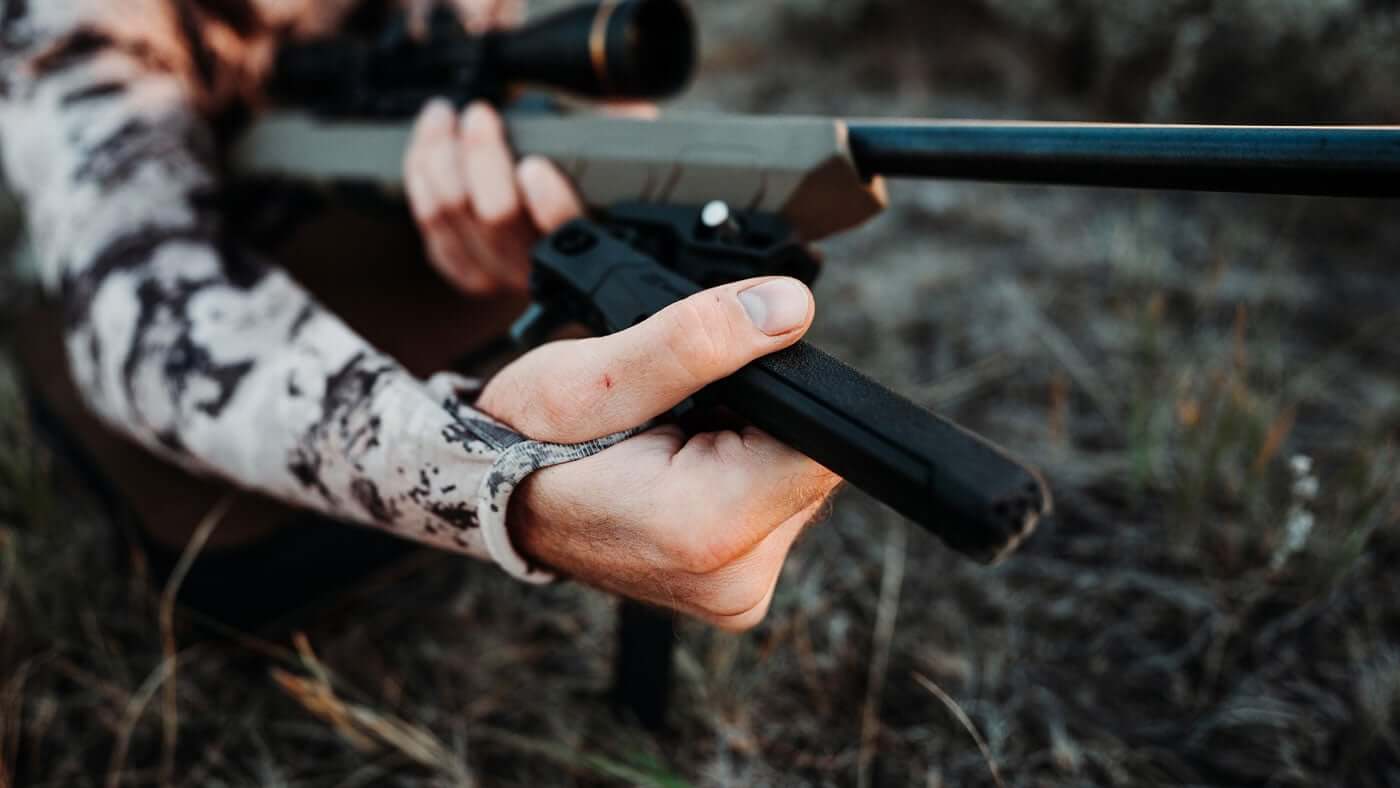
Whether you’re new to the concept or have been running a rest system for years, a well-chosen bipod matched to your rifle and hunting style is an investment that pays dividends season after season. If you’re shooting a Savage Axis or one of the new Model 110 variants, the good news is that the platform was built with this kind of versatility in mind, giving you more options to set up your rifle exactly the way you want it.