- Savage Blog
- Western Hunting Optics Guide: Finding the Right Glass
Western Hunting Optics Guide: Finding the Right Glass

Out West, the country is wide open. Miles of sagebrush, timbered ridgelines, and canyon rims that swallow up distance in a hurry, requiring optics that help level the playing field and stretch across the distance. Whether you're glassing for mule deer across a basin or setting up on a pronghorn at 400 yards, the right optics setup can be the difference between a filled tag and a long walk back to the truck. Let's break down the gear you need when it's time to head west.
Finding the Right Scope
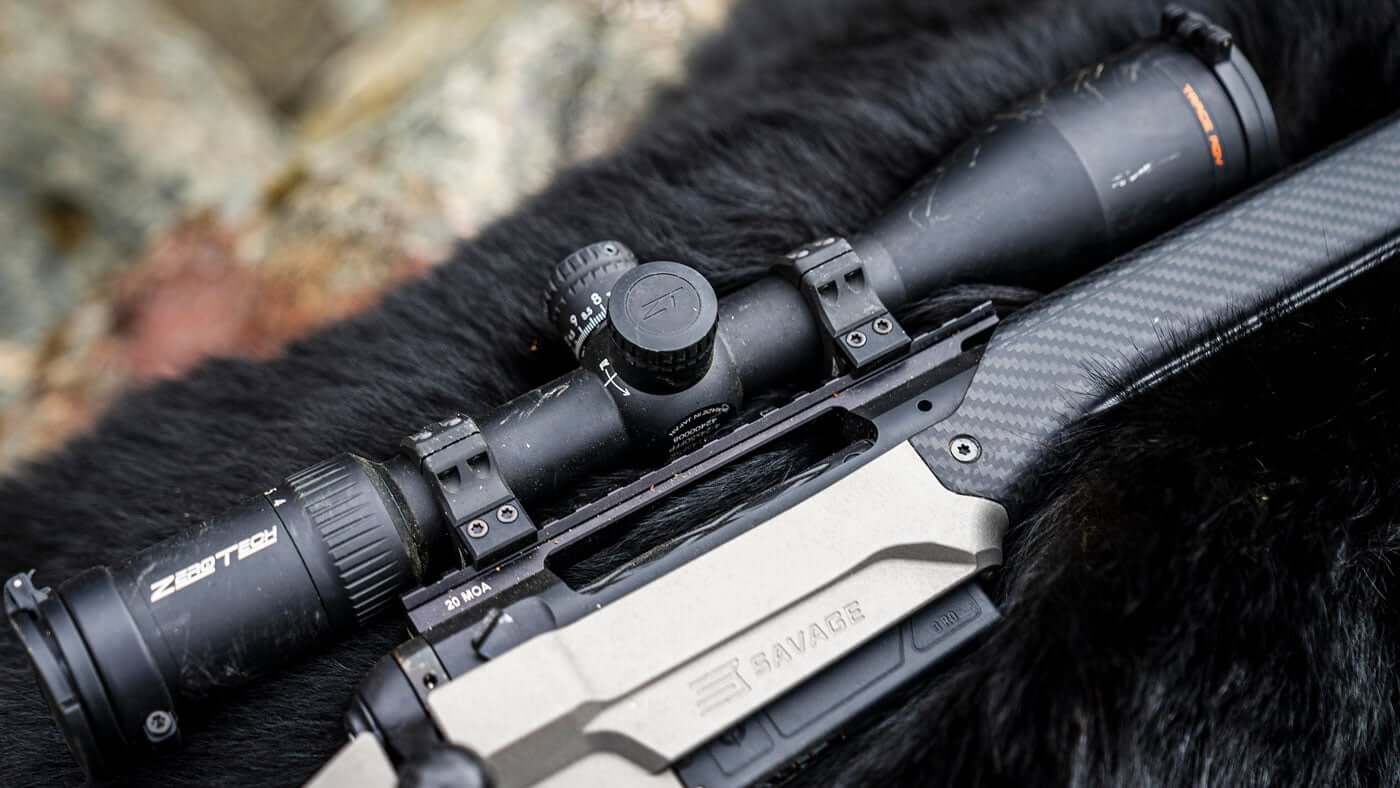
Choosing the right riflescope starts with one simple question: how far do you actually intend to shoot? For many western hunters, shots are taken at 300 yards or farther. If you're comfortable with long range shots, you may want a scope in the magnification range of 15x, 18x, or higher. If you're primarily spot-and-stalk hunting and plan on closing the distance to shorter ranges, a lower magnification scope will serve you just fine, and it'll be lighter and easier to carry to boot.
Once you've settled on magnification, it's worth understanding the difference between first focal plane (FFP) and second focal plane (SFP) hunting optics, since this decision affects how you'll actually use the scope in the field.
- First focal plane scopes have a reticle that grows and shrinks along with your magnification. That means your holdover marks stay accurate at any power setting, which is a real advantage if you need to make a quick shot without stopping to dial your magnification back to a specific setting first.
- Second focal plane scopes keep the reticle the same size no matter the magnification. Holdovers on an SFP scope are only accurate at the highest magnification setting, so these are better suited to hunters who prefer to dial precise corrections or are shooting shorter distances with less potential for drop off.
A few more features worth prioritizing:
- Zero stop: A zero stop lets you dial elevation up for a long shot and then return to your original zero without having to count clicks or check your turret against a reference mark. It gives you peace of mind that your scope returns to zero precisely every time.
- Parallax adjustment: Having parallax adjustment allows you to correct for the apparent shift of the target relative to the reticle at different distances and magnifications, keeping your point of aim accurate as ranges change.
- Illumination: An illuminated reticle can be a real asset in low light during that first or last hour of legal shooting light, when game is often most active.
Spotting Scopes and Accessories
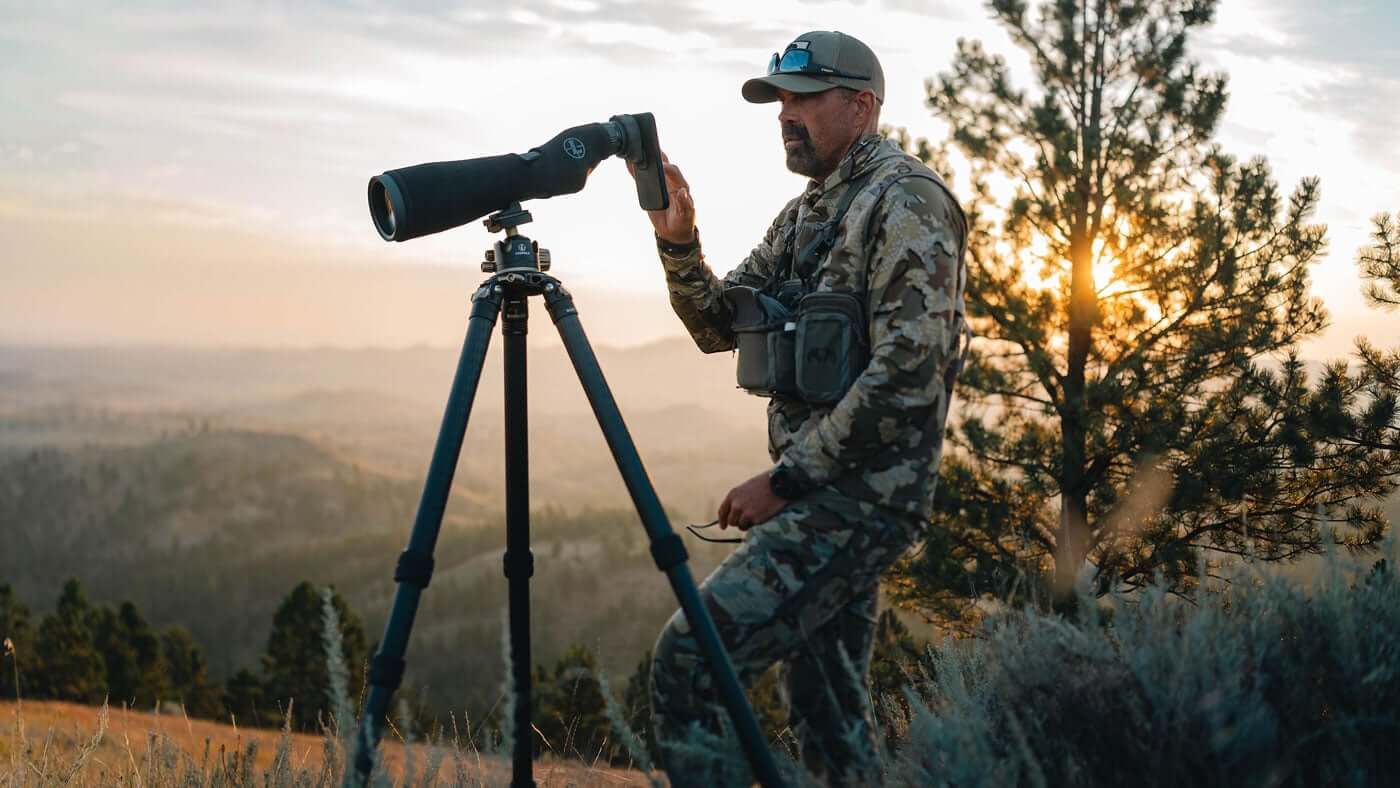
A good spotting scope is essential for any western big game hunt. It gives you a far more stable sight picture than handheld binoculars, and its higher magnification lets you pick apart distant terrain, judge antlers, and confirm animals well beyond what binoculars alone can resolve while glassing.
A few accessories that make a spotting scope actually usable in the field:
- A good stand: Usually a sturdy tripod capable of holding your scope rock steady, since even a small amount of shake becomes magnified (literally) at higher power.
- A glassing chair: Nothing makes long glassing sessions far more comfortable than a good seat, letting you stay behind the glass longer without fatigue setting in.
- An ultralight cover: Protects you and your scope from sun glare, rain, or wind while you're set up on a glassing knob for hours at a time.
- A phone adapter: Lets you attach your phone directly to the eyepiece, useful for capturing photos or videos of animals, or for effectively boosting your magnification for a closer look.
Binoculars and Rangefinders
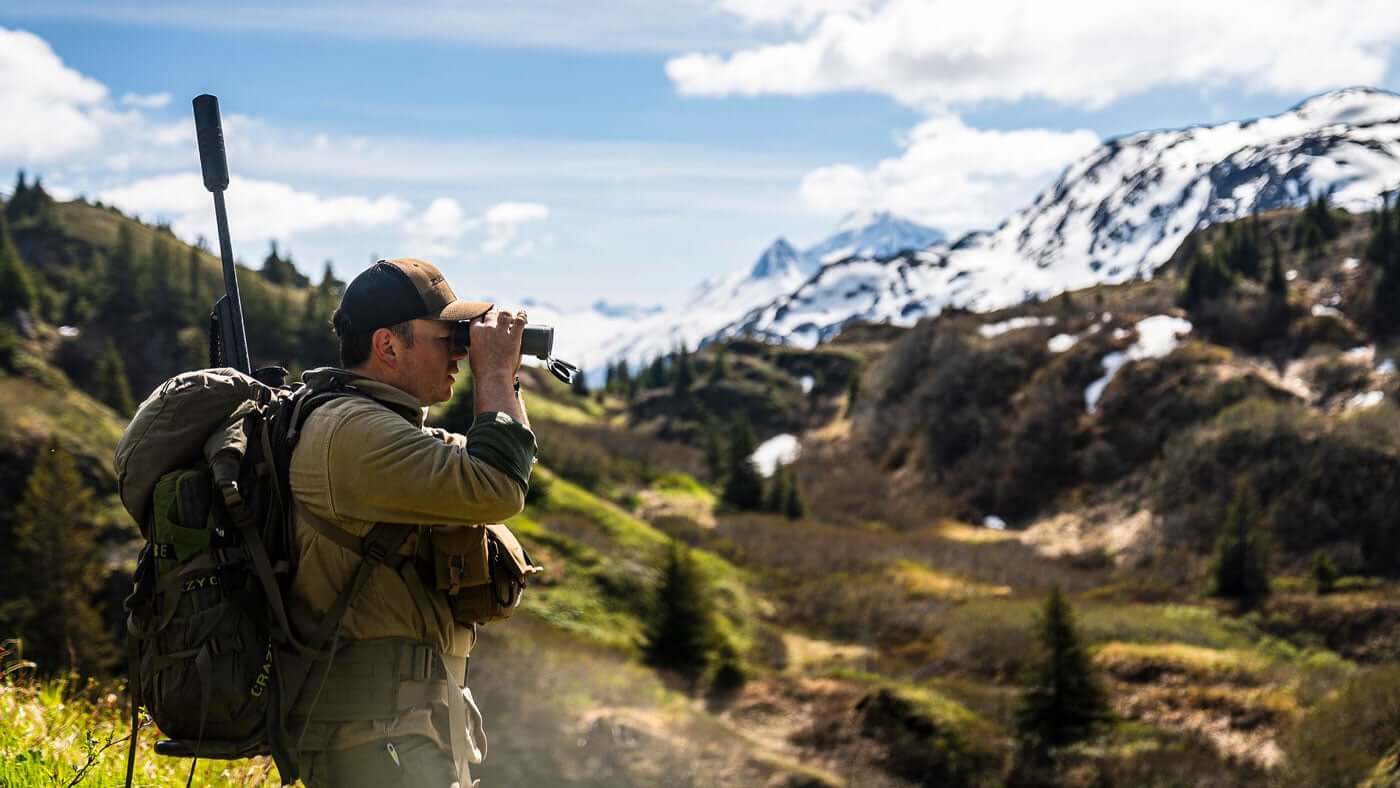
Even with a good spotting scope in your pack, binoculars remain one of the most important hunting optics you'll carry. They help you glass and spot game quickly while you're on the move, and their compact size means they're more readily accessible than a spotting scope and tripod setup; often the difference between spotting a bedded buck in time or walking right past him. Many binocular models also work with tripod adapters, giving you a stable glassing option when you can't justify carrying a spotting scope in addition to your binoculars.
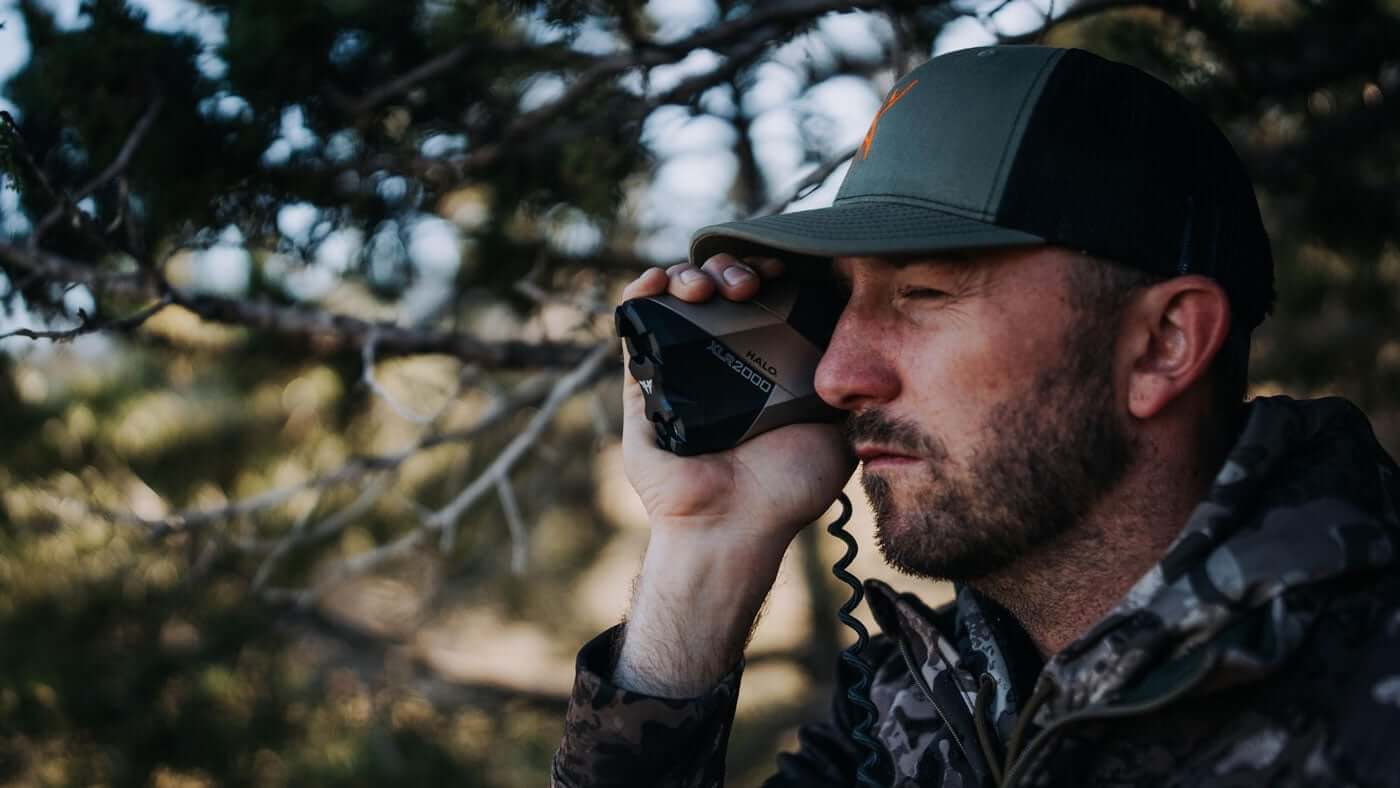
Rangefinders are just as critical, helping you determine exact shooting distance so you can dial the right correction or call the right holdover with confidence. You've got two options here: carry a separate rangefinder and binoculars or invest in a pair of rangefinding binoculars that combine both tools into one unit. Keep in mind that rangefinding binoculars tend to be bulkier and may require a larger harness than a standard pair to carry comfortably all day.
A few practical tips for getting the most out of your glass:
- Objective size matters in low light. The larger the objective lens, the more light it lets in. A 10x45 or 10x50 binocular will outperform a standard 10x42 during the dim conditions of early morning and last light.
- Carry a spare battery for your rangefinder in your binocular harness or pack. Nothing's worse than losing range capability mid-hunt.
- Keep a lens cloth handy. Clear glass makes spotting game significantly easier, and dust, fog, or rain spots on your lenses can cost you a shot opportunity.
Finding the Right Balance
The biggest, brightest hunting optics aren't always the best choice. Finding the right balance for your specific hunt matters more than chasing maximum specs.
- Weight is the first consideration. Larger scopes, bigger binoculars, and heavier spotting scopes all add up fast. If you're headed into the backcountry and need to manage overall pack weight, take a hard look at where you actually need the most optical power and trim the rest.
- Familiarity matters just as much as glass quality. Don't buy a scope with an unfamiliar reticle you haven't taken the time to learn. Spend time at the range practicing with your rifle and optic combination well before the season, so the reticle becomes second nature. A simple reticle you know inside and out will serve you better in the moment of truth than a complex one you're still puzzling over.
- Durability rounds out the list. Choose quality glass that's clear, rugged, and built to hold zero through rough handling. An optic that fogs up, goes blurry, or breaks on a hard bump will end a hunt just as fast as showing up without one.
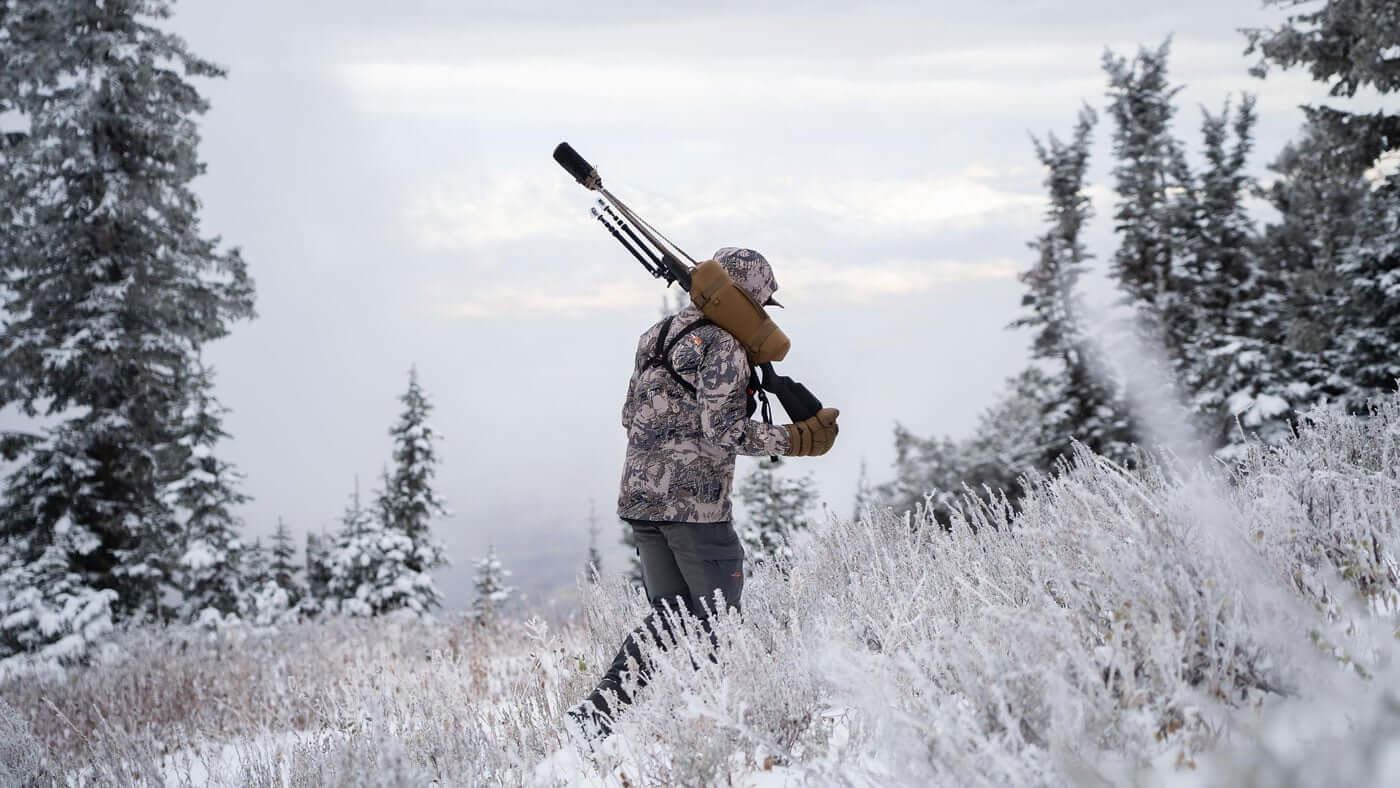
Get the balance right, and your hunting optics setup will do exactly what it's supposed to; help you find game, judge it accurately, and make a confident, ethical shot when the moment arrives.