- Savage Blog
- Deer Hunting Tips: Getting Ready for the Rut
Deer Hunting Tips: Getting Ready for the Rut

It's a deer hunter's favorite time of year. The rut is when the action gets turned up to 11, and every hunter wants to be out in the woods. If you're hunting in the days and weeks leading up to the rut, you'll also notice a significant shift in deer behavior. While you don't want to throw all of your hunting knowledge out the window for the rut, you will want to adapt to changing conditions and deer that don't play by the rules for a few days. Let's walk through some deer hunting tips for the rut, so you can be ready for anything this season.
Tip 1: Scout, But Keep an Open Mind
Almost every deer hunter will tell you one of their top deer hunting tips is to always be scouting. Look at satellite maps, walk trails, look for sign, and hanging cameras. Scouting before the season is key to knowing where deer are, how they move, and what sources of food, water, and shelter they use. However, don't blindly trust your preseason scouting during the rut. A deer's normal routine can go out the window in a few different ways during the rut.
- A buck’s home range expands greatly.
- New bucks move into your area, and push out bucks that are there.
- Movement increases greatly outside of peak movement windows.
Use your scouting as a framework but expect the unexpected to happen and don’t get locked in on your target buck. Keep an open eye on the weather, how deer are moving around your stand, camera activity, and what new bucks are moving into the area. Deer may be harder to pattern during the rut, but being in the right place at the right time still matters. Stick to your funnels, pinch points, food plots, and other key activity areas, but make a plan to extend your time in the stand to take advantage of more opportunities. 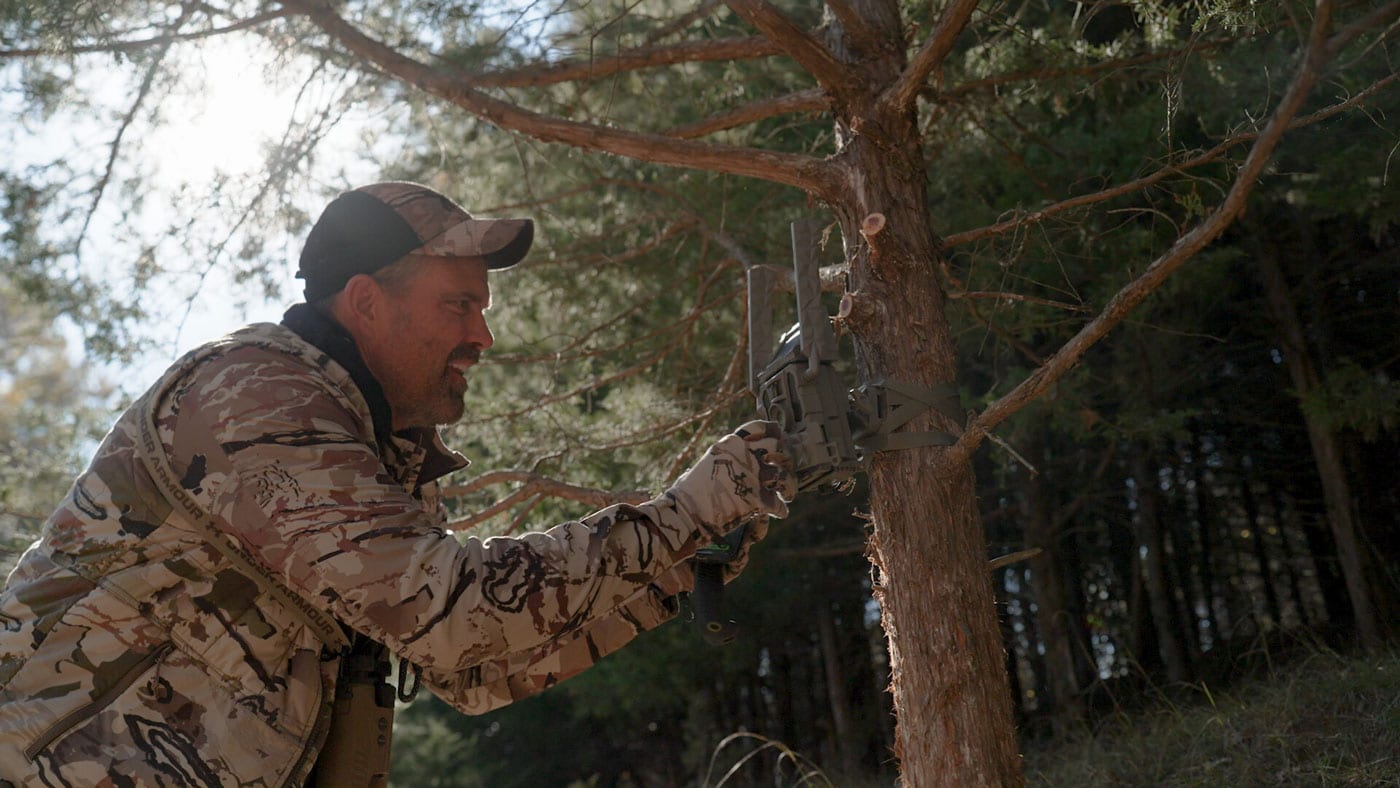
Tip 2: Call, Call, Call
Conventional deer hunting tips will tell you to call sparingly when deer hunting. While this is sage advice during the early and late season, the rut is a different animal. Deer are more vocal and aggressive during the rut, which you can use to your advantage.
- More grunting is better; both contact grunts and adversarial grunts. Contact grunts can stop a buck in his tracks, and adversarial grunts can challenge a mature buck’s authority in the woods.
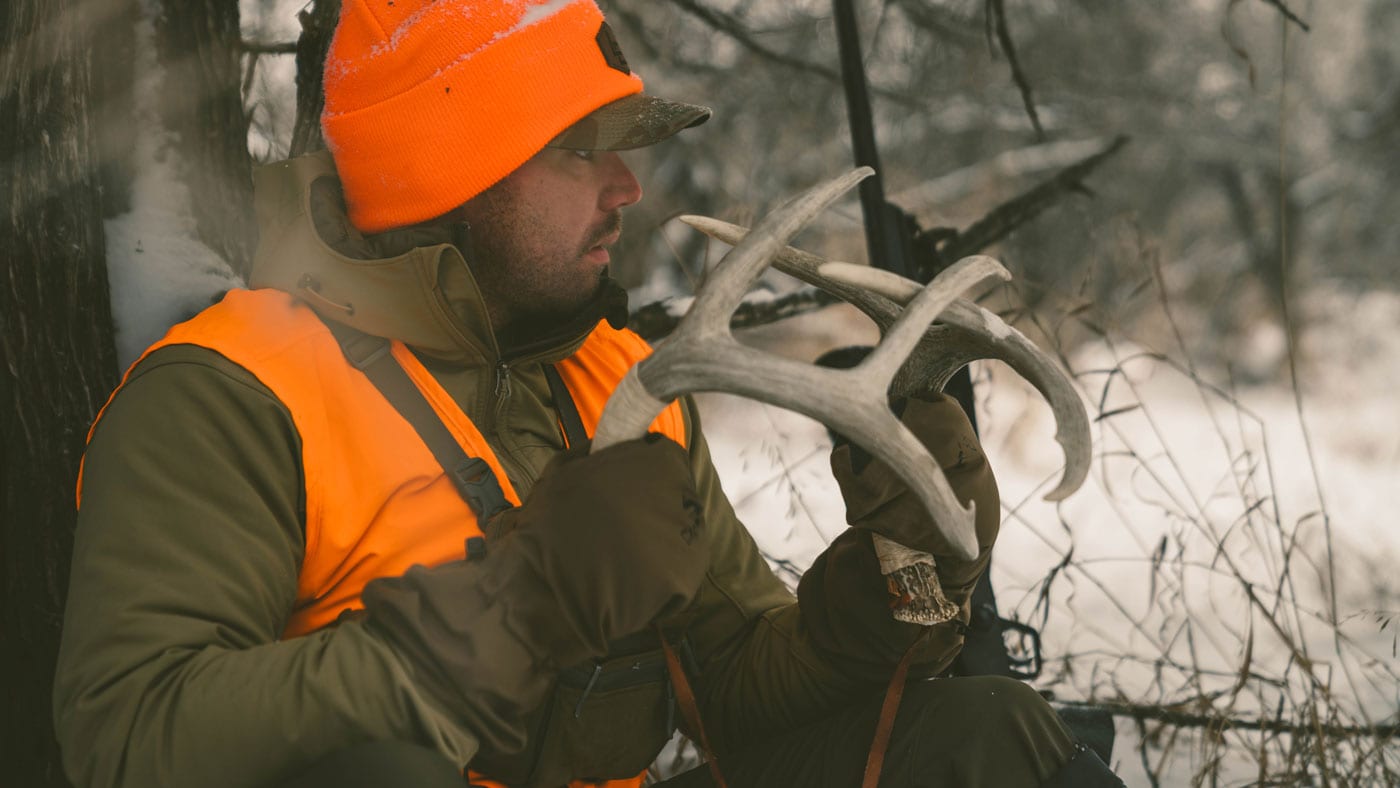
- Use rattling antlers aggressively. Fights are common this time of the season, and bucks will come in from around the area to check out a fight and see what’s happening.
- Mix bleats with grunts to mimic does in estrus and bucks chasing them to lure in other bucks that may want to steal away a doe.
Don't be afraid to blind call when nothing is happening. A buck that's quietly cruising by may hear your call and come in looking for a fight. Start quiet, and gradually ramp up the volume and intensity. You don't need to call constantly, but don't be afraid to call at least once every hour to try to pick up on new deer entering your area.
Tip 3: Action Happens Any Time
One of the most common deer hunting tips you'll hear is that deer are most active early in the morning and late in the evening. While this is true, the rut ramps up activity all day. Don't just stick to your early morning and late evening sits. Plan to sit during the middle of the day to catch cruising bucks looking for a hot doe. You can hunt mid-morning to mid-afternoon or plan an all-day sit as well. Deer will move throughout the day, with many bucks only stopping briefly to bed and rest.
Tip 4: Head on A Swivel
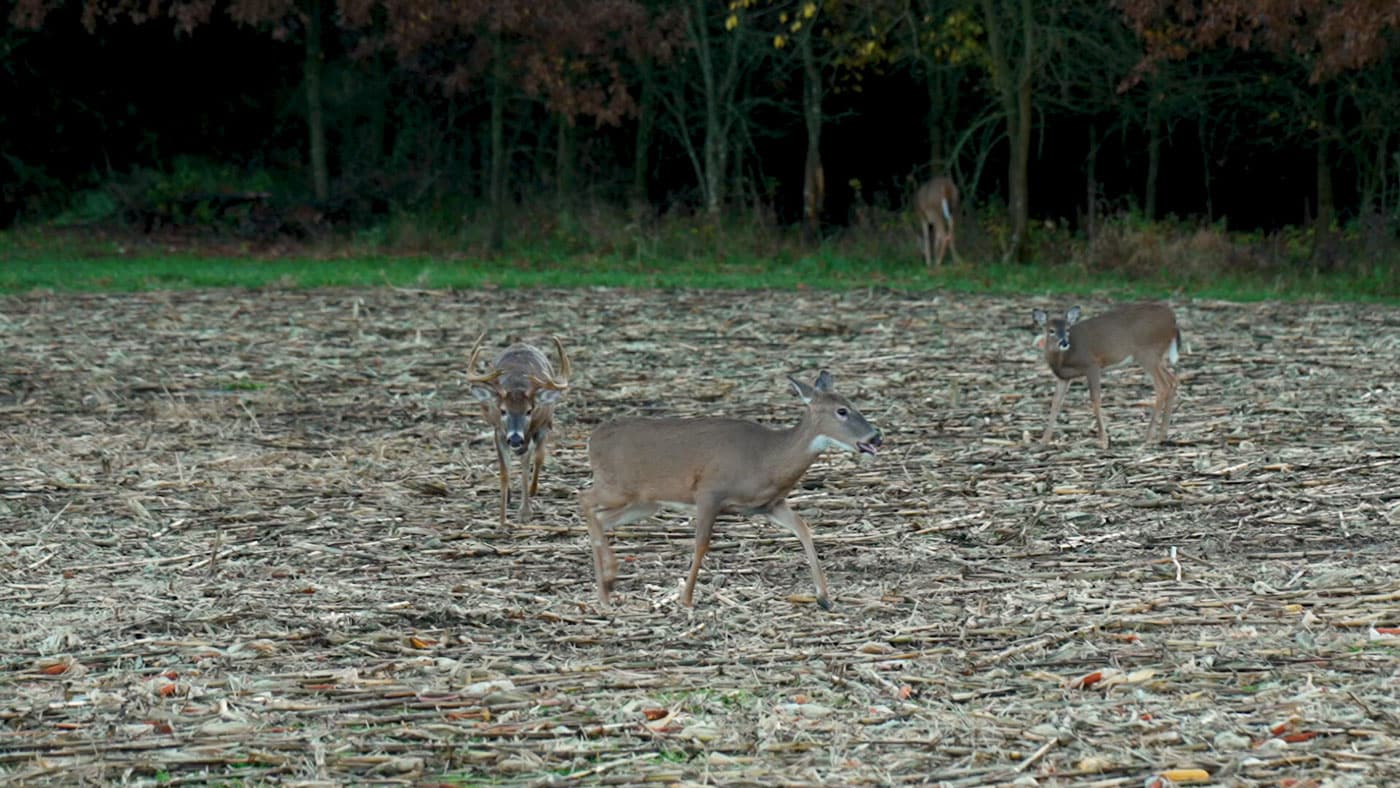
During the rut, it's crucial to always keep your head on a swivel. Deer can come from anywhere at any time. Paying attention to wind direction is one of the first deer hunting tips you first learn about when you start deer hunting. Wind is still important during the rut, but bucks are also looking for does and chasing after them. Many bucks will have their noses trained and looking for the scent of a doe. They may not catch your scent from as far away as they normally would, giving you more margin for error.
Don't be discouraged if the wind isn't quite right for your stand. If it's a stand that sees a lot of activity, like if it's adjacent to a deer trail, creek bottom, or other travel route, then you should still consider sitting in that stand and watching for activity from cruising bucks that aren't paying as much attention to the wind.
Tip 5: Remember to Breathe!
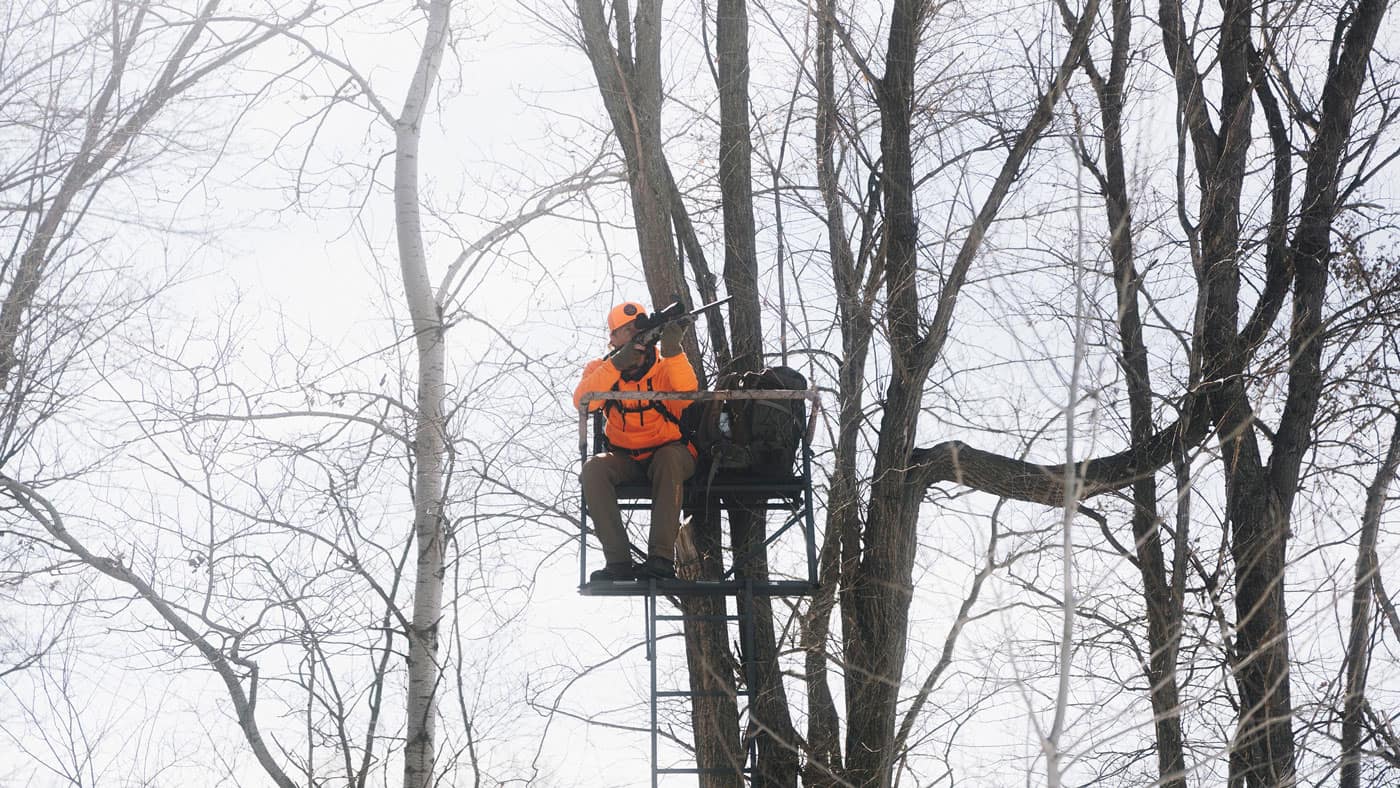
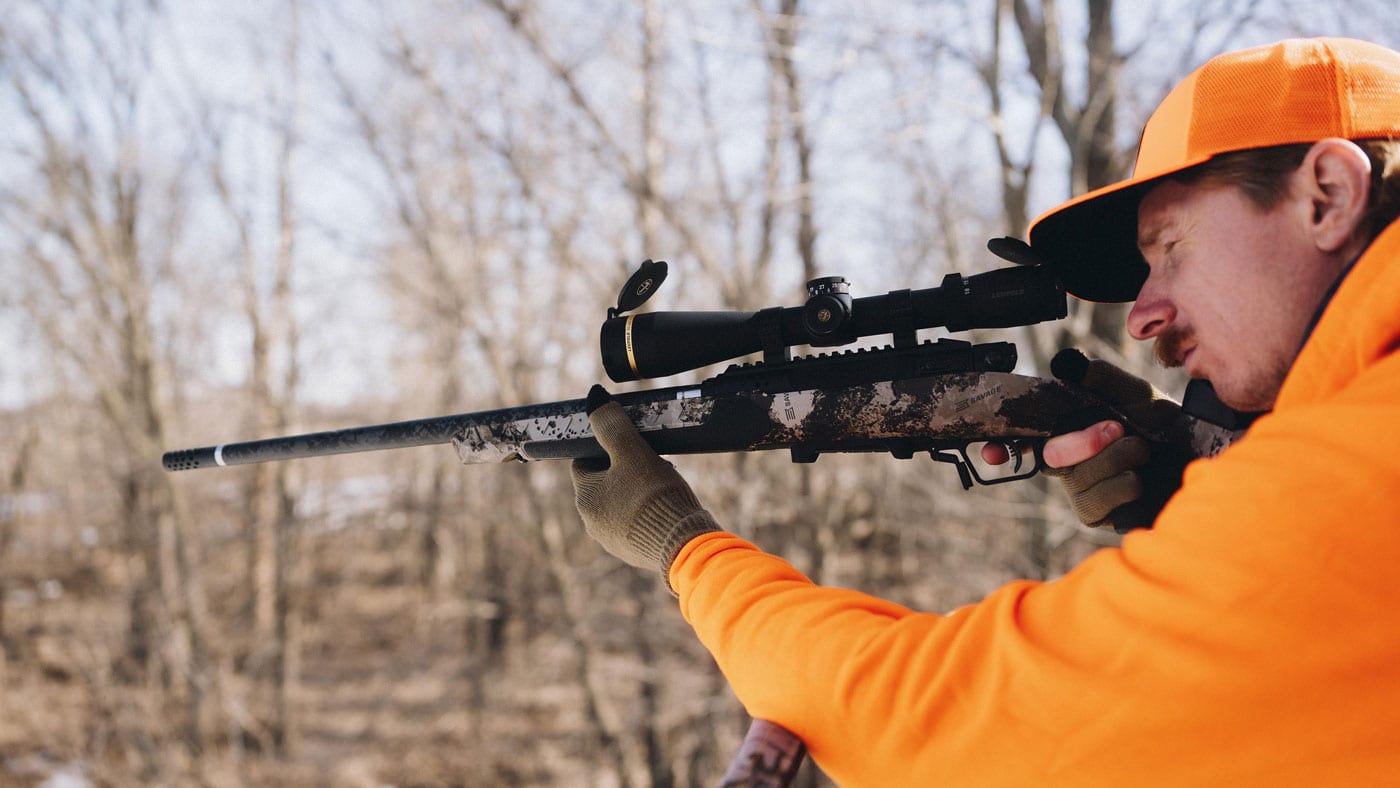
Things happen fast during the rut, and it's important to remember one of the most basic deer hunting tips of all; just breathe! Buck fever hits all of us, and it can be hard to keep your composure in the moments before the shot. Making an effective, ethical shot is the most important part of every hunt, so you'll want to do everything you can to overcome the shakes and focus on your fundamentals.
- Focus on deep breathing and getting steady for the shot.
- Remember to squeeze the trigger slowly and controlled. Don’t jerk the trigger in excitement or anticipation and throw off your shot placement.
- Use a bipod, bag, tree stand bar, or other stabilizing rest to give you a more stable platform to shoot from and make a better shot on your target.
We hope these deer hunting tips will help have you ready for the rut this season. It's an exciting time to be in the woods, with plenty of deer movement and activity to make the hunt more exciting. Bucks will be chasing does, and many of deer hunting's rules will be bent as deer are up and moving constantly into and out of the property you're hunting. One thing is for sure, you can't take advantage of this time if you're not out there, so get out to the stand this fall and punch your tag during the rut!